Gas line installation and repairs require precision, safety protocols, and strict adherence to local codes. In Rolesville, where homes range from historic properties near Main Street to newer developments in Granite Falls, proper gas piping protects families and property from leaks, fires, and carbon monoxide hazards. EPA Carbon Monoxide Safety.
Every gas line project starts with understanding Wake County permit requirements and Rolesville town code compliance. The North Carolina Plumbing Code mandates specific materials, pressure testing procedures, and shut-off valve placements that licensed plumbers must follow. Whether you’re adding a gas fireplace, connecting a new water heater, or installing an outdoor kitchen, the work demands professional expertise and specialized tools. Wake County Building Inspections.
Gas piping systems use different materials based on application. Black iron pipe remains the standard for indoor gas distribution due to its durability and fire resistance. For underground applications, polyethylene (PE) piping with tracer wire provides corrosion resistance. Corrugated stainless steel tubing (CSST) offers flexibility for tight spaces but requires proper bonding to prevent lightning damage. Each material choice affects installation cost, longevity, and safety performance. Finding Underground Leaks in Five Points Without Digging Up Your Entire Yard.
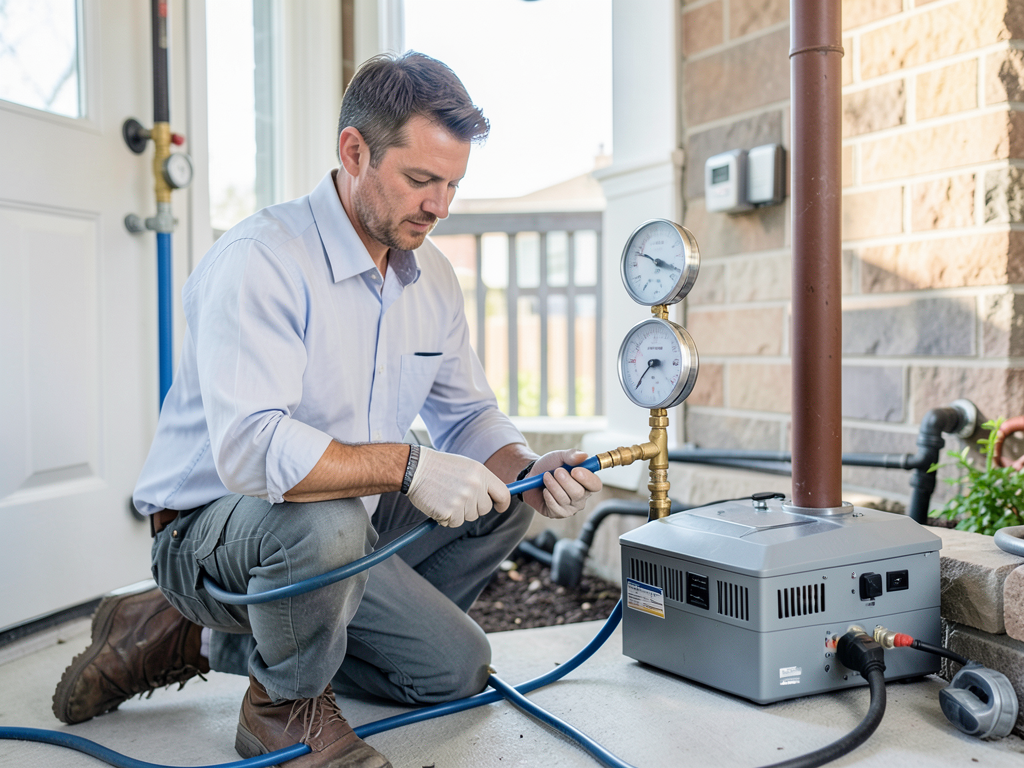
Pressure testing forms the critical safety checkpoint before any gas line becomes operational. Technicians use manometers to verify system integrity at 1.5 times the maximum operating pressure. A drop in pressure indicates leaks that must be located and repaired. This testing protocol, required by the International Fuel Gas Code, prevents dangerous gas accumulation in walls, crawl spaces, or underground trenches. Toilet Repair & Installation.
Rolesville’s growing population and new construction create increased demand for gas line services. Homeowners converting from electric to gas appliances need proper sizing calculations to ensure adequate supply pressure. A typical 100,000 BTU gas range requires a dedicated 1/2-inch supply line, while whole-house heating systems may need 1-inch or larger piping. Undersized lines cause appliance malfunction and potential safety hazards. Who to Call for 24-7 Plumber Services in Wake Forest.
Carbon monoxide detection becomes essential when installing gas appliances. The EPA recommends CO alarms on every level of homes with gas service. Proper venting ensures combustion gases exit safely, preventing indoor air quality issues. Gas water heaters require Category I venting for atmospheric combustion, while high-efficiency units use sealed combustion systems that draw outside air.
Emergency gas shut-off procedures protect families during crises. Every Rolesville home with gas service needs a main shut-off valve accessible from outside the building. Individual appliance shut-off valves allow isolation without disrupting entire home service. Testing these valves annually ensures they operate smoothly when needed most.
Underground gas line installation follows specific trenching requirements. A minimum 18-inch depth protects piping from surface damage, while 24 inches applies near driveways or areas with vehicle traffic. Yellow polyethylene warning tape placed 12 inches above buried gas lines alerts future excavators. These precautions prevent accidental damage during landscaping or construction projects.
Gas leak detection uses multiple methods. Soap solution applied to fittings reveals bubbles from escaping gas. Electronic combustible gas detectors pinpoint leak locations with precision. Technicians also use ultrasonic detectors to identify high-pressure leaks that may not produce visible bubbles. Regular leak surveys prevent small issues from becoming major hazards.
Appliance conversion from natural gas to propane or vice versa requires burner orifice changes and pressure regulator adjustments. Propane operates at higher pressure than natural gas, necessitating different equipment specifications. Mixing fuel types without proper conversion creates incomplete combustion, carbon monoxide production, and potential fires.
Rolesville’s soil conditions affect gas line longevity. The area’s clay content can cause pipe shifting during freeze-thaw cycles, potentially stressing fittings and creating leak points. Proper bedding material and expansion loops accommodate soil movement, preventing stress fractures in rigid piping systems.
Water heater gas connections demand special attention. Sediment traps, also called drip legs, capture debris and moisture before they reach appliance controls. These fittings, required by code, extend gas line runs slightly but prevent costly repairs and safety issues. A typical sediment trap consists of a tee fitting with a capped nipple pointing downward.
Outdoor gas line installations for fire pits, grills, and pool heaters face unique challenges. UV-resistant materials prevent degradation from sunlight exposure. Freeze protection ensures year-round operation in North Carolina’s variable climate. Proper drainage prevents water accumulation in low spots, which can cause corrosion or freeze damage. Professional Drain Cleaning Services in Cary to Stop Stubborn Backups.
Gas line sizing calculations consider total BTU demand, pipe length, and allowable pressure drop. Longer runs require larger diameter pipes to maintain adequate pressure at appliance outlets. A professional plumber uses gas pipe sizing charts from the National Fuel Gas Code to determine optimal pipe dimensions for each installation.
Permitting and inspection processes protect Rolesville residents. Wake County Building Inspections reviews gas line plans before installation begins. Final inspections verify code compliance, proper testing, and safe operation. These regulatory steps, while sometimes viewed as delays, prevent dangerous shortcuts that compromise safety.
Emergency response protocols guide technicians during gas leak calls. Immediate evacuation of the area, elimination of ignition sources, and proper ventilation take priority over repairs. Only after securing the site do technicians locate and repair the leak source. This systematic approach prevents explosions and protects lives.
Gas line repairs often reveal underlying issues. Corroded fittings indicate moisture problems or improper materials. Repeated leaks at the same location suggest soil movement or foundation settling. Comprehensive evaluation during repairs prevents future failures and extends system life.
Modern gas detection technology improves safety monitoring. Smart gas detectors connect to home automation systems, sending alerts to smartphones when abnormal conditions occur. These devices provide early warning of developing problems, allowing intervention before emergencies develop.
Rolesville’s rapid growth means older homes may have outdated gas systems. Galvanized steel piping, common in homes built before 1970, corrodes internally over time, reducing gas flow and creating leak risks. Replacement with modern materials improves safety and appliance performance.
Gas line installation costs vary based on project complexity, materials, and local requirements. Simple appliance connections may cost a few hundred dollars, while whole-house conversions or underground runs can exceed several thousand. Obtaining multiple quotes helps homeowners understand market rates and make informed decisions.
Preventive maintenance extends gas system life. Annual inspections identify developing issues before they cause failures. Cleaning burner assemblies improves efficiency and reduces carbon monoxide production. Checking flexible connector integrity prevents unexpected ruptures.
Gas line work requires specialized tools beyond standard plumbing equipment. Pipe threaders create proper connections on black iron pipe. Flaring tools prepare tubing ends for compression fittings. Pressure testing gauges verify system integrity. These tools, combined with proper training, ensure professional-quality installations.
Rolesville residents benefit from choosing local plumbers familiar with area codes and conditions. Quick response times, knowledge of local suppliers, and understanding of regional building practices streamline projects. Local professionals also maintain relationships with inspectors, facilitating smoother permit processes.
Gas line safety education empowers homeowners. Understanding basic shut-off procedures, recognizing gas leak signs, and knowing when to evacuate saves lives. Natural gas contains mercaptan odorant, giving it a distinctive rotten egg smell that alerts occupants to leaks. However, not all leaks produce odors, making detectors essential. Signs You Need Sewer Repair.
Commercial gas line installations follow different standards than residential work. Higher pressures, larger pipe sizes, and more complex venting systems characterize commercial applications. Restaurants, for example, may require 2-pound pressure systems with multiple regulators to serve commercial cooking equipment safely.
Gas line work intersects with other home systems. HVAC installations often require gas line extensions. Water heater replacements may need upgraded gas supplies. Kitchen remodels frequently involve relocating gas appliances. Coordinating these projects prevents conflicts and ensures optimal system performance.
Environmental considerations affect gas line practices. Proper disposal of old piping prevents soil contamination. Energy-efficient appliances reduce overall gas consumption. Some homeowners explore hybrid systems combining gas and electric components for optimal efficiency and reliability.
Rolesville’s climate influences gas line design. Humidity levels affect corrosion rates on certain materials. Temperature fluctuations cause pipe expansion and contraction, requiring proper support spacing. Understanding these factors helps plumbers specify appropriate materials and installation methods.
Gas line permits in Wake County typically cost $50-$200 depending on project scope. Commercial permits often require higher fees and more extensive documentation. These costs, while sometimes viewed as burdensome, fund inspection services that verify safety compliance.
Insurance considerations affect gas line work. Some policies require professional installation for coverage to remain valid. DIY gas work, even if successful, may void insurance protection in case of related incidents. Licensed plumbers carry liability insurance that protects homeowners from installation-related damages.
Future planning improves gas system flexibility. Installing oversized lines during initial construction accommodates potential appliance additions. Using standardized connection types simplifies future modifications. These forward-thinking approaches reduce long-term costs and disruption.
Gas line technology continues evolving. High-efficiency condensing appliances require specialized venting materials. Smart gas meters provide real-time consumption data. These innovations improve safety, efficiency, and user control over gas systems.
Rolesville’s community growth creates opportunities for gas infrastructure expansion. New neighborhoods often include gas service as a standard feature. This trend increases demand for qualified gas line professionals who understand both installation and safety requirements.
Professional development keeps gas line technicians current. Continuing education covers new materials, updated codes, and emerging technologies. This ongoing learning ensures technicians provide the most current and safe installation practices.
Gas line work requires physical stamina and attention to detail. Technicians often work in confined spaces, handle heavy materials, and perform precise measurements. These demanding conditions make experience and proper training essential for quality installations.
Customer education improves gas system outcomes. Explaining maintenance requirements, safety features, and operating procedures helps homeowners maximize system benefits while minimizing risks. Informed customers make better decisions about upgrades and repairs.
Gas line installations contribute to Rolesville’s development by enabling modern conveniences and efficient energy use. As the community grows, professional gas services support both residential comfort and commercial operations, driving economic development while maintaining safety standards.
Frequently Asked Questions
How much does gas line installation cost in Rolesville?
Gas line installation costs in Rolesville typically range from $500 to $5,000 depending on project complexity, materials used, and permit requirements. Simple appliance connections cost less, while whole-house conversions or underground runs cost more. Factors affecting price include pipe length, diameter, soil conditions, and local permit fees.
Do I need permits for gas line work in Wake County?
Yes, Wake County requires permits for all gas line installations and major repairs. The permitting process ensures work meets North Carolina Plumbing Code requirements and undergoes proper inspection. Permit fees typically range from $50 to $200, and unpermitted work can result in fines or insurance issues.
How can I tell if I have a gas leak?
Natural gas contains mercaptan odorant that smells like rotten eggs. Other signs include hissing sounds near pipes, dead vegetation near buried lines, or higher-than-normal gas bills. However, not all leaks produce odors, making carbon monoxide detectors and professional leak testing essential for safety.
How often should gas lines be inspected?
Gas lines should undergo professional inspection every 1-2 years, or immediately if you notice signs of problems. Regular inspections identify corrosion, loose fittings, or other issues before they become dangerous. Annual testing of shut-off valves and leak detection also helps maintain system safety.
Can I install my own gas line in Rolesville?
North Carolina law requires licensed plumbers to perform gas line work. DIY gas installations violate building codes and can create serious safety hazards. Insurance companies may deny claims related to unpermitted or unlicensed gas work, making professional installation essential for both safety and financial protection.
Call (984) 294-6422 today to schedule your gas line inspection or installation. Our licensed plumbers serve Rolesville and surrounding Wake County communities with professional, code-compliant gas services.
{
“@context”: “https://schema.org”,
“@type”: “BlogPosting”,
“headline”: “Safe Gas Line Installation and Repairs for Residents in Rolesville”,
“description”: “Professional gas line installation and repair in Rolesville. Licensed plumbers ensure safety, code compliance, and reliable service for your home or business.”,
“wordCount”: 1950,
“datePublished”: “2026-02-21T15:02:00.000Z”,
“dateModified”: “2026-02-21T15:02:00.000Z”,
“inLanguage”: “en-US”,
“mainEntityOfPage”: {
“@type”: “WebPage”,
“@id”: “https://ironwoodplumbingraleigh.com”
},
“publisher”: {
“@type”: “LocalBusiness”,
“name”: “Ironwood Plumbing Raleigh”,
“url”: “https://ironwoodplumbingraleigh.com”
},
“author”: {
“@type”: “Organization”,
“name”: “Ironwood Plumbing Raleigh”,
“url”: “https://ironwoodplumbingraleigh.com”
},
“image”: {
“@type”: “ImageObject”,
“url”: “https://ironwoodplumbingraleigh.com/wp-content/uploads/2026/03/safe-gas-line-installation-and-repairs-for-residen-1.png”
}
}
{
“@context”: “https://schema.org”,
“@type”: “Plumber”,
“name”: “Ironwood Plumbing Raleigh”,
“url”: “https://ironwoodplumbingraleigh.com”,
“address”: {
“@type”: “PostalAddress”,
“addressLocality”: “Raleigh”
},
“areaServed”: {
“@type”: “City”,
“name”: “Raleigh”
}
}
{
“@context”: “https://schema.org”,
“@type”: “FAQPage”,
“mainEntity”: [
{
“@type”: “Question”,
“name”: “How much does gas line installation cost in Rolesville?”,
“acceptedAnswer”: {
“@type”: “Answer”,
“text”: “Gas line installation costs in Rolesville typically range from $500 to $5,000 depending on project complexity, materials used, and permit requirements. Simple appliance connections cost less, while whole-house conversions or underground runs cost more. Factors affecting price include pipe length, diameter, soil conditions, and local permit fees.”
}
},
{
“@type”: “Question”,
“name”: “Do I need permits for gas line work in Wake County?”,
“acceptedAnswer”: {
“@type”: “Answer”,
“text”: “Yes, Wake County requires permits for all gas line installations and major repairs. The permitting process ensures work meets North Carolina Plumbing Code requirements and undergoes proper inspection. Permit fees typically range from $50 to $200, and unpermitted work can result in fines or insurance issues.”
}
},
{
“@type”: “Question”,
“name”: “How can I tell if I have a gas leak?”,
“acceptedAnswer”: {
“@type”: “Answer”,
“text”: “Natural gas contains mercaptan odorant that smells like rotten eggs. Other signs include hissing sounds near pipes, dead vegetation near buried lines, or higher-than-normal gas bills. However, not all leaks produce odors, making carbon monoxide detectors and professional leak testing essential for safety.”
}
},
{
“@type”: “Question”,
“name”: “How often should gas lines be inspected?”,
“acceptedAnswer”: {
“@type”: “Answer”,
“text”: “Gas lines should undergo professional inspection every 1-2 years, or immediately if you notice signs of problems. Regular inspections identify corrosion, loose fittings, or other issues before they become dangerous. Annual testing of shut-off valves and leak detection also helps maintain system safety.”
}
},
{
“@type”: “Question”,
“name”: “Can I install my own gas line in Rolesville?”,
“acceptedAnswer”: {
“@type”: “Answer”,
“text”: “North Carolina law requires licensed plumbers to perform gas line work. DIY gas installations violate building codes and can create serious safety hazards. Insurance companies may deny claims related to unpermitted or unlicensed gas work, making professional installation essential for both safety and financial protection.”
}
}
]
}
{
“@context”: “https://schema.org”,
“@type”: “BreadcrumbList”,
“itemListElement”: [
{
“@type”: “ListItem”,
“position”: 1,
“name”: “Home”,
“item”: “https://ironwoodplumbingraleigh.com”
},
{
“@type”: “ListItem”,
“position”: 2,
“name”: “Blog”,
“item”: “https://ironwoodplumbingraleigh.com/blog”
},
{
“@type”: “ListItem”,
“position”: 3,
“name”: “Safe Gas Line Installation and Repairs for Residents in Rolesville”
}
]
}
{
“@context”: “https://schema.org”,
“@type”: “Service”,
“serviceType”: “Plumbing”,
“provider”: {
“@type”: “LocalBusiness”,
“name”: “Ironwood Plumbing Raleigh”,
“url”: “https://ironwoodplumbingraleigh.com”
},
“areaServed”: {
“@type”: “City”,
“name”: “Raleigh”
},
“description”: “Professional gas line installation and repair in Rolesville. Licensed plumbers ensure safety, code compliance, and reliable service for your home or business.”
}