





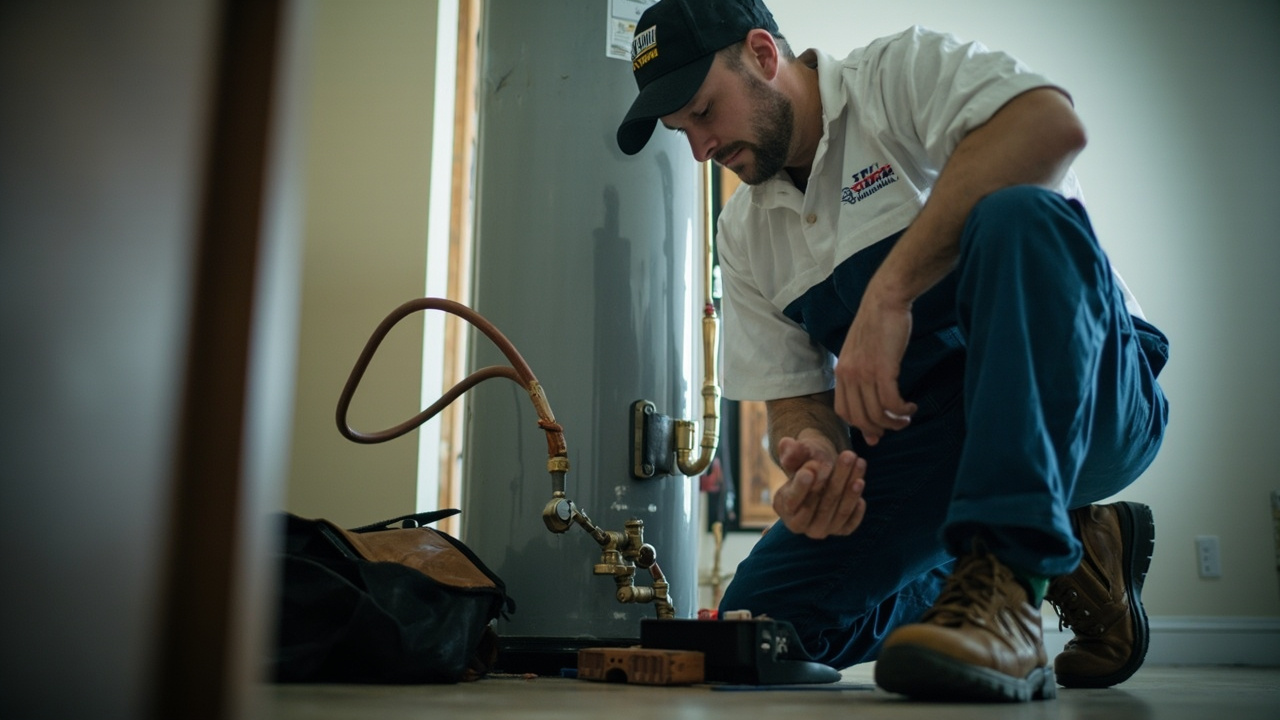
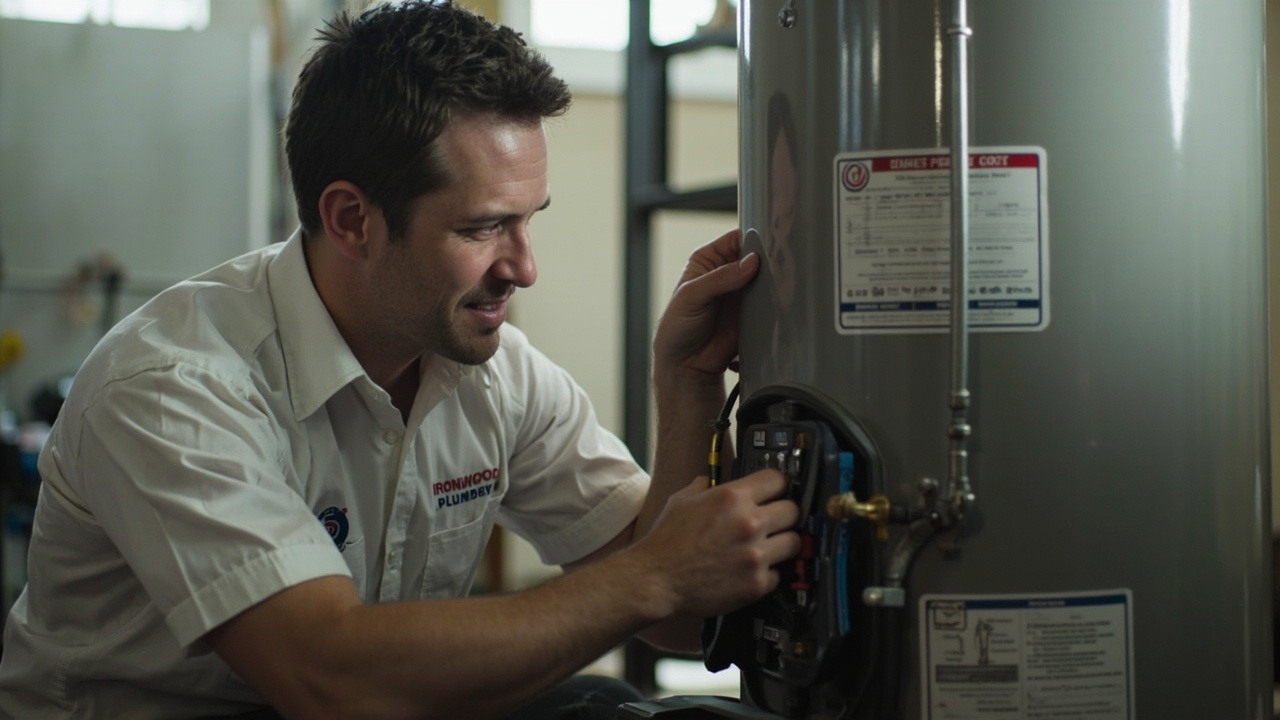
The Falls Lake watershed that supplies Raleigh's municipal water contains dissolved limestone and other mineral deposits that classify the water as moderately hard to hard, measuring between 80 and 120 milligrams per liter of calcium carbonate. When this water heats inside your tank, the minerals precipitate out and settle at the bottom as sediment. Homes in North Raleigh with well water often experience even higher mineral content from the Piedmont's geology. This sediment layer insulates your heating element from the water above, forcing the system to run longer to reach temperature setpoints. The constant heating and cooling of this sediment layer also creates the popping or rumbling sounds you hear as steam bubbles escape through the hardened mineral deposits.
Ironwood Plumbing Raleigh has serviced water heaters throughout Wake County since our founding, giving us direct experience with how local water conditions affect different tank models and brands. We work closely with homeowners in historic districts like Oakwood and Cameron Park where older plumbing systems meet modern water heaters, creating unique maintenance requirements. Our familiarity with Raleigh's building codes and inspection standards means we identify issues that affect both system performance and code compliance. When you choose a local plumbing service that understands Raleigh's specific water chemistry and infrastructure, you get maintenance recommendations based on real-world local experience instead of generic manufacturer guidelines written for average conditions.