


Menu

Overflowing Toilet Repair in Raleigh – 24/7 Emergency Response Within 60 Minutes

When your toilet floods at 2 AM, you need an overflowing toilet plumber who picks up the phone and arrives fast. We stop water damage, restore safety, and clean up the mess before it spreads through your home.

Slider Image 1
Slider Image 2
Slider Image 3
Slider Image 4
Slider Image 5
Slider Image 7
Slider Image 8
Slider Image 9
Slider Image 10
Slider Image 11

Why Raleigh Homes Face Urgent Toilet Overflow Emergencies

You walk into your bathroom and water is spreading across the floor. The toilet is overflowing and it will not stop. Every second counts before water seeps into grout lines, soaks subflooring, or leaks into the ceiling below.

Raleigh homes face specific challenges that make emergency toilet repair service more urgent than you think. The clay soil common throughout Wake County shifts with seasonal rain cycles. This creates pressure on your home's sewer lateral, the pipe connecting your house to the city main. When tree roots from Raleigh's oak and pine canopy infiltrate that lateral, even a small blockage can cause a catastrophic backup during heavy use.

Older neighborhoods near downtown, like Mordecai and Oakwood, still have cast iron drain lines installed in the 1950s and 1960s. These corrode from the inside, creating snag points where waste builds up. A single flush can trigger a toilet flooding repair emergency when the drain stack is already compromised.

High humidity in summer accelerates moisture damage once water escapes containment. Drywall wicks moisture vertically. Hardwood floors cup within hours. Mold spores activate in 24 to 48 hours. An urgent toilet overflow service is not just about stopping the water. It is about preventing structural damage that costs thousands to repair.

If your toilet is overflowing right now, shut off the angle stop valve behind the bowl. It turns clockwise. If water continues rising, the blockage is downstream in the drain line. You need an overflowing toilet plumber to diagnose whether the problem is in the closet bend, the branch drain, or the main sewer line. Do not flush again. Do not pour chemicals. Call for emergency clogged toilet repair before water spreads further.

Why Raleigh Homes Face Urgent Toilet Overflow Emergencies
How We Stop Toilet Overflows and Restore Your Bathroom

How We Stop Toilet Overflows and Restore Your Bathroom

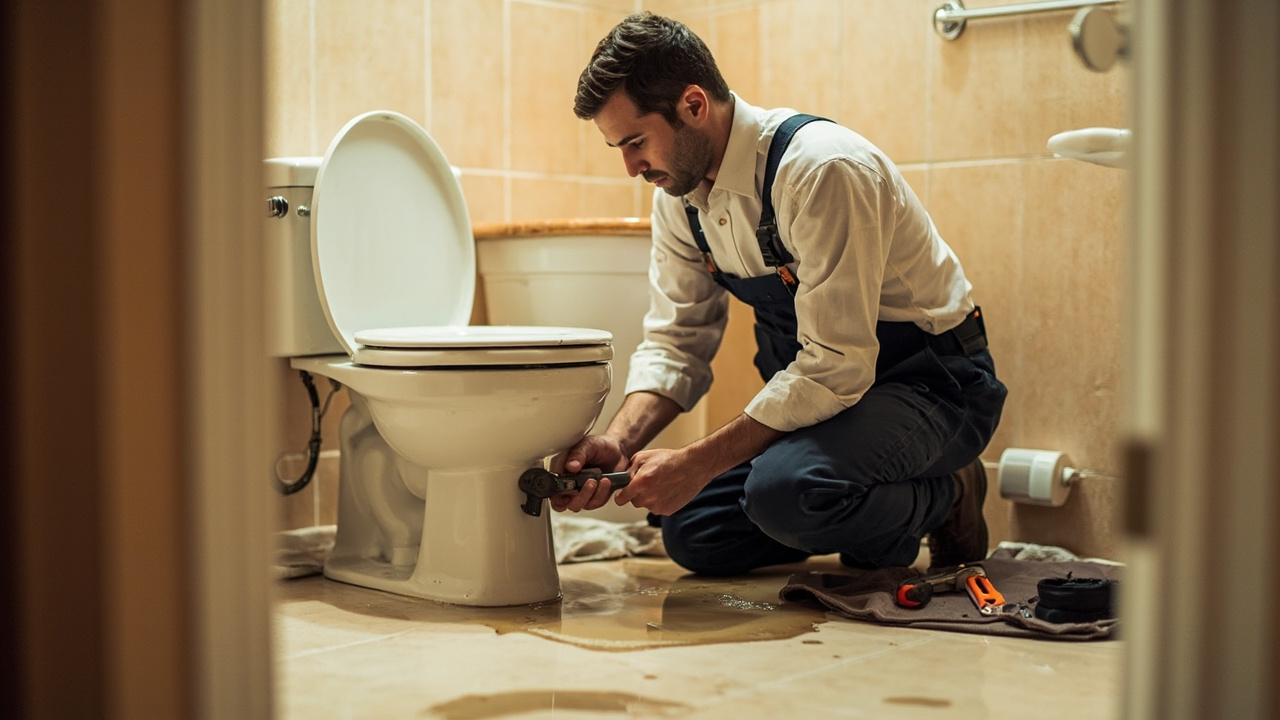
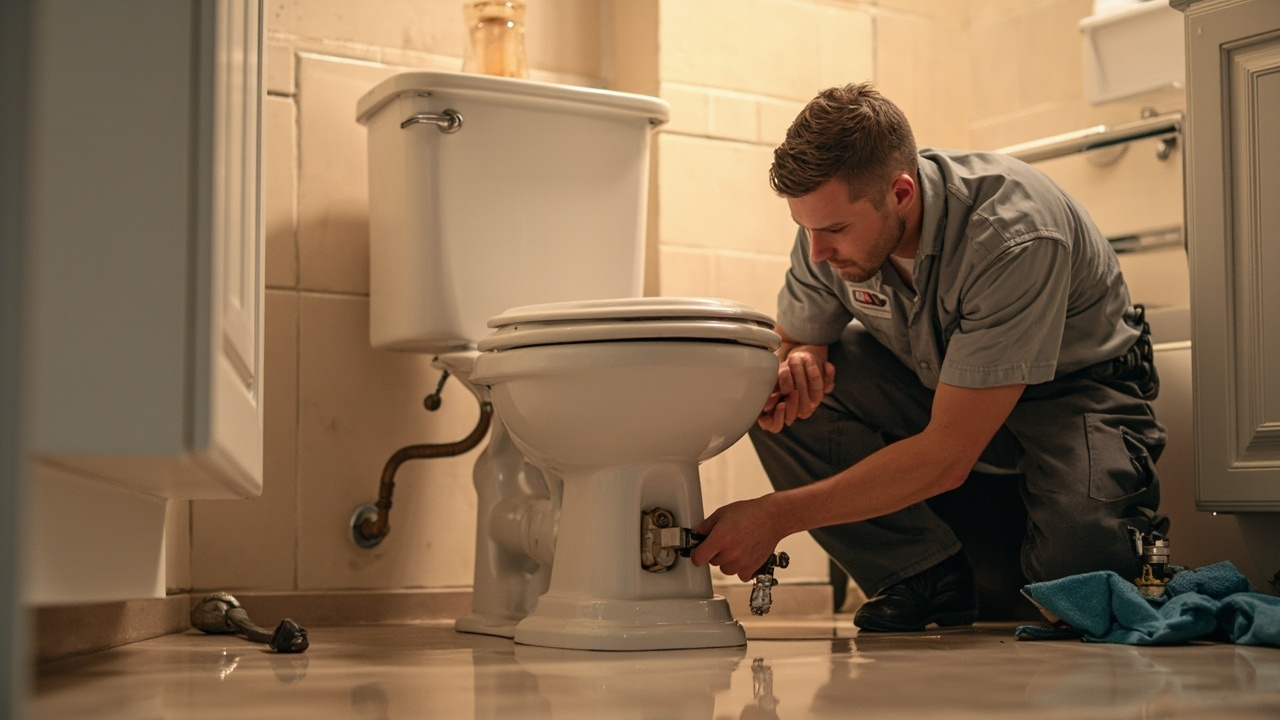
When you call Ironwood Plumbing Raleigh for an overflowing toilet emergency, our response is immediate. We dispatch a technician within 60 minutes, often faster during overnight hours when roads are clear. Our trucks carry diagnostic cameras, powered drain augers, and water extraction equipment. We do not show up unprepared.

First, we isolate the problem. Is the blockage in the toilet trap itself, the closet flange, or further down in the branch drain? We remove the toilet if needed to inspect the wax ring and flange for damage or misalignment. In older Raleigh homes, we often find that cast iron closet bends have corroded through, creating a rough interior surface that catches debris.

If the blockage is downstream, we use a flexible camera to inspect the drain stack and sewer lateral. This is not guesswork. We see exactly what is causing the backup: root intrusion, bellied pipe sections, or collapsed terra cotta pipe common in pre-1980s construction. We clear the line with a motorized cable auger, then hydraulically test the drain to confirm flow.

After clearing the blockage, we address water damage. We extract standing water with commercial wet vacuums, then check subfloor moisture levels with a pin-type meter. If moisture has penetrated beyond surface materials, we document it and explain your next steps. We do not leave until the toilet is functioning, the drain is flowing, and you understand what caused the failure.

For recurring overflows, we recommend a sewer line camera inspection to identify structural issues before the next emergency. Many Raleigh homeowners discover that tree roots have created a chronic problem that requires pipe repair or replacement. We provide that footage and a written assessment so you can make an informed decision.

What Happens During Your Emergency Toilet Repair Call

Overflowing Toilet Repair in Raleigh – 24/7 Emergency Response Within 60 Minutes
01

Immediate Dispatch and Arrival

You call our emergency line and speak to a live dispatcher, not an answering service. We ask key questions: Is water still rising? Have you shut off the valve? Is sewage backing up from other fixtures? This tells us what equipment to bring and how fast to move. Our technician texts you an ETA and a photo so you know who is coming to your door. We arrive in a clearly marked truck, often within 45 to 60 minutes in the greater Raleigh metro area.
02

Diagnostics and Blockage Clearing

We assess the overflow source immediately. If the blockage is in the toilet trap, we auger it on site. If the problem is deeper, we insert a camera into the drain line to pinpoint the obstruction. You watch the monitor with us. We explain what we see: roots, grease buildup, collapsed pipe, or foreign objects. We clear the line with the appropriate tool, a closet auger for near blockages or a powered cable snake for deeper clogs. We test the flush cycle three times before moving forward.
03

Water Extraction and Safety Check

Once the drain is clear, we extract standing water and check for contamination. Category 2 or 3 water requires documentation for insurance claims. We inspect the subfloor, baseboards, and adjacent walls for moisture penetration using a digital moisture meter. We explain what dried safely and what may need professional drying or replacement. You receive a written summary of the repair, the cause, and any follow-up recommendations. We do not leave until your toilet is operational and you understand what happened.

Why Raleigh Homeowners Trust Ironwood Plumbing for Toilet Emergencies

When your toilet overflows in the middle of the night, you need a plumber who answers the phone and shows up. Ironwood Plumbing Raleigh operates 24 hours a day, 7 days a week, because plumbing emergencies do not wait for business hours. We do not use call centers or third-party dispatchers. You speak directly to our team, and we dispatch immediately.

Our technicians know Raleigh plumbing. We work in Oakwood's century-old bungalows, Lake Johnson's 1970s ranch homes, and North Hills' modern developments. We understand how Raleigh's clay soil affects sewer laterals, how older cast iron stacks fail, and where tree roots typically infiltrate drain lines. This is not generic knowledge. It is earned from years of working in Wake County homes.

We carry the tools that matter in an emergency. Our trucks stock camera inspection equipment, powered drain augers up to 100 feet, and water extraction vacuums. We do not need to leave for supplies or schedule a second visit. We diagnose, clear, and verify repairs on the first call.

We also communicate clearly. After we stop the overflow, we explain what caused it. You see the camera footage if we used one. You understand whether the problem was isolated or part of a larger issue with your drain system. We provide written documentation of the work completed, materials used, and any follow-up recommendations. If insurance is involved, we give you the details you need for your claim.

Raleigh homeowners call us back because we solve the problem correctly the first time. We do not upsell services you do not need, and we do not leave until the toilet is functioning and you feel confident in the repair. When the next emergency strikes your neighborhood, we will be the name your neighbors recommend.

What You Can Expect During an Emergency Toilet Repair

Rapid Response Time

We dispatch a technician within 60 minutes of your call, often faster during late-night hours when traffic is light. Our trucks are staged throughout the Raleigh metro area to minimize travel time. You receive a text with your technician's name, photo, and estimated arrival time. We do not make you wait while water spreads through your home. Our emergency line is answered by a live person, not a recording, so we can assess urgency and prioritize dispatch accordingly. If your situation involves sewage backup or category 3 contamination, we bring additional containment equipment on the first trip.

Thorough Diagnosis of the Cause

We do not guess. We use a flexible camera to inspect your drain line and identify the exact cause of the overflow. You watch the monitor with us and see what we see: root intrusion, pipe bellies, foreign objects, or structural damage. We explain whether the blockage is in the toilet trap, the closet bend, the branch drain, or the main sewer line. This diagnosis determines the correct repair method. If we remove the toilet to inspect the flange or wax ring, we check for proper mounting, correct flange height, and subfloor integrity. You receive a written summary of findings so you understand what failed and why.

Complete Restoration and Testing

After clearing the blockage, we test the drain line hydraulically to confirm proper flow. We flush the toilet multiple times and monitor for slow drainage or backup. We inspect the surrounding area for water damage, using a moisture meter to check subfloors, baseboards, and drywall. If contamination occurred, we document it for insurance purposes. We extract standing water and explain what areas dried safely versus what may require professional drying or replacement. The toilet is reinstalled with a new wax ring if removal was necessary. We do not leave until the fixture operates correctly and you feel confident the problem is resolved.

Follow-Up Recommendations and Documentation

You receive a detailed work order that includes the repair performed, materials used, and any underlying issues discovered during the service call. If we found root intrusion, corroded cast iron, or structural pipe damage, we provide a written assessment with camera footage and next-step options. We explain the difference between a one-time clearing and a permanent fix. For recurring overflows, we recommend a full sewer line inspection to identify chronic problems before the next emergency. We do not pressure you into additional work. We give you the information you need to make the right decision for your home and budget.

Frequently Asked Questions

You Have Questions,
We Have Answers

How to fix a toilet that keeps overflowing? +

Stop water flow by shutting the supply valve behind the toilet base (turn clockwise). Remove the tank lid and lift the float or flapper to stop refilling. If the bowl is full, do not flush again. Use a plunger with a firm seal around the drain opening, pushing down and pulling up rapidly for 15-20 seconds. If water recedes, flush once to test. If the overflow persists or returns quickly, you have a main drain line blockage or sewer issue. Call a licensed plumber immediately. Continued overflow risks water damage to flooring and subfloors.

Should I call a plumber for a gurgling toilet? +

Yes. Gurgling means negative air pressure in your drain lines, signaling a partial blockage or venting problem. In Raleigh's older neighborhoods with mature trees, root intrusion into sewer laterals is common. Gurgling often precedes a full backup. A plumber will camera-inspect the line to locate the obstruction (roots, grease buildup, or collapsed pipe). If you hear gurgling when other fixtures drain (shower, sink), the blockage is likely in the main stack. Do not wait for a complete overflow. Early diagnosis prevents emergency flooding and costly restoration work.

Why is my toilet overflowing but not clogged? +

Your toilet overflows when the drain system cannot accept water fast enough, even if the toilet bowl itself is clear. Common causes include a clogged vent stack (prevents air equalization), a blockage further down the main drain line, or a full septic tank. In Raleigh, clay soil expansion during wet seasons can shift older sewer pipes, creating low spots where debris accumulates. You need a professional drain camera inspection to pinpoint the obstruction location. Do not keep flushing. Continued overflow will saturate drywall and flooring, leading to mold growth.

How long will a clogged toilet eventually unclog itself? +

Never wait for a clog to clear itself. Toilet clogs do not dissolve over time. Waste and paper will compact further, worsening the blockage and risking a full overflow. Chemical drain cleaners damage older pipes and create toxic fumes when mixed with standing water. In Raleigh's humid climate, standing water breeds bacteria and odor within hours. If a plunger does not clear the blockage after two attempts, call a plumber. Delays increase the risk of sewage backing up into bathtubs or floor drains. Professional hydro-jetting or augering removes the obstruction safely and completely.

What are two things you should never flush down a toilet? +

Never flush wipes (even those labeled flushable) or feminine hygiene products. Wipes do not break down in water like toilet paper. They snag on pipe joints, tree roots, or existing buildup, creating massive blockages in sewer laterals. Raleigh's aging sewer infrastructure cannot handle non-degradable materials. Feminine products absorb water and expand, lodging in traps and bends. Both items cause backups that require professional augering or hydro-jetting. Dispose of these in trash receptacles. Flushing them voids most service warranties and results in expensive emergency callouts and potential pipe replacement.

How do I know if my toilet flapper needs replacing? +

If your toilet runs continuously, refills randomly, or you hear hissing in the tank, the flapper is failing. Remove the tank lid and add food coloring to the tank water (do not flush). Wait 15 minutes. If color appears in the bowl without flushing, the flapper is leaking. Flappers degrade from mineral buildup in Raleigh's moderately hard water. A failing flapper wastes up to 200 gallons daily, spiking your water bill. Replace the flapper (a simple fix) or call a plumber if you notice chain tangling or flush valve corrosion.

Why is my toilet gurgling but not clogged? +

Gurgling without a visible clog indicates a blocked or damaged vent pipe. Vent stacks allow sewer gases to escape and equalize air pressure in drain lines. When vents are obstructed (bird nests, leaves, ice), draining water creates a vacuum, pulling air through the toilet trap and causing gurgling sounds. In Raleigh, spring pollen and fall debris commonly block roof vents. A plumber will inspect the vent stack and clear obstructions. Ignoring gurgling leads to slow drains, sewer gas odors, and eventual trap siphoning, which allows toxic fumes into your home.

What is the 135 rule for plumbing? +

The 135-degree rule refers to the maximum angle allowed for horizontal drain pipe fittings in plumbing codes. Fittings sharper than 135 degrees create turbulence and allow solids to settle, causing chronic clogs. Proper drainage requires gradual directional changes (typically two 45-degree fittings instead of a single 90-degree elbow). Raleigh adheres to the North Carolina State Plumbing Code, which enforces this standard to prevent blockages in waste lines. If you experience repeated toilet backups, older improper fittings may be the cause. A licensed plumber can inspect and retrofit non-compliant sections during drain line repairs.

How much does it cost to call a plumber to unclog a toilet? +

Professional toilet unclogging in Raleigh ranges based on severity and time of day. Simple auger work during business hours costs less than emergency night or weekend calls. If the blockage is in the main sewer line (requiring camera inspection or hydro-jetting), expect higher costs. Factors include access difficulty, pipe material, and depth of obstruction. Emergency services cost more but prevent water damage, which runs into thousands for drywall, flooring, and mold remediation. Most plumbers provide upfront pricing before starting work. Avoid flat-rate quotes over the phone without an in-person assessment.

Why put aluminum foil in a toilet tank? +

This is a debunked internet myth. Aluminum foil in the tank does nothing beneficial. Some claim it prevents mineral buildup or improves flushing, but foil does not react with water or dissolve deposits. Introducing foreign objects into the tank risks jamming the flapper, float mechanism, or fill valve, causing leaks or continuous running. In Raleigh's moderately hard water, mineral buildup requires proper descaling agents or professional cleaning. If you have performance issues, call a licensed plumber for proper diagnosis. Do not rely on home remedies that damage components or void warranties.

How Raleigh's Clay Soil and Aging Infrastructure Increase Toilet Overflow Risk

Raleigh sits on expansive clay soil that swells when wet and contracts during dry periods. This seasonal movement places stress on your home's sewer lateral, the pipe connecting your house to the city main. When clay shifts, it can separate joints in terra cotta or PVC drain lines, creating entry points for tree roots. Oaks, pines, and sweetgums common in Raleigh yards send roots toward any moisture source, including small cracks in your sewer line. Once roots infiltrate, they grow into dense mats that catch toilet paper, hygiene products, and waste. This creates the blockages that cause emergency toilet overflows. Older neighborhoods like Boylan Heights, Cameron Park, and Five Points have drain lines installed before 1980, many made of cast iron or terra cotta that corrode and crack over time.

Ironwood Plumbing Raleigh works daily with the plumbing challenges specific to Wake County homes. We understand how soil movement affects drain lines, where tree roots typically infiltrate, and how older pipe materials fail. We navigate Raleigh's plumbing code requirements and know which repairs require permits and inspections. When we recommend a sewer line repair or replacement, it is based on camera evidence and local conditions, not upselling. Our technicians live and work in the same neighborhoods we serve, and our reputation is built on solving problems correctly the first time. Choosing local expertise means choosing a plumber who understands your home's specific risks.

Plumbing Services in The Raleigh Area

We are proud to serve the entire Raleigh community and surrounding areas, bringing our trusted plumbing services directly to your doorstep. You can find our main office location on the map below. We are committed to providing fast response times and expert service, no matter where you are located within our service area. If you're unsure if we service your neighborhood, simply give us a call!

Address:
Ironwood Plumbing Raleigh, 4108 Atlantic Ave, Raleigh, NC, 27604

Additional Services We Offer

Our news updates

Latest Articles & News from The Blogs

Essential Tips for Maintaining Your Garbage Disposal During the Busy Holiday Season in Cary Your garbage disposal works hard year-round…

Essential Tips for Maintaining Your Garbage Disposal During the Busy Holiday Season in Cary

Essential Tips for Maintaining Your Garbage Disposal During the Busy Holiday Season in Cary Your garbage disposal works hard year-round…

Why Your Fridge Water Filter Might Be Slowing Down the Flow to Your Ice Maker

Why Your Fridge Water Filter Might Be Slowing Down the Flow to Your Ice Maker\n\nYour fridge is running slow and…

Designing a Laundry Room for Multi-Generational Living in Your Rolesville Property

Designing a Laundry Room for Multi-Generational Living in Your Rolesville Property Multi-generational living in Rolesville means creating spaces that work…

Contact Us

Do not wait for water to spread further. Call Ironwood Plumbing Raleigh at (984) 294-6422 right now for emergency toilet overflow repair. We answer 24/7, dispatch immediately, and stop the damage before it gets worse. Your toilet emergency ends today.