



Menu

Commercial Plumbing Contractors in Raleigh | Built for Business Continuity and Zero Downtime

Ironwood Plumbing Raleigh delivers industrial-grade commercial plumbing services engineered to keep your facility operational, compliant with North Carolina codes, and resilient against Raleigh's humid climate and aging infrastructure challenges.

Slider Image 1
Slider Image 2
Slider Image 3
Slider Image 4
Slider Image 5
Slider Image 7
Slider Image 8
Slider Image 9
Slider Image 10
Slider Image 11

Why Raleigh Commercial Facilities Face Unique Plumbing Risks

Raleigh's commercial infrastructure operates under conditions that accelerate plumbing degradation. The region's high humidity drives corrosion in cast iron drain lines and galvanized supply piping, particularly in older buildings along Fayetteville Street and the Warehouse District. Meanwhile, the expansive clay soil beneath downtown and Research Triangle Park shifts seasonally, fracturing underground water mains and sewer laterals.

Your business cannot afford unplanned shutdowns. A failed backflow preventer at a restaurant triggers immediate health department intervention. A ruptured water line in a multi-tenant office building floods ground-floor suites and halts operations. Grease interceptor violations at food service operations draw steep fines from the City of Raleigh Public Utilities Department.

Commercial plumbing companies must understand these stressors. Generic residential plumbers lack the capacity, tooling, and code knowledge to handle high-volume systems. You need industrial plumbing contractors who mobilize teams, coordinate with property management, and execute repairs during off-peak hours to minimize tenant disruption.

Ironwood Plumbing Raleigh operates as commercial plumbing firms built for institutional clients. We service everything from medical office buildings near WakeMed to manufacturing facilities in the Triangle East Commerce Park. Our commercial plumbing services address the reality that downtime equals revenue loss, and compliance failures equal liability exposure. We understand Raleigh's building stock, local inspection protocols, and the urgency commercial plumbers must bring to every call.

Why Raleigh Commercial Facilities Face Unique Plumbing Risks
How We Engineer Commercial Plumbing Solutions for Maximum Uptime

How We Engineer Commercial Plumbing Solutions for Maximum Uptime

Commercial plumbing contractors must operate differently than residential service providers. Our methodology centers on minimizing business interruption while delivering code-compliant, long-term solutions.

We begin with hydraulic load analysis. Your facility's demand profile determines system sizing, pressure regulation, and backflow protection strategy. A Class III medical facility requires different cross-connection control than a warehouse. We calculate fixture unit counts, peak flow scenarios, and waste discharge rates to right-size repairs and upgrades.

Material selection reflects lifecycle economics, not lowest bid. We specify Schedule 40 PVC for non-pressure drainage in food service applications because it resists grease buildup better than cast iron. For high-rise supply risers, we install Type L copper with brazed joints to eliminate the leak points that threaten ceiling tiles and tenant improvements. Underground main replacements use ductile iron pipe with restrained joints to counter soil movement.

Our teams execute work in phases. We isolate sections using gate valves and zone shutoffs to keep portions of your building operational during repairs. For 24-hour facilities like hospitals or data centers, we schedule critical tie-ins during low-census periods and maintain redundant pathways.

Compliance documentation is non-negotiable. Every backflow device installation includes state certification and City of Raleigh cross-connection control reporting. Grease interceptor installations meet the current plumbing code's sizing requirements based on your actual wastewater discharge data. We pull permits, coordinate inspections, and deliver as-built drawings that your facility manager needs for future maintenance planning.

How Commercial Plumbing Projects Move from Assessment to Completion

Commercial Plumbing Contractors in Raleigh | Built for Business Continuity and Zero Downtime
01

Site Survey and Load Calculation

We conduct a comprehensive facility walkthrough, documenting existing plumbing infrastructure, fixture counts, and system capacities. Our team photographs current conditions, identifies code deficiencies, and calculates hydraulic loads using drainage fixture unit tables and water supply demand charts. You receive a detailed scope of work with phasing options designed around your operational schedule and budget constraints.
02

Phased Execution and Isolation

We implement repairs using zone isolation to maintain partial building function. Gate valves, temporary bypass pumps, and strategic shutdown sequencing keep critical areas online. For underground main replacements, we excavate in sections, install ductile iron piping with restrained joints, and backfill with controlled density fill to prevent future settling. All work proceeds under active permits with coordinated inspections.
03

Testing, Documentation, and Handoff

Every installation undergoes hydrostatic pressure testing and functional flow verification. Backflow devices receive state-certified testing with submitted compliance reports. Grease interceptors are sized per code and documented with installation certifications. You receive as-built drawings, equipment manuals, and maintenance schedules. We coordinate final inspections and ensure your facility manager has complete records for future service continuity.

Why Raleigh Facility Managers Choose Local Commercial Plumbing Expertise

Selecting commercial plumbing contractors requires evaluating more than advertised capabilities. You need a firm that understands Raleigh's infrastructure age, regulatory environment, and climate-driven failure modes.

Ironwood Plumbing Raleigh maintains direct relationships with the City of Raleigh Inspections Department and Wake County Health Department. We know current backflow prevention requirements, grease interceptor sizing mandates, and the local amendments to the North Carolina Plumbing Code. This knowledge eliminates project delays caused by failed inspections or noncompliant installations.

Our equipment inventory supports commercial-scale projects. We deploy hydro-jetting machines rated for 4-inch and larger drain lines, leak detection equipment for pressurized systems, and televising cameras for underground sewer diagnostics. When a main line ruptures beneath your parking lot, we excavate, install ductile iron replacements, and restore asphalt surfaces using coordinated subcontractors.

We understand Raleigh's building stock. Many commercial structures in downtown and along Hillsborough Street contain decades-old cast iron stacks and galvanized supply piping. We've repaired corroded vertical drainage systems in mid-rise office buildings and replaced failing water services in historic commercial properties near the Capitol. This experience translates to accurate diagnostics and realistic project timelines.

Facility managers value our coordination capability. We work around tenant schedules, coordinate with property management companies, and execute after-hours shutdowns to avoid disrupting business operations. For multi-phase renovations, we sequence plumbing rough-ins with general contractors and maintain open communication channels that prevent costly delays.

What to Expect When You Engage Commercial Plumbing Services

Rapid Response and Mobilization

Emergency plumbing failures demand immediate containment. We dispatch commercial plumbing teams within two hours for critical failures like main line ruptures, backflow contamination events, or flooding scenarios. Our trucks carry isolation equipment, temporary pumps, and containment supplies to stop damage progression while we develop permanent repair plans. For scheduled projects, we provide detailed timelines with milestone dates, material lead times, and coordination requirements so your facility manager can plan around construction activities.

Thorough Assessment and Code Review

Every project begins with comprehensive diagnostics. We conduct hydraulic load calculations, review existing permit records, and identify code deficiencies that create liability exposure. For aging systems, we use camera inspections to assess underground line conditions and pressure testing to verify system integrity. You receive a written assessment that outlines current conditions, code compliance gaps, repair options, and recommended phasing strategies. This documentation supports your capital planning process and provides transparency before work begins.

Code-Compliant, Engineered Installations

Commercial installations must meet North Carolina Plumbing Code requirements and local amendments. We size drainage systems using fixture unit calculations, install backflow preventers based on hazard classification, and document grease interceptor capacities per wastewater discharge data. All work proceeds under pulled permits with coordinated inspections. You receive installations engineered for longevity, not just code minimums. Material specifications reflect actual operating conditions, and installation practices follow manufacturer requirements to preserve equipment warranties and ensure reliable performance.

Ongoing Support and Maintenance Planning

Commercial plumbing systems require proactive maintenance to avoid unexpected failures. We provide scheduled inspections for backflow devices, grease interceptor pumping coordination, and drain line maintenance programs. Your facility receives documentation of all service activities, compliance testing results, and recommended action items. For critical infrastructure like hospital medical gas systems or laboratory plumbing, we establish preventive maintenance schedules that align with your operational requirements and regulatory obligations. This approach reduces emergency calls and extends equipment service life.

Frequently Asked Questions

You Have Questions,
We Have Answers

How much does a commercial plumber charge? +

Commercial plumbers in Raleigh typically charge $100 to $200 per hour for labor, depending on project complexity and timing. Emergency service calls, after-hours work, and specialized tasks like medical gas installations or backflow certification command premium rates. Large projects use bid pricing based on scope, materials, labor hours, and code compliance requirements. Factors affecting cost include building size, system complexity, permit fees, and material specifications. Multi-story buildings with extensive fixtures require more labor and coordination. For budgeting purposes, request detailed proposals from multiple licensed contractors. Factor in potential downtime costs when evaluating bids, as faster completion often justifies higher rates for commercial operations.

What is the 135 rule for plumbing? +

The 135-degree rule addresses drain line offsets and directional changes. When a vertical drain stack transitions to horizontal, the change must occur at an angle greater than 90 degrees, typically using two 45-degree fittings or a long-sweep 90. This prevents blockages and maintains proper flow velocity. The rule minimizes turbulence and reduces the risk of clogs at critical transition points. In Raleigh commercial buildings, inspectors enforce this during rough-in inspections. Violating this principle creates maintenance headaches and code failures. Proper drainage design using appropriate fitting angles protects your investment and ensures long-term system performance. This applies to both sanitary and storm drainage applications.

What is the highest paid type of plumber? +

Master plumbers specializing in industrial and commercial work earn the highest wages. Those with expertise in medical gas systems, process piping, steam systems, or petroleum handling command premium rates. Project managers overseeing large commercial developments, hospital installations, or industrial facilities often exceed $100,000 annually. In Raleigh, commercial plumbers serving the Research Triangle Park industrial corridor and hospital systems earn significantly more than residential specialists. Certifications in specialized systems like fire suppression, backflow prevention, and refrigeration piping increase earning potential. Union journeymen on large commercial projects also see higher compensation. Experience with complex estimating and code compliance adds substantial value to commercial operations.

Can a plumber make $100,000 a year? +

Yes. Commercial plumbers with established businesses, specialized certifications, and commercial client bases regularly exceed $100,000 annually. In Raleigh, plumbers serving medical facilities, industrial clients in Research Triangle Park, or managing multiple service contracts achieve this benchmark. Business owners with crews handling commercial installations and service agreements generate higher revenue than solo operators. Master plumbers with expertise in process piping, medical gas, or industrial systems bill at premium rates. The key involves transitioning from hourly residential service to commercial contracts, repeat business relationships, and project-based billing. Commercial work requires higher liability insurance and more certifications, but the revenue potential justifies the investment for qualified professionals.

How much does it cost to plumb a 2000 sq ft house? +

This question addresses residential construction, not commercial applications. For commercial context, plumbing costs scale based on fixture count, occupancy classification, and code requirements rather than square footage alone. A 2,000 square foot medical office requires vastly different infrastructure than retail space of equal size. Commercial projects factor in grease interceptors, backflow preventers, fire suppression tie-ins, ADA compliance, and commercial-grade fixtures. Focus your budgeting on fixture units, required system capacity, and occupancy type. Request commercial proposals based on actual usage demands and code-mandated infrastructure rather than building footprint. Consult with licensed commercial plumbers during the design phase to avoid costly change orders.

What is a commercial plumber called? +

A commercial plumber is the standard term. In Raleigh, you will also hear commercial plumbing contractor, master plumber, or journeyman plumber depending on licensure level. Specialists may identify by their expertise: industrial plumber, medical gas technician, or process piping specialist. North Carolina requires specific commercial licensing for larger projects. Some call themselves service plumbers when focused on maintenance contracts, or construction plumbers when specializing in new installations. The term pipefitter sometimes applies to industrial and HVAC piping work. What matters is proper North Carolina licensing, commercial liability coverage, and documented experience with your building type and system complexity.

How to estimate plumbing work? +

Commercial plumbing estimates require detailed site analysis and fixture unit calculations. Walk the space and count all fixtures, noting types and code requirements. Calculate fixture units using the Uniform Plumbing Code tables to size supply and drain lines. Factor in required backflow preventers, grease traps, or other mandated equipment. Measure distances for material takeoffs. Price labor based on project complexity, crew size, and timeline. Include permit fees, inspection costs, and testing requirements. In Raleigh, account for clay soil conditions affecting underground work and local code amendments. Add contingency for unforeseen conditions. Professional estimating software helps, but field experience with similar projects provides the most accurate projections.

What is the 1.414 rule in plumbing? +

The 1.414 rule calculates diagonal offset distances for 45-degree drain fittings. When two 45-degree elbows create an offset, multiply the horizontal offset distance by 1.414 to find the diagonal pipe length needed between fittings. This geometric principle ensures accurate material ordering and proper pitch maintenance. Incorrect calculations waste materials and labor. In commercial work, precision matters because material costs scale with building size. The rule applies to both horizontal offsets and vertical-to-horizontal transitions. Most commercial plumbers memorize this constant or use calculators programmed with the formula. Proper offset calculation maintains code-required slope and prevents drainage issues in completed installations.

Can a drain pipe have a 90 degree elbow? +

Code restricts 90-degree elbows in drain applications. You cannot use standard 90-degree elbows in horizontal drain lines, as they create turbulence and clog points. Long-sweep 90s or two 45-degree fittings are required for directional changes in drainage piping. Short-radius 90s may appear in vent stacks where flow dynamics differ. In Raleigh commercial buildings, inspectors flag improper fittings during rough-in inspections. Sanitary tees and wye fittings serve specific junction purposes. The rule protects system performance and prevents maintenance callbacks. Understanding proper fitting applications separates qualified commercial contractors from inexperienced operators. Always specify long-sweep fittings for drain line directional changes to pass inspection.

How to make 300k a year as a plumber? +

Building a commercial plumbing business serving high-value clients makes this achievable. Focus on commercial contracts in Raleigh, particularly medical facilities, industrial clients, and property management accounts. Develop expertise in specialized systems like medical gas or process piping that command premium rates. Hire qualified journeymen to scale beyond your personal labor hours. Secure maintenance contracts providing recurring revenue. Target Research Triangle Park industrial clients and hospital systems requiring certified expertise. Obtain specialized certifications that eliminate competition. Bid on commercial new construction while maintaining service contracts for steady cash flow. The path requires business acumen, proper licensing, adequate insurance, and relationship-building with commercial property managers and general contractors.

How Raleigh's Clay Soil and Aging Infrastructure Impact Commercial Plumbing Reliability

Raleigh sits atop expansive clay soils that shrink during dry periods and swell when saturated. This seasonal movement fractures rigid underground piping, particularly in older commercial districts where cast iron sewer mains have been in service for 50-plus years. Commercial plumbing contractors must account for this soil behavior when replacing water services and sewer laterals. We install ductile iron pipe with restrained joints and flexible connections that accommodate ground movement without rupturing. For buildings near downtown or along Glenwood Avenue, we recommend proactive camera inspections to identify cracked mains before they collapse and trigger emergency excavations.

Local expertise matters when navigating Raleigh's permitting and inspection processes. The City of Raleigh requires backflow device testing by state-certified testers, and the Wake County Health Department enforces strict grease interceptor regulations for food service establishments. Industrial plumbing contractors unfamiliar with these requirements delay projects with noncompliant installations. Ironwood Plumbing Raleigh maintains current knowledge of local code amendments, established relationships with inspection staff, and the documentation practices that keep projects moving. For facility managers overseeing multiple properties or complex renovations, this local competency eliminates administrative headaches and ensures first-time inspection approvals.
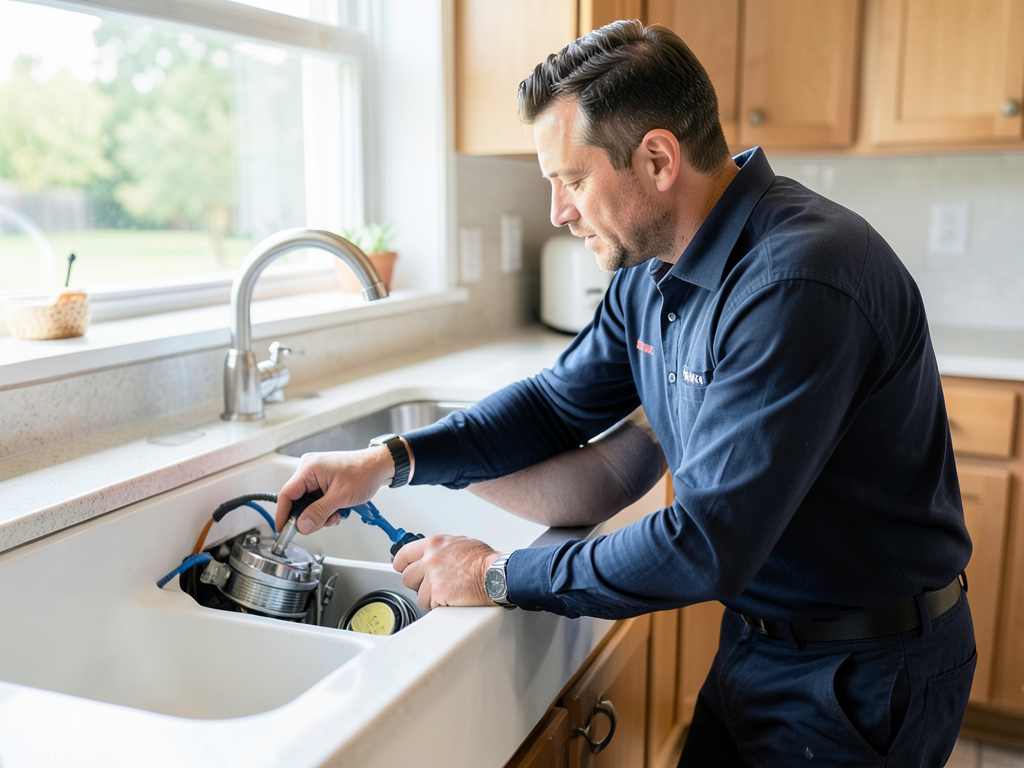

Plumbing Services in The Raleigh Area

We are proud to serve the entire Raleigh community and surrounding areas, bringing our trusted plumbing services directly to your doorstep. You can find our main office location on the map below. We are committed to providing fast response times and expert service, no matter where you are located within our service area. If you're unsure if we service your neighborhood, simply give us a call!

Address:
Ironwood Plumbing Raleigh, 4108 Atlantic Ave, Raleigh, NC, 27604

Additional Services We Offer

Our news updates

Latest Articles & News from The Blogs

Essential Tips for Maintaining Your Garbage Disposal During the Busy Holiday Season in Cary Your garbage disposal works hard year-round…

Essential Tips for Maintaining Your Garbage Disposal During the Busy Holiday Season in Cary

Essential Tips for Maintaining Your Garbage Disposal During the Busy Holiday Season in Cary Your garbage disposal works hard year-round…

Why Your Fridge Water Filter Might Be Slowing Down the Flow to Your Ice Maker

Why Your Fridge Water Filter Might Be Slowing Down the Flow to Your Ice Maker\n\nYour fridge is running slow and…

Designing a Laundry Room for Multi-Generational Living in Your Rolesville Property

Designing a Laundry Room for Multi-Generational Living in Your Rolesville Property Multi-generational living in Rolesville means creating spaces that work…

Contact Us

Business continuity starts with reliable plumbing infrastructure. Contact Ironwood Plumbing Raleigh at (984) 294-6422 to schedule a facility assessment. We deliver the capacity, code knowledge, and coordination your commercial property demands.