




Menu

Gas Line Repair & Installation in Raleigh – Safe, Code-Compliant Natural Gas Solutions for Your Home and Business

Ironwood Plumbing Raleigh delivers expert gas line repair, gas piping installation, and gas line replacement with meticulous attention to Raleigh's strict gas safety codes and permit requirements.

Slider Image 1
Slider Image 2
Slider Image 3
Slider Image 4
Slider Image 5
Slider Image 7
Slider Image 8
Slider Image 9
Slider Image 10
Slider Image 11

Why Gas Line Problems in Raleigh Demand Immediate Professional Attention

Natural gas powers thousands of homes across Raleigh, from the historic neighborhoods near Oakwood Cemetery to newer developments in North Hills. You rely on it for your furnace, water heater, stove, and dryer. But underground clay soil shifts in Wake County create stress on buried gas pipes, and older homes near downtown often contain outdated black iron piping that corrodes over time.

When you smell that distinctive sulfur odor, hear a hissing sound near your gas meter, or notice dead vegetation in a concentrated line across your yard, you are facing a gas leak. This is not a situation for DIY experimentation. Natural gas is combustible, and even a small leak creates an explosion risk and displaces oxygen in enclosed spaces.

Raleigh's building codes require licensed professionals for all gas line work. You cannot legally install, modify, or repair gas piping without proper permits and inspections. The City of Raleigh Development Services Department enforces these regulations because they save lives.

Gas line problems also appear when you add new appliances. Your existing gas piping may lack the capacity to support an additional tankless water heater or outdoor kitchen. Undersized pipes create low pressure, causing pilot lights to extinguish and burners to underperform.

Whether you need gas leak repair for an emergency, gas line replacement for aging infrastructure, or gas piping installation for a remodel, the work requires precision. One improper joint, one skipped pressure test, and you introduce danger into your property. Ironwood Plumbing Raleigh handles gas pipe repair with the seriousness it demands.

Why Gas Line Problems in Raleigh Demand Immediate Professional Attention
How Professional Gas Line Services Protect Your Raleigh Property

How Professional Gas Line Services Protect Your Raleigh Property

Gas line work is not plumbing in the traditional sense. It requires specialized knowledge of gas flow dynamics, pressure calculations, and flammable fuel regulations. We approach every gas piping installation and repair with a strict methodology that eliminates guesswork.

First, we calculate your BTU load. This determines how much gas your appliances consume and whether your existing supply line can handle additional demand. For new gas line installations, we size pipes according to the National Fuel Gas Code, accounting for pipe length, fittings, and elevation changes that affect pressure drop.

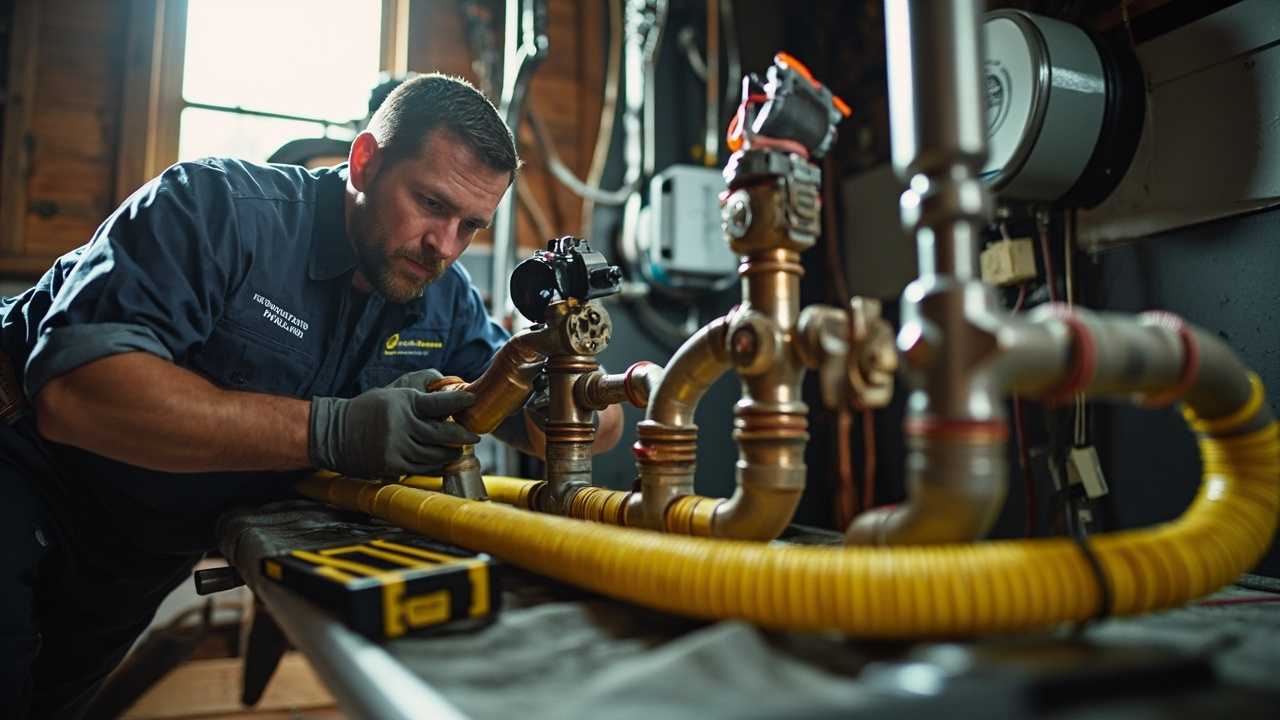
We use only approved materials. CSST (corrugated stainless steel tubing) offers flexibility for retrofit installations in finished spaces, while black iron pipe provides durability for outdoor runs and commercial applications. We bond CSST to your electrical grounding system per code requirements to prevent lightning-induced failure.

Every joint gets leak-tested. We pressurize the entire system to 15 psi and monitor for pressure loss over a minimum 15-minute period. This catches micro-leaks that soapy water alone might miss. Only after passing pressure testing do we purge the lines and restore gas service.

For gas leak repair, we use calibrated combustible gas detectors to pinpoint the exact leak location. This prevents unnecessary excavation and keeps costs down. Once we locate the fault, we expose the damaged section, cut out the compromised pipe, and install new fittings with proper thread sealant rated for natural gas.

Gas line replacement in older Raleigh homes often involves rerouting pipes to avoid foundation penetrations or running new supply lines through crawlspaces. We coordinate with the City of Raleigh for required permits and schedule inspections before concealing any work. This protects you legally and ensures the work meets current safety standards.

What Happens During Your Gas Line Service

Gas Line Repair & Installation in Raleigh – Safe, Code-Compliant Natural Gas Solutions for Your Home and Business
01

Safety Assessment and Planning

We start by shutting off gas at the meter and verifying zero gas flow to your appliances. Then we inspect your existing gas piping system, identify the service scope, and determine whether your project requires a permit from the City of Raleigh. For new installations, we calculate your total BTU demand and design a piping layout that meets code requirements for your specific appliances and property layout.
02

Precision Installation or Repair

We install gas pipe using proper threading techniques, approved sealants, and correct support spacing. For repairs, we isolate the damaged section and replace it with code-compliant materials. All joints are tightened to manufacturer torque specifications. We install drip legs at appliance connections to catch condensation and debris. Every penetration through walls or floors is sleeved and sealed to prevent gas migration into living spaces.
03

Testing and Final Inspection

After installation, we pressure-test the entire system and document the results. We verify zero pressure loss over the test period, then purge air from the lines before restoring gas service. We check each appliance connection with leak detection solution and verify proper operation. For permitted work, we coordinate the city inspection and provide you with documentation showing your gas system is safe and compliant.

Why Raleigh Homeowners Trust Ironwood Plumbing for Gas Line Work

Gas line work is not an area where you want to hire the cheapest bidder. You want someone who understands that Raleigh sits in Wake County, where soil conditions create unique challenges for underground utilities. The clay soil here retains moisture and shifts seasonally, putting stress on rigid piping. We account for this when routing new gas lines and use expansion fittings where appropriate.

We also navigate Raleigh's permitting process routinely. The City of Raleigh requires permits for new gas line installations, relocations, and extensions. We pull permits, submit plans when required, and schedule inspections so your project stays legal and insurable. Many homeowners discover unpermitted gas work when they try to sell their home, creating closing delays and liability exposure.

Our familiarity with local building codes extends to PSNC Energy requirements. Your gas meter location, regulator size, and service line capacity all factor into whether your planned gas piping installation will function correctly. We coordinate with PSNC when meter relocations or service upgrades are necessary, preventing delays and ensuring your new gas appliances receive adequate supply.

For older homes in neighborhoods like Boylan Heights or Cameron Park, we encounter outdated gas piping systems regularly. Many were installed decades ago using materials and methods no longer considered safe. We provide honest assessments about when repair is viable and when full gas line replacement is the safer choice.

Commercial clients appreciate our capacity to handle larger gas piping installations. Restaurants, medical facilities, and multi-family buildings require larger diameter pipes, more complex manifold systems, and higher BTU capacities. We size commercial gas systems correctly the first time, eliminating the costly callbacks that plague poorly planned installations.

Ironwood Plumbing Raleigh operates with transparency. We explain what we find, why it matters, and what your options are. Gas line work should never feel mysterious or rushed.

What You Can Expect From Our Gas Line Services

Fast Response for Gas Emergencies

If you smell gas or suspect a leak, call (984) 294-6422 immediately, then evacuate and contact PSNC Energy or 911. We respond quickly to gas leak repairs once the utility company secures the meter. For non-emergency gas line installations and replacements, we typically schedule service within a few business days. Complex projects involving permit coordination may require additional lead time for city approval, but we manage that process for you and keep you informed throughout.

Thorough Initial Evaluation

We begin every gas line project with a complete assessment of your current gas system. This includes measuring gas pressure at the meter, inspecting visible piping for corrosion or damage, and calculating whether your existing infrastructure can support new appliances. For gas leak repairs, we use electronic detection equipment to locate leaks without destructive exploration. We provide you with a clear explanation of what needs to happen, why it matters for safety, and what the project timeline looks like.

Code-Compliant Installation Quality

Every gas piping installation we complete meets or exceeds North Carolina state codes and local Raleigh amendments. You receive properly sized pipes, correct support spacing, approved materials, and documented pressure testing. We install shutoff valves at required locations, ensure adequate ventilation for gas appliances, and verify proper clearances from electrical components. The result is a gas system that passes inspection, operates safely, and supports your appliances reliably for years.

Ongoing Support and Documentation

After we complete your gas line work, you receive documentation of pressure testing results and copies of permit approvals and inspection records. This protects your property value and provides proof of compliant work if you sell your home. We remain available if you add appliances later or need modifications to your gas system. Because we document our installations thoroughly, we can return years later and know exactly how your system is configured and where pipes are routed.

Frequently Asked Questions

You Have Questions,
We Have Answers

How much does it cost to have a gas line repaired? +

Gas line repair costs vary based on leak location, pipe material, and access difficulty. Simple fitting repairs range lower, while excavation work or replacing corroded black iron pipe costs more. Raleigh homes with crawl spaces often see mid-range pricing, while slab foundations or heavily landscaped yards increase labor. Emergency after-hours service adds premium charges. Factors include linear footage, permit fees through Wake County, pressure testing requirements, and whether you need landscape restoration. Most repairs address leaking connections, damaged flex lines, or corroded fittings. Get multiple quotes and verify the contractor holds proper gas certification before starting work.

What is the cost of a gas line installation? +

Gas line installation pricing depends on distance from the meter, appliance type, and routing complexity. Running a line 20 feet for a gas range costs less than a 100-foot run for a pool heater or backup generator. Raleigh's clay soil can complicate trenching for exterior lines. Black iron pipe costs more upfront but lasts longer than CSST flexible gas line. Permit fees, inspection costs, and pressure testing add to the total. Multi-appliance installations qualify for better per-foot pricing. Complex routing through finished basements or around structural obstacles increases labor hours and final cost.

Do plumbers or HVAC run gas lines? +

Licensed plumbers handle most residential gas line work in Raleigh. Many plumbers hold specialized gas certifications required by North Carolina law. HVAC technicians sometimes run gas lines when installing furnaces or boilers, but they must carry the same gas fitting credentials. The key is certification, not the trade name. Verify your contractor holds a North Carolina gas piping license and pulls proper permits through Wake County. Raleigh building inspectors check credentials during inspections. Some companies employ both plumbers and HVAC techs who are cross-trained in gas work. Always confirm licensing before hiring.

How to fix a broken gas line? +

Never attempt DIY gas line repair. Shut off the gas meter immediately if you smell gas or hear hissing. Evacuate the home and call 911 if the odor is strong. Contact your gas utility to shut off service at the street. Licensed professionals use pipe dope or thread sealant rated for gas, perform pressure tests, and verify connections with leak detection solution. Repairs require proper torque specs, correct pipe sizing, and code-compliant materials. Raleigh inspectors mandate permits for gas work. Improper repairs cause explosions, carbon monoxide poisoning, and code violations that void homeowners insurance.

Does homeowners insurance cover gas line repairs? +

Homeowners insurance typically covers sudden, accidental gas line damage from events like vehicle impact, falling trees, or construction accidents. Gradual deterioration from age, corrosion, or deferred maintenance gets denied. Raleigh policies follow North Carolina standard exclusions for wear and tear. If a covered peril damages the line, both repair and resulting property damage may be covered. Document everything with photos and get a licensed plumber's assessment. Review your policy's equipment breakdown endorsement, which sometimes extends coverage. File claims promptly and keep all receipts for emergency shut-offs or temporary repairs.

Does a plumber fix a gas line? +

Yes, licensed plumbers repair and install gas lines as a core service. North Carolina requires specific gas fitting certification beyond standard plumbing licenses. Raleigh plumbers who work on gas systems complete specialized training in pressure testing, leak detection, and code compliance. They handle gas line repairs for leaks, corrosion, and damaged fittings. Verify your plumber pulls permits through Wake County and carries proper liability insurance for gas work. Many plumbing companies employ certified gas technicians who focus exclusively on fuel gas piping. Always confirm gas certification before hiring any contractor for line work.

Is it cheaper to replace or repair pipes? +

Replace pipes when corrosion affects multiple sections or the material is outdated. Single leak repairs cost less initially, but repeated failures in aging black iron pipe waste money. Raleigh homes built before 1990 often have corroded gas piping that needs full replacement. Calculate total cost over five years. If you face a second repair within 18 months, replacement usually makes financial sense. Modern CSST flexible gas line installs faster with less wall damage than patching old rigid pipe. Whole-home repiping avoids future emergency calls and adds resale value when upgrading outdated systems.

Do plumbers change gas pipes? +

Licensed plumbers routinely change gas pipes during repairs, remodels, and appliance upgrades. They replace corroded black iron with new steel pipe or flexible CSST line. Raleigh code requires permits and inspections when changing gas piping. Plumbers size new pipe correctly for BTU demand, maintain proper slope, support lines per code, and pressure test the system. Common replacements include upgrading undersized lines, rerouting pipes for kitchen renovations, or swapping damaged exterior lines. Verify your plumber holds North Carolina gas certification and pulls permits through Wake County before starting pipe replacement work.

Can I install a gas line myself? +

No. North Carolina law prohibits unlicensed individuals from installing, repairing, or modifying gas lines. Raleigh building codes require permits and inspections for all gas work. DIY gas line work voids homeowners insurance, creates life-threatening explosion risks, and exposes you to criminal penalties. Gas installations demand specialized knowledge of pressure calculations, proper pipe sizing, code-compliant materials, and leak testing procedures. One mistake causes carbon monoxide poisoning or catastrophic fires. Licensed professionals carry liability insurance and know Wake County inspection requirements. Attempting this work yourself endangers your family and neighbors. Always hire certified gas contractors.

Who puts gas lines in your house? +

Licensed plumbers or specialized gas contractors install residential gas lines in Raleigh. They must hold North Carolina gas fitting certification and pull permits through Wake County. These professionals calculate BTU loads, size pipe correctly, route lines per code, and coordinate utility meter connections. They install black iron pipe or CSST flexible line from the meter to appliances like furnaces, water heaters, ranges, and dryers. The gas utility company owns and installs the meter and service line from the street. Everything downstream of the meter is your responsibility and requires a certified contractor for safe, legal installation.

How Raleigh's Clay Soil Affects Underground Gas Line Integrity

Wake County sits on Triassic Basin clay soils that expand when wet and contract during dry periods. This seasonal movement creates stress on underground utilities, including buried gas pipes. Older black iron gas lines corrode faster in clay soil due to moisture retention and soil acidity. We see this frequently in established Raleigh neighborhoods where gas lines were installed 30 to 50 years ago. During gas line replacement projects, we often discover severely corroded pipes that were leaking small amounts of gas undetected. Proper depth, bedding material, and pipe protection become critical when installing new gas lines in Raleigh's soil conditions.

Raleigh enforces gas piping codes strictly because natural gas incidents have serious consequences. The City of Raleigh Development Services Department requires licensed contractors for all gas work, and inspections verify compliance before systems go live. Homeowners who attempt DIY gas line installations or hire unlicensed workers risk failed inspections, insurance claim denials, and dangerous living conditions. Local plumbing professionals understand Raleigh's specific permit requirements, inspection procedures, and code interpretations that differ subtly from other North Carolina municipalities. This local expertise prevents project delays and ensures your gas system is legal and safe.

Plumbing Services in The Raleigh Area

We are proud to serve the entire Raleigh community and surrounding areas, bringing our trusted plumbing services directly to your doorstep. You can find our main office location on the map below. We are committed to providing fast response times and expert service, no matter where you are located within our service area. If you're unsure if we service your neighborhood, simply give us a call!

Address:
Ironwood Plumbing Raleigh, 4108 Atlantic Ave, Raleigh, NC, 27604

Additional Services We Offer

Our news updates

Latest Articles & News from The Blogs

Essential Tips for Maintaining Your Garbage Disposal During the Busy Holiday Season in Cary Your garbage disposal works hard year-round…

Essential Tips for Maintaining Your Garbage Disposal During the Busy Holiday Season in Cary

Essential Tips for Maintaining Your Garbage Disposal During the Busy Holiday Season in Cary Your garbage disposal works hard year-round…

Why Your Fridge Water Filter Might Be Slowing Down the Flow to Your Ice Maker

Why Your Fridge Water Filter Might Be Slowing Down the Flow to Your Ice Maker\n\nYour fridge is running slow and…

Designing a Laundry Room for Multi-Generational Living in Your Rolesville Property

Designing a Laundry Room for Multi-Generational Living in Your Rolesville Property Multi-generational living in Rolesville means creating spaces that work…

Contact Us

Do not wait for a small gas leak to become an emergency. Call Ironwood Plumbing Raleigh at (984) 294-6422 for professional gas line repair, installation, and replacement services. We respond fast, work clean, and deliver code-compliant results you can trust.