





Menu

High Water Bills in Raleigh – Expert Leak Detection and Hidden Problem Diagnosis

We use precision leak detection technology and whole-system audits to pinpoint the exact source of sudden water bill spikes, stopping waste and preventing expensive damage before it escalates.

Slider Image 1
Slider Image 2
Slider Image 3
Slider Image 4
Slider Image 5
Slider Image 7
Slider Image 8
Slider Image 9
Slider Image 10
Slider Image 11

Why Your Water Bill Skyrocketed This Month

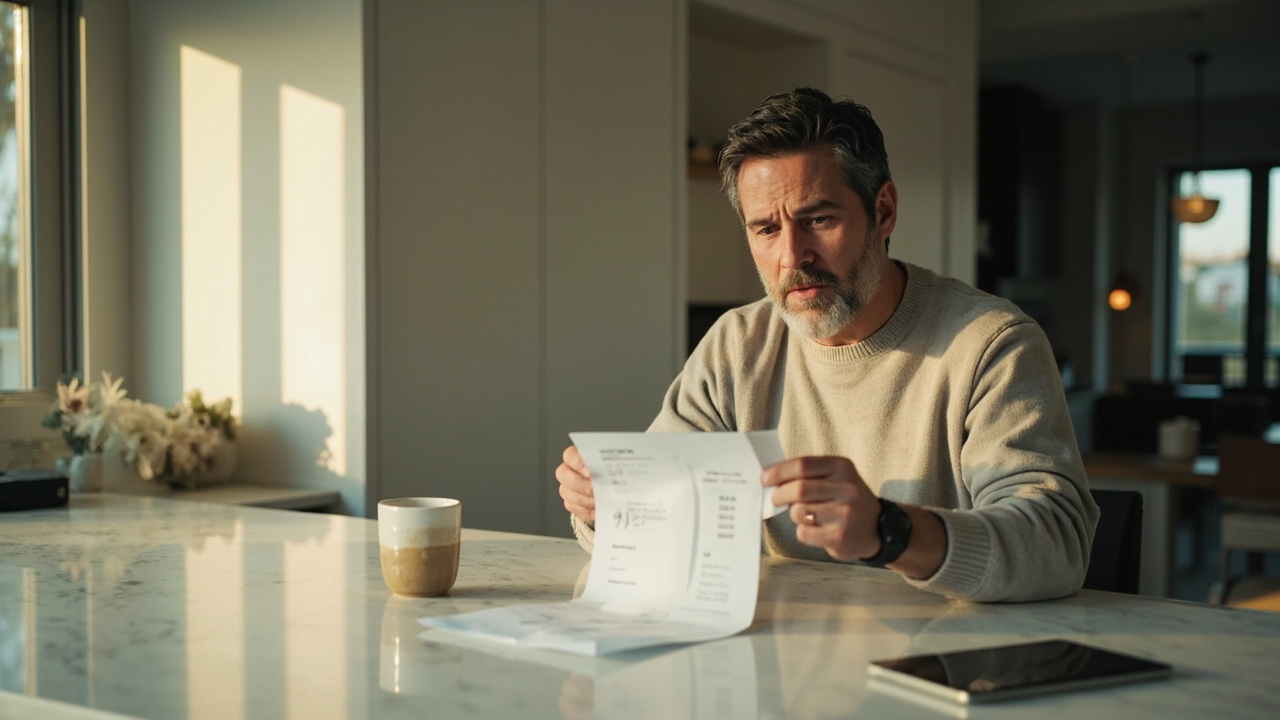
You opened your water bill and felt your stomach drop. The number was double, maybe triple what you normally pay. You have not changed your habits. No one is taking longer showers. The dishwasher runs the same amount. Yet here it is, an unexplained high water bill staring back at you.

This is not random. Something in your home is using water you are not aware of, and in Raleigh, the culprits are often invisible. Our clay-heavy soil shifts with seasonal rain and drought cycles, putting constant pressure on underground supply lines and sewer laterals. Micro-fractures develop in these pipes, leaking water silently into the ground for weeks before you see the damage on your statement.

Toilets are another common offender. A failing flapper valve can leak gallons per hour without making a sound. You flush normally, the bowl refills, and you have no idea your tank is continuously refilling in the background. Irrigation systems also cause problems. A single broken sprinkler head or cracked zone valve can run for hours during nighttime cycles, dumping hundreds of gallons into your yard while you sleep.

Raleigh's water is also hard, with high mineral content that accelerates wear on valve seats, washers, and seals. This speeds up the deterioration process in fixtures that might last longer in other regions. If your bill spiked suddenly, you have a leak, a stuck valve, or a malfunctioning appliance. The key is finding it before you pay for another month of waste.

Why Your Water Bill Skyrocketed This Month
How We Find the Hidden Leak Driving Up Your Bill

How We Find the Hidden Leak Driving Up Your Bill

We do not guess. We do not rely on visual inspections alone. Ironwood Plumbing Raleigh uses electronic leak detection equipment to isolate the problem, even when it is buried underground or hidden behind walls.

First, we perform a meter test. We shut off every fixture and appliance in your home and watch your water meter. If the dial is still moving, water is leaving your system somewhere. This confirms a leak exists and gives us a flow rate to work with. Next, we use acoustic listening devices to trace the sound of water moving through your pipes. Pressurized water makes a distinct frequency when it escapes through a crack or hole, and our equipment amplifies that signal so we can pinpoint the exact location without tearing up your walls or yard at random.

We also inspect your toilet tanks with dye tests. A few drops of food coloring in the tank will show up in the bowl within minutes if the flapper is leaking. This is the single most common cause of excessive water usage in residential homes, and it is completely silent. For irrigation systems, we pressurize each zone individually and look for soggy spots, unusually green patches, or pressure drops that indicate a break in the line.

Once we identify the source, we explain what failed, why it failed, and what the repair involves. You get a clear diagnostic report before any work begins. No surprises, no upselling. Just the fix you need to stop the bleeding on your water bill.

Our Water Bill Investigation Process

High Water Bills in Raleigh – Expert Leak Detection and Hidden Problem Diagnosis
01

Initial Meter Analysis

We start by testing your water meter with all fixtures off. This static test shows whether water is moving through your system when nothing should be running. If the meter spins, we know you have an active leak. We measure the flow rate to estimate how much water you are losing per hour, which helps prioritize the urgency of the repair.
02

Fixture and System Inspection

Next, we inspect every water-using fixture in your home. Toilets, faucets, washing machine hoses, water heater connections, and irrigation valves all get checked. We use acoustic sensors and thermal imaging to detect leaks behind walls or underground. For irrigation systems, we pressure-test each zone separately to isolate breaks in buried lines.
03

Repair and Verification

Once we locate the problem, we complete the repair and re-test the system. We run another meter test to confirm the leak is gone and the flow has stopped. You get a written summary of what we found, what we fixed, and what to monitor going forward. We also provide tips on how to catch future issues before they hit your wallet.

Why Raleigh Homeowners Trust Ironwood Plumbing for Water Bill Investigations

Raleigh's plumbing environment is unique. The combination of clay soil, seasonal humidity swings, and hard water creates conditions that accelerate pipe corrosion and joint failure. A plumber unfamiliar with these conditions might miss the signs of a slow underground leak or dismiss a mineral-clogged valve as normal wear.

We work exclusively in the Raleigh area. We know how Wake County's soil composition affects cast iron and PVC pipe longevity. We understand how the sudden temperature drops in January and February cause outdoor hose bibs to crack and leak internally. We have seen how older homes near downtown, built in the 1960s and 1970s, often have galvanized steel supply lines that corrode from the inside out, creating pinhole leaks that are almost impossible to detect without the right equipment.

Our technicians are trained on electronic leak detection, not just visual inspection. This means we can find problems that other companies miss. We invest in thermal imaging cameras, ground microphones, and pressure decay testing equipment because these tools give us answers faster and with less invasive diagnostics. You do not pay for exploratory demolition. You pay for targeted repairs based on accurate data.

We also understand the urgency. A skyrocketing water bill is not just frustrating, it is a financial burden. Every day you wait, you are paying for water you are not using. We prioritize water bill investigations because we know time matters. When you call, we respond quickly, and we come prepared with the tools to solve the problem on the first visit.

What Happens When You Call Ironwood Plumbing Raleigh

Fast Response Time

We know a high water bill is stressful, and every day you wait means more money wasted. We schedule most water bill investigations within 24 to 48 hours of your call. Our technicians arrive on time with diagnostic equipment ready to start the meter test and system inspection immediately. You do not wait days for answers. We identify the problem during the first visit in most cases, so you can make an informed decision about repairs right away.

Transparent Diagnostic Process

You get a full walkthrough of our diagnostic process before we start. We explain the meter test, show you how the leak detection equipment works, and answer any questions you have about what we are looking for. Once we find the issue, we show you the evidence. If it is a running toilet, you will see the dye in the bowl. If it is an underground leak, you will see the meter reading change when we isolate the zone. No guessing, no vague explanations.

Precision Repairs, Not Guesswork

Because we use electronic leak detection, we know exactly where the problem is before we touch a wrench. This means fewer repairs, less invasive work, and lower overall costs. We fix the root cause, not just the symptom. If your toilet flapper is worn out, we replace it with a high-quality part designed for Raleigh's hard water. If your supply line has a pinhole leak, we replace the damaged section, not the entire line unless it is necessary.

Follow-Up Verification and Monitoring Tips

After the repair, we re-test your system to confirm the leak is gone. We run another static meter test and check your fixtures to make sure everything is functioning correctly. Before we leave, we walk you through simple monitoring steps you can take to catch future problems early. We show you how to read your water meter, how to perform a basic toilet dye test, and what to look for in your irrigation system during startup each spring.

Frequently Asked Questions

You Have Questions,
We Have Answers

What runs your water bill up the most? +

Toilet leaks run up your water bill the most. A running toilet can waste 200 gallons per day. You won't hear it, but the flapper valve silently leaks water into the bowl. In Raleigh homes, outdoor irrigation systems are the second biggest culprit, especially during summer when lawns need more water. Leaking faucets and showerheads add up quickly too. A drip of one drop per second wastes over 3,000 gallons per year. Check your toilets first by adding food coloring to the tank. If color appears in the bowl without flushing, you have a leak.

What can cause a really high water bill? +

A hidden toilet leak causes most high water bills. The flapper valve fails silently, leaking hundreds of gallons daily. Underground pipe leaks waste water without visible signs. In Raleigh, clay soil shifts can crack slab foundation pipes, creating slow leaks you won't notice until the bill arrives. Irrigation system leaks are common during spring startup after winter dormancy. A running water softener stuck in regeneration mode drains continuously. Changed household routines like guests visiting, new appliances, or teenagers taking longer showers spike usage too. Check for running water when everything is off to identify leaks.

How can I detect hidden water leaks? +

Turn off all water fixtures and appliances in your home. Check your water meter and write down the numbers. Wait two hours without using any water. Check the meter again. If the numbers changed, you have a hidden leak. In Raleigh homes with crawl spaces, check for damp spots or mold smell underneath. Look for wet patches in your yard, especially near the water line path from the street. Listen for hissing sounds near toilets and water heaters. Check your water bill for unusual spikes. Most leaks hide in toilet flappers, underground pipes, or behind walls.

How much should a normal water bill be per month? +

Raleigh residents using City of Raleigh utilities pay tiered rates based on consumption. A typical single-family home uses 5,000 to 7,000 gallons monthly, costing $40 to $70 including sewer charges. Households with irrigation systems average 10,000 to 15,000 gallons during summer months. Your bill includes water, sewer, and stormwater fees. Check your past bills to establish your baseline usage. If you suddenly jump above your normal range without lifestyle changes, you have a leak. Wake County water rates differ slightly from city rates, so your location affects cost.

Why did my water bill go up $300? +

A $300 spike means you wasted thousands of gallons through a leak. A toilet flapper leak can add $200 to your bill monthly. An underground pipe break wastes massive volumes fast, especially if the leak runs for weeks undetected. In Raleigh, check if your irrigation system stuck on overnight. A broken sprinkler head or zone valve failure floods your yard and your bill. A failed water heater pressure relief valve drains continuously. Check your meter immediately. If it spins when everything is off, you need a plumber to locate and fix the leak before next month's bill arrives.

How do you tell if you have a water leak? +

Check your water meter when no water is running. If the meter dial moves or the flow indicator spins, water is leaking somewhere. Add food coloring to toilet tanks. If color appears in the bowl within 15 minutes without flushing, the flapper leaks. Walk your property and look for soggy spots, greener grass patches, or standing water. These signal underground leaks. Listen for running water sounds behind walls or under floors. In Raleigh homes with crawl spaces, shine a flashlight underneath for drips or puddles. Check water pressure. Sudden drops indicate pipe leaks. Monitor your bill for unexplained usage spikes.

What uses the most water in a house? +

Toilets use the most water in a house, accounting for 30 percent of indoor consumption. Older toilets use 3.5 to 7 gallons per flush compared to new 1.6 gallon models. Washing machines are second, using 15 to 40 gallons per load depending on age and efficiency. Showers consume 2.5 gallons per minute with standard heads. In Raleigh, outdoor irrigation dominates summer usage, often doubling your bill. A single sprinkler zone runs 3 to 5 gallons per minute. Dishwashers and bathroom faucets contribute less but add up with frequent use. Fix leaking toilets first for the biggest savings.

Is it cheaper to shower or bathe? +

Showers use less water than baths if you keep them under 10 minutes. A standard showerhead flows 2.5 gallons per minute. A 10-minute shower uses 25 gallons. A full bathtub holds 35 to 50 gallons. Install a low-flow showerhead that uses 2.0 gallons per minute to save more. In Raleigh homes with older plumbing, check if your showerhead exceeds 2.5 gallons per minute. You can test flow rate by timing how long it takes to fill a gallon bucket. Shorter showers with efficient heads beat baths every time for water conservation and lower bills.

Does AC affect water bills? +

No, your air conditioner does not affect your water bill. AC units cool air using refrigerant in a closed loop system. They produce condensate drainage from humidity removal, but that water comes from the air, not your plumbing. In Raleigh's humid climate, you'll see more AC condensate dripping outside during summer, but this costs nothing. If your water bill rises when you run AC, you have a separate plumbing leak that coincidentally started during cooling season. Check toilets, irrigation systems, and underground pipes. The AC timing is coincidence, not cause. Focus on finding hidden leaks instead.

Does insurance cover water leak damage? +

Homeowners insurance typically covers sudden, accidental water damage from burst pipes or failed appliances. Policies exclude damage from slow leaks, poor maintenance, or gradual seepage. If a pipe bursts and floods your home, insurance covers repairs to walls, floors, and belongings. It won't cover the plumbing repair itself or damage from a toilet that leaked for months unnoticed. In Raleigh, review your policy for sewer backup coverage, which requires a separate endorsement. Document damage immediately with photos. Insurance never covers your water bill charges from the leak. You pay that regardless of coverage.

How Raleigh's Clay Soil and Hard Water Accelerate Plumbing Failures

Raleigh sits on heavy clay soil that expands and contracts with moisture changes. During dry spells, the soil shrinks and pulls away from pipes. When it rains, the clay swells and pushes back against your plumbing. This constant movement stresses underground supply lines and sewer laterals, creating cracks and joint separations over time. The city's hard water, rich in calcium and magnesium, also corrodes metal components faster than soft water would. Valve seats, washers, and flappers wear out quicker, leading to the slow leaks that cause sudden spikes in your water bill.

Plumbers unfamiliar with Raleigh's conditions often misdiagnose these problems as normal aging or recommend full replacements when targeted repairs would work. Ironwood Plumbing Raleigh specializes in this environment. We understand how to inspect for soil-related pipe stress and how to identify mineral buildup that mimics other issues. Our technicians are trained to work within local building codes and are familiar with the plumbing systems common in Raleigh's older neighborhoods, from Mordecai to Oakwood. When you hire local expertise, you get accurate diagnostics and solutions that address the real cause of your unexpected water bill increase.

Plumbing Services in The Raleigh Area

We are proud to serve the entire Raleigh community and surrounding areas, bringing our trusted plumbing services directly to your doorstep. You can find our main office location on the map below. We are committed to providing fast response times and expert service, no matter where you are located within our service area. If you're unsure if we service your neighborhood, simply give us a call!

Address:
Ironwood Plumbing Raleigh, 4108 Atlantic Ave, Raleigh, NC, 27604

Additional Services We Offer

Our news updates

Latest Articles & News from The Blogs

Essential Tips for Maintaining Your Garbage Disposal During the Busy Holiday Season in Cary Your garbage disposal works hard year-round…

Essential Tips for Maintaining Your Garbage Disposal During the Busy Holiday Season in Cary

Essential Tips for Maintaining Your Garbage Disposal During the Busy Holiday Season in Cary Your garbage disposal works hard year-round…

Why Your Fridge Water Filter Might Be Slowing Down the Flow to Your Ice Maker

Why Your Fridge Water Filter Might Be Slowing Down the Flow to Your Ice Maker\n\nYour fridge is running slow and…

Designing a Laundry Room for Multi-Generational Living in Your Rolesville Property

Designing a Laundry Room for Multi-Generational Living in Your Rolesville Property Multi-generational living in Rolesville means creating spaces that work…

Contact Us

Call Ironwood Plumbing Raleigh at (984) 294-6422 to schedule a water bill investigation. We will find the leak, fix it fast, and give you peace of mind that your next bill will be back to normal.