




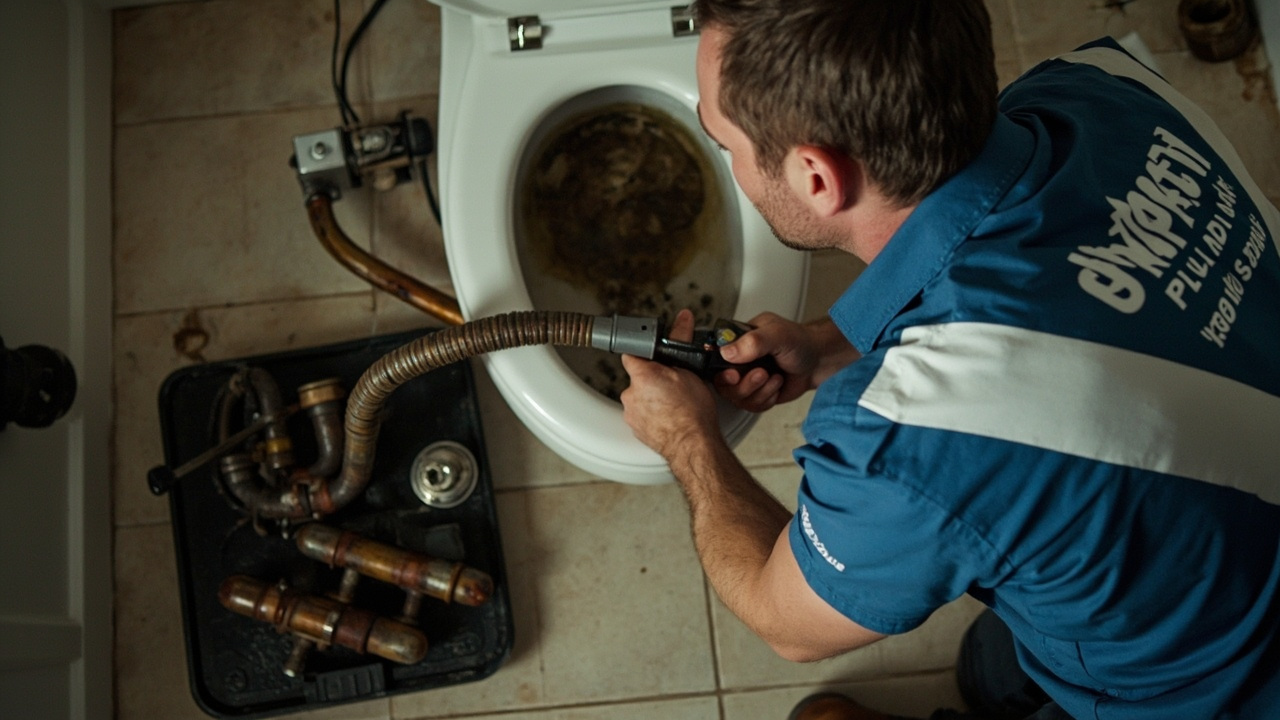
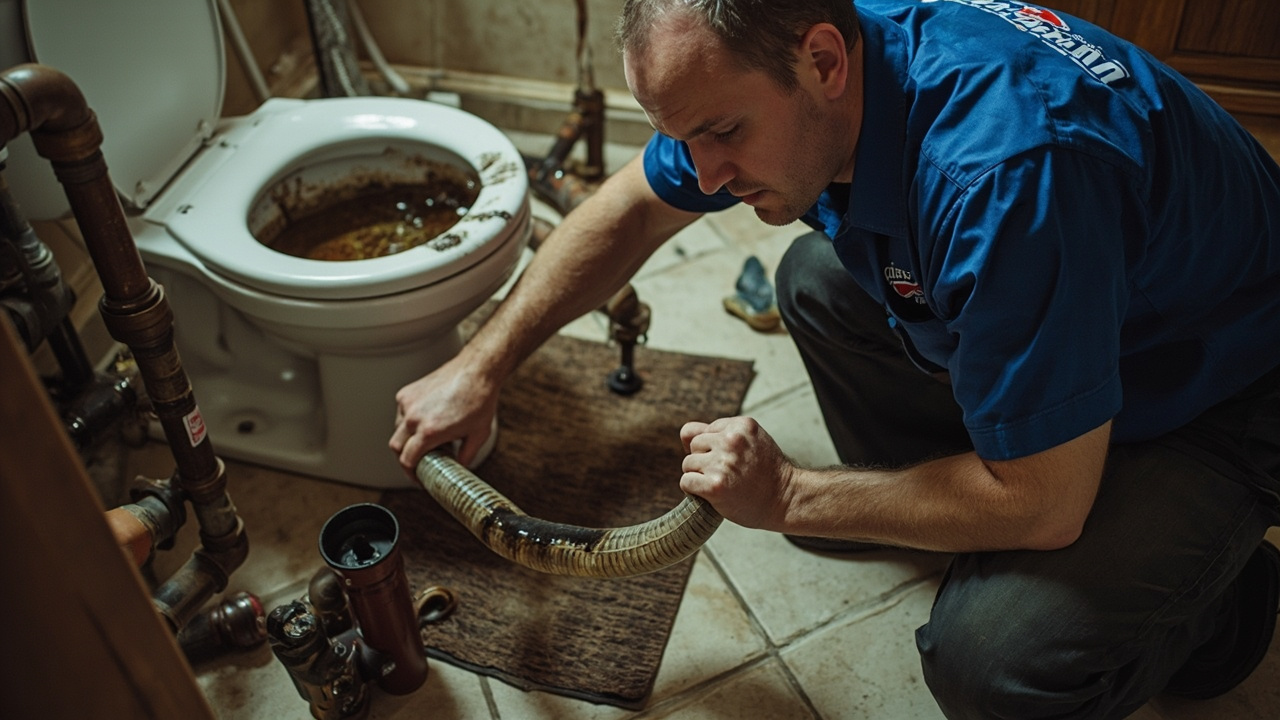
Raleigh sits in the Piedmont region where red clay soil expands and contracts with moisture changes. This seasonal movement stresses rigid sewer pipes, creating microfractures that tree roots exploit. The city's canopy of mature oaks, pines, and maples aggressively seeks water sources, especially during dry summers. Roots infiltrate sewer laterals through these tiny cracks, then expand inside the pipe, trapping debris until flow stops completely. Neighborhoods with older infrastructure like Cameron Park and Budleigh face higher failure rates because original clay tile and cast iron lines are more vulnerable than modern PVC.
Raleigh operates under the North Carolina Plumbing Code, which mandates specific cleanout placement and venting requirements that affect how we access and clear blocked lines. Local expertise matters because every home built before 1985 has different piping materials and layouts than new construction in places like Falls River or Bedford at Falls. We know where cleanouts are typically located in mid-century ranch homes versus 1920s bungalows. We understand how Raleigh's combined sewer areas in downtown can cause backflow during heavy storms. This knowledge speeds up diagnosis and prevents damage to your property during emergency clearing.