




Menu

Trenchless Sewer Repair in Raleigh – Minimal Disruption to Business Operations

Ironwood Plumbing Raleigh delivers commercial-grade CIPP sewer repair and trenchless pipe lining that eliminates excavation delays, protects your property, and keeps your facility operational while we restore full sewer function.

Slider Image 1
Slider Image 2
Slider Image 3
Slider Image 4
Slider Image 5
Slider Image 7
Slider Image 8
Slider Image 9
Slider Image 10
Slider Image 11

Why Commercial Sewer Failures in Raleigh Demand Immediate, Non-Invasive Solutions

Sewer line failure in a commercial facility does not wait for convenient timing. In Raleigh, where the Triangle economy depends on uninterrupted business operations, a collapsed or blocked mainline can shut down restaurants, medical offices, retail centers, and manufacturing plants within hours. The traditional repair approach requires excavating parking lots, tearing up landscaping, and closing portions of your property for days or weeks. That means lost revenue, customer complaints, health code violations, and potential liability claims.

Raleigh's clay-heavy soil compounds the problem. The expansive clay common throughout Wake County shifts with moisture changes, placing constant lateral pressure on aging cast iron and clay pipe systems. When these lines crack or collapse, the standard dig-and-replace method requires extensive trenching through unstable soil, often destabilizing surrounding infrastructure. For commercial properties near downtown or along Glenwood Avenue, Capital Boulevard, and other high-traffic corridors, excavation also means dealing with municipal permitting delays, traffic control requirements, and coordination with adjacent businesses.

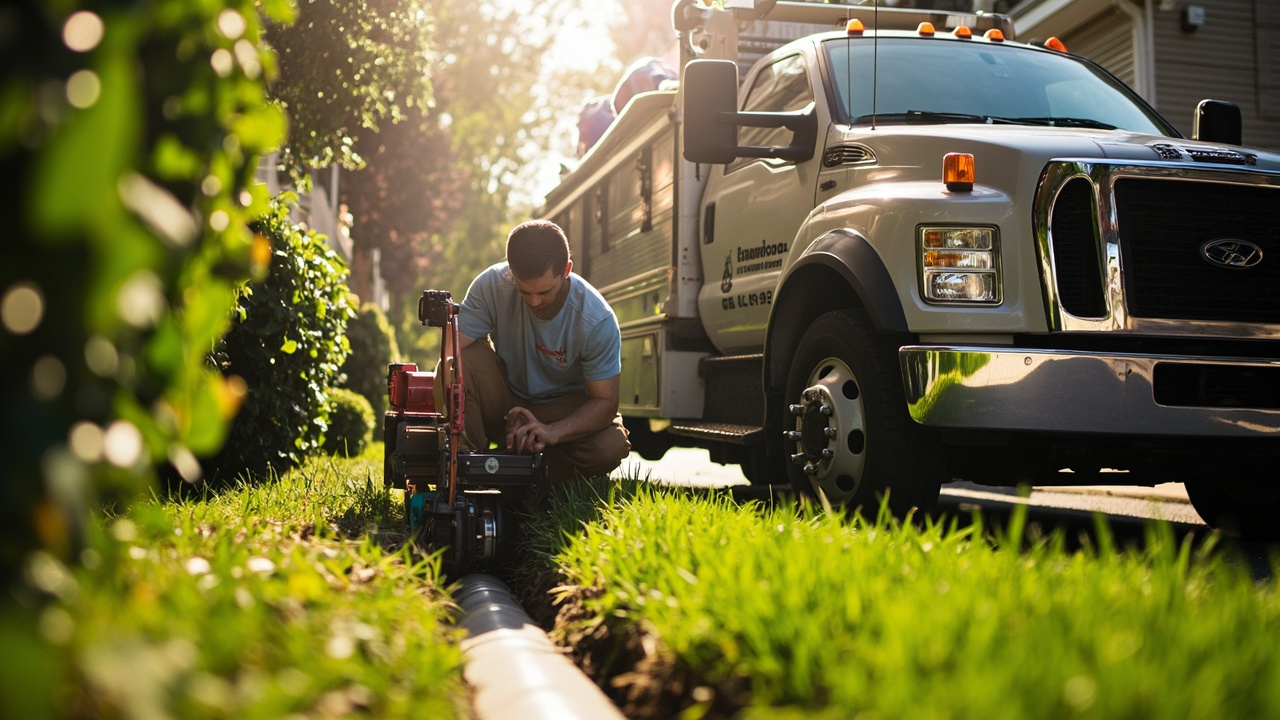
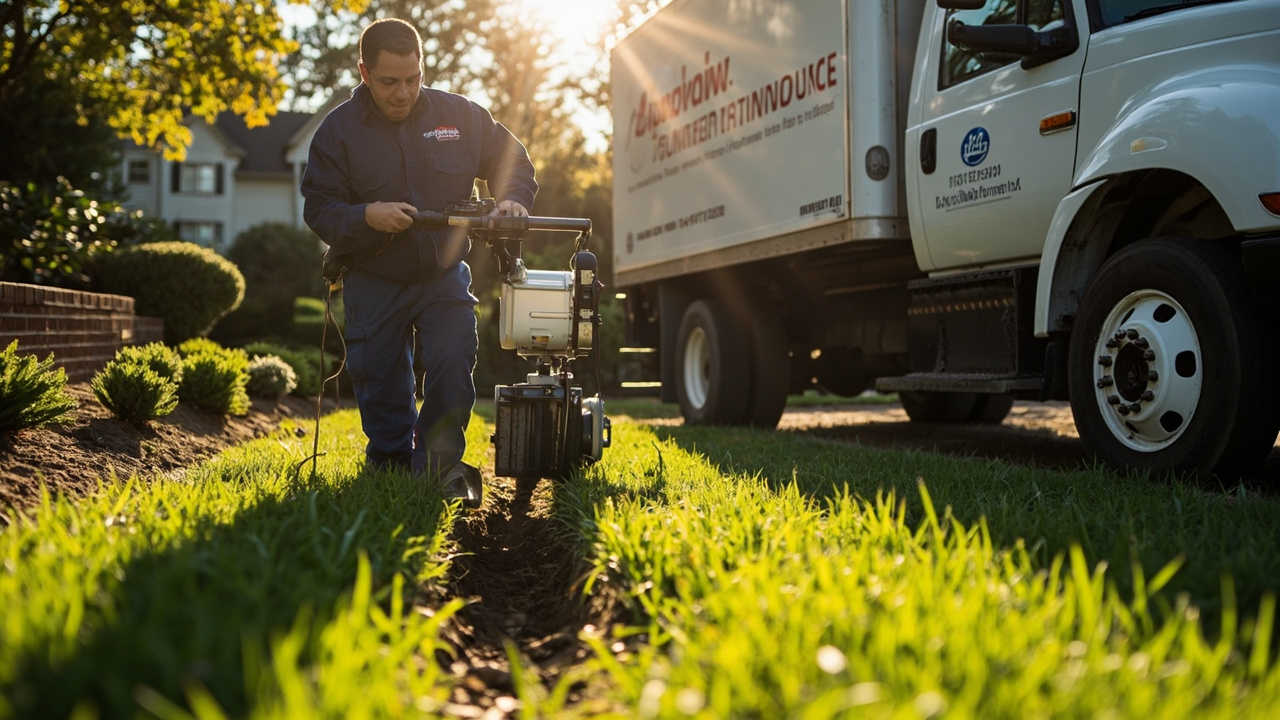
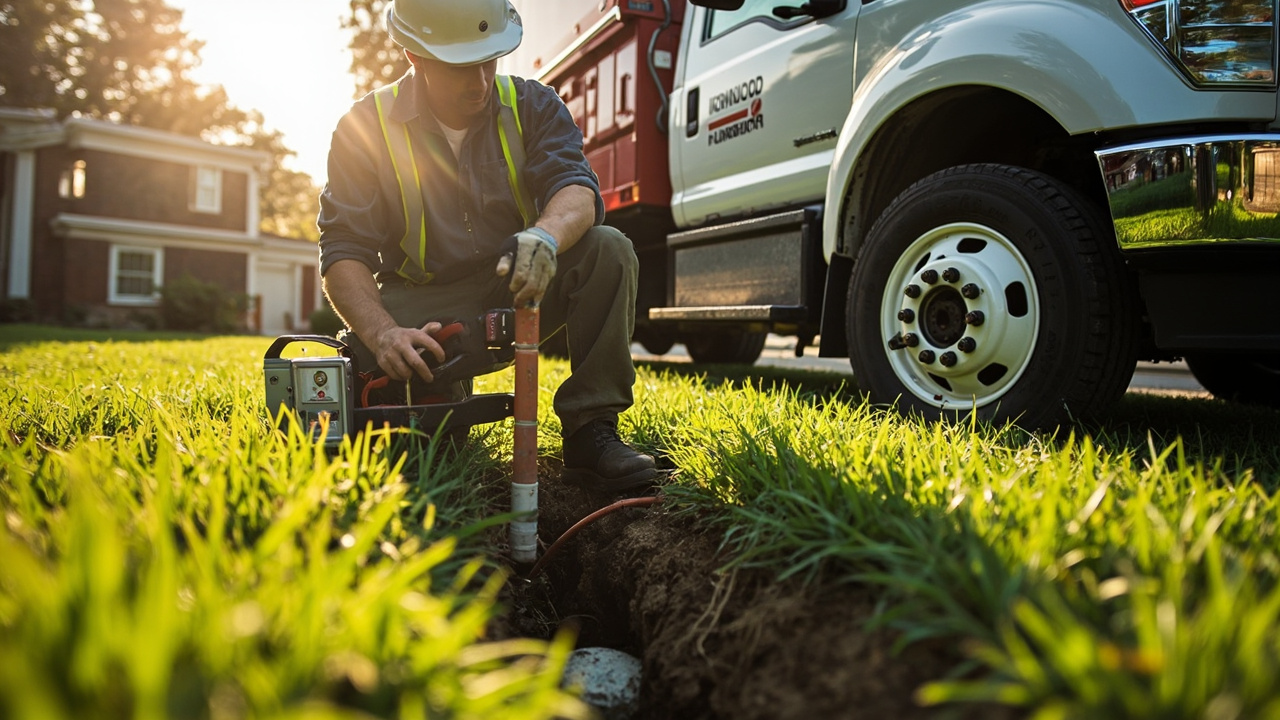
Trenchless sewer repair eliminates these complications. No-dig sewer repair technologies like CIPP sewer repair and trenchless pipe lining allow us to restore your sewer system from two small access points, leaving your parking lot, landscaping, and daily operations intact. Trenchless pipe rehabilitation is not experimental. It is the current industry standard for commercial facilities that cannot afford downtime, and it is the only logical solution when excavation costs exceed the value of the repair itself.

Why Commercial Sewer Failures in Raleigh Demand Immediate, Non-Invasive Solutions
How Trenchless Pipe Rehabilitation Works for Commercial Applications

How Trenchless Pipe Rehabilitation Works for Commercial Applications

Trenchless sewer replacement is not a patch job. It is a full structural rehabilitation that creates a new pipe inside the existing damaged line. The process begins with a high-resolution sewer camera inspection to map every crack, offset joint, root intrusion, and corrosion zone in your system. We measure pipe diameter, document flow angles, and identify the exact cause of the failure. This diagnostic phase is non-negotiable for commercial work because guessing leads to failed repairs and repeat service calls.

Once we have a complete condition assessment, we select the appropriate trenchless method. For lines with isolated damage, we use sectional CIPP lining to target specific problem areas without relining the entire system. For full-length failures, we deploy pull-in-place or inversion CIPP systems that coat the entire interior with a resin-saturated felt liner. The liner conforms to the existing pipe, then cures under heat or UV light to form a seamless, corrosion-resistant barrier. The result is a pipe within a pipe that meets or exceeds the structural strength of new PVC, with a service life of 50 years or more.

Trenchless pipe lining also works in active flow conditions. We do not need to shut down your entire facility. In most cases, we can isolate sections, redirect flow temporarily, and complete the cure process in hours rather than days. For high-capacity commercial systems, we coordinate the work during low-demand periods to avoid impacting customers or tenants. The process generates minimal noise, no heavy equipment staging, and zero landscape destruction. You maintain access to your facility, and your customers see no evidence of major plumbing work.

What Happens During a Commercial Trenchless Sewer Repair

Trenchless Sewer Repair in Raleigh – Minimal Disruption to Business Operations
01

Diagnostic Camera Inspection

We deploy a high-definition sewer camera through existing cleanouts or access points to document the exact location and severity of all defects. The camera records pipe diameter, joint conditions, root penetration depth, and structural integrity. You receive a time-stamped video report showing the interior condition of your sewer system, which serves as documentation for insurance claims, compliance audits, and future maintenance planning.
02

Liner Installation and Curing

After cleaning the line with hydro-jetting to remove debris and biofilm, we saturate the felt liner with epoxy resin and position it inside the damaged pipe using air inversion or mechanical pull-through methods. The liner inflates to match the pipe's interior diameter, then cures under controlled heat or UV light. The curing process creates a rigid, watertight pipe that bonds to the host pipe and eliminates all cracks, leaks, and joint separations.
03

Final Inspection and Handoff

Once the liner cures, we perform a final camera pass to verify complete adhesion, confirm proper reinstatement of lateral connections, and document the finished installation. You receive a post-installation video, material certifications, and a detailed service report that meets municipal and insurance documentation standards. The system is returned to full service immediately, with no curing delays or restricted-use periods. Your business resumes normal operations the same day.

Why Raleigh Commercial Facilities Choose Ironwood Plumbing for Trenchless Solutions

Commercial sewer repair is not residential work scaled up. It requires different equipment, different materials, and a different understanding of flow dynamics, code compliance, and liability management. Ironwood Plumbing Raleigh specializes in commercial trenchless applications because we understand what is at stake when a business loses sewer capacity. We do not operate on residential timelines. We coordinate with your facility manager, schedule work during off-hours if needed, and complete installations with minimal impact to your tenants or customers.

Our familiarity with Raleigh's commercial infrastructure gives us a strategic advantage. We know the permitting requirements for properties in downtown Raleigh's Historic Districts, where excavation often requires archaeological monitoring and Traffic Control Plan approval. We understand the pipe materials common to buildings constructed during Raleigh's post-war expansion in the 1950s and 1960s, when cast iron and Orangeburg pipe were standard. We know which trenchless methods work in the high-water-table conditions near Crabtree Creek, Walnut Creek, and the Neuse River corridor.

We also carry the commercial liability coverage and workers' compensation insurance required for work on occupied business properties. You are not hiring a residential plumber trying to handle a commercial job. You are hiring a commercial-grade contractor with the equipment, training, and insurance structure to handle facilities with high occupancy, complex plumbing systems, and strict regulatory oversight. That distinction matters when you are managing risk for a multi-tenant building, a medical facility, or a food service operation under health department scrutiny.

What to Expect from a Commercial Trenchless Sewer Repair in Raleigh

Rapid Mobilization and Minimal Downtime

Commercial sewer failures do not follow a convenient schedule. We maintain commercial-grade trenchless equipment on standby and can deploy to your facility within hours of your call. Most commercial CIPP installations are completed in one to three days, depending on pipe length and access conditions. We coordinate work schedules around your business hours, perform installations during nights or weekends if required, and return your system to full capacity with zero excavation delays. You avoid the multi-week timelines associated with traditional dig-and-replace methods, and your facility remains accessible to customers and tenants throughout the repair process.

Comprehensive Pre-Repair Assessment

We do not quote trenchless work without a camera inspection. Our assessment includes a full-length video inspection of your mainline and lateral connections, hydrostatic testing to confirm structural integrity, and flow analysis to verify capacity under peak-demand conditions. You receive a written report documenting all defects, recommended repair methods, and projected service life for the rehabilitated system. This documentation satisfies insurance requirements, supports capital planning decisions, and provides a defensible record if future disputes arise over system performance or compliance with municipal codes.

Engineered, Code-Compliant Installations

All trenchless installations meet or exceed North Carolina Plumbing Code standards and ASTM specifications for CIPP materials. We use only NSF-certified resins approved for potable water contact, and all installations are performed by technicians trained in NASSCO PACP protocols. The finished liner provides a smooth, jointless interior that improves flow capacity, eliminates infiltration and exfiltration, and resists root intrusion. The installation comes with material certifications, cure reports, and post-installation camera documentation that satisfies building inspectors, insurance underwriters, and environmental compliance auditors.

Long-Term Performance Documentation

Trenchless pipe rehabilitation is not a temporary fix. CIPP liners carry a projected service life of 50 years under normal commercial use, and the installation does not degrade with exposure to typical wastewater chemistry. We provide you with a complete service file that includes pre-repair video, post-installation video, material certifications, and a maintenance log. This documentation supports asset management planning, helps you schedule future inspections, and provides a clear record of system condition for property sales, refinancing, or insurance renewals. You are not left guessing about the condition of your underground infrastructure.

Frequently Asked Questions

You Have Questions,
We Have Answers

Is trenchless sewer repair worth it? +

For commercial properties in Raleigh, trenchless sewer repair delivers strong ROI. You avoid business disruption, parking lot destruction, and costly landscape restoration. The method reduces downtime to hours instead of days, maintaining revenue flow. Raleigh's clay soil makes traditional excavation challenging and expensive due to soil instability and potential foundation issues. Trenchless methods eliminate these risks while meeting North Carolina building codes. The initial cost premium pays back through minimal operational interruption, preserved property aesthetics, and reduced liability exposure. For properties in high-traffic areas or Historic Districts where excavation permits are complex, trenchless becomes the financially rational choice.

What are the disadvantages of trenchless pipe lining? +

Trenchless pipe lining has specific limitations commercial operators must consider. The method requires existing pipe integrity, not total collapse. You need adequate pipe diameter for equipment access, making it unsuitable for severely offset or crushed lines. Root intrusion must be cleared first, adding prep costs. The process reduces internal pipe diameter slightly, potentially affecting flow capacity in high-volume commercial systems. In Raleigh's older commercial districts, severely deteriorated cast iron or Orangeburg pipes may not qualify. Accurate camera inspection determines candidacy. Some insurance policies require traditional excavation for claim documentation. Consider these factors during feasibility assessment before committing to trenchless methodology.

Does homeowners insurance cover sewage line repairs? +

Most commercial property policies exclude sewer line repairs unless damage results from a covered peril like sudden pipe burst or foundation shift. Standard policies rarely cover gradual deterioration, root intrusion, or maintenance failures. Review your specific policy endorsements. In Raleigh, clay soil movement can cause sudden line failure, which may qualify for coverage if documented properly. Commercial policies differ significantly from residential coverage. Your insurer typically requires camera inspection documentation, contractor estimates, and proof the damage was sudden and accidental. Keep detailed maintenance records showing routine inspection compliance. This documentation strengthens claims and demonstrates due diligence, reducing denial risk.

How long does a trenchless sewer line last? +

Trenchless sewer repair using cured-in-place pipe lining typically lasts 50 to 70 years when properly installed. The epoxy resin creates a seamless, corrosion-resistant pipe within your existing line. This longevity rivals or exceeds new PVC installations. In Raleigh, where soil movement and tree root intrusion challenge traditional pipes, the jointless design eliminates common failure points. The cured liner resists chemical corrosion from commercial waste streams and handles temperature fluctuations without degradation. Proper installation requires certified technicians and quality materials. Expect decades of reliable service with minimal maintenance. This lifespan makes trenchless repair a sound long-term capital investment for commercial property portfolios.

How much to replace 20 ft of sewer line? +

Sewer line replacement costs vary based on depth, access, soil conditions, and method. Traditional excavation in Raleigh ranges significantly per linear foot due to clay soil challenges and potential permit requirements. Trenchless methods cost more per foot upfront but eliminate restoration expenses. For 20 feet, factor in connection points, cleanout installation, and code compliance inspections. Commercial properties face additional costs for traffic control, business disruption mitigation, and after-hours work premiums. Depth dramatically affects pricing, as Raleigh's commercial lines often run deeper than residential systems. Request detailed estimates comparing both methods, including all restoration and downtime costs for accurate financial comparison.

Do plumbers recommend sewer liners? +

Professional plumbers recommend sewer liners for specific applications where excavation creates excessive disruption or cost. The technology works well for structurally sound pipes needing rehabilitation. Commercial plumbers assess your pipe condition through camera inspection before recommending liners. In Raleigh's commercial zones, where excavation disrupts customer access and damages expensive hardscaping, liners provide practical solutions. Quality contractors follow manufacturer specifications and industry standards for installation. The method requires specialized equipment and training. Not all plumbing companies offer trenchless services. Ask about certification, experience with commercial installations, and warranty coverage. Reputable plumbers provide honest assessments about whether your specific situation suits liner technology or requires traditional replacement.

What is the cheapest way to replace a sewer line? +

The cheapest upfront method is often traditional excavation with PVC replacement, but this ignores total project costs. Factor in landscape restoration, pavement repair, business downtime, and permit fees. In Raleigh, excavation costs escalate quickly due to clay soil, potential foundation issues, and strict commercial site regulations. For shallow, easily accessible lines in open areas, traditional methods may cost less overall. However, trenchless repair often proves more economical when accounting for operational disruption and restoration expenses. The cheapest approach depends on your specific site conditions, pipe depth, and business continuity requirements. Request comprehensive quotes comparing all costs, not just installation labor and materials.

What is the average cost of pipe relining? +

Pipe relining costs vary based on diameter, length, depth, and access difficulty. Commercial projects typically involve larger diameter pipes and more complex configurations than residential work. Raleigh's commercial properties often require after-hours scheduling to minimize business impact, affecting pricing. Per-foot costs decrease with longer runs due to mobilization efficiency. Factor in required camera inspection, pipe cleaning, root removal, and post-installation verification. Clay soil conditions and depth do not dramatically affect relining costs like they do excavation pricing, making trenchless more predictable for budgeting. Request itemized estimates showing preparation work, materials, installation, and testing separately. Compare total project costs including avoided restoration expenses for accurate financial analysis.

What's better, a French drain or a trench drain? +

French drains and trench drains serve different purposes and are not interchangeable. French drains handle subsurface groundwater through perforated pipe in gravel beds, ideal for foundation drainage and yard water management. Trench drains capture surface water through grated channels, used in parking lots, loading docks, and commercial entryways. In Raleigh's high-rainfall climate, commercial properties often need both systems working together. Clay soil creates drainage challenges requiring proper system design. The better choice depends on your water management problem. Surface pooling requires trench drains. Foundation moisture or slope drainage needs French drains. Consult drainage specialists to specify the correct system for your commercial property's specific conditions.

What is the average lifespan of a sewer line? +

Traditional sewer line lifespan depends on material. Cast iron lasts 50 to 75 years but corrodes internally. Clay pipe survives 50 to 60 years but cracks from root intrusion and soil movement. PVC lasts 100-plus years under ideal conditions. Orangeburg pipe, found in some older Raleigh commercial buildings, deteriorates in 30 to 50 years. Raleigh's expansive clay soil accelerates joint separation and pipe offset, reducing expected lifespan. Commercial properties with high-volume waste discharge face shorter lifespans due to chemical exposure and flow stress. Regular camera inspections identify deterioration before catastrophic failure. Proactive replacement or relining before complete failure reduces emergency repair costs and business disruption risk.

Why Raleigh's Clay Soil Makes Trenchless Sewer Repair the Smarter Commercial Choice

Raleigh sits on expansive clay soil that swells during wet periods and contracts during drought. This constant movement places lateral pressure on rigid pipe materials like cast iron, clay, and early PVC, causing joint separation, pipe deflection, and eventual collapse. Excavating through this soil to replace sewer lines is expensive, time-consuming, and risks destabilizing adjacent structures. Trenchless pipe lining eliminates the need to disturb the soil, reducing project costs and preventing secondary damage to parking lots, foundations, and underground utilities. For commercial properties along the I-440 corridor, downtown Raleigh, and areas near North Hills, trenchless methods provide a faster, less disruptive solution that avoids the permitting delays and traffic control requirements associated with major excavation.

Ironwood Plumbing Raleigh operates under full commercial licensing and maintains the insurance coverage required for work on multi-tenant buildings, medical facilities, and food service operations. We understand the regulatory environment in Wake County, including the stormwater management requirements enforced by the City of Raleigh and the sewer use ordinances that govern commercial discharges. Our technicians are trained in confined space entry protocols, OSHA safety standards, and the documentation requirements for projects subject to municipal inspection. When you hire us for trenchless sewer repair, you are working with a contractor who understands the compliance landscape and can navigate the permitting process without delaying your project.

Plumbing Services in The Raleigh Area

We are proud to serve the entire Raleigh community and surrounding areas, bringing our trusted plumbing services directly to your doorstep. You can find our main office location on the map below. We are committed to providing fast response times and expert service, no matter where you are located within our service area. If you're unsure if we service your neighborhood, simply give us a call!

Address:
Ironwood Plumbing Raleigh, 4108 Atlantic Ave, Raleigh, NC, 27604

Additional Services We Offer

Our news updates

Latest Articles & News from The Blogs

Essential Tips for Maintaining Your Garbage Disposal During the Busy Holiday Season in Cary Your garbage disposal works hard year-round…

Essential Tips for Maintaining Your Garbage Disposal During the Busy Holiday Season in Cary

Essential Tips for Maintaining Your Garbage Disposal During the Busy Holiday Season in Cary Your garbage disposal works hard year-round…

Why Your Fridge Water Filter Might Be Slowing Down the Flow to Your Ice Maker

Why Your Fridge Water Filter Might Be Slowing Down the Flow to Your Ice Maker\n\nYour fridge is running slow and…

Designing a Laundry Room for Multi-Generational Living in Your Rolesville Property

Designing a Laundry Room for Multi-Generational Living in Your Rolesville Property Multi-generational living in Rolesville means creating spaces that work…

Contact Us

If your commercial facility is experiencing sewer backups, slow drains, or foul odors, you need a camera inspection and a repair plan that does not halt business operations. Call Ironwood Plumbing Raleigh at (984) 294-6422 for a same-day assessment and a transparent quote on trenchless solutions.