




Raleigh sits in the Piedmont region where expansive clay soil creates constant pressure on underground pipes and sewer lines. The soil swells when wet and shrinks during dry spells, shifting pipes and creating cracks that lead to leaks and backups. Many neighborhoods around Cameron Village, Oakwood, and Five Points contain homes built between the 1920s and 1950s with original galvanized pipes now reaching end of life.
The area's hot, humid summers accelerate corrosion inside water heaters and cause condensation issues that damage fixtures and cabinets. Raleigh's hard water contains high mineral content that builds up inside pipes, reducing water pressure and clogging aerators. Winter freezes hit quick here, and homes without proper insulation face burst pipe risks when temperatures drop below 28 degrees.
The city's rapid growth means constant stress on aging municipal infrastructure. Pressure fluctuations from new developments affect older homes, causing fixture failures and valve problems. Tree roots from Raleigh's abundant oaks and pines infiltrate sewer lines, creating persistent backup issues that require professional cleaning and sometimes line replacement. Understanding these local conditions matters when diagnosing problems and recommending lasting solutions.
Ironwood Plumbing Raleigh built its reputation on honest pricing and permanent fixes. We dispatch licensed plumbers who diagnose the root cause instead of applying temporary patches. When we say the job will cost a specific amount, that's what you pay. No surprise fees, no upselling unnecessary services, no pressure tactics.
Our technicians carry fully stocked trucks with commercial-grade parts and equipment. This means we complete most repairs in a single visit instead of making you wait days for parts to arrive. We stock fixtures and materials sized correctly for Raleigh's typical residential and commercial applications, from standard PEX connections to cast iron pipe sections for historic home repairs.
We answer our phones 24/7 because plumbing emergencies don't wait for business hours. When you call at 2 AM with a flooded basement, a real person answers and dispatches a technician to your location. We provide accurate arrival windows and call ahead so you're not left guessing when help will arrive.
Every plumber on our team holds a North Carolina license and completes ongoing training on current code requirements and new installation techniques. We pull permits for work that requires inspection and coordinate with city officials to ensure everything meets Raleigh's building standards. Our warranty covers both parts and labor, protecting you if any issue reoccurs after we complete the work.
We serve residential and commercial clients across the Triangle. Whether you manage apartment complexes near NC State or own a historic bungalow in Mordecai, we understand the specific plumbing configurations and challenges your property faces. Our experience with Raleigh's building stock means faster diagnosis and smarter solutions that last.

We dispatch technicians within 60 minutes for emergency calls across Raleigh. Our trucks stay stocked with the parts needed for common repairs, so we fix most problems during the first visit. No waiting days for parts orders or return appointments. We stop leaks, clear clogs, and restore water service fast.

You get the total cost before any work starts. We diagnose the problem, explain your options, and provide a firm price that includes parts and labor. No hourly billing that drags on. No surprise charges when the job finishes. The quote we give is the price you pay.
Every technician we send holds a valid North Carolina plumbing license and carries liability insurance. We pull permits for installations and renovations, ensuring your work meets city code requirements. Our plumbers complete continuing education on current standards and new techniques, bringing expert knowledge to every job.
We work across Raleigh's diverse neighborhoods daily, from historic districts with old cast iron systems to new construction with modern PEX installations. Our experience with local clay soil conditions, hard water issues, and aging infrastructure helps us diagnose problems faster and recommend solutions that last in this climate.
Ironwood Plumbing Raleigh handles every plumbing need for residential and commercial clients across the Triangle. Our technicians respond to burst pipe emergencies at 3 AM, install new water heaters in older homes with tricky access, and replace corroded sewer lines without destroying your landscaping.
We separate our services into three core areas based on urgency and project scope. Emergency repairs get immediate dispatch for problems causing active damage or loss of water service. Planned installations and upgrades happen on scheduled appointments when you're ready to replace aging equipment or renovate spaces. Maintenance and inspection services help catch small problems before they become expensive emergencies.
Each service category requires different expertise and equipment. Our emergency technicians carry diagnostic tools and common repair parts for quick fixes. Installation crews bring specialized equipment for water heater replacement, repiping projects, and fixture upgrades. Maintenance visits focus on inspection, testing, and preventive work that extends system life. This structured approach ensures you get the right technician with the right tools for your specific situation.
When pipes burst, sewers back up, or water heaters fail, we dispatch licensed plumbers immediately. Our emergency service covers burst pipes, sewer backups, gas leaks, failed water heaters, clogged drains causing flooding, and fixture failures that shut down bathrooms or kitchens. We arrive within 60 minutes across Raleigh, stop the damage, and complete permanent repairs. Every emergency truck carries leak detection equipment, drain cleaning cables, pipe repair materials, and common replacement parts.
We handle planned projects on your schedule. This includes water heater replacement for failed or inefficient units, whole-house repiping to eliminate old galvanized pipes, fixture installation for kitchen and bathroom renovations, sump pump installation for wet basements, and gas line installation for appliances. We coordinate with your timeline, pull required permits, and complete installations that meet current code standards.
Regular maintenance extends system life and prevents expensive failures. We provide water heater flushing to remove sediment buildup, drain cleaning to prevent backups, sewer line camera inspection to identify root intrusion early, pressure testing to find hidden leaks, and fixture inspection to catch worn parts before they fail. Scheduled maintenance costs less than emergency repairs and helps you plan upgrades before systems fail completely.
Raleigh's combination of clay soil, hard water, and aging housing stock creates predictable plumbing problems. Homes in established neighborhoods like Budleigh, Hayes Barton, and Boylan Heights face issues that newer construction in North Hills or Brier Creek rarely encounters. Understanding these common problems helps property owners recognize warning signs early.
Clay soil shifts with seasonal moisture changes, placing stress on underground pipes and causing cracks that leak water into surrounding soil. Hard water minerals accumulate inside pipes and fixtures, reducing flow and damaging appliances. Many homes built before 1970 still contain galvanized pipes corroding from the inside out. Tree roots seek moisture from sewer lines, infiltrating through joints and creating persistent backup issues. These problems compound over time, making early detection and proper repair essential.
Tree roots penetrate sewer lines through joints and cracks, creating blockages that cause backups into your lowest drains. Older clay tile lines crack from soil movement, allowing roots and debris inside. Camera inspection identifies the exact location and cause, letting us clear roots with hydro-jetting or recommend line replacement when damage is extensive.
Homes built before 1970 often contain galvanized steel pipes that corrode from inside, restricting flow and contaminating water with rust particles. Low pressure, discolored water, and frequent leaks signal pipe failure. Whole-house repiping with PEX or copper eliminates corrosion problems permanently and restores full pressure throughout your home.
Raleigh's hard water accelerates sediment buildup inside tank water heaters, reducing efficiency and causing premature failure. Rusty hot water indicates advanced corrosion inside the tank. Water heaters last 8-12 years with proper maintenance. We replace failed units with properly sized models and install expansion tanks to protect against pressure damage.
When temperatures drop below 28 degrees, exposed pipes in crawl spaces, attics, and exterior walls freeze and burst. The damage happens when ice thaws and water floods through the crack. We insulate vulnerable pipes, install heat tape where needed, and repair burst sections with permanent connections that won't leak when pressure returns.
From your first call to project completion, we focus on clear communication and professional service. You speak with knowledgeable staff who ask the right questions to understand your situation and dispatch the appropriate technician. We provide accurate arrival windows and call ahead when the plumber is on the way.
Our technicians arrive in marked trucks with all necessary tools and common parts. They wear shoe covers, put down drop cloths to protect your floors, and explain what they find in plain language. You get options with upfront pricing before any work starts, letting you make informed decisions about repairs versus replacement.
We complete the work efficiently and clean up the area when finished. Before leaving, the technician tests everything to ensure proper operation and explains any maintenance steps you should take. You receive written documentation of work performed, parts installed, and warranty coverage. If questions arise after we leave, our office staff responds promptly to address concerns.
When you call, a real person answers and gathers information about your situation. For emergencies, we dispatch immediately and provide an estimated arrival time. For scheduled work, we arrange an appointment that fits your calendar. You receive a confirmation call the day before scheduled visits. When the technician is on the way, we call with an updated ETA so you're not left waiting.
The plumber inspects the problem thoroughly and explains what's wrong in clear terms without technical jargon. You get options when multiple solutions exist, with honest advice about which approach makes sense for your situation. The price quote includes all labor, parts, and materials needed to complete the job. No work starts until you approve the cost.
We warranty both parts and labor on completed work, protecting you if problems reoccur. The technician tests all repairs before leaving and demonstrates proper operation. You receive documentation showing exactly what was done and what warranty coverage applies. If questions come up later, call our office for immediate assistance. We stand behind every job.
We keep the process simple because plumbing problems cause enough stress without complicated procedures. Three clear steps get you from problem to solution efficiently.
Contact us by phone at (984) 294-6422 any time, day or night. Describe the problem and we'll dispatch an appropriate technician. For emergencies like burst pipes or sewer backups, we send someone immediately. For scheduled installations or maintenance, we arrange a convenient appointment time. You receive confirmation and a follow-up call when the plumber is on the way.
The plumber arrives with diagnostic equipment and inspects the problem thoroughly. After identifying the cause, they explain the issue and recommend solutions. You receive upfront pricing that covers all parts and labor needed to complete the repair or installation. Once you approve the cost and approach, work begins immediately. No surprises, no hidden fees.
The technician completes the work efficiently and cleans the area when finished. They test everything to ensure proper operation and walk you through what was done. You receive written documentation of the work performed, parts installed, and warranty coverage. Payment is due when you're satisfied the job is complete and everything works correctly.
Plumbing work in Raleigh must comply with the North Carolina State Plumbing Code, which adopts the International Plumbing Code with state-specific modifications. The city enforces these standards through permit requirements and inspection protocols. Licensed plumbers must pull permits for water heater replacement, repiping projects, gas line installation, and sewer line work. Inspectors verify proper materials, correct installation methods, and adequate testing before approving completed work.
Materials must meet specific standards for durability and safety. PEX tubing used for water supply lines must be certified to ASTM F876 and F877 standards. Copper pipe requires Type L thickness for most residential applications. ABS or PVC drain pipes must meet ASTM D2661 or D2665 specifications. Using approved materials protects against premature failure and ensures warranty coverage remains valid.
Water heater installation requires proper clearances, adequate combustion air for gas units, and code-compliant venting. The discharge pipe from the temperature and pressure relief valve must terminate within six inches of the floor with no threads on the end. Expansion tanks are required when backflow preventers or pressure-reducing valves are present in the system. These safety devices protect against dangerous pressure buildup that can cause tank rupture.
Drain, waste, and vent systems must maintain proper slope for drainage while providing adequate venting to prevent trap siphonage. The code specifies minimum pipe sizes for different fixture types and maximum distances between fixtures and vent connections. Understanding these requirements ensures systems drain properly and prevent sewer gas from entering living spaces. Proper venting also protects trap seals that block odors and prevent backup issues.
Raleigh requires plumbing permits for water heater installation, repiping work, gas line installation, and sewer line replacement. Licensed plumbers pull permits listing the scope of work and materials being used. After completion, city inspectors verify code compliance before issuing approval. Working without required permits can result in fines and complications when selling property.
Project costs depend on materials selected, accessibility of existing systems, and scope of work required. Repiping a one-story home costs less than multi-level properties. Homes with crawl space access require less labor than slab foundations. Fixture quality ranges from builder-grade to luxury models. Unexpected conditions like concealed damage or code violations add to original estimates.
Water heater replacement takes 2-4 hours for straightforward installations. Whole-house repiping requires 3-5 days depending on home size and complexity. Sewer line replacement takes 1-2 days for typical residential applications. Bathroom renovations involving fixture replacement and drain reconfiguration take 2-3 days per bathroom. Emergency repairs usually complete within hours.
Quality plumbing contractors warranty both parts and labor on completed work. Water heater manufacturers provide 6-12 year tank warranties depending on model. PEX pipe manufacturers offer 25-year material warranties. Labor warranties typically cover 1-2 years and protect against installation defects. Proper documentation ensures warranty claims get processed if problems develop.
Licensed plumbers explain common plumbing problems affecting Raleigh homes, including sewer backups, pipe corrosion, water heater failure, and freeze damage. Learn warning signs, prevention strategies, and when to call professionals. Covers local factors like clay soil movement, hard water effects, and aging infrastructure challenges specific to Wake County properties. Includes information on code requirements, proper materials, and realistic repair timelines for residential plumbing systems.
Ironwood Plumbing Raleigh serves residential and commercial properties throughout the greater Raleigh metro area. Our service territory covers established neighborhoods inside the Beltline like Oakwood, Mordecai, and Cameron Village, where historic homes built in the 1920s through 1950s often need repiping and sewer line replacement. We work regularly in midtown areas including Five Points, Glenwood South, and North Hills, handling everything from condo plumbing repairs to commercial restaurant installations.
North Raleigh communities around Wakefield, Falls River, and Bedford continue to grow, and we serve both new construction and established homes in these areas. Properties near NC State and Hillsborough Street require plumbers who understand rental property needs and can respond quickly when students report problems. We also work extensively in Cary, Apex, and Morrisville, where newer developments face different challenges than older Raleigh neighborhoods.
East Raleigh areas including Biltmore Hills, Lockwood, and Tarboro Road contain diverse housing stock from post-war ranches to modern infill construction. Each area presents unique plumbing configurations based on when homes were built and what materials contractors used at the time. Our technicians understand these differences and carry appropriate materials for repairs across all construction eras.
South of downtown, neighborhoods around Garner and along Tryon Road mix older homes with new development. Clay soil conditions in these areas cause frequent sewer line issues that require camera inspection and targeted repair. Properties near the Neuse River corridor sometimes face groundwater intrusion problems that affect basement plumbing and require sump pump installation.
We maintain service coverage across Wake County because plumbing emergencies don't respect city boundaries. Whether you own property in downtown Raleigh, manage apartments near Research Triangle Park, or operate a business in suburban Wake Forest, our technicians reach you quickly with fully equipped trucks. This broad service area combined with local knowledge means we understand the specific challenges your property faces based on location, age, and construction type.
Raleigh plumbing systems face unique challenges due to the area's clay soil and seasonal temperature changes. Homes built before 1980 often have outdated galvanized pipes that corrode over time. Tree roots from Raleigh's abundant oak and pine trees frequently invade sewer lines. The city's hard water creates mineral buildup in pipes and fixtures. Local plumbers must follow North Carolina state codes and obtain proper permits for major work. Response times vary by company, but emergency services are available 24/7. Most homes need professional drain cleaning every 18-24 months. Regular inspections help catch small problems before they become expensive repairs.
Common plumbing emergencies in Raleigh include burst pipes during winter freezes, backed-up sewer lines, and failed water heaters. Frozen pipes typically occur when temperatures drop below 20 degrees Fahrenheit for extended periods. Know where your main water shutoff valve is located before emergencies happen. Most are found near the water meter or where the main line enters your home. Shutting off water immediately prevents flooding and water damage. Keep a plumber's contact information accessible at all times. Never attempt repairs on gas lines or complex sewer issues yourself. Emergency service calls get prioritized based on severity and safety concerns.
Professional plumbers in Raleigh handle drain cleaning, pipe repairs, water heater installation, sewer line work, and fixture replacement. They diagnose leaks, repair toilet problems, and clear stubborn clogs. Licensed plumbers install new plumbing for renovations and additions. They perform video camera inspections to locate hidden pipe damage. Backflow prevention device testing and installation protects your water supply. Many offer routine maintenance plans to prevent future issues. Trenchless sewer repair methods minimize yard damage. Professional plumbers have specialized tools like hydro-jetters and pipe locators. They pull permits and ensure all work meets local building codes and standards.
Raleigh plumbing systems face unique challenges due to the area's clay soil and seasonal temperature changes. Homes built before 1980 often have outdated galvanized pipes that corrode over time. Tree roots from Raleigh's abundant oak and pine trees frequently invade sewer lines. The city's hard water creates mineral buildup in pipes and fixtures. Local plumbers must follow North Carolina state codes and obtain proper permits for major work. Response times vary by company, but emergency services are available 24/7. Most homes need professional drain cleaning every 18-24 months. Regular inspections help catch small problems before they become expensive repairs.
Common plumbing emergencies in Raleigh include burst pipes during winter freezes, backed-up sewer lines, and failed water heaters. Frozen pipes typically occur when temperatures drop below 20 degrees Fahrenheit for extended periods. Know where your main water shutoff valve is located before emergencies happen. Most are found near the water meter or where the main line enters your home. Shutting off water immediately prevents flooding and water damage. Keep a plumber's contact information accessible at all times. Never attempt repairs on gas lines or complex sewer issues yourself. Emergency service calls get prioritized based on severity and safety concerns.
Professional plumbers in Raleigh handle drain cleaning, pipe repairs, water heater installation, sewer line work, and fixture replacement. They diagnose leaks, repair toilet problems, and clear stubborn clogs. Licensed plumbers install new plumbing for renovations and additions. They perform video camera inspections to locate hidden pipe damage. Backflow prevention device testing and installation protects your water supply. Many offer routine maintenance plans to prevent future issues. Trenchless sewer repair methods minimize yard damage. Professional plumbers have specialized tools like hydro-jetters and pipe locators. They pull permits and ensure all work meets local building codes and standards.
Schedule professional plumbing inspections annually to catch developing problems early. Have your water heater flushed every 12 months to remove sediment buildup. Check exposed pipes under sinks monthly for signs of leaks or corrosion. Test your main water shutoff valve twice yearly to ensure it works properly. Clean aerators on faucets every few months to maintain water pressure. Inspect toilet flappers and fill valves annually, as they wear out over time. Have sewer lines inspected every 3-5 years if you have mature trees nearby. Address slow drains immediately before they become complete blockages.
Raleigh's water comes from Falls Lake, Lake Benson, and Lake Wheeler. The city treats water to meet federal standards, but it contains natural minerals that create hardness. Hard water leaves white deposits on fixtures and reduces soap effectiveness. You'll notice spots on dishes and reduced water heater efficiency. Water softeners remove these minerals through ion exchange. Whole-house filtration systems improve taste and reduce chlorine. Test your water to determine hardness levels before choosing treatment options. The city provides annual water quality reports online. Well water in surrounding areas requires different treatment approaches based on specific contaminants present.
Drain clogs form from hair, soap scum, food particles, grease, and foreign objects. Kitchen drains clog from cooking oils and food waste buildup. Bathroom drains accumulate hair and personal care products. Avoid pouring grease down drains, as it solidifies in pipes. Use drain screens to catch hair and debris before they enter pipes. Never flush wipes, even those labeled flushable. Run hot water after each sink use to help clear residue. Pour a gallon of hot water down rarely used drains monthly. Chemical drain cleaners damage pipes over time and provide only temporary relief.
Water heater lifespans average 8-12 years depending on maintenance and water quality. Warning signs of failure include rusty water, strange noises, leaks around the base, and inconsistent temperatures. Sediment buildup reduces efficiency and causes rumbling sounds. Tank corrosion leads to leaks and complete failure. Raleigh's hard water accelerates wear on heating elements and tanks. Tankless water heaters last longer but cost more upfront. Choose capacity based on household size and peak usage times. Gas models heat water faster than electric versions. Professional installation ensures proper venting, pressure relief valves, and code compliance.
Running toilets waste hundreds of gallons daily and increase water bills significantly. The problem usually stems from worn flappers, faulty fill valves, or incorrect float adjustments. Listen for hissing sounds indicating water flowing into the bowl. Add food coloring to the tank. If color appears in the bowl without flushing, you have a leak. Replace flappers every 3-5 years as a preventive measure. Mineral buildup prevents proper sealing over time. Adjust float height to stop running after flushing completes. Replace entire fill valve assemblies when adjustments fail. Address running toilets promptly to avoid wasting water and money.
Low water pressure frustrates homeowners and indicates underlying problems. Causes include corroded pipes, mineral buildup, hidden leaks, faulty pressure regulators, and partially closed shutoff valves. Test pressure at multiple fixtures to isolate the problem. Single-fixture issues point to clogged aerators or localized pipe problems. Whole-house pressure loss suggests main line issues or regulator failure. Optimal pressure ranges from 45-60 psi. Higher pressure damages fixtures and appliances. Clean aerators quarterly to remove mineral deposits. Older homes with galvanized pipes often need repiping. Professional pressure testing identifies exact causes and appropriate solutions.
Choose plumbers based on experience, reviews, and response times rather than price alone. Verify they hold proper state licenses and stay current with code requirements. Check online reviews on multiple platforms for consistent feedback patterns. Ask about their experience with your specific problem. Emergency availability matters when disasters strike. Get written estimates before authorizing non-emergency work. Reputable plumbers explain problems clearly and offer multiple solution options when possible. They arrive in marked vehicles with proper equipment. Avoid anyone demanding full payment upfront. Local companies familiar with Raleigh's specific plumbing challenges offer better service than national chains.
Schedule professional plumbing inspections annually to catch developing problems early. Have your water heater flushed every 12 months to remove sediment buildup. Check exposed pipes under sinks monthly for signs of leaks or corrosion. Test your main water shutoff valve twice yearly to ensure it works properly. Clean aerators on faucets every few months to maintain water pressure. Inspect toilet flappers and fill valves annually, as they wear out over time. Have sewer lines inspected every 3-5 years if you have mature trees nearby. Address slow drains immediately before they become complete blockages.
Raleigh's water comes from Falls Lake, Lake Benson, and Lake Wheeler. The city treats water to meet federal standards, but it contains natural minerals that create hardness. Hard water leaves white deposits on fixtures and reduces soap effectiveness. You'll notice spots on dishes and reduced water heater efficiency. Water softeners remove these minerals through ion exchange. Whole-house filtration systems improve taste and reduce chlorine. Test your water to determine hardness levels before choosing treatment options. The city provides annual water quality reports online. Well water in surrounding areas requires different treatment approaches based on specific contaminants present.
Drain clogs form from hair, soap scum, food particles, grease, and foreign objects. Kitchen drains clog from cooking oils and food waste buildup. Bathroom drains accumulate hair and personal care products. Avoid pouring grease down drains, as it solidifies in pipes. Use drain screens to catch hair and debris before they enter pipes. Never flush wipes, even those labeled flushable. Run hot water after each sink use to help clear residue. Pour a gallon of hot water down rarely used drains monthly. Chemical drain cleaners damage pipes over time and provide only temporary relief.
Water heater lifespans average 8-12 years depending on maintenance and water quality. Warning signs of failure include rusty water, strange noises, leaks around the base, and inconsistent temperatures. Sediment buildup reduces efficiency and causes rumbling sounds. Tank corrosion leads to leaks and complete failure. Raleigh's hard water accelerates wear on heating elements and tanks. Tankless water heaters last longer but cost more upfront. Choose capacity based on household size and peak usage times. Gas models heat water faster than electric versions. Professional installation ensures proper venting, pressure relief valves, and code compliance.
Running toilets waste hundreds of gallons daily and increase water bills significantly. The problem usually stems from worn flappers, faulty fill valves, or incorrect float adjustments. Listen for hissing sounds indicating water flowing into the bowl. Add food coloring to the tank. If color appears in the bowl without flushing, you have a leak. Replace flappers every 3-5 years as a preventive measure. Mineral buildup prevents proper sealing over time. Adjust float height to stop running after flushing completes. Replace entire fill valve assemblies when adjustments fail. Address running toilets promptly to avoid wasting water and money.
Low water pressure frustrates homeowners and indicates underlying problems. Causes include corroded pipes, mineral buildup, hidden leaks, faulty pressure regulators, and partially closed shutoff valves. Test pressure at multiple fixtures to isolate the problem. Single-fixture issues point to clogged aerators or localized pipe problems. Whole-house pressure loss suggests main line issues or regulator failure. Optimal pressure ranges from 45-60 psi. Higher pressure damages fixtures and appliances. Clean aerators quarterly to remove mineral deposits. Older homes with galvanized pipes often need repiping. Professional pressure testing identifies exact causes and appropriate solutions.
Choose plumbers based on experience, reviews, and response times rather than price alone. Verify they hold proper state licenses and stay current with code requirements. Check online reviews on multiple platforms for consistent feedback patterns. Ask about their experience with your specific problem. Emergency availability matters when disasters strike. Get written estimates before authorizing non-emergency work. Reputable plumbers explain problems clearly and offer multiple solution options when possible. They arrive in marked vehicles with proper equipment. Avoid anyone demanding full payment upfront. Local companies familiar with Raleigh's specific plumbing challenges offer better service than national chains.
We are proud to serve the entire Raleigh community and surrounding areas, bringing our trusted plumbing services directly to your doorstep. You can find our main office location on the map below. We are committed to providing fast response times and expert service, no matter where you are located within our service area. If you're unsure if we service your neighborhood, simply give us a call!
Address:
Raleigh, NC, 27601
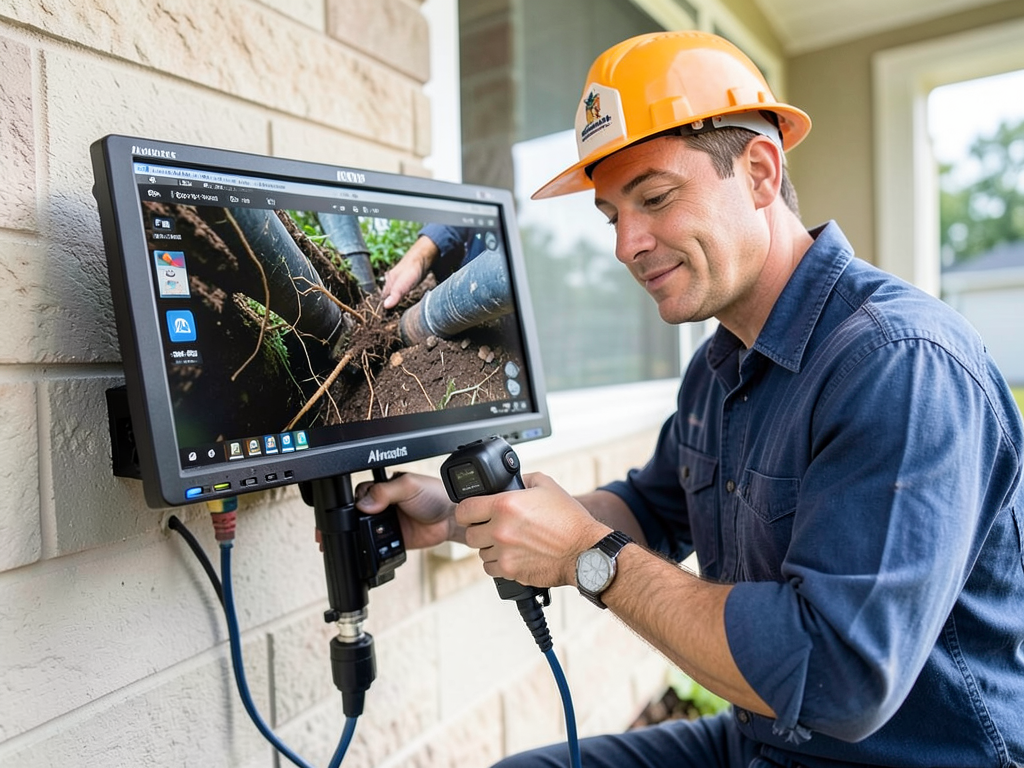
Protecting Your Plumbing from Invasive Roots While Landscaping Your Anderson Heights Yard Anderson Heights homeowners face a unique challenge when planning their landscaping. The mature oak and maple trees that give the neighborhood its charm…
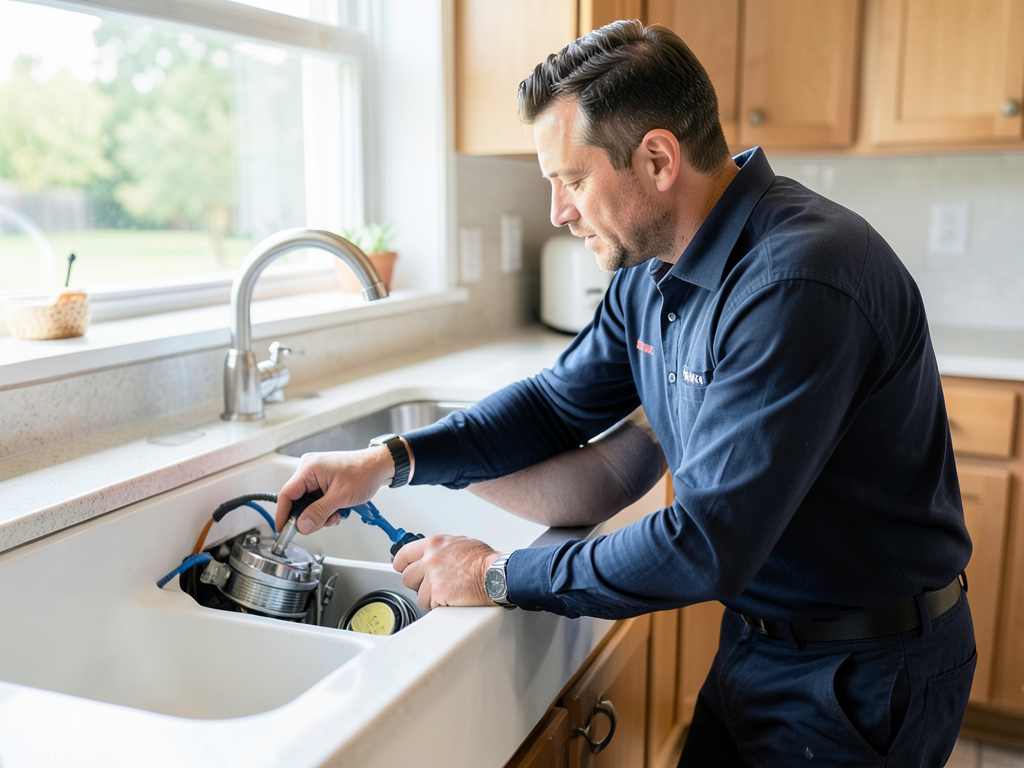
Essential Tips for Maintaining Your Garbage Disposal During the Busy Holiday Season in Cary Your…

Why Your Fridge Water Filter Might Be Slowing Down the Flow to Your Ice Maker\n\nYour…
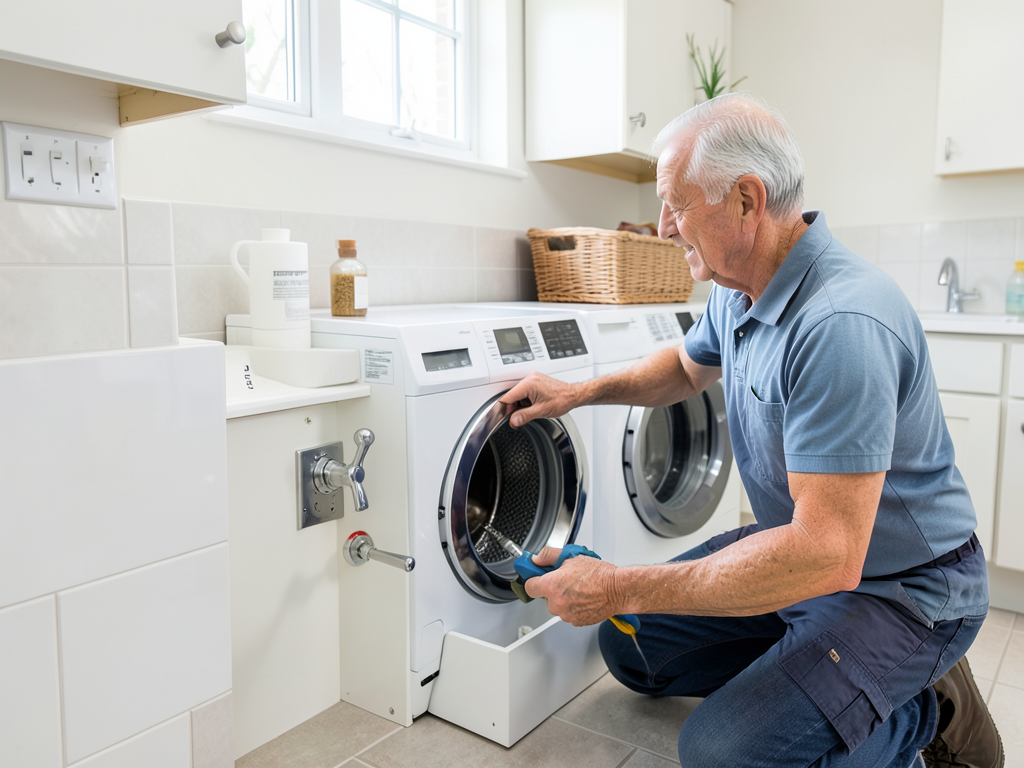
Designing a Laundry Room for Multi-Generational Living in Your Rolesville Property Multi-generational living in Rolesville…
Don't let plumbing problems damage your property or disrupt your day. Call Ironwood Plumbing Raleigh at (984) 294-6422 for immediate dispatch. We answer 24/7, provide upfront pricing, and fix problems right the first time.