





Menu

Commercial Kitchen Plumbing in Raleigh – Minimize Downtime with Code-Compliant Industrial Solutions

Protect your food service operation with professional kitchen plumbing systems engineered for high-volume demand, North Carolina Health Department compliance, and 24-hour emergency response across the Raleigh metro.

Slider Image 1
Slider Image 2
Slider Image 3
Slider Image 4
Slider Image 5
Slider Image 7
Slider Image 8
Slider Image 9
Slider Image 10
Slider Image 11

Why Restaurant Plumbing Failures Cost Raleigh Businesses Thousands Per Day

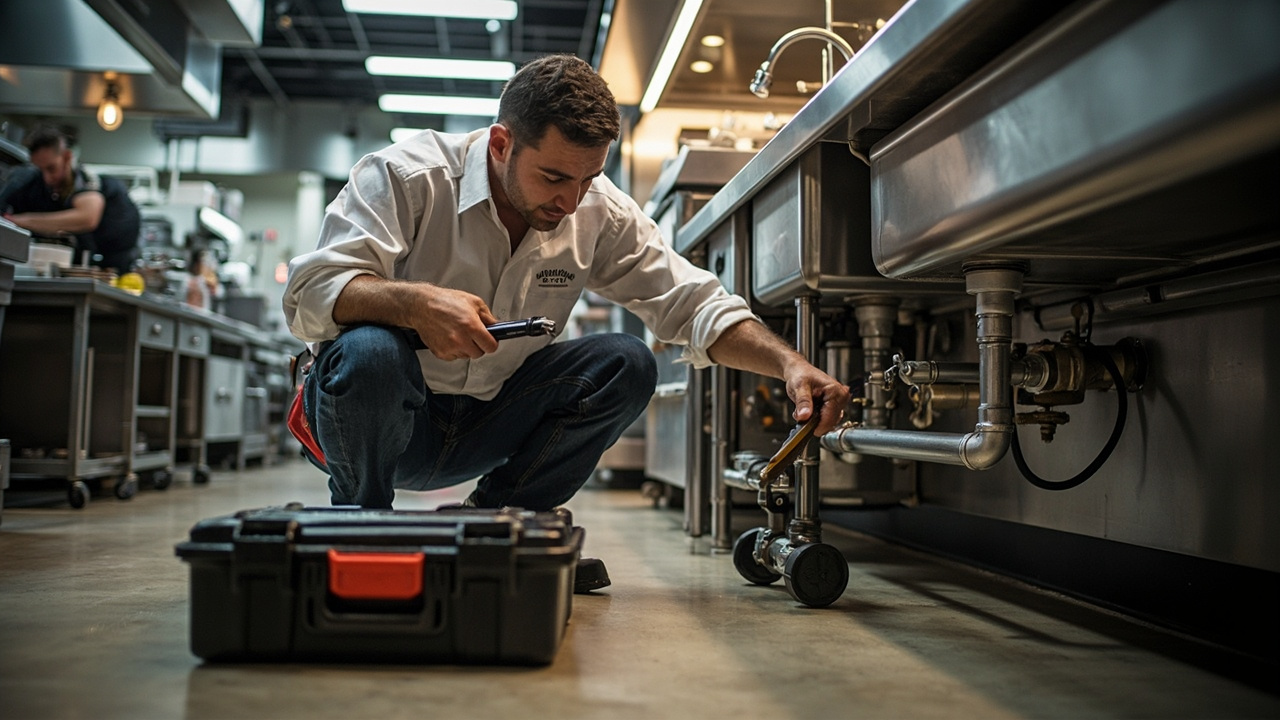
A single grease trap failure during dinner service can shut down your kitchen. In Raleigh's competitive restaurant market, where establishments along Fayetteville Street and the Warehouse District operate on tight margins, plumbing downtime directly translates to lost revenue and health code violations.

Commercial kitchen plumbing operates under different physics than residential systems. You pump hundreds of gallons through dish machines daily. Grease separators handle animal fats at temperatures that solidify in drain lines. Floor drains manage constant water flow from prep stations and walk-in coolers. Ice machines and beverage dispensers require dedicated water lines with specific pressure requirements.

North Carolina health codes mandate backflow prevention, proper venting for commercial dishwashers, and grease interceptor maintenance schedules. The Wake County Health Department conducts unannounced inspections. A cross-connection violation or improperly sized grease trap can result in immediate closure until corrected.

Raleigh's municipal water system delivers hard water with elevated mineral content. Scale buildup restricts flow in spray valves, ruins heating elements in commercial dishwashers, and clogs the small orifices in pre-rinse spray heads. Your ice machine produces cloudy cubes. Espresso machines require monthly descaling.

Industrial kitchen plumbing demands capacity planning. Your three-compartment sink, pot filler, mop sink, and prep sinks all drain simultaneously during closing procedures. Undersized drain lines create backups. Inadequate hot water recovery means your dish machine sits idle between cycles.

The infrastructure supporting food service plumbing requires commercial-grade components. Residential fixtures fail under constant use. You need sensor faucets rated for 500,000 cycles, floor drains with removable grates for cleaning, and trap primers that prevent sewer gas infiltration in floor drains that sit dry for extended periods.

Why Restaurant Plumbing Failures Cost Raleigh Businesses Thousands Per Day
How We Engineer Plumbing Systems for High-Volume Food Service Operations

How We Engineer Plumbing Systems for High-Volume Food Service Operations

We size drain lines based on fixture unit calculations, not guesswork. Your dish machine generates 15 fixture units. Each prep sink adds 3 fixture units. Floor drains contribute 2 fixture units. We calculate total demand, apply simultaneous use factors, then specify drain pipe diameter to maintain proper flow velocity. Grease-laden waste requires 2 feet per second minimum velocity to prevent separation and buildup.

Grease interceptor sizing follows the Plumbing and Drainage Institute formulas, not the outdated capacity-per-meal method. We measure actual flow rates from your dish machine and pot sink, calculate grease load based on your menu type, then select interceptors with appropriate retention time. Undersized units require weekly pumping and still pass grease downstream. Properly sized interceptors operate on quarterly maintenance cycles.

Hot water demand calculation determines recovery rates. Your dish machine needs 180-degree water at 20 gallons per minute during the rinse cycle. We calculate peak hourly demand across all fixtures, specify water heater input BTUs, and design recirculation loops that deliver instant hot water to distant fixtures. No waiting for temperature while dishes pile up.

Backflow prevention placement follows cross-connection control codes. Carbonated beverage systems require reduced pressure zone assemblies. Hose bibbs need atmospheric vacuum breakers. Dishwashers demand air gaps or backflow assemblies rated for high hazard applications. We map your water distribution system and install appropriate devices at each connection point.

We specify commercial-grade components engineered for institutional use. Zurn floor drains with cast iron bodies and removable stainless grates. Chicago Faucets with vandal-resistant aerators and ceramic disc cartridges. Watts trap primers activated by water pressure fluctuations to maintain trap seals in floor drains. These components withstand the thermal shock, chemical exposure, and mechanical abuse inherent to restaurant plumbing services.

What Happens During Your Commercial Kitchen Plumbing Installation

Commercial Kitchen Plumbing in Raleigh – Minimize Downtime with Code-Compliant Industrial Solutions
01

Site Assessment and Load Calculation

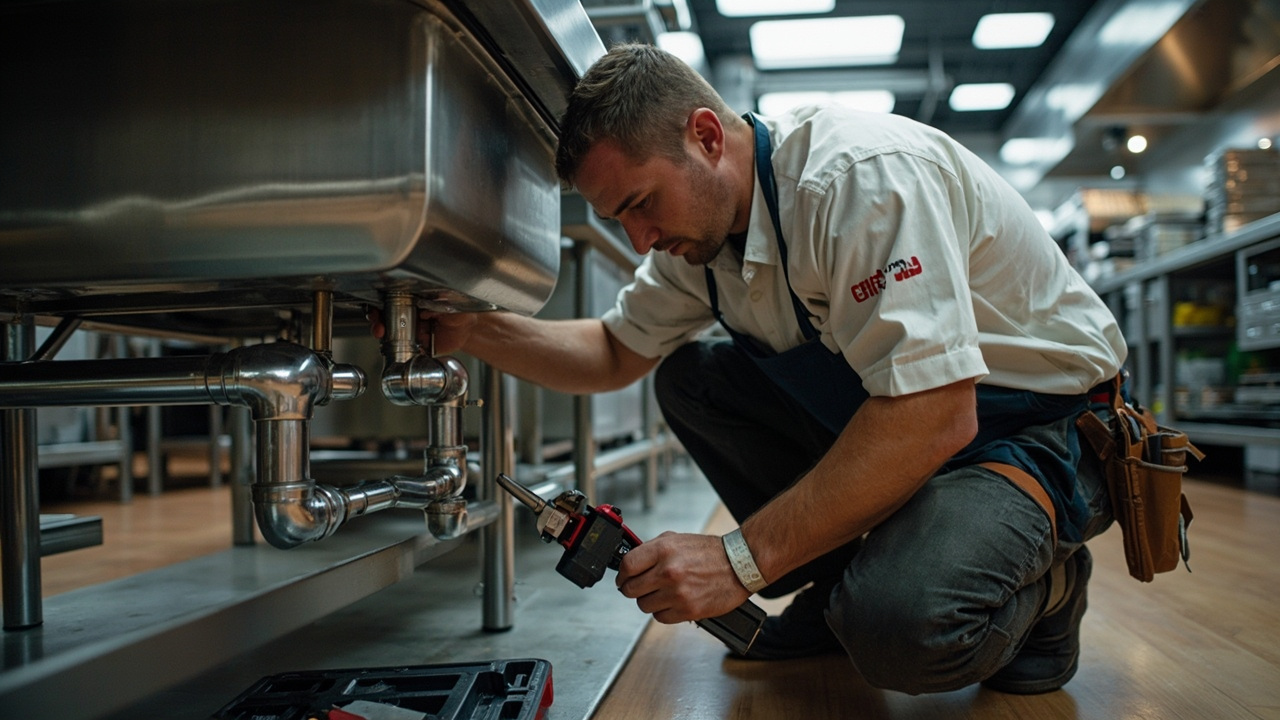
We conduct a fixture-by-fixture inventory of your kitchen layout. Every sink, dishwasher, ice machine, and floor drain gets documented. We measure incoming water pressure, test drainage flow rates, and photograph existing conditions. You receive a detailed assessment identifying code violations, capacity constraints, and equipment compatibility issues. This data drives our engineering specifications for your professional kitchen plumbing system.
02

System Design and Permitting

Our licensed designers create plumbing plans that meet North Carolina Plumbing Code Chapter 10 requirements for food service establishments. Plans include riser diagrams, fixture schedules, grease interceptor specifications, and backflow preventer locations. We submit permits to the City of Raleigh Inspections Department, coordinate plan review, and schedule required inspections. You get construction documents suitable for buildout and health department approval.
03

Installation and Final Inspection

We install systems during your closed hours to maintain service continuity. All work progresses through rough-in inspection, pressure testing, and final inspection sequences. You receive documentation packages including as-built drawings, equipment manuals, backflow test reports, and grease interceptor maintenance schedules. Your system passes health department review on the first submission. We provide training on trap maintenance and emergency shutoff procedures to your facilities manager.

Why Raleigh Restaurant Operators Choose Ironwood Plumbing for Food Service Systems

We understand the operational reality of food service. A 6 PM grease line backup during weekend dinner service costs you table turns and customer goodwill. Our emergency response protocol prioritizes commercial kitchen calls. We dispatch technicians with truck stock of commercial parts: grease trap gaskets, dishwasher solenoids, floor drain grates, and high-pressure jetting equipment.

Raleigh's restaurant concentration in downtown, North Hills, and the Glenwood South district creates unique infrastructure challenges. Many locations occupy renovated historic buildings with aging cast iron drain lines. Others operate in multi-tenant developments sharing common grease interceptors. We navigate these constraints daily. We know which downtown buildings have 2-inch drain mains inadequate for modern dish machines. We know which shopping centers have centralized grease management systems.

Our familiarity with Wake County health inspectors streamlines your approval process. We install plumbing systems that pass inspection without callbacks. Floor sinks in the right locations. Proper air gaps on dishwashers. Compliant backflow preventers with test ports accessible for annual certification. This expertise protects your opening timeline and prevents costly re-work.

We maintain relationships with commercial equipment dealers throughout the Triangle. When you install a new Hobart flight-type dishwasher or add a third prep sink, we coordinate rough-in dimensions with your equipment specs. Your new dishwasher drains properly. Water connections align with supply stub-outs. No field modifications or delays waiting for custom parts.

The volume and variety of our commercial work means we stock parts other plumbers order special. We carry grease trap risers, commercial faucet cartridges, floor drain trap primers, and dishwasher check valves on our service vehicles. This inventory cuts repair time from days to hours. Your kitchen returns to service while competitors wait for parts shipments.

Our technicians hold commercial plumbing experience across multiple concepts: quick service restaurants with high-volume beverage systems, full-service establishments with complex dish rooms, institutional cafeterias with central tray return lines, and specialty operations like breweries with process water demands.

What to Expect When You Partner with Ironwood Plumbing Raleigh

Emergency Response Time

Commercial kitchen emergencies receive priority dispatch. We maintain 24-hour availability with technicians on call rotation. A grease line backup during service hours gets a response within 90 minutes across the Raleigh metro. We carry high-pressure jetting equipment capable of clearing 4-inch main lines and rodding machines for branch drains. Our goal is restoring function before the next meal period. Non-emergency service calls schedule within 48 hours with arrival windows that respect your prep schedules and minimize disruption to service.

Commercial System Evaluation

Initial assessments include hydraulic load analysis of your drainage system. We camera inspect main drain lines to identify grease accumulation, root intrusion, or pipe deterioration. Water pressure testing at fixtures identifies undersized supply lines or pressure regulation problems. Gas pressure measurement at equipment connections ensures proper BTU delivery to water heaters and steamers. You receive a written report documenting findings, code violations, and recommended repairs prioritized by urgency. This diagnostic process identifies problems before they cause downtime.

Installation Quality Standards

All installations follow manufacturer specifications and exceed minimum code requirements. We use commercial-grade components rated for institutional use. Drain lines slope at minimum 2 percent grade. Hot water recirculation systems maintain 120-degree minimum temperature at the furthest fixture. Backflow preventers install with test cocks accessible for annual certification. Gas piping undergoes pressure testing at 15 PSI for 15 minutes with zero pressure drop. Systems pass inspection on first review. You receive documentation suitable for health department files and future tenant improvement permit applications.

Preventive Maintenance Programs

We offer scheduled maintenance contracts that prevent emergency failures. Quarterly service includes grease interceptor inspection, floor drain trap cleaning, backflow preventer testing, and water heater element inspection. We document service dates for health department compliance files. Biological drain treatment programs use enzyme cultures that digest organic waste and prevent odors without harsh chemicals that damage pipes. Descaling protocols for ice machines and dishwashers extend equipment life and maintain efficiency. Planned maintenance costs less than emergency repairs and protects your revenue stream.

Frequently Asked Questions

You Have Questions,
We Have Answers

What is the 135 rule for plumbing? +

The 135-degree rule refers to the maximum horizontal branch angle allowed in drain-waste-vent systems. In commercial kitchens, horizontal drainage pipes must change direction using two 45-degree fittings or sweep elbows rather than sharp 90-degree turns. This prevents solids from sticking and reduces clog risk. Raleigh's commercial kitchen inspections enforce this standard strictly to maintain proper flow in high-volume grease and food waste systems. Violating this rule causes backups during peak service hours, risking health code violations and operational shutdowns. Proper DWV design protects your business continuity and keeps you compliant with Wake County regulations.

What type of plumbing is used in commercial buildings? +

Commercial buildings use copper, CPVC, PEX, and galvanized steel for supply lines depending on application and budget. Drainage systems rely on cast iron, PVC, and ABS. In Raleigh commercial kitchens specifically, grease-laden waste requires Schedule 40 PVC or cast iron for durability. High-temperature dishwasher discharge demands copper or CPVC rated for 180-degree water. Copper remains standard for exposed supply piping due to fire code requirements in multi-tenant buildings. Material selection depends on occupancy type, building age, and code compliance. Retrofitting older downtown Raleigh properties often requires hybrid systems to meet current commercial standards.

How many floor drains are required in a commercial kitchen? +

North Carolina plumbing code requires minimum one floor drain per commercial kitchen, but functional facilities need more. Position drains beneath each dish station, near walk-in coolers, under ice machines, and at mop sinks. Raleigh health inspectors expect adequate drainage to prevent standing water and contamination risks. High-volume operations need drains every 10-12 feet for proper sanitation. Grease traps require dedicated floor drains with accessible cleanouts. Each drain must connect to sanitary sewer through approved piping with proper venting. Insufficient drainage leads to failed inspections, slip hazards, and operational delays that impact your bottom line.

How much does a commercial kitchen setup cost? +

Commercial kitchen plumbing installation costs are excluded from this answer per your business model, but cost drivers include fixture count, grease trap size, gas line complexity, water heater capacity, and existing infrastructure condition. Raleigh commercial projects face higher costs when dealing with older downtown buildings requiring complete repiping. Grease interceptor installation alone represents significant expense due to excavation and city inspection requirements. Three-compartment sinks, pre-rinse sprayers, dishwashers, and ice machines each demand separate supply and drainage. Budget planning must account for permit fees, Wake County inspection costs, and potential utility service upgrades to support commercial demand.

What is the 1.414 rule in plumbing? +

The 1.414 rule calculates offset diagonal distances in plumbing layouts. When you offset a pipe run at 45 degrees, multiply the lateral distance by 1.414 to determine total pipe length needed. This ensures accurate material ordering and proper slope maintenance in drainage systems. In tight Raleigh commercial kitchen spaces, diagonal routing often provides the only path around structural beams or existing utilities. Incorrect calculations waste materials and create improper drain pitch, causing slow drainage and grease accumulation. Professional installers use this mathematical constant to maintain code-required quarter-inch-per-foot slope while navigating obstacles in confined mechanical spaces.

How many fixtures can you run on 1/2 pipe? +

A half-inch supply pipe typically serves two to three fixtures in commercial applications, but this depends on fixture unit values and total developed length. Commercial kitchens demand higher flow rates than residential systems. A pre-rinse spray valve alone requires half-inch dedicated supply due to high GPM demands. The International Plumbing Code assigns fixture unit values based on demand. In Raleigh commercial projects, undersized supply piping causes pressure drops during peak operations, slowing dish washing and food prep. Proper load calculations prevent simultaneous-use failures. Commercial kitchens need three-quarter-inch or larger mains with strategic branches to individual fixture groups.

Is PEX approved for commercial use? +

PEX has limited approval for commercial use and faces restrictions in commercial kitchen applications. While accepted for residential supply lines, most jurisdictions including Raleigh limit PEX in commercial occupancies due to fire safety concerns. PEX cannot handle high-temperature commercial dishwasher discharge or exposed installation requirements in commercial spaces. North Carolina commercial code mandates fire-rated piping in certain occupancy types. Commercial kitchens generate grease-laden waste and extreme temperature fluctuations that exceed PEX ratings. Inspectors expect copper, CPVC, or steel in commercial applications. Using non-approved materials risks failed inspections, insurance complications, and costly rework during certificate of occupancy review.

What is the highest paid type of plumber? +

Master plumbers specializing in commercial and industrial projects earn top compensation, particularly those handling complex systems in hospitals, manufacturing facilities, and large commercial kitchens. In Raleigh's growing commercial market, plumbers with medical gas certification, backflow testing credentials, and commercial kitchen expertise command premium rates. Industrial plumbers working on process piping, chemical systems, or large-scale HVAC integration see the highest pay scales. Emergency commercial service specialists earn substantial overtime addressing after-hours failures that threaten business operations. Specialized skills in grease interceptor sizing, commercial water treatment, and complex code compliance separate top earners from general service technicians.

What material is used for commercial kitchen drain pipes? +

Commercial kitchen drain pipes use Schedule 40 PVC, ABS, or cast iron depending on temperature and structural requirements. Grease-laden waste lines require materials resistant to hot water and chemical cleaners. In Raleigh commercial installations, cast iron remains preferred for its durability, noise reduction, and fire resistance in multi-story buildings. PVC handles most gravity drainage but cannot accept direct connections from high-temperature dishwashers without cooling legs. Underground grease waste lines use SDR-35 PVC or cast iron. Material selection affects long-term maintenance costs and compliance with Wake County health department standards for sanitary waste handling.

What is the 3x4 kitchen rule? +

The 3x4 rule is not a standard plumbing code reference but may refer to kitchen work triangle principles or fixture spacing guidelines. In commercial kitchen design, the rule could reference minimum aisle widths (36 inches) and workspace depths (48 inches) between equipment. From a plumbing perspective, commercial kitchens require strategic placement of three-compartment sinks, handwashing stations, and mop sinks to meet health code access requirements. Raleigh health inspectors enforce specific spacing between contamination sources and clean areas. Proper fixture positioning affects drainage routing, vent sizing, and hot water distribution efficiency in your facility layout.

Why Raleigh's Food Service Growth Creates Unique Commercial Plumbing Demands

Raleigh added 47 new restaurants in 2023, many occupying renovated buildings in the Warehouse District and Person Street corridor. These adaptive reuse projects retrofit modern commercial kitchens into structures with drain systems designed for light commercial use. Existing 3-inch building drains lack capacity for high-volume dish machines. Clay tile drainage laterals common in pre-1980 construction fracture under thermal cycling from repeated hot water discharges. The surge in food service establishments stresses aging municipal infrastructure in older neighborhoods where restaurants cluster. Professional kitchen plumbing systems in these locations require careful engineering to operate within existing constraints.

The City of Raleigh Fats, Oils, and Grease Program enforces strict interceptor requirements for food service establishments. Wake County requires backflow prevention on all commercial food service connections following a 2019 cross-connection incident. These local regulations exceed state minimum standards. Working with a commercial kitchen plumber who understands regional enforcement priorities prevents permit delays and ensures compliance. We participate in continuing education through the North Carolina State Board of Examiners of Plumbing, Heating, and Fire Sprinkler Contractors, staying current on code amendments affecting restaurant plumbing services throughout the Triangle.

Plumbing Services in The Raleigh Area

We are proud to serve the entire Raleigh community and surrounding areas, bringing our trusted plumbing services directly to your doorstep. You can find our main office location on the map below. We are committed to providing fast response times and expert service, no matter where you are located within our service area. If you're unsure if we service your neighborhood, simply give us a call!

Address:
Ironwood Plumbing Raleigh, 4108 Atlantic Ave, Raleigh, NC, 27604

Additional Services We Offer

Our news updates

Latest Articles & News from The Blogs

Essential Tips for Maintaining Your Garbage Disposal During the Busy Holiday Season in Cary Your garbage disposal works hard year-round…

Essential Tips for Maintaining Your Garbage Disposal During the Busy Holiday Season in Cary

Essential Tips for Maintaining Your Garbage Disposal During the Busy Holiday Season in Cary Your garbage disposal works hard year-round…

Why Your Fridge Water Filter Might Be Slowing Down the Flow to Your Ice Maker

Why Your Fridge Water Filter Might Be Slowing Down the Flow to Your Ice Maker\n\nYour fridge is running slow and…

Designing a Laundry Room for Multi-Generational Living in Your Rolesville Property

Designing a Laundry Room for Multi-Generational Living in Your Rolesville Property Multi-generational living in Rolesville means creating spaces that work…

Contact Us

Do not let plumbing failures shut down your revenue. Call Ironwood Plumbing Raleigh at (984) 294-6422 for immediate service or installation consultation. We dispatch commercial specialists who understand food service operations.