




Menu

Sediment Buildup in Pipes in Raleigh – Expert Diagnosis and Complete System Restoration

When mineral deposits choke your water lines, you need precise diagnosis and permanent solutions. Our plumbers use camera inspection and hydrojetting to eliminate sediment buildup in pipes, restoring flow and pressure throughout your Raleigh home.

Slider Image 1
Slider Image 2
Slider Image 3
Slider Image 4
Slider Image 5
Slider Image 7
Slider Image 8
Slider Image 9
Slider Image 10
Slider Image 11

Why Sediment Clogs Raleigh Pipes Faster Than You Think

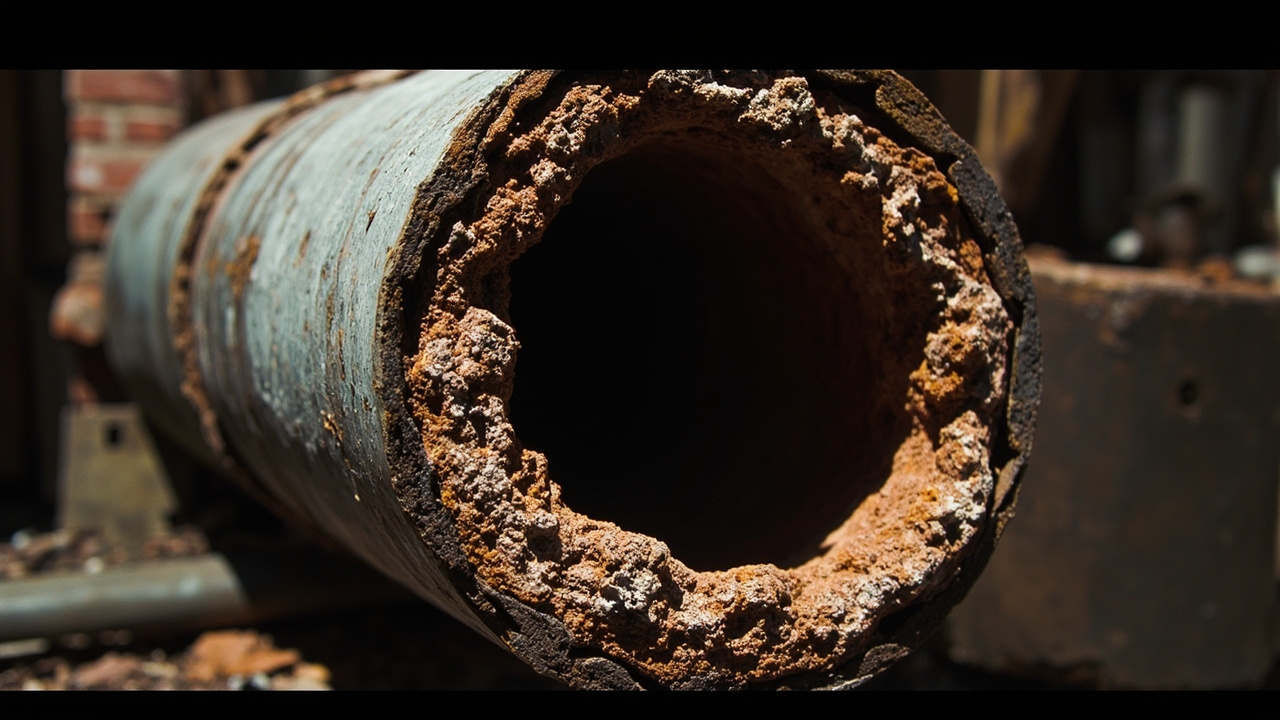
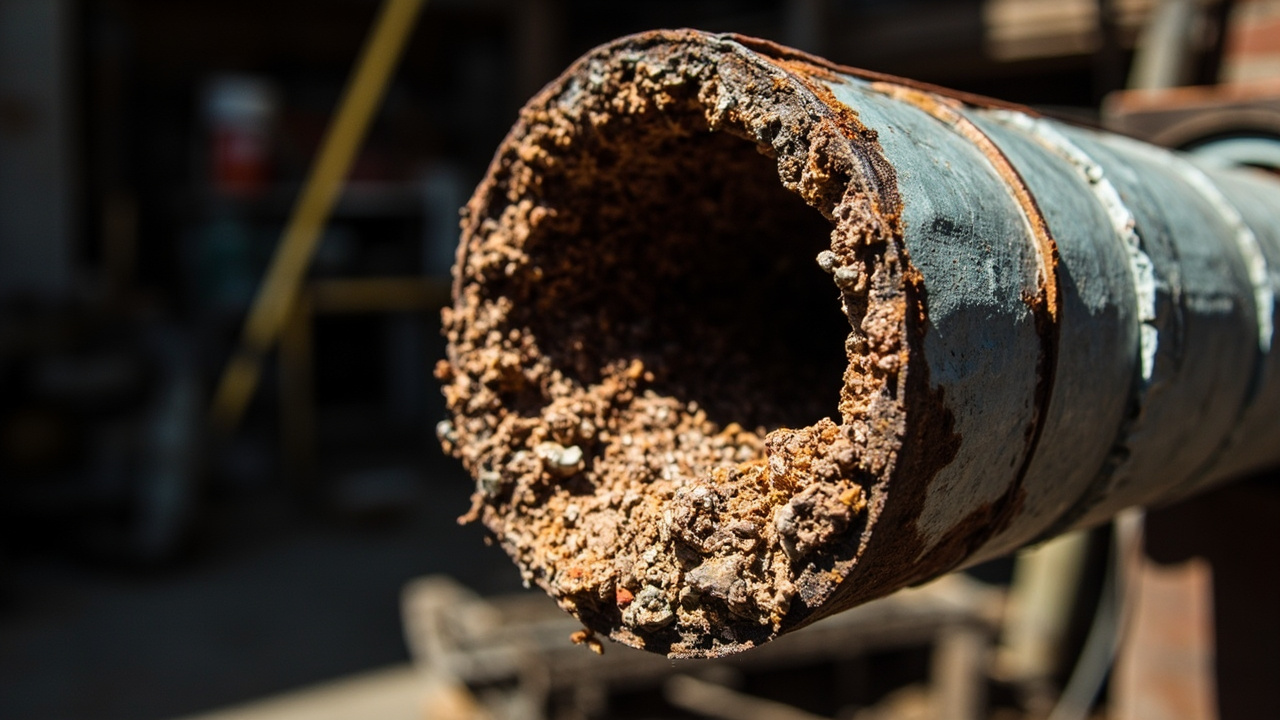
Raleigh's municipal water supply originates from Falls Lake and the Neuse River. While treatment plants remove most particulates, trace minerals remain dissolved in your water. When your water heater cycles or your pipes experience temperature swings, calcium and magnesium precipitate out of solution. They bond to pipe interiors. Over time, limescale accumulation in plumbing narrows your supply lines from the inside out.

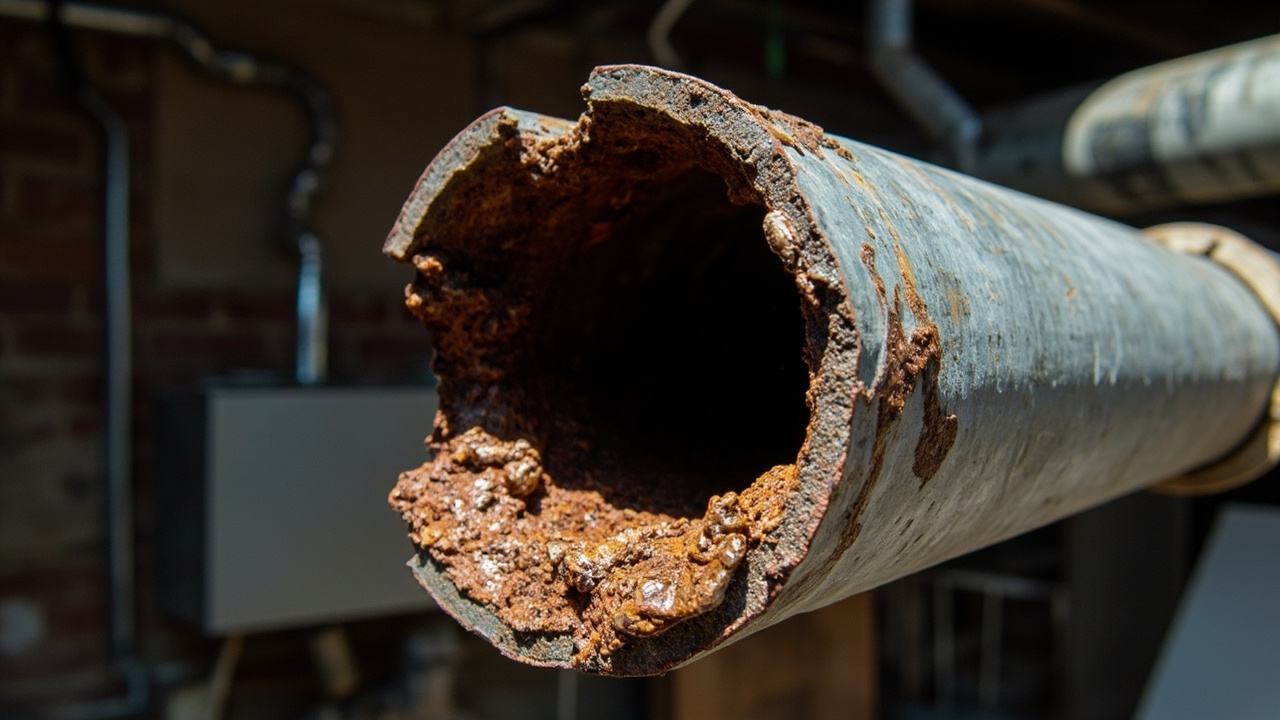
You notice it first in the morning. Water pressure drops when you run multiple fixtures. Your shower head dribbles. Your washing machine takes twice as long to fill. You may see rust-colored water when you first turn on a faucet, a sign that mineral deposits in water pipes have combined with corroded iron to create a sludge layer inside your galvanized or older copper lines.

The Triangle's moderately hard water measures 3-7 grains per gallon, enough to cause calcium buildup in water lines within 7-10 years in homes without water softeners. If you live near Lake Johnson or in neighborhoods with older infrastructure like Oakwood or Five Points, your pipes are more vulnerable. Galvanized steel pipes installed before 1960 corrode from the inside, creating a rough surface that attracts hard water pipe scaling. Each heating and cooling cycle deposits another microscopic layer. Eventually, a half-inch supply line becomes a quarter-inch opening.

When sediment breaks loose, it damages fixtures, clogs aerators, and destroys valve seats. Ignoring pipe calcification problems accelerates the timeline to full repiping. The longer sediment hardens, the more invasive the repair.

Why Sediment Clogs Raleigh Pipes Faster Than You Think
How We Eliminate Sediment Without Destroying Your Pipes

How We Eliminate Sediment Without Destroying Your Pipes

Generic drain cleaning does not fix sediment buildup. We do not guess. We start with video pipe inspection, feeding a high-resolution camera through your cleanout or a removed fixture. This shows us the exact location and severity of calcium buildup in water lines. We measure the remaining interior diameter. We identify whether you have galvanized steel, copper, or PEX supply lines. Each material requires a different approach.

For moderate mineral deposits in water pipes, we use hydrojetting. This is not a snake. We insert a specialized nozzle that sprays pressurized water at 3,000-4,000 PSI in a 360-degree pattern. The forward-facing jets cut through limescale accumulation in plumbing. The rear-facing jets propel the nozzle forward and flush debris back toward the access point. Hydrojetting removes sediment without damaging pipe walls when done correctly. Improper pressure settings can rupture older pipes, which is why we adjust PSI based on pipe material and age.

For severe hard water pipe scaling, we may recommend descaling agents. These are acid-based solutions that dissolve calcium and magnesium carbonate. We isolate the affected section, circulate the descaler for a controlled period, then flush thoroughly. This method works when buildup is too dense for mechanical removal but the pipe structure is still sound.

If video inspection reveals that pipe calcification problems have corroded the pipe wall beyond 40 percent of its original thickness, cleaning will not restore integrity. In these cases, we recommend targeted repiping of the affected sections. Ironwood Plumbing Raleigh does not sell you a whole-house repipe when three sections need replacement. We give you options with transparent cost factors for each approach.

What Happens During a Sediment Removal Service Call

Sediment Buildup in Pipes in Raleigh – Expert Diagnosis and Complete System Restoration
01

Inspection and Mapping

We run a camera through your supply lines via the water heater drain valve or a removed fixture. This maps sediment locations, measures remaining pipe diameter, and identifies material type. You see the footage in real time. We photograph problem areas and provide a written report detailing which sections need cleaning, descaling, or replacement. This diagnostic phase prevents unnecessary work and gives you documentation for insurance claims if corrosion has caused leaks.
02

Sediment Removal Execution

We isolate the affected sections using shut-off valves. For hydrojetting, we insert the nozzle and progressively clean from the access point outward. We adjust pressure based on pipe material. Copper tolerates higher PSI than galvanized steel. For chemical descaling, we circulate the solution for the manufacturer-recommended dwell time, then neutralize and flush with clean water. We capture all debris using filtration bags at the exit point to prevent sediment from clogging your fixtures downstream.
03

Flow Testing and Prevention

After cleaning, we test flow rate at each fixture to confirm restoration. We check for leaks at joints that may have been stressed by buildup. We inspect your water heater anode rod and flush the tank to remove sediment that contributed to the supply line problem. We discuss water softener installation or whole-house filtration to prevent recurrence. You receive a maintenance schedule for periodic flushing and descaling based on your water hardness and pipe material.

Why Raleigh Homeowners Trust Local Plumbers Who Know These Pipes

Raleigh's housing stock spans 150 years. Neighborhoods like Boylan Heights and Mordecai contain homes with original galvanized steel plumbing from the 1920s. Subdivisions built during the 1970s and 1980s boom, like North Hills and Brier Creek, used copper with lead-based solder. Newer construction in Wake Forest and Cary uses PEX. Each system responds differently to sediment buildup.

A plumber unfamiliar with Raleigh's water profile will apply the wrong solution. Hydrojetting a 90-year-old galvanized line at full pressure can blow out a corroded joint. Using an acid descaler on PEX fittings can degrade rubber gaskets. We have worked in every neighborhood in the greater Raleigh metro. We know which pipe materials were used during which construction booms. We adjust our methods accordingly.

Ironwood Plumbing Raleigh maintains relationships with the City of Raleigh Public Utilities Department. We understand local water treatment changes and seasonal hardness fluctuations. When the city switches from Falls Lake to Lake Michie during droughts, mineral content changes. We track these shifts because they affect how fast sediment accumulates in your pipes.

You will not get a one-size-fits-all quote from us. We provide options. If your buildup is confined to hot water lines near the water heater, we clean those sections and install a sediment filter at the heater inlet. If your entire supply system is compromised, we explain the cost difference between whole-house descaling and targeted repiping. We do not upsell. We educate.

Local expertise means we know which Raleigh inspectors require permits for repiping work and which methods meet North Carolina plumbing code Section 308 for water supply protection. We pull permits when required. We do not cut corners.

What You Can Expect From Start to Finish

Same-Day Diagnosis Available

We schedule video inspections within 24 hours of your call. Most diagnostic appointments take 60-90 minutes. You receive a written report with photos and video footage before we quote any work. If you need emergency service because sediment has caused a complete pressure loss, we prioritize your call. Our trucks carry camera equipment and hydrojetting units, so we can often complete minor cleaning during the same visit if you approve the work. For extensive descaling or repiping, we schedule a return visit within 3-5 days.

Transparent Diagnostic Process

You watch the camera feed as we inspect your pipes. We explain what you are seeing in plain language. White or tan buildup is calcium carbonate. Orange or red is iron oxide mixed with sediment. Black sludge indicates bacterial growth feeding on mineral deposits. We measure remaining interior diameter with calibrated tools. If your half-inch supply line has narrowed to three-eighths inch, we document it. You receive a severity rating for each affected section, ranked from minor scaling to critical obstruction. This transparency helps you prioritize repairs based on urgency and budget.

Restored Flow and Pressure

After sediment removal, you will notice immediate improvement. Showers run at full pressure. Washing machines fill in half the time. Water heaters operate more efficiently because they are not working against restricted flow. We verify results by measuring gallons per minute at each fixture before and after service. You receive a flow test report showing the improvement. If pressure does not return to expected levels, we investigate secondary issues like a failing pressure regulator or a partially closed main valve. We do not leave until your system functions as designed.

Prevention and Maintenance Plans

Sediment will return unless you address the source. We install sediment filters at your main water line inlet or at individual fixtures. We recommend water softener systems for homes with hardness above 7 grains per gallon. For clients who prefer ongoing maintenance, we offer annual flushing and descaling services. We keep your inspection footage and flow test data on file, so we can track changes over time. If your pipes are nearing the end of their lifespan, we help you plan for eventual repiping so you are not surprised by an emergency failure. Proactive maintenance costs less than reactive repairs.

Frequently Asked Questions

You Have Questions,
We Have Answers

How much to flush pipes in a house? +

Pipe flushing costs vary based on your home's size and the severity of sediment buildup. Most Raleigh homeowners pay between basic service call fees for simple flushing to higher rates for whole-house hydrojetting. The price depends on how many fixtures need attention, water line accessibility, and whether your plumber needs specialized equipment. Homes in older Raleigh neighborhoods with galvanized pipes often require more intensive work. A licensed plumber will assess your system and provide an accurate estimate after inspecting the sediment levels and pipe condition. Avoid DIY chemical flushes, which can worsen corrosion.

What causes sediment in water pipes? +

Sediment in water pipes comes from mineral deposits, corroded pipe interiors, and debris from the municipal water supply. Raleigh's moderately hard water contains calcium and magnesium that precipitate out over time, forming scale. Older galvanized steel pipes common in pre-1980s Raleigh homes corrode internally, releasing rust particles. Sand and silt can enter through aging water mains or after nearby construction work. Water heaters also generate sediment as minerals settle at the bottom. The accumulation restricts water flow, reduces pressure, and creates discolored water. Regular maintenance prevents serious buildup in your plumbing system.

How long does it take to run water to get sediment out? +

Running water to clear sediment typically takes 10 to 30 minutes per fixture, but this only addresses loose particles. Start with cold water at the farthest faucet from your main line, then work backward toward the water source. Open multiple taps simultaneously for faster flushing. However, this method only removes loose sediment, not hardened scale or corrosion buildup adhered to pipe walls. For homes in Raleigh's older neighborhoods with significant accumulation, professional hydrojetting is more effective. Simple flushing works best after minor municipal line disturbances, not for chronic sediment problems requiring mechanical removal.

How to remove build up in water pipes? +

Removing buildup requires professional hydrojetting or mechanical descaling. Hydrojetting uses high-pressure water streams to scour pipe interiors, breaking apart mineral scale, rust, and accumulated debris. This method works well for Raleigh homes with hard water deposits. For severe cases, plumbers use rotating descaling tools with abrasive heads that physically scrape buildup from pipe walls. Chemical descalers exist but risk damaging older pipes and creating environmental concerns. Simple drain snakes cannot address sediment buildup. The removal method depends on your pipe material, age, and buildup severity. A camera inspection helps determine the best approach.

How much does it cost to clean flush pipes from sediment build up? +

Sediment flushing costs depend on the cleaning method and your plumbing system's complexity. Simple whole-house flushing starts lower, while professional hydrojetting runs higher due to specialized equipment and expertise. The price varies based on pipe length, accessibility, and sediment severity. Raleigh homes with crawl spaces or slab foundations may incur additional labor charges. Multi-story homes cost more than single-level ranches. Some plumbers charge flat rates, others bill hourly. Camera inspection fees may apply to assess the extent of buildup before work begins. Get multiple estimates and confirm what the service includes before committing.

How do plumbers descale pipes? +

Plumbers descale pipes using mechanical tools or high-pressure hydrojetting. Hydrojetting sends water at extreme pressure through specialized nozzles, scouring pipe interiors and flushing debris out through cleanouts. For stubborn mineral deposits, rotary descaling equipment uses flexible cables with abrasive cutting heads that physically remove scale from pipe walls. The process starts with a camera inspection to assess buildup severity and identify pipe material. Different techniques suit different pipe types. Raleigh's mix of older galvanized and newer copper or PEX lines requires tailored approaches. Descaling restores water flow and pressure without replacing pipes.

How do you get rid of sediment build up in pipes? +

Professional hydrojetting effectively eliminates sediment buildup by using high-pressure water to scour pipe interiors clean. This process removes mineral scale, rust, sand, and other accumulated debris that restricts flow. For stubborn deposits, mechanical descaling tools physically scrape buildup from pipe walls. Prevention matters too. Install a whole-house water softener to reduce mineral accumulation in Raleigh's moderately hard water. Flush your water heater annually to prevent sediment from entering supply lines. Replace corroded galvanized pipes with copper or PEX. Regular maintenance stops buildup before it becomes a major problem requiring expensive intervention.

How much does it cost for a plumber to unblock a pipe? +

Pipe unblocking costs vary widely based on the clog location, severity, and required equipment. Simple drain auger work for accessible clogs costs less than hydrojetting or sewer line excavation. Kitchen and bathroom drain clearing typically runs lower than main line blockages. Emergency after-hours service commands premium rates. The price includes diagnosis, labor, and equipment. Raleigh plumbers may charge trip fees on top of service costs. Complex jobs requiring camera inspection or multiple cleanouts increase the total. Tree root intrusion into sewer lines costs significantly more than simple grease clogs. Always request detailed estimates before authorizing work.

Why do plumbers say not to use drain cleaner? +

Plumbers warn against chemical drain cleaners because they damage pipes, create safety hazards, and rarely solve underlying problems. These caustic products generate heat that can melt PVC fittings, corrode metal pipes, and crack older porcelain fixtures. The chemicals linger in pipes, creating dangerous fumes and potential skin burns for anyone working downstream. They only dissolve organic matter, not mineral buildup, hair clumps, or foreign objects. Repeated use weakens pipe integrity. In Raleigh's older homes with mixed plumbing materials, chemical cleaners accelerate deterioration. Professional mechanical cleaning addresses the root cause without collateral damage to your plumbing system.

What is the average cost to unclog a sewer line? +

Sewer line unclogging costs depend on the blockage location, cause, and accessibility. Main line clearing with a motorized auger typically costs less than hydrojetting or excavation. Tree root infiltration, the common culprit in Raleigh's tree-lined neighborhoods, often requires more intensive intervention than simple grease clogs. Distance from the cleanout to the blockage affects pricing. Camera inspection adds to the total but prevents guesswork. Emergency service costs more than scheduled appointments. If the line requires repair or replacement after clearing, costs increase substantially. Clean gutters and avoid flushing inappropriate items to minimize sewer line problems.

How Raleigh's Moderate Hard Water Accelerates Pipe Scaling

The Neuse River Basin, which feeds Raleigh's water supply, contains dissolved limestone and calcium-rich runoff from agricultural areas upstream. While the city treats this water to EPA standards, it does not remove all dissolved minerals. Your water measures 3-7 grains per gallon hardness, enough to cause calcium buildup in water lines over time. Homes near Lake Johnson and in older neighborhoods south of downtown experience faster buildup because they often have original galvanized pipes with rough interior surfaces. When your water heater cycles, dissolved calcium precipitates out and bonds to these rough surfaces. Each cycle adds another layer. Within a decade, limescale accumulation in plumbing can reduce your pipe diameter by 30 percent or more.

Ironwood Plumbing Raleigh has cleaned sediment from supply lines in every neighborhood across the Triangle. We understand which subdivisions used which pipe materials during different construction eras. We know that homes built before 1960 in Oakwood and Mordecai have galvanized steel that corrodes faster when combined with hard water pipe scaling. We know that 1980s construction in North Hills used copper with lead-based solder, requiring careful pressure control during hydrojetting. This local knowledge prevents damage and ensures effective sediment removal. When you hire a plumber who knows Raleigh's infrastructure, you get solutions tailored to your specific pipes, not generic methods that may cause more harm than good.

Plumbing Services in The Raleigh Area

We are proud to serve the entire Raleigh community and surrounding areas, bringing our trusted plumbing services directly to your doorstep. You can find our main office location on the map below. We are committed to providing fast response times and expert service, no matter where you are located within our service area. If you're unsure if we service your neighborhood, simply give us a call!

Address:
Ironwood Plumbing Raleigh, 4108 Atlantic Ave, Raleigh, NC, 27604

Additional Services We Offer

Our news updates

Latest Articles & News from The Blogs

Essential Tips for Maintaining Your Garbage Disposal During the Busy Holiday Season in Cary Your garbage disposal works hard year-round…

Essential Tips for Maintaining Your Garbage Disposal During the Busy Holiday Season in Cary

Essential Tips for Maintaining Your Garbage Disposal During the Busy Holiday Season in Cary Your garbage disposal works hard year-round…

Why Your Fridge Water Filter Might Be Slowing Down the Flow to Your Ice Maker

Why Your Fridge Water Filter Might Be Slowing Down the Flow to Your Ice Maker\n\nYour fridge is running slow and…

Designing a Laundry Room for Multi-Generational Living in Your Rolesville Property

Designing a Laundry Room for Multi-Generational Living in Your Rolesville Property Multi-generational living in Rolesville means creating spaces that work…

Contact Us

Sediment does not go away on its own. Every month you wait, the buildup gets worse. Call Ironwood Plumbing Raleigh at (984) 294-6422 to schedule a video inspection. We will show you exactly what is happening inside your pipes and give you options to restore full flow and pressure.