



Menu

Industrial Pipe Repair in Raleigh – Minimize Downtime with Rapid Industrial Pipeline Solutions

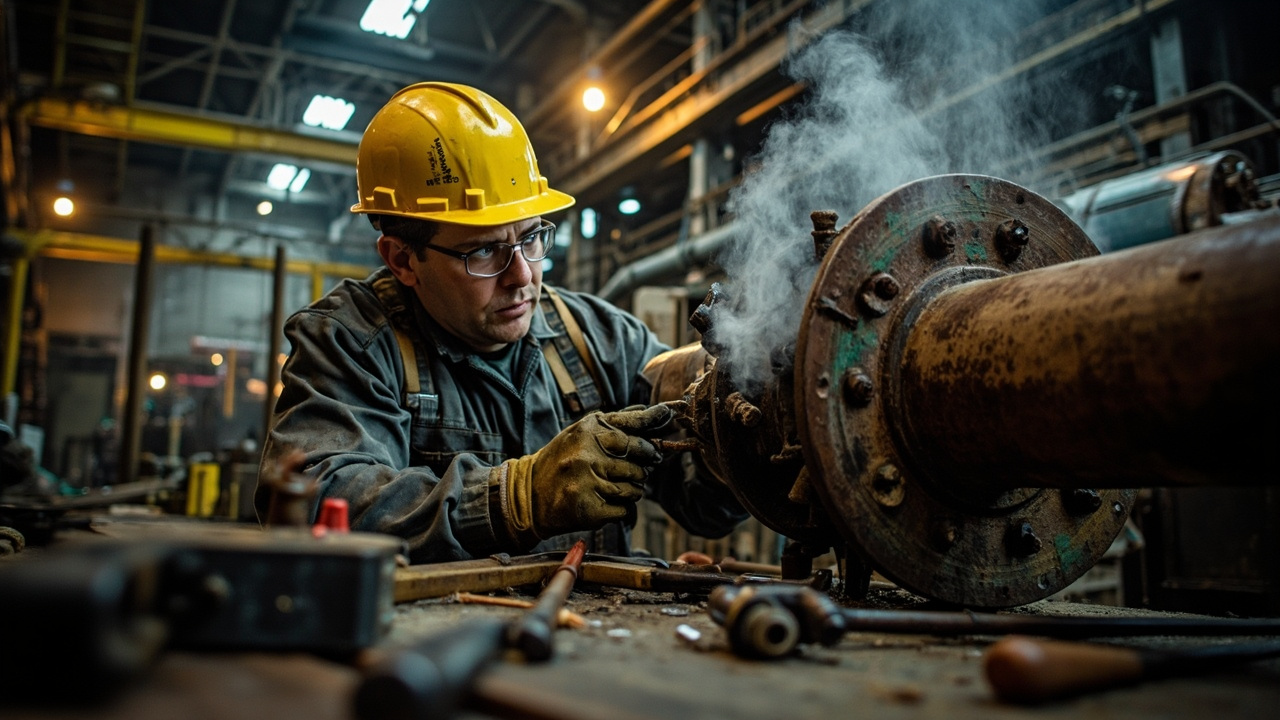
When process piping fails, production stops and costs mount. Ironwood Plumbing Raleigh delivers industrial pipe restoration engineered to keep Raleigh facilities operational with minimal disruption to your bottom line.

Slider Image 1
Slider Image 2
Slider Image 3
Slider Image 4
Slider Image 5
Slider Image 7
Slider Image 8
Slider Image 9
Slider Image 10
Slider Image 11

Industrial Piping Failures Cost Raleigh Businesses More Than the Repair

A corroded process pipe or failed industrial pipeline in your Raleigh facility does not just leak water. It halts production lines, triggers compliance issues, and exposes your company to liability.

Raleigh's industrial corridor, from the Research Triangle Park manufacturing facilities to the food processing operations near Capital Boulevard, operates under strict North Carolina plumbing codes and environmental regulations. A single pipe failure can cascade into thousands in lost production hours, spoiled inventory, and regulatory fines.

The region's humid subtropical climate accelerates corrosion in carbon steel piping. Summer humidity exceeds 70 percent, creating condensation on cold water lines. Winter freezes, though infrequent, still drop below 32 degrees for extended periods, stressing older process piping systems that were not designed with adequate insulation.

Clay soil prevalent throughout Wake County shifts with seasonal moisture changes. This movement stresses underground industrial pipelines connecting buildings, storage tanks, and treatment systems. You see the evidence in cracked floor slabs, misaligned pipe supports, and unexpected leaks in what should be stable infrastructure.

Industrial pipe restoration is not residential plumbing scaled up. Process piping systems carry chemicals, high-temperature fluids, and pressurized gases. The materials, welding specifications, and testing protocols differ entirely. Your facility needs industrial piping repair services that understand ASME B31.3 process piping codes, not just local building codes.

Every hour of unplanned downtime erodes profit margins. The repair itself may cost thousands. The production losses, emergency overtime, and expedited shipping to meet customer commitments cost exponentially more.

Industrial Piping Failures Cost Raleigh Businesses More Than the Repair
How Industrial Pipeline Repair Restores Operations Without Compromising Safety

How Industrial Pipeline Repair Restores Operations Without Compromising Safety

Industrial pipe repair begins with system isolation and risk assessment. We identify the failure point, evaluate adjacent piping for similar degradation, and determine whether the damage stems from corrosion, mechanical stress, thermal cycling, or installation defects.

Process piping repair requires precise material matching. You cannot weld Schedule 40 carbon steel to a stainless steel system without creating galvanic corrosion. We verify pipe specifications, review original engineering drawings when available, and select repair materials that match the existing metallurgy and pressure ratings.

Welding procedures follow documented weld procedure specifications. Industrial pipe rehabilitation involving pressure systems demands certified welders working to ASME Section IX standards. Every weld on process piping receives visual inspection at minimum. Critical systems require radiographic testing or ultrasonic examination to verify weld integrity before the system returns to service.

Hydrostatic testing validates repairs before you restart operations. We pressurize the repaired section to 1.5 times the operating pressure and hold for the code-required duration. This proves the repair can handle normal operating conditions plus a safety margin.

We coordinate repairs around your production schedule when possible. Some failures demand immediate shutdown. Others allow phased repairs during planned maintenance windows. We provide the technical assessment you need to make informed decisions about repair timing and scope.

Industrial piping repair services extend beyond the immediate fix. We document findings, photograph conditions, and provide recommendations for preventing similar failures. This gives you actionable data for capital planning and maintenance budgeting.

What Happens During an Industrial Pipe Repair Project

Industrial Pipe Repair in Raleigh – Minimize Downtime with Rapid Industrial Pipeline Solutions
01

System Assessment and Shutdown

We arrive onsite to evaluate the failed piping, confirm safe isolation procedures, and coordinate with your operations team to minimize production impact. This includes lockout/tagout procedures, draining or depressurizing affected lines, and establishing work zone boundaries. You receive a detailed scope document outlining repair approach, materials required, and realistic timeline before work begins.
02

Repair Execution and Testing

Our certified technicians remove damaged pipe sections, prepare pipe ends to specification, and install replacement materials using approved welding procedures. All work follows your facility's hot work permits and safety protocols. We perform non-destructive testing on critical welds, conduct pressure tests to verify system integrity, and document all work with photos and test reports for your maintenance records and compliance files.
03

System Restoration and Documentation

After successful testing, we supervise system startup, monitor for leaks or abnormal conditions, and verify proper operation under normal load. You receive complete documentation including material certifications, weld records, test results, and photographs. We provide recommendations for monitoring the repaired section and identifying other piping that may require preventive maintenance to avoid future failures.

Why Raleigh Industrial Facilities Trust Local Expertise for Process Piping Repair

Industrial pipeline repair demands familiarity with local industrial operations and regulatory requirements. Ironwood Plumbing Raleigh works regularly with manufacturing facilities, food processing plants, pharmaceutical operations, and chemical handling systems throughout Wake County.

We understand North Carolina's mechanical code requirements and how they apply to process piping systems. We know which repairs require permits, how to navigate Wake County inspection processes, and how to document work for your environmental compliance records.

Raleigh's industrial base spans diverse sectors. A pipe repair in a food processing facility operates under FDA regulations. A chemical plant follows EPA and OSHA requirements. Pharmaceutical manufacturing must maintain cGMP compliance. We tailor our approach to your regulatory environment, not just the technical requirements of the repair.

Response time matters in industrial settings. A weekend pipe failure at a production facility cannot wait until Monday. We maintain relationships with local pipe and valve suppliers, welding supply houses, and industrial equipment vendors. This means faster access to materials and less downtime waiting for parts.

Our technicians carry North Carolina plumbing licenses and hold certifications in industrial piping systems. They understand the difference between repairing a domestic water line and working on a high-pressure steam system or chemical process line. This expertise prevents mistakes that create liability.

We provide detailed documentation because we know industrial clients need it. Your insurance company, regulatory auditors, and corporate risk management teams require proof that repairs were completed correctly. We deliver that documentation as standard practice, not as an afterthought.

Local presence means accountability. We operate in this community. Our reputation depends on quality work and reliable service. You can verify our track record with other Raleigh industrial clients before making a decision.

What to Expect From Industrial Pipe Repair Services

Emergency Response and Repair Timeline

Industrial pipe failures demand fast response. We provide emergency service for critical failures that threaten safety or halt operations. Response time depends on failure severity and location, but we prioritize industrial clients who face production losses. Most emergency repairs reach temporary stabilization within hours. Complete repairs requiring specialized materials or extensive welding may take 24 to 72 hours depending on system complexity and testing requirements. We provide realistic timelines based on actual scope, not optimistic estimates that leave you planning around unreliable schedules.

Initial Site Evaluation and Scope Development

We start with a thorough assessment of the failed piping and surrounding systems. This includes reviewing existing documentation, measuring pipe dimensions and wall thickness, identifying pipe materials and specifications, and evaluating adjacent piping for similar deterioration. You receive a written scope document detailing the repair approach, materials required, testing procedures, and timeline. This eliminates ambiguity about what the repair includes and gives you the information needed to make informed decisions about repair versus replacement options for aging systems.

Quality and Code Compliance

Industrial pipe repairs meet or exceed applicable codes and industry standards. We follow ASME B31.3 for process piping, ASME B31.1 for power piping, and local mechanical codes where they apply. All welding follows documented procedures executed by certified welders. Pressure testing validates system integrity before return to service. You receive complete documentation including material certifications, weld records, and test results. This documentation satisfies insurance requirements, regulatory audits, and your own quality management systems. We do not take shortcuts that create future liability or compliance issues.

Post-Repair Support and Maintenance Planning

The repair is only part of the solution. We provide recommendations for monitoring the repaired section and identifying other piping that may require preventive maintenance. If the failure resulted from corrosion, thermal stress, or vibration, we identify the root cause and suggest corrective measures to prevent recurrence. You receive a maintenance plan tailored to your facility's operations and risk tolerance. We remain available for follow-up inspections, additional testing, or expansion of repairs to adjacent systems. This approach treats piping as a managed asset, not just a crisis to fix.

Frequently Asked Questions

You Have Questions,
We Have Answers

How much does it typically cost to fix a broken pipe? +

Industrial pipe repair costs vary based on pipe diameter, material, accessibility, and damage severity. A simple gasket replacement may run a few hundred dollars, while extensive welding or full section replacement can reach several thousand. Factors affecting pricing include the need for facility shutdowns, confined space entry, specialized welding certifications, and compliance with local Raleigh building codes. High-pressure steam lines or chemical process piping require more expensive materials and certified welders, increasing costs. Schedule a facility assessment to get accurate pricing. Minimizing downtime and preventing production losses typically justifies immediate professional repair over deferred maintenance.

What is the disadvantage of pipe relining? +

Pipe relining reduces internal diameter, which can impact flow capacity in systems requiring precise hydraulic calculations. In industrial applications, this diameter reduction may violate engineered specifications or create pressure drop issues in chemical feed lines or cooling systems. Relining also requires accessible, relatively straight runs and cannot address structural damage or external corrosion. For Raleigh facilities dealing with aggressive industrial chemicals, relining materials may not withstand specific pH levels or temperatures. The process offers no visual inspection of external pipe condition, potentially masking corrosion that could lead to catastrophic failure. Welded replacement provides verifiable integrity for critical industrial systems.

What is the best way to fix a leaking pipe? +

The optimal repair method depends on pipe material, pressure rating, and service conditions. For industrial applications, welded repairs using code-compliant procedures provide the most reliable long-term solution. High-pressure systems require full-penetration welds performed by certified welders following ASME B31.3 standards. Temporary solutions like clamps or epoxy compounds create liability risks and violate most industrial insurance requirements. Raleigh's humid climate accelerates corrosion under temporary patches, leading to repeat failures. Professional assessment identifies root causes like water hammer, vibration, or chemical attack. Proper repairs address underlying issues, not just symptoms, preventing costly production interruptions and maintaining system integrity.

How much does a plumber charge to fix a leaking pipe? +

Industrial plumbing repair rates differ significantly from residential pricing. Expect $150 to $250 per hour for certified industrial pipefitters, with emergency or after-hours service commanding premium rates. Complex repairs requiring specialized welding certifications, confined space entry, or hazardous material handling increase hourly costs. Most industrial repairs require minimum callout fees covering mobilization, equipment transport, and safety compliance documentation. Raleigh facilities should budget for full diagnostic assessments before repair work begins. Total project costs depend on access requirements, shutdown coordination, and whether repairs meet current code standards. Request detailed quotes that separate labor, materials, testing, and documentation to accurately budget repairs.

Is it cheaper to replace or repair pipes? +

The repair-versus-replace decision hinges on remaining pipe life, failure frequency, and system criticality. Replacing corroded sections costs more upfront but eliminates repeat failures and reduces long-term maintenance expenses. If corrosion affects multiple areas, full replacement prevents cascading failures and repeated shutdowns. For Raleigh industrial facilities, factor in the cost of production downtime, not just material expenses. A $5,000 pipe replacement that prevents monthly shutdowns pays for itself quickly. Repairs make sense for isolated mechanical damage on otherwise sound piping. Conduct ultrasonic testing to assess remaining wall thickness before deciding. Replace when thickness approaches minimum design requirements.

What is the most expensive plumbing issue? +

Sewer main replacement ranks among the most expensive plumbing repairs, often exceeding $50,000 for industrial facilities due to excavation depth, environmental compliance, and process interruption costs. However, process piping failures in chemical plants or manufacturing facilities can exceed this through production losses and contamination cleanup. A failed high-pressure steam line can cost hundreds of thousands in equipment damage and downtime. Underground cooling water lines require expensive excavation and restoration. For Raleigh facilities, clay soil conditions complicate excavation and increase costs. Boiler feedwater system failures combine high material costs with critical downtime impacts. Prevention through routine inspection programs costs far less than emergency repairs.

How expensive is pipe relining? +

Industrial pipe relining typically costs $80 to $250 per linear foot, depending on diameter and access requirements. Larger diameter pipes require more material and specialized equipment, increasing costs proportionally. The process includes inspection, cleaning, liner installation, and curing time. While cheaper than full excavation and replacement, relining only suits specific applications. Many industrial systems require the structural integrity of new pipe rather than an interior coating. Raleigh facilities must ensure relining materials meet temperature and chemical resistance requirements for their specific processes. Factor in production downtime during curing periods. For critical systems, welded replacement provides better long-term value despite higher initial costs.

What is the hardest pipe to weld? +

High-carbon stainless steels and exotic alloys like Inconel present the greatest welding challenges in industrial piping. These materials require precise heat control, specialized filler metals, and post-weld heat treatment to prevent cracking. Thick-wall chrome-moly pipe used in high-pressure steam systems demands strict preheat and interpass temperature control. Duplex stainless steels require balanced heat input to maintain corrosion resistance. Raleigh industrial facilities using these materials need certified welders with documented procedure qualifications. Cast iron pipe welding requires specialized techniques to prevent cracking. Dissimilar metal joints, common in process piping modifications, demand extensive knowledge of metallurgy and thermal expansion rates to ensure long-term reliability.

What is the life expectancy of pipe relining? +

Quality epoxy and polyurethane pipe liners typically last 30 to 50 years in standard water service applications. However, industrial environments significantly impact longevity. Chemical exposure, temperature cycling, and abrasive flows reduce liner life. High-temperature process lines or systems with pH extremes may see failure within 10 to 15 years. UV-cured liners generally outlast steam-cured products in chemical resistance. Raleigh facilities should request material compatibility data for their specific applications before specifying relining. Proper surface preparation directly affects adhesion and longevity. Unlike welded pipe that matches original design life, relining creates a repair with finite lifespan requiring future replacement. Budget accordingly for eventual system replacement.

Does flex seal really stop water leaks? +

Flex Seal and similar products are not appropriate for industrial pipe repairs. These consumer-grade products cannot withstand industrial pressures, temperatures, or chemical exposures. They violate insurance requirements and building codes for commercial facilities. Using inadequate repair methods creates liability exposure if failures cause property damage or injuries. Raleigh industrial operations require code-compliant repairs performed by licensed professionals using approved materials and methods. Temporary patches on non-critical ambient water lines may use approved epoxy compounds as short-term solutions, but certified welded repairs or mechanical couplings provide the only acceptable permanent fixes. Professional assessment prevents inadequate repairs that compound problems and increase total repair costs.

How Wake County's Industrial Regulations Shape Pipeline Repair Standards

Wake County enforces mechanical code provisions that directly impact industrial piping repair. Repairs involving pressure systems above certain thresholds require permits and inspections. Food processing facilities in Raleigh operate under additional health department oversight that affects how we approach process piping repairs in those environments. The county's rapid industrial growth means newer facilities often exceed minimum code requirements, while older buildings near downtown and Crabtree Valley house legacy piping systems that predate current standards. Understanding these local regulatory layers prevents compliance issues that delay your return to production.

Raleigh's industrial community expects contractors who understand their operational constraints. Research Triangle Park facilities operate around the clock. Food processors face strict sanitation requirements. Chemical handling operations demand specialized safety protocols. We have worked in these environments and understand the documentation, safety procedures, and coordination required. Local expertise means we know which inspectors cover which areas, how long permit approvals take, and how to navigate the system efficiently. This operational knowledge translates directly into less downtime and fewer surprises during your repair project.

Plumbing Services in The Raleigh Area

We are proud to serve the entire Raleigh community and surrounding areas, bringing our trusted plumbing services directly to your doorstep. You can find our main office location on the map below. We are committed to providing fast response times and expert service, no matter where you are located within our service area. If you're unsure if we service your neighborhood, simply give us a call!

Address:
Ironwood Plumbing Raleigh, 4108 Atlantic Ave, Raleigh, NC, 27604

Additional Services We Offer

Our news updates

Latest Articles & News from The Blogs

Essential Tips for Maintaining Your Garbage Disposal During the Busy Holiday Season in Cary Your garbage disposal works hard year-round…

Essential Tips for Maintaining Your Garbage Disposal During the Busy Holiday Season in Cary

Essential Tips for Maintaining Your Garbage Disposal During the Busy Holiday Season in Cary Your garbage disposal works hard year-round…

Why Your Fridge Water Filter Might Be Slowing Down the Flow to Your Ice Maker

Why Your Fridge Water Filter Might Be Slowing Down the Flow to Your Ice Maker\n\nYour fridge is running slow and…

Designing a Laundry Room for Multi-Generational Living in Your Rolesville Property

Designing a Laundry Room for Multi-Generational Living in Your Rolesville Property Multi-generational living in Rolesville means creating spaces that work…

Contact Us

Pipe failures cost you money every hour they remain unresolved. Call Ironwood Plumbing Raleigh at (984) 294-6422 for immediate assessment and repair planning. We respond to industrial emergencies throughout Wake County with the expertise and equipment your facility requires.