Why Your Water Heater is Making Popping or Rumbling Noises in Your Glenwood Brooklyn House
Your water heater should run quietly in the background. When you hear loud popping or rumbling sounds coming from the tank, it signals a serious problem that needs immediate attention. These noises happen when sediment builds up at the bottom of your tank and traps water underneath. As the burner heats this trapped water, it creates steam bubbles that burst through the sediment layer, causing the characteristic popping sound.. Read more about Why it Takes Forever for Hot Water to Reach the Bathroom in Your Hayes Barton Home.
In Glenwood Brooklyn homes, this issue becomes more common due to Raleigh’s water chemistry and the age of many local properties. The popping noise you hear is called “kettling” in the plumbing industry, and it indicates your water heater is working harder than it should while facing potential failure.
Don’t ignore these warning sounds. Call (984) 294-6422 today for a professional inspection before your tank fails completely.
Why Is My Water Heater Making a Popping Sound?
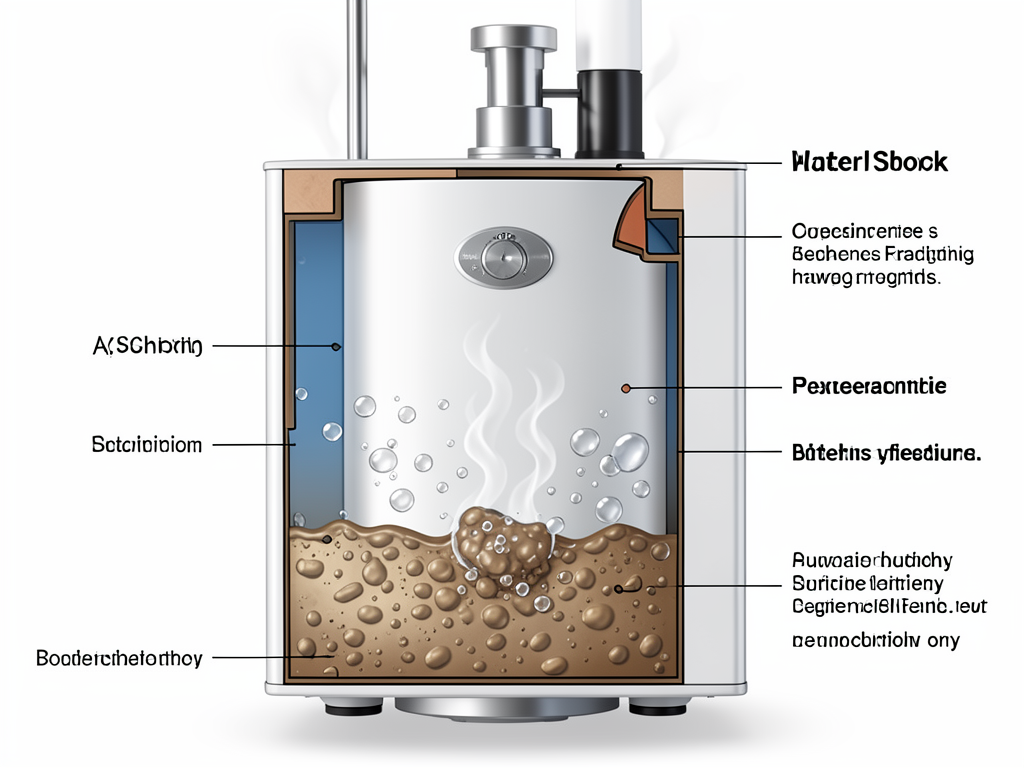
The popping noise comes from sediment buildup at the bottom of your water heater tank. Raleigh’s municipal water contains dissolved minerals like calcium and magnesium that settle over time. When your burner fires up, it heats water trapped beneath this sediment layer. The water turns to steam, creating pressure that bursts through the mineral deposits with a loud pop.
Kettling explained: Think of it like a pot of water with rocks at the bottom. The heat source sits below the rocks, and water pockets form underneath. When these pockets boil, they create the popping sounds you hear echoing through your Glenwood Brooklyn home.
Gas water heaters typically produce louder popping because the burner sits directly under the tank. Electric models can also make noise when sediment covers the heating elements, though the sound is usually less pronounced.
Is a Popping Water Heater Dangerous?
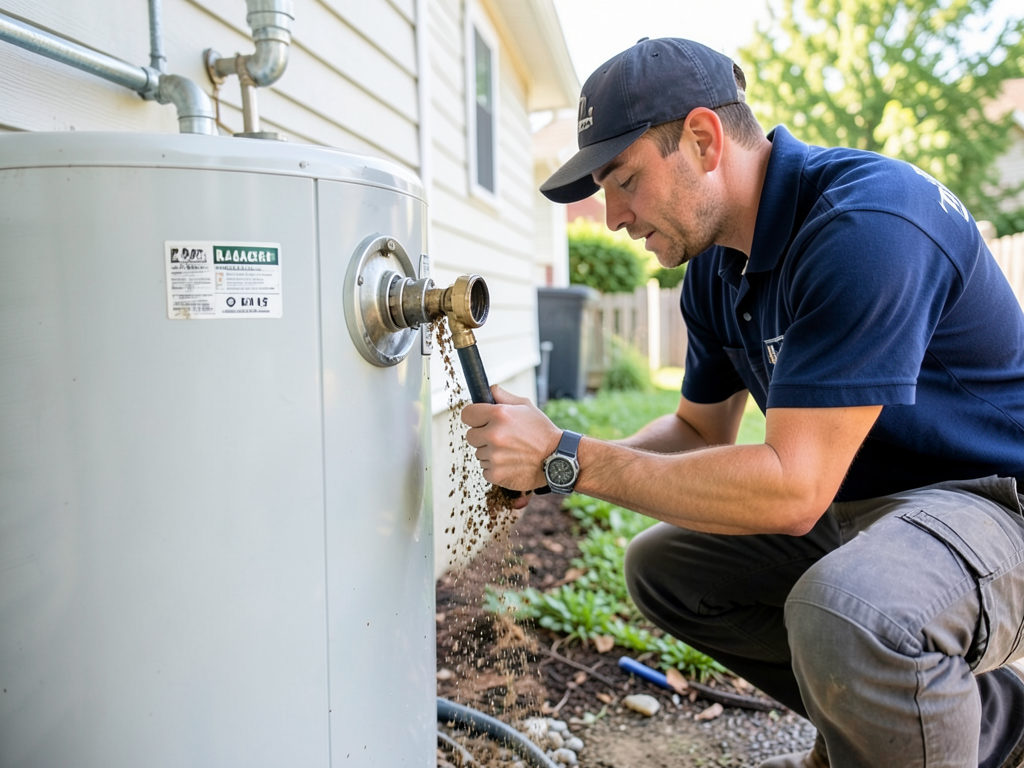
Yes, a popping water heater can become dangerous if left unaddressed. The sediment acts as insulation between the heat source and the water, forcing your system to work harder and hotter. This creates several risks:
- Pressure buildup: Steam pockets can create dangerous pressure levels inside the tank
- Tank overheating: The bottom of your tank can reach temperatures that weaken the steel
- Pressure relief valve strain: Your T&P valve works harder to manage excess pressure
- Energy waste: Your water heater uses 25-40% more energy to heat through sediment
The most serious danger is tank failure. When sediment buildup becomes severe, the tank bottom can weaken and eventually rupture, potentially flooding your Glenwood Brooklyn home with 40+ gallons of hot water.
Warning signs of imminent failure: If you notice water leaking from the bottom of your tank, rusty water from hot taps, or the popping sounds become constant and loud, turn off the unit immediately and call a professional.
How Raleigh’s Water Quality Impacts Your Water Heater
Raleigh’s water comes from the Neuse River and Falls Lake, treated by the City of Raleigh Public Utilities Department. The water here has moderate hardness levels, typically measuring 3-5 grains per gallon of calcium carbonate. While not extreme, this mineral content accumulates faster than in areas with softer water. EPA WaterSense program.
Wake County water facts: The calcium carbonate concentration in local water creates sediment buildup that can reduce your tank’s efficiency by up to 30% within 3-5 years. Glenwood Brooklyn homes, many built in the 1960s-1980s, often have original water heaters that have never been flushed.
The high humidity in Raleigh also contributes to the problem. Moisture in the air accelerates corrosion on the tank’s exterior and can affect the anode rod’s effectiveness, which normally protects against internal corrosion.
Step-by-Step: How to Flush Your Water Heater
Flushing your water heater removes sediment and can restore quiet operation. However, if your tank is over 10 years old or shows signs of corrosion, professional service is safer. Professional Drain Cleaning Services in Cary to Stop Stubborn Backups.
DIY flushing process:
- Turn off power or gas
Shut off electricity at the breaker or turn gas valve to “pilot” for gas models
- Connect garden hose
Attach to the drain valve at the bottom of the tank and run outside or to a floor drain
- Open hot water tap
Turn on a hot water faucet in your house to allow air into the system
- Drain the tank
Open the drain valve and let water flow until it runs clear
- Flush with cold water
briefly turn on the cold water supply to stir up remaining sediment
- Close and refill
Close the drain valve, remove the hose, and refill the tank completely
- Restore power
Turn electricity back on or relight the pilot light
Safety warning: The water coming from your tank can be extremely hot and may contain sediment that could clog drains. Wear protective gloves and eye protection.
If you’re not comfortable with this process or your tank is in a finished basement, call (984) 294-6422 for professional flushing service.
When to Call a Professional Raleigh Plumber
Some water heater problems require immediate professional attention. Call a licensed plumber if you notice: Who to Call for 24-7 Plumber Services in Wake Forest.
- Constant loud popping that doesn’t improve after flushing
- Water leaking from the tank or connections
- Rusty water only from hot taps
- Age over 10 years with any of the above symptoms
- Pressure relief valve discharging water
- Gas odor near the water heater
Professional service includes sediment removal, anode rod inspection, T&P valve testing, and checking for corrosion that DIY methods miss. A technician can also test your water pressure and recommend expansion tank installation if needed. Safe Gas Line Installation and Repairs for Residents in Rolesville.
North Carolina plumbing code requirement: Water heaters must have a properly sized expansion tank installed when closed-system check valves are present in the home’s plumbing. This prevents dangerous pressure buildup.
Cost of Water Heater Repair vs. Replacement in Raleigh
Understanding your options helps you make the right decision for your Glenwood Brooklyn home. Here’s what to expect:
| Service Type | Typical Cost Range | Best For |
|---|---|---|
| Professional Flushing | $150 – $300 | Units under 8 years with sediment noise |
| Anode Rod Replacement | $200 – $400 | Preventing tank corrosion |
| Pressure Relief Valve | $150 – $250 | Safety component failure |
| Water Heater Replacement | $1,200 – $2,500 | Units over 10 years or with tank damage |
| Tankless Conversion | $3,000 – $6,000 | Energy efficiency upgrade |
Factors affecting cost include tank size, energy type (gas vs. electric), installation complexity, and whether new venting or gas lines are needed. Glenwood Brooklyn homes often require updates to meet current code when replacing old units. Apartment Complex Plumbing.
Energy savings tip: A new high-efficiency water heater can reduce your energy bills by 15-30% compared to a unit over 10 years old.
Preventing Future Sediment Buildup
Once you’ve addressed the immediate popping noise, prevention keeps your water heater running quietly for years. Here’s how to minimize sediment accumulation:. Read more about Why Your Shower Temperature Keeps Jumping from Hot to Cold in Your Mordecai Bungalow.
- Annual flushing: Schedule professional flushing every 12 months
- Water softener installation: Reduces mineral content by up to 90%
- Expansion tank addition: Manages pressure and reduces stress on the tank
- Temperature adjustment: Set your heater to 120°F instead of 140°F to reduce mineral precipitation
- Regular inspections: Check the anode rod every 2-3 years
For Glenwood Brooklyn’s older homes, combining these steps can extend your water heater’s life by 5-8 years beyond the typical 8-12 year lifespan.
Frequently Asked Questions
Why does my water heater make noise only sometimes?
Intermittent popping usually occurs when the burner cycles on to maintain temperature. The noise is most noticeable during recovery after heavy hot water use, like morning showers or laundry cycles.
Can I keep using my water heater if it’s making popping noises?
You can use it temporarily, but the problem will worsen over time. The increased energy consumption and tank stress make immediate service advisable to prevent failure.
How long does a water heater flush take?
Professional flushing typically takes 1-2 hours. DIY flushing can take 3-4 hours including cooling time and multiple drain/refill cycles.
Will a water softener stop the popping noise?
A water softener prevents future sediment buildup but won’t remove existing sediment. You’ll need professional flushing first, then the softener prevents recurrence.
What’s the difference between popping and rumbling noises?
Popping is steam bubbles bursting through sediment. Rumbling is usually loose sediment moving around as water flows, indicating more advanced buildup that may require replacement.
Take Action Before Your Water Heater Fails
The popping noise from your water heater isn’t just annoying—it’s a warning sign that demands attention. In Glenwood Brooklyn’s older homes, sediment buildup can turn a simple maintenance issue into a costly flood or emergency replacement.
Don’t wait for the tank to fail. Professional inspection can determine whether flushing will solve the problem or if replacement is the safer, more cost-effective option.
Call (984) 294-6422 today to schedule your water heater inspection. Our Raleigh plumbers will diagnose the issue, provide a clear recommendation, and get your system running quietly and efficiently again.
Pick up the phone and call (984) 294-6422 before the next storm hits. Your peace of mind—and your home’s safety—are worth it. For more information, visit North Carolina water quality information.
{
“@context”: “https://schema.org”,
“@type”: “BlogPosting”,
“headline”: “Why Your Water Heater is Making Popping or Rumbling Noises in Your Glenwood Brooklyn House”,
“description”: “Popping noises from your water heater signal sediment buildup. Learn why it happens in Glenwood Brooklyn and when to call a Raleigh plumber before tank failure occurs.”,
“wordCount”: 1516,
“datePublished”: “2026-03-26T09:49:00.000Z”,
“dateModified”: “2026-03-26T09:49:00.000Z”,
“inLanguage”: “en-US”,
“mainEntityOfPage”: {
“@type”: “WebPage”,
“@id”: “https://ironwoodplumbingraleigh.com”
},
“publisher”: {
“@type”: “LocalBusiness”,
“name”: “Ironwood Plumbing Raleigh”,
“url”: “https://ironwoodplumbingraleigh.com”
},
“author”: {
“@type”: “Organization”,
“name”: “Ironwood Plumbing Raleigh”,
“url”: “https://ironwoodplumbingraleigh.com”
},
“image”: {
“@type”: “ImageObject”,
“url”: “https://ironwoodplumbingraleigh.com/wp-content/uploads/2026/03/why-your-water-heater-is-making-popping-or-rumblin-1.png”
}
}
{
“@context”: “https://schema.org”,
“@type”: “Plumber”,
“name”: “Ironwood Plumbing Raleigh”,
“url”: “https://ironwoodplumbingraleigh.com”,
“address”: {
“@type”: “PostalAddress”,
“addressLocality”: “Raleigh”
},
“areaServed”: {
“@type”: “City”,
“name”: “Raleigh”
}
}
{
“@context”: “https://schema.org”,
“@type”: “FAQPage”,
“mainEntity”: [
{
“@type”: “Question”,
“name”: “Why Is My Water Heater Making a Popping Sound?”,
“acceptedAnswer”: {
“@type”: “Answer”,
“text”: “The popping noise comes from sediment buildup at the bottom of your water heater tank. Raleigh’s municipal water contains dissolved minerals like calcium and magnesium that settle over time. When your burner fires up, it heats water trapped beneath this sediment layer. The water turns to steam, creating pressure that bursts through the mineral deposits with a loud pop.”
}
},
{
“@type”: “Question”,
“name”: “Is a Popping Water Heater Dangerous?”,
“acceptedAnswer”: {
“@type”: “Answer”,
“text”: “Yes, a popping water heater can become dangerous if left unaddressed. The sediment acts as insulation between the heat source and the water, forcing your system to work harder and hotter. This creates several risks:”
}
},
{
“@type”: “Question”,
“name”: “Why does my water heater make noise only sometimes?”,
“acceptedAnswer”: {
“@type”: “Answer”,
“text”: “Intermittent popping usually occurs when the burner cycles on to maintain temperature. The noise is most noticeable during recovery after heavy hot water use, like morning showers or laundry cycles.”
}
},
{
“@type”: “Question”,
“name”: “Can I keep using my water heater if it’s making popping noises?”,
“acceptedAnswer”: {
“@type”: “Answer”,
“text”: “You can use it temporarily, but the problem will worsen over time. The increased energy consumption and tank stress make immediate service advisable to prevent failure.”
}
},
{
“@type”: “Question”,
“name”: “How long does a water heater flush take?”,
“acceptedAnswer”: {
“@type”: “Answer”,
“text”: “Professional flushing typically takes 1-2 hours. DIY flushing can take 3-4 hours including cooling time and multiple drain/refill cycles.”
}
},
{
“@type”: “Question”,
“name”: “Will a water softener stop the popping noise?”,
“acceptedAnswer”: {
“@type”: “Answer”,
“text”: “A water softener prevents future sediment buildup but won’t remove existing sediment. You’ll need professional flushing first, then the softener prevents recurrence.”
}
},
{
“@type”: “Question”,
“name”: “What’s the difference between popping and rumbling noises?”,
“acceptedAnswer”: {
“@type”: “Answer”,
“text”: “Popping is steam bubbles bursting through sediment. Rumbling is usually loose sediment moving around as water flows, indicating more advanced buildup that may require replacement.”
}
}
]
}
{
“@context”: “https://schema.org”,
“@type”: “HowTo”,
“name”: “How to Flush a Water Heater”,
“step”: [
{
“@type”: “HowToStep”,
“position”: 1,
“name”: “Turn off power or gas”,
“text”: “Shut off electricity at the breaker or turn gas valve to \”pilot\” for gas models”
},
{
“@type”: “HowToStep”,
“position”: 2,
“name”: “Connect garden hose”,
“text”: “Attach to the drain valve at the bottom of the tank and run outside or to a floor drain”
},
{
“@type”: “HowToStep”,
“position”: 3,
“name”: “Open hot water tap”,
“text”: “Turn on a hot water faucet in your house to allow air into the system”
},
{
“@type”: “HowToStep”,
“position”: 4,
“name”: “Drain the tank”,
“text”: “Open the drain valve and let water flow until it runs clear”
},
{
“@type”: “HowToStep”,
“position”: 5,
“name”: “Flush with cold water”,
“text”: “briefly turn on the cold water supply to stir up remaining sediment”
},
{
“@type”: “HowToStep”,
“position”: 6,
“name”: “Close and refill”,
“text”: “Close the drain valve, remove the hose, and refill the tank completely”
},
{
“@type”: “HowToStep”,
“position”: 7,
“name”: “Restore power”,
“text”: “Turn electricity back on or relight the pilot light”
}
],
“image”: “https://ironwoodplumbingraleigh.com/wp-content/uploads/2026/03/why-your-water-heater-is-making-popping-or-rumblin-1.png”
}
{
“@context”: “https://schema.org”,
“@type”: “BreadcrumbList”,
“itemListElement”: [
{
“@type”: “ListItem”,
“position”: 1,
“name”: “Home”,
“item”: “https://ironwoodplumbingraleigh.com”
},
{
“@type”: “ListItem”,
“position”: 2,
“name”: “Blog”,
“item”: “https://ironwoodplumbingraleigh.com/blog”
},
{
“@type”: “ListItem”,
“position”: 3,
“name”: “Why Your Water Heater is Making Popping or Rumbling Noises in Your Glenwood Brooklyn House”
}
]
}
{
“@context”: “https://schema.org”,
“@type”: “Service”,
“serviceType”: “Plumbing”,
“provider”: {
“@type”: “LocalBusiness”,
“name”: “Ironwood Plumbing Raleigh”,
“url”: “https://ironwoodplumbingraleigh.com”
},
“areaServed”: {
“@type”: “City”,
“name”: “Raleigh”
},
“description”: “Popping noises from your water heater signal sediment buildup. Learn why it happens in Glenwood Brooklyn and when to call a Raleigh plumber before tank failure occurs.”
}