Blue or green stains in your sinks and tubs are more than just a cleaning headache. These colorful deposits are warning signs that your home’s copper plumbing is corroding from the inside out. In Wendell Falls, where many homes sit on private wells or near the Neuse River watershed, the water chemistry can be especially aggressive on metal pipes. The culprit is usually acidic water with a low pH level that eats away at copper, releasing copper carbonate and copper sulfate that settle as those telltale blue-green marks. Signs You Need Sewer Repair.
The stains themselves are called verdigris. They form when copper oxidizes in the presence of moisture and acidic compounds. If you see them, you are not just dealing with a cosmetic issue. You are looking at the early stages of pipe failure. Pinhole leaks can develop within months, leading to water damage behind walls and under floors. In older Wendell Falls homes built in the 1980s and 1990s, copper corrosion is a common problem that can shorten the lifespan of your entire plumbing system.. Read more about Understanding the Latest Water Quality Reports for Families Living in Rolesville.
The good news is that you can stop the corrosion and remove the stains. The first step is testing your water’s pH level. Anything below 7.0 is considered acidic and will accelerate copper breakdown. A professional plumber can run a full water analysis to check for dissolved oxygen, total dissolved solids, and other factors that contribute to galvanic corrosion. From there, you can choose between neutralizing the water with a calcite filter, installing a phosphate injection system, or replacing the pipes entirely with PEX, which is immune to this type of corrosion. Who to Call for 24-7 Plumber Services in Wake Forest.
Cleaning the stains is only a temporary fix. Vinegar and baking soda can remove surface deposits, but if the water chemistry is not corrected, the stains will return within weeks. For a permanent solution, you need to address the root cause. That means either treating the water or replacing the plumbing. In Wendell Falls, many homeowners choose a hybrid approach: installing a whole-house neutralizer to protect existing pipes while budgeting for a phased PEX repipe over the next few years.. Read more about Removing Red Iron Stains from the Water in Your Riverwood Athletic Club Home.
Ignoring the problem can lead to costly repairs. A single pinhole leak can cause thousands of dollars in damage if it goes unnoticed behind a wall. And because copper corrosion often happens at joints and fittings first, the failure points are not always visible until it is too late. If you see blue-green stains, do not wait. Call a licensed Raleigh plumber to test your water and inspect your pipes before a small stain turns into a flooded bathroom. EPA Lead and Copper Rule.
Understanding the Chemistry Behind Blue-Green Stains
The blue-green color comes from copper carbonate and copper sulfate, which form when copper reacts with carbonic acid in water. This reaction is accelerated by low pH, high dissolved oxygen, and stray electrical currents in your home’s grounding system. In Wendell Falls, many homes have well water that is naturally acidic due to the surrounding soil composition, which contains organic matter that lowers pH. Municipal water from Raleigh is typically more neutral, but it can still cause corrosion if your home has older copper pipes or improper electrical grounding.
Galvanic corrosion is another common cause. This happens when copper pipes are connected to other metals like galvanized steel without a dielectric union. The dissimilar metals create a small electrical current that speeds up the breakdown of the copper. You can test for this by checking for green buildup around pipe joints or using a multimeter to detect voltage between different sections of piping. If you find stray current, a plumber can install dielectric unions or correct the grounding to stop the corrosion.
Temperature also plays a role. Hot water accelerates chemical reactions, so you are more likely to see staining in your shower or bathtub than in your kitchen sink. If you notice the stains are worse on the hot water side, that is a strong indicator that the corrosion is happening inside your water heater or hot water lines. In some cases, replacing just the hot water piping with PEX can solve the problem without a full home repipe.
The EPA’s Lead and Copper Rule sets action levels for these metals in drinking water. While the stains themselves are not usually a health hazard, they indicate that copper is leaching into your water supply. At high enough levels, copper can cause stomach upset and other health issues. If you are seeing heavy staining, it is worth having your water tested for copper content to ensure it is within safe limits.

Image description: Close-up of blue-green copper carbonate stains in a porcelain bathtub, showing the characteristic turquoise coloration along the waterline and drain area. Professional Drain Cleaning Services in Cary to Stop Stubborn Backups.
Is Blue-Green Water Safe? Health and Home Impact
The EPA’s secondary drinking water standards consider copper levels above 1.0 mg/L to be a concern for taste and staining. While occasional exposure to low levels of copper is not dangerous, chronic ingestion can lead to gastrointestinal distress and, in extreme cases, liver damage. The real danger is not the stains themselves but what they reveal about your water quality. If copper is leaching from your pipes, other contaminants could be entering your water supply as well.
For most adults, the amount of copper ingested from drinking stained water is minimal. However, young children and people with Wilson’s disease, a genetic disorder that impairs copper metabolism, are more vulnerable. If you have infants or young children in your home, it is especially important to test your water and correct any corrosion issues. Boiling the water does not remove copper; in fact, it can concentrate it by reducing the water volume.
The home impact goes beyond health. Corroding pipes can lead to pinhole leaks that are small enough to go unnoticed for weeks. By the time you see water damage, the repair costs can be substantial. In Wendell Falls, where many homes have finished basements or luxury bathrooms, a single leak can ruin cabinetry, flooring, and personal belongings. The moisture from a slow leak also creates the perfect environment for mold growth, which brings its own set of health and structural concerns. Toilet Repair & Installation.
Another hidden cost is reduced water pressure. As corrosion progresses, it creates rough patches inside the pipe that catch sediment and mineral scale. Over time, this narrows the pipe’s internal diameter, reducing flow to fixtures. You might notice your shower pressure dropping or your washing machine taking longer to fill. These are signs that the corrosion is advanced enough to affect your daily water use.
If you are on a private well, the risk is higher. Well water in Wake County often has a pH between 5.5 and 6.5, which is well below the neutral 7.0 level. Without treatment, this acidic water will continue to eat away at your plumbing. A calcite neutralizer tank can raise the pH to a safe level and protect your pipes, but it requires periodic maintenance to replenish the calcite media. Wake County Water Quality Information.
Raleigh Water Specifics: Well Water vs. City Supply
Wendell Falls straddles the line between rural and suburban, so water sources vary by neighborhood. Homes closer to the Neuse River or connected to the City of Raleigh’s municipal system receive treated water with a pH around 7.5 to 8.0, which is slightly alkaline and less likely to cause corrosion. However, if your home has older copper pipes or improper grounding, you can still see staining even with neutral water.
Private wells are a different story. Well water in eastern Wake County often has a pH between 5.5 and 6.5 due to the local soil’s high organic content and lack of buffering minerals. This acidic water is highly corrosive to copper and can cause staining within months of installation. If you are on a well, regular water testing is essential. You should check pH, hardness, iron content, and total dissolved solids at least once a year, or more often if you notice changes in taste, odor, or staining. Safe Gas Line Installation and Repairs for Residents in Rolesville.
Another factor is the presence of dissolved oxygen. Well water that is aerated before entering your home can have higher oxygen levels, which accelerates oxidation of copper. Some well systems include a pressure tank with a diaphragm that can introduce oxygen into the water. If you have a bladder tank, make sure it is functioning correctly and not introducing excess air into the system.
Municipal water in Raleigh is treated with chlorine for disinfection, which can also contribute to corrosion in certain conditions. Chlorine is a strong oxidizer, and if your water has a low pH to begin with, the combination can be especially aggressive on copper. Homes with galvanized steel pipes are also at risk because the chlorine can cause the steel to corrode, creating debris that settles in copper lines and causes localized pitting.
If you are unsure about your water source, check your water bill or contact the City of Raleigh Public Utilities Department. They can tell you whether your home is on municipal water or a private well. If you are on a well, they can recommend certified laboratories for water testing. In either case, a licensed plumber can inspect your piping material and grounding system to identify potential corrosion risks.
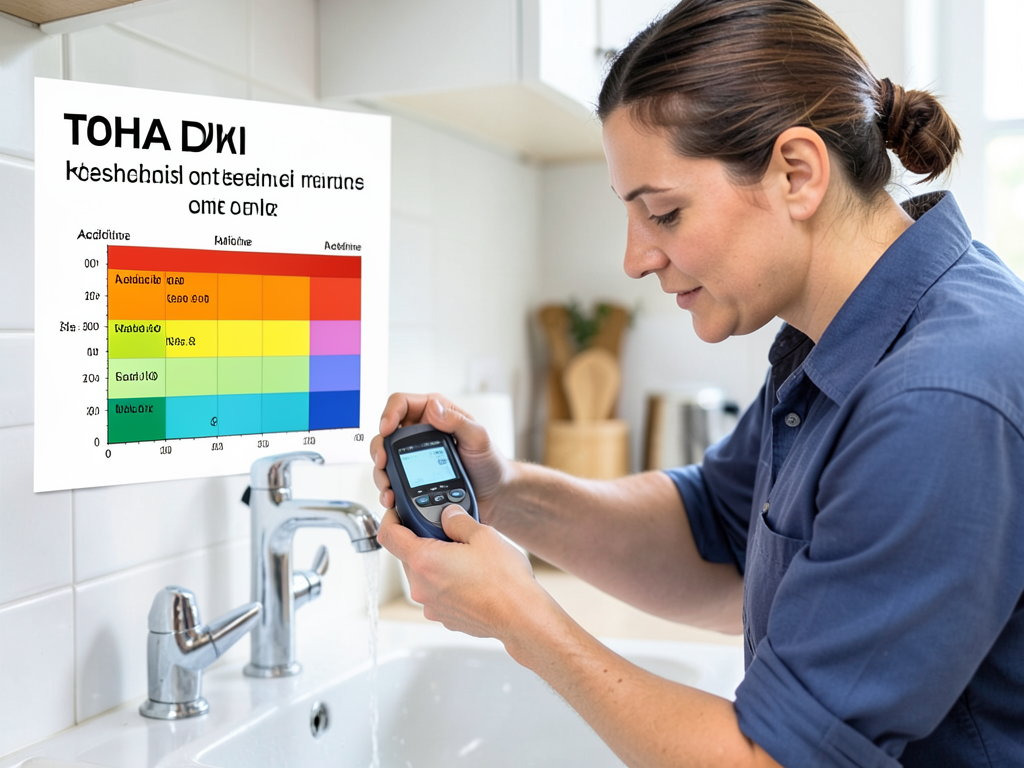
Image description: Technician using a digital pH meter to test water from a kitchen tap, with a color-coded chart showing the pH scale from acidic to alkaline.
Solutions: How to Stop Copper Corrosion for Good
The most effective way to stop copper corrosion is to neutralize your water’s pH. A calcite neutralizer tank is the most common solution. It works by passing water through a bed of crushed calcite, a calcium carbonate mineral that dissolves slightly to raise the water’s pH. The system is installed on your main water line and requires little maintenance beyond adding calcite every six to twelve months. For Wendell Falls homes with well water, this is often the first line of defense against staining.
If your water has high levels of dissolved solids or is extremely acidic, a chemical injection system might be necessary. These systems inject a small amount of soda ash or other alkaline solution into your water supply to raise the pH. They are more complex than calcite filters and require regular monitoring of chemical levels, but they can handle a wider range of water conditions. A professional plumber can help you decide which system is right for your home based on your water test results.
Another option is to install a phosphate injection system. Unlike neutralizers, which change the water’s chemistry, phosphate systems coat the inside of your pipes with a thin protective layer that prevents copper from leaching into the water. This method is effective for both municipal and well water and does not alter the taste or hardness of your water. However, it requires periodic refilling of the phosphate cartridge and does not address the underlying cause of corrosion.
For a permanent fix, consider replacing your copper pipes with PEX. Cross-linked polyethylene is immune to the type of corrosion that affects copper, and it is also more flexible and easier to install. A full home repipe is a significant investment, but it eliminates the risk of future leaks and staining. In older Wendell Falls homes, a phased approach is common: replacing the most vulnerable pipes first, such as those in the hot water system or under sinks, and completing the rest over time.
If you are building a new home or doing a major renovation, consider installing a water treatment system from the start. A combination of a neutralizer and a phosphate filter can protect your plumbing for decades. You can also choose PEX for all new installations, which removes the risk of copper corrosion entirely. While the upfront cost is higher, it can save you thousands in potential repairs and water damage.
Finally, check your home’s electrical grounding. Improper grounding can cause stray currents to flow through your plumbing, accelerating corrosion. A licensed electrician or plumber can test for this and install dielectric unions or ground the system properly. This step is often overlooked but can make a significant difference in the lifespan of your pipes.
DIY vs. Professional Plumbing Intervention
Cleaning blue-green stains yourself is possible, but it is only a temporary solution. For light staining, a paste of baking soda and water can lift surface deposits without scratching porcelain or chrome. For tougher stains, white vinegar or a commercial lime and rust remover can be effective. Always wear gloves and eye protection, and never mix cleaning chemicals, as some combinations can produce toxic fumes. After cleaning, wipe the surface dry to prevent new stains from forming.
The limitation of DIY cleaning is that it does not stop the underlying corrosion. If your water chemistry is the problem, the stains will return within weeks. You might also miss early signs of pipe failure, such as green buildup around joints or a metallic taste in your water. These are indicators that the corrosion is progressing and that professional intervention is needed.
A professional plumber can perform a full diagnostic, including water testing, pipe inspection, and electrical grounding check. They can also recommend the most cost-effective solution based on your home’s age, plumbing material, and water source. In some cases, a simple calcite filter is all you need. In others, a full repipe is the only way to prevent future damage. The key is to get an accurate diagnosis before investing in any solution.
Another advantage of professional service is code compliance. In Raleigh and Wake County, plumbing work must meet the North Carolina Plumbing Code, which includes specific requirements for pipe materials, fittings, and water treatment systems. A licensed plumber will ensure that any work done on your home meets these standards and will pull the necessary permits. This not only protects you from potential fines but also ensures that your home’s plumbing is safe and reliable.
If you are considering a repipe, ask your plumber about the different types of PEX available. Some are designed for hot water use, others for cold. Some are oxygen-resistant, which is important if you have a hydronic heating system. A knowledgeable plumber can help you choose the right material for each application and explain the pros and cons of different installation methods, such as open-wall versus minimal demolition.
Finally, consider the long-term value of professional service. While DIY cleaning might save you money in the short term, it does not address the risk of leaks, water damage, or mold growth. A professional solution might cost more upfront, but it can save you thousands in potential repairs and give you peace of mind that your plumbing is protected for years to come.
Protecting Your Home from Future Corrosion
Once you have addressed the immediate staining issue, take steps to prevent it from returning. If you installed a water treatment system, keep up with maintenance. Replace calcite media on schedule, check phosphate levels monthly, and test your water annually. If you notice changes in staining, taste, or odor, call your plumber for a follow-up test. Water conditions can change over time, especially in well systems where the water table fluctuates.
Inspect your plumbing regularly for early signs of trouble. Look for green or blue buildup around pipe joints, slow leaks under sinks, or a drop in water pressure. If you have a crawl space, check it every few months for signs of moisture or corrosion on exposed pipes. Early detection can mean the difference between a simple repair and a major repipe.
If you are on a well, consider installing a continuous monitoring system that alerts you to changes in pH or other water quality parameters. These systems can be connected to your smartphone and can notify you if conditions drift outside safe ranges. While they require an upfront investment, they can prevent costly damage by catching problems before they become visible.
For homes with a mix of old and new plumbing, consider a hybrid approach. Replace the most vulnerable sections first, such as hot water lines or pipes in high-risk areas like bathrooms and kitchens. Install a water treatment system to protect the remaining copper pipes. Over time, you can phase in a full repipe as your budget allows. This approach spreads the cost while still reducing your risk of leaks and staining.
Finally, educate yourself about your home’s plumbing. Know what type of pipes you have, where your main shutoff valve is located, and how to turn off water to individual fixtures. In the event of a leak, this knowledge can save you valuable time and prevent extensive damage. Keep the contact information for a trusted local plumber handy, and do not hesitate to call if you notice anything unusual.
Blue-green stains are a clear sign that your plumbing needs attention. Whether the solution is a simple water filter or a full repipe, the key is to act before a small problem becomes a major repair. In Wendell Falls, where many homes have unique water quality challenges, local expertise matters. A plumber familiar with the area’s soil, water, and building practices can provide the right solution for your home and help you avoid the costly consequences of copper corrosion.
Frequently Asked Questions
What causes blue-green stains in sinks and tubs?
Blue-green stains are caused by copper corrosion, which releases copper carbonate and copper sulfate into the water. These compounds settle on surfaces and create the characteristic turquoise discoloration. The corrosion is usually due to acidic water, high dissolved oxygen, or galvanic reactions between different metals in your plumbing system.
Are blue-green stains dangerous to my health?
While occasional exposure to low levels of copper is not dangerous for most adults, chronic ingestion can cause stomach upset and other health issues. The EPA sets an action level of 1.0 mg/L for copper in drinking water. If you see heavy staining, it is wise to test your water to ensure it is within safe limits, especially if you have young children or anyone with Wilson’s disease in your home.
Can I clean the stains myself?
Yes, you can remove surface stains with vinegar, baking soda, or a commercial lime and rust remover. However, cleaning does not stop the underlying corrosion. If your water chemistry is the problem, the stains will return within weeks. For a permanent solution, you need to address the root cause by treating your water or replacing your pipes.
How do I know if my water is acidic?
Water with a pH below 7.0 is considered acidic. You can test your water with a home pH test kit or, for more accurate results, have a professional plumber perform a full water analysis. Well water in Wake County often has a pH between 5.5 and 6.5, which is highly corrosive to copper pipes.
What is the best way to prevent copper corrosion?
The best prevention depends on your water source and plumbing material. For well water, a calcite neutralizer tank can raise the pH to a safe level. For municipal water, a phosphate injection system can coat pipes to prevent leaching. In older homes, replacing copper pipes with PEX is often the most reliable long-term solution.
How much does it cost to fix copper corrosion?
Costs vary widely depending on the solution. A calcite neutralizer tank typically costs between $800 and $1,500 installed. A phosphate injection system is similar in price. A full home repipe with PEX can range from $4,000 to $10,000 or more, depending on the size of your home and the extent of the work. A professional plumber can provide a detailed estimate after testing your water and inspecting your plumbing.
Can I just replace the visible pipes and leave the rest?
Replacing only the visible pipes might solve the immediate staining problem, but it does not address corrosion in the hidden sections of your plumbing. If your water is acidic, the remaining copper pipes will continue to corrode and may develop pinhole leaks. For complete protection, you need to either treat the water or replace all the vulnerable piping.
How long does it take to install a water treatment system?
Most water treatment systems can be installed in one day. A calcite neutralizer tank or phosphate injection system typically requires a few hours for installation and calibration. More complex systems, such as those with multiple filters or chemical injectors, might take a full day or two. Your plumber can give you a timeline after assessing your specific needs.
Will a water softener stop the staining?
A standard water softener removes hardness minerals like calcium and magnesium but does not raise the pH of acidic water. If your staining is due to low pH, you need a neutralizer or chemical injection system instead. Some advanced systems combine softening and pH correction, but they are more expensive and require more maintenance.
Do I need a permit to replace my plumbing?
Yes, in Raleigh and Wake County, any work that involves replacing or modifying your home’s plumbing requires a permit from the local building authority. A licensed plumber will pull the necessary permits and ensure the work meets the North Carolina Plumbing Code. This not only keeps you compliant but also protects you from potential fines or insurance issues.
Image description: Side-by-side comparison of corroded copper pipe (showing green oxidation and pinhole leaks) and new PEX piping, illustrating the durability and corrosion resistance of modern plumbing materials.
Take Action Before the Next Leak Happens
Blue-green stains are not just a cleaning nuisance. They are a warning sign that your home’s plumbing is under attack. In Wendell Falls, where many homes rely on private wells or have aging copper pipes, the risk of corrosion is higher than in other areas. The longer you wait, the greater the chance of a hidden leak causing thousands of dollars in damage.
The first step is simple: test your water. A quick pH test can tell you if your water is acidic enough to cause corrosion. From there, a licensed plumber can inspect your pipes, check your electrical grounding, and recommend the right solution. Whether it is a calcite neutralizer, a phosphate system, or a full repipe, the goal is the same: protect your home and your family from the costly consequences of copper corrosion.
Do not let a small stain turn into a flooded bathroom or a mold-infested wall. Call Ironwood Plumbing at (984) 294-6422 today to schedule your water test and plumbing inspection. Our local experts understand the unique challenges of Wendell Falls homes and can provide the right solution to keep your plumbing safe and your water clean. Pick up the phone now before the next leak happens.
If you are building a new home or planning a renovation, ask about our PEX repiping and water treatment options. Investing in the right materials and systems now can save you thousands in repairs later. At Ironwood Plumbing, we do not just fix leaks; we prevent them. Let us help you protect your home for years to come.
You may also find this helpful. Fixing a Leaky Garden Tub or Whirlpool in Your MacGregor Downs Master Suite.
{
“@context”: “https://schema.org”,
“@type”: “BlogPosting”,
“headline”: “Dealing with Blue or Green Stains in Your Sinks and Tubs in Wendell Falls”,
“description”: “Blue-green stains in your Wendell Falls bathroom signal copper pipe corrosion. Learn the causes, health risks, and permanent solutions from local Raleigh plumbers.”,
“wordCount”: 3869,
“datePublished”: “2026-04-02T09:49:00.000Z”,
“dateModified”: “2026-04-02T09:49:00.000Z”,
“inLanguage”: “en-US”,
“mainEntityOfPage”: {
“@type”: “WebPage”,
“@id”: “https://ironwoodplumbingraleigh.com”
},
“publisher”: {
“@type”: “LocalBusiness”,
“name”: “Ironwood Plumbing Raleigh”,
“url”: “https://ironwoodplumbingraleigh.com”
},
“author”: {
“@type”: “Organization”,
“name”: “Ironwood Plumbing Raleigh”,
“url”: “https://ironwoodplumbingraleigh.com”
},
“image”: {
“@type”: “ImageObject”,
“url”: “https://ironwoodplumbingraleigh.com/wp-content/uploads/2026/03/dealing-with-blue-or-green-stains-in-your-sinks-an-1.png”
}
}
{
“@context”: “https://schema.org”,
“@type”: “Plumber”,
“name”: “Ironwood Plumbing Raleigh”,
“url”: “https://ironwoodplumbingraleigh.com”,
“address”: {
“@type”: “PostalAddress”,
“addressLocality”: “Raleigh”
},
“areaServed”: {
“@type”: “City”,
“name”: “Raleigh”
}
}
{
“@context”: “https://schema.org”,
“@type”: “FAQPage”,
“mainEntity”: [
{
“@type”: “Question”,
“name”: “What causes blue-green stains in sinks and tubs?”,
“acceptedAnswer”: {
“@type”: “Answer”,
“text”: “Blue-green stains are caused by copper corrosion, which releases copper carbonate and copper sulfate into the water. These compounds settle on surfaces and create the characteristic turquoise discoloration. The corrosion is usually due to acidic water, high dissolved oxygen, or galvanic reactions between different metals in your plumbing system.”
}
},
{
“@type”: “Question”,
“name”: “Are blue-green stains dangerous to my health?”,
“acceptedAnswer”: {
“@type”: “Answer”,
“text”: “While occasional exposure to low levels of copper is not dangerous for most adults, chronic ingestion can cause stomach upset and other health issues. The EPA sets an action level of 1.0 mg/L for copper in drinking water. If you see heavy staining, it is wise to test your water to ensure it is within safe limits, especially if you have young children or anyone with Wilson’s disease in your home.”
}
},
{
“@type”: “Question”,
“name”: “Can I clean the stains myself?”,
“acceptedAnswer”: {
“@type”: “Answer”,
“text”: “Yes, you can remove surface stains with vinegar, baking soda, or a commercial lime and rust remover. However, cleaning does not stop the underlying corrosion. If your water chemistry is the problem, the stains will return within weeks. For a permanent solution, you need to address the root cause by treating your water or replacing your pipes.”
}
},
{
“@type”: “Question”,
“name”: “How do I know if my water is acidic?”,
“acceptedAnswer”: {
“@type”: “Answer”,
“text”: “Water with a pH below 7.0 is considered acidic. You can test your water with a home pH test kit or, for more accurate results, have a professional plumber perform a full water analysis. Well water in Wake County often has a pH between 5.5 and 6.5, which is highly corrosive to copper pipes.”
}
},
{
“@type”: “Question”,
“name”: “What is the best way to prevent copper corrosion?”,
“acceptedAnswer”: {
“@type”: “Answer”,
“text”: “The best prevention depends on your water source and plumbing material. For well water, a calcite neutralizer tank can raise the pH to a safe level. For municipal water, a phosphate injection system can coat pipes to prevent leaching. In older homes, replacing copper pipes with PEX is often the most reliable long-term solution.”
}
},
{
“@type”: “Question”,
“name”: “How much does it cost to fix copper corrosion?”,
“acceptedAnswer”: {
“@type”: “Answer”,
“text”: “Costs vary widely depending on the solution. A calcite neutralizer tank typically costs between $800 and $1,500 installed. A phosphate injection system is similar in price. A full home repipe with PEX can range from $4,000 to $10,000 or more, depending on the size of your home and the extent of the work. A professional plumber can provide a detailed estimate after testing your water and inspecting your plumbing.”
}
},
{
“@type”: “Question”,
“name”: “Can I just replace the visible pipes and leave the rest?”,
“acceptedAnswer”: {
“@type”: “Answer”,
“text”: “Replacing only the visible pipes might solve the immediate staining problem, but it does not address corrosion in the hidden sections of your plumbing. If your water is acidic, the remaining copper pipes will continue to corrode and may develop pinhole leaks. For complete protection, you need to either treat the water or replace all the vulnerable piping.”
}
},
{
“@type”: “Question”,
“name”: “How long does it take to install a water treatment system?”,
“acceptedAnswer”: {
“@type”: “Answer”,
“text”: “Most water treatment systems can be installed in one day. A calcite neutralizer tank or phosphate injection system typically requires a few hours for installation and calibration. More complex systems, such as those with multiple filters or chemical injectors, might take a full day or two. Your plumber can give you a timeline after assessing your specific needs.”
}
},
{
“@type”: “Question”,
“name”: “Will a water softener stop the staining?”,
“acceptedAnswer”: {
“@type”: “Answer”,
“text”: “A standard water softener removes hardness minerals like calcium and magnesium but does not raise the pH of acidic water. If your staining is due to low pH, you need a neutralizer or chemical injection system instead. Some advanced systems combine softening and pH correction, but they are more expensive and require more maintenance.”
}
},
{
“@type”: “Question”,
“name”: “Do I need a permit to replace my plumbing?”,
“acceptedAnswer”: {
“@type”: “Answer”,
“text”: “Yes, in Raleigh and Wake County, any work that involves replacing or modifying your home’s plumbing requires a permit from the local building authority. A licensed plumber will pull the necessary permits and ensure the work meets the North Carolina Plumbing Code. This not only keeps you compliant but also protects you from potential fines or insurance issues.”
}
}
]
}
{
“@context”: “https://schema.org”,
“@type”: “BreadcrumbList”,
“itemListElement”: [
{
“@type”: “ListItem”,
“position”: 1,
“name”: “Home”,
“item”: “https://ironwoodplumbingraleigh.com”
},
{
“@type”: “ListItem”,
“position”: 2,
“name”: “Blog”,
“item”: “https://ironwoodplumbingraleigh.com/blog”
},
{
“@type”: “ListItem”,
“position”: 3,
“name”: “Dealing with Blue or Green Stains in Your Sinks and Tubs in Wendell Falls”
}
]
}
{
“@context”: “https://schema.org”,
“@type”: “Service”,
“serviceType”: “Plumbing”,
“provider”: {
“@type”: “LocalBusiness”,
“name”: “Ironwood Plumbing Raleigh”,
“url”: “https://ironwoodplumbingraleigh.com”
},
“areaServed”: {
“@type”: “City”,
“name”: “Raleigh”
},
“description”: “Blue-green stains in your Wendell Falls bathroom signal copper pipe corrosion. Learn the causes, health risks, and permanent solutions from local Raleigh plumbers.”
}