Converting Your Property from Septic to City Sewer in Rolesville What to Expect
Switching from a septic system to municipal sewer in Rolesville is a significant upgrade for homeowners facing aging septic tanks or expanding properties. The process involves working with Wake County Environmental Services and Rolesville’s utility department to decommission your old system and connect to the city’s sewer main. This guide walks you through every step from permitting to final inspection so you can make an informed decision about your property’s future. Wake County Environmental Services.
Why Convert from Septic to City Sewer in Rolesville
Many Rolesville homes built before 2000 rely on septic systems that are now nearing the end of their 20-30 year lifespan. Rising property values and lot sizes in the area make sewer connection more attractive than costly septic repairs. The town’s growth has also expanded sewer infrastructure making municipal service available to more neighborhoods than ever before. Rolesville Utility Department.
Common triggers for conversion include failing drain fields that create wet spots in your yard repeated pump-outs that signal system failure or plans to add square footage that your septic cannot handle. Wake County requires new construction to connect to available sewer service when building permits are issued making conversion mandatory for many renovation projects. Professional Drain Cleaning Services in Cary to Stop Stubborn Backups.
Environmental concerns also drive decisions. Rolesville sits in the Neuse River basin where failing septic systems can leach contaminants into groundwater. City sewer provides centralized treatment that protects both your property and the surrounding watershed from nutrient pollution and bacterial contamination. Signs You Need Sewer Repair.
Our Rolesville Septic-to-Sewer Conversion Process
The conversion process typically takes 4-6 weeks from permit approval to final inspection. Your licensed plumber begins with a site assessment to locate existing septic components and determine the best path for the new sewer lateral. This includes marking utility lines and checking for obstacles like trees or retaining walls that could complicate trenching. Who to Call for 24-7 Plumber Services in Wake Forest.
Permitting requires submitting plans to Wake County Environmental Services showing the decommissioned septic tank location and proposed sewer connection point. The county reviews for compliance with North Carolina plumbing code and environmental regulations. Once approved your plumber schedules utility locates through the NC811 system to prevent damage to underground lines. NC811 utility locate service.
Septic tank decommissioning follows strict protocols. The tank must be pumped completely dry by a licensed septic hauler. Then it gets crushed in place or removed entirely depending on site conditions. The crushed tank gets filled with sand or gravel and compacted to prevent future settling. Drain field lines get excavated and backfilled similarly.
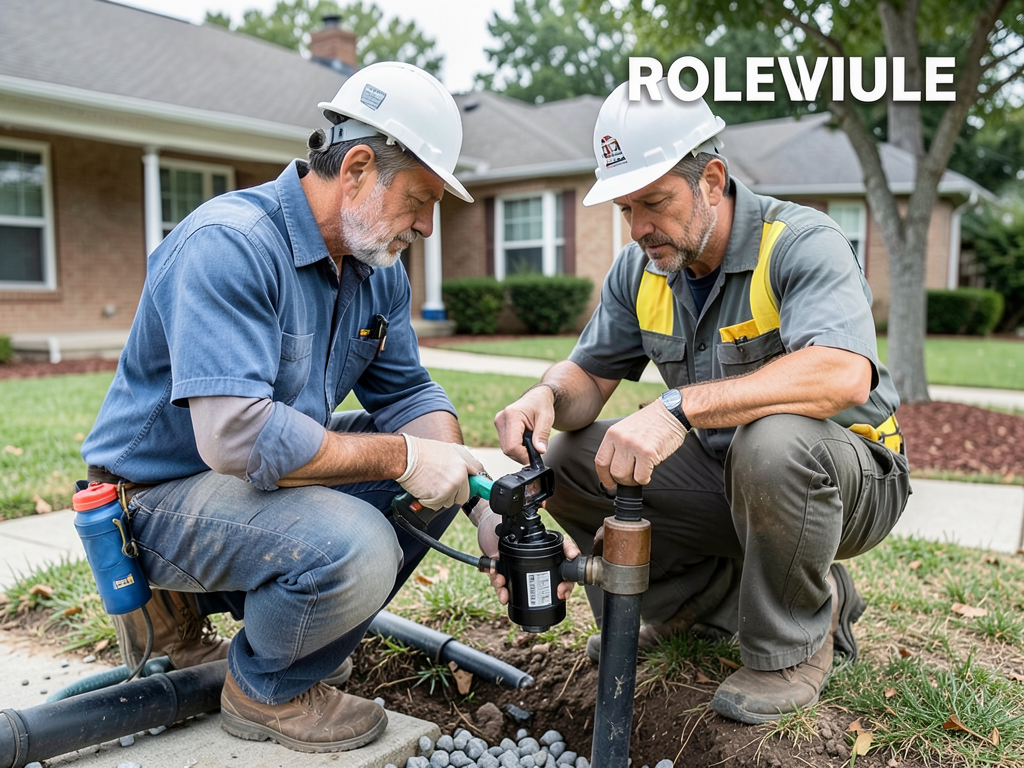
New sewer lateral installation typically uses schedule 40 PVC pipe buried 18-24 inches deep in Rolesville’s clay soil. Your plumber connects to the city main using a tapping saddle or wye fitting. The connection point must be accessible for future maintenance. After installation the trench gets backfilled in layers with proper compaction to prevent sinkholes. Safe Gas Line Installation and Repairs for Residents in Rolesville.
Rolesville Water Connection Fees and Requirements
Connecting to Rolesville’s sewer system requires paying tap fees to the town’s utility department. As of 2026 residential sewer tap fees run approximately $2500-3500 depending on your property size and location within the town limits. This fee covers the cost of tapping into the municipal main and initial connection to your home.
Additional assessment fees may apply if your property is outside the current service area. Rolesville charges impact fees based on the equivalent dwelling units your connection represents. A single-family home typically pays one unit worth of impact fees while larger properties may pay more.
The town requires a licensed plumber to pull the sewer connection permit and perform all work. Your plumber submits the permit application along with site plans and a description of the proposed work. The utility department reviews for compliance with Rolesville’s cross-connection control program and backflow prevention requirements.
Post-installation inspections verify proper pipe slope cleanouts and watertight connections. The town requires a final inspection before activating sewer service. Missing this step means your connection remains inactive until the inspection passes potentially delaying occupancy for new construction projects.
Cost Factors for Sewer Line Installation in Wake County
Septic to sewer conversion costs vary widely based on several factors. Distance from your home to the city main significantly impacts trenching expenses. A 50-foot run might cost $3000-5000 while a 200-foot run could exceed $12000 due to longer pipe runs and more excavation.
Soil conditions affect both equipment needs and labor time. Rolesville’s clay soil requires different excavation techniques than sandy areas. Clay can be harder to dig but provides better trench stability. Your plumber may need larger equipment or additional crew members to handle difficult soil conditions.
Existing landscaping and hardscaping add costs if they need removal or replacement. Driveway crossings require saw-cutting and patching. Trees within the trench path may need removal or careful tunneling under roots to preserve them. Each obstacle adds time and materials to the project.
Permitting fees from Wake County Environmental Services run $300-600 depending on project complexity. Additional fees apply for septic tank pumping and disposal which typically cost $300-500. If your tank is concrete crushing fees add another $200-400 to the total.
Financing options exist through Rolesville’s utility department for qualified homeowners. The town offers payment plans that spread tap fees over 24-36 months. Some homeowners also explore home equity loans or lines of credit to cover conversion costs especially when planning other renovations.
Benefits of Municipal Sewer Connection
Municipal sewer eliminates the maintenance headaches of septic systems. No more scheduling pump-outs every 3-5 years or worrying about what goes down your drains. City sewer handles everything from normal household waste to occasional grease or paper products without the risk of system backups.
Property values typically increase when homes convert to city sewer. Buyers view municipal service as more reliable and require less maintenance than septic systems. In Rolesville’s growing market homes with city utilities often sell faster and at higher prices than comparable septic properties.
Environmental benefits extend beyond your property line. City sewer connects to Rolesville’s wastewater treatment plant where biological and chemical processes remove contaminants before discharge. This centralized treatment protects groundwater quality and reduces the risk of surface water pollution from failing septic systems.
Future expansion becomes easier with city sewer. Adding bathrooms kitchens or outdoor living spaces won’t stress your system capacity. Many homeowners convert specifically to enable renovations they’ve been putting off due to septic limitations.
Insurance considerations also favor municipal connections. Some insurers offer better rates for homes on city utilities viewing them as lower risk for water damage and contamination claims. This can offset some of the conversion costs over time through reduced premiums.
Frequently Asked Questions About Rolesville Sewer Conversions
How long does a septic to sewer conversion take?
The entire process typically takes 4-6 weeks from permit application to final inspection. This includes 1-2 weeks for permitting 1 week for septic pumping and tank removal 2-3 days for sewer installation and 1 week for inspections and service activation.
Can I keep my septic system as a backup?
No. Wake County requires complete decommissioning of septic systems when connecting to available municipal sewer. The tank must be pumped crushed and filled. Keeping an active septic system alongside city sewer creates cross-connection risks and violates plumbing code.
What if my property is outside Rolesville town limits?
Properties in unincorporated Wake County may still connect to Rolesville sewer if the line runs nearby. You’ll pay higher tap fees and may need to annex into the town’s utility district. Your plumber can check availability and costs for your specific location.
Will I need to replace my plumbing fixtures?
No. City sewer works with your existing plumbing system. The conversion only affects the connection from your home to the street. Your toilets sinks and drains continue working normally once the new sewer lateral is connected. Toilet Repair & Installation.
Are there any tax benefits for converting?
While there aren’t direct tax credits for septic to sewer conversion you may qualify for energy efficiency or home improvement loan programs through local banks. The increased property value from municipal utilities can also provide long-term financial benefits when selling.
What happens if I sell my home before completing the conversion?
Buyers often require septic to sewer conversion as a condition of sale especially for older systems. Converting before listing can make your home more attractive to buyers and potentially increase your sale price. Some sellers negotiate conversion costs into the sale price.
Can I do any of the work myself?
North Carolina plumbing code requires licensed professionals to perform sewer connections and septic decommissioning. DIY work violates permit requirements and can create serious health and environmental hazards. Always hire a licensed plumber familiar with Wake County regulations.
What if I discover problems during excavation?
Unexpected issues like collapsed pipes tree roots or utility conflicts are common during conversions. Your plumber should include contingency allowances in your contract for unforeseen conditions. Most projects stay within 10-15% of the original estimate despite these discoveries.
How do I know if sewer is available at my property?
Contact Rolesville’s utility department or your plumber to check sewer availability. They can review town maps showing current service areas and estimate connection costs. Even if the main isn’t in front of your home nearby connections might make conversion feasible.
What maintenance does city sewer require?
City sewer systems require minimal maintenance compared to septic. You should still avoid flushing non-biodegradable items and schedule periodic sewer line cleaning if you experience slow drains. Your plumber can recommend cleaning intervals based on your household size and usage patterns.
Can I convert if I have a commercial property?
Yes. Commercial properties follow similar conversion processes but may have additional requirements for grease interceptors floor drains or industrial waste connections. Wake County and Rolesville have specific regulations for commercial sewer connections that your plumber will address during planning.
What documentation do I need to keep?
Keep copies of all permits inspection reports and contractor invoices. These documents prove proper decommissioning if you sell your home later. Some homeowners also keep photos of the tank removal and final grading for their records.
How does weather affect the conversion timeline?
Rain can delay excavation and backfilling work. Most plumbers monitor weather forecasts and schedule accordingly. Clay soil in Rolesville can become difficult to work with when saturated potentially extending project timelines during wet seasons.
What if I’m not satisfied with the work?
Choose a plumber who offers written warranties on their work. Most reputable contractors guarantee their installations for 1-2 years. Wake County also requires final inspections providing an additional quality check before you pay the final balance.
Can I convert during home renovations?
Yes. Many homeowners coordinate sewer conversion with other projects like kitchen remodels or room additions. This can save money by combining excavation costs and minimizing property disruption. Just ensure your contractor coordinates all permits and inspections properly.
What if I have a well in addition to septic?
Converting to city sewer doesn’t affect your well. Many Rolesville homes maintain both systems since sewer only handles wastewater while the well provides fresh water. Your plumber can confirm if any special considerations apply to your specific setup.
How do I prepare my property for conversion?
Clear the work area of outdoor furniture vehicles and delicate landscaping. Mark any sprinkler heads or invisible fence lines. Discuss access routes with your plumber so they can minimize damage to driveways and lawns. Most contractors use protective measures but some disruption is inevitable.
What if I discover contamination during excavation?
If your plumber finds evidence of soil contamination or groundwater pollution they must report it to Wake County Environmental Services. The county may require additional testing or remediation before allowing sewer connection. This is rare but important for protecting public health.
Can I finance the conversion through Rolesville?
Rolesville offers payment plans for tap fees but not for the entire conversion. You’ll need to arrange separate financing for plumbing work through your contractor or a third-party lender. Some plumbers partner with financing companies to offer competitive rates.
What if I need emergency service during conversion?
Most conversions include temporary bypass systems to maintain bathroom use during construction. If you experience plumbing emergencies your contractor should provide emergency contact information. Some plumbers keep backup crews available for urgent issues during longer projects.
How do I know if conversion makes financial sense?
Compare your septic maintenance costs against projected sewer fees. Factor in potential property value increases and avoided septic replacement costs. Many homeowners find conversion pays for itself within 5-7 years through eliminated maintenance and increased home equity.
What if I have a grinder pump instead of gravity sewer?
Some Rolesville properties require grinder pumps when gravity flow isn’t possible due to elevation changes. These systems cost more to install but function similarly to gravity systems once operational. Your plumber will test for proper flow and pump capacity during installation.
Can I convert if I’m in a historic district?
Historic district properties may need additional approvals from local preservation boards. The conversion process remains the same but you’ll need to ensure all work complies with historic district guidelines. Some homeowners choose trenchless methods to minimize visible impact.
What if I have a commercial kitchen?
Commercial kitchens require grease interceptors and may need larger sewer lines than residential properties. Wake County has specific requirements for food service establishments connecting to municipal sewer. Your plumber will ensure your system meets all commercial plumbing codes.
How do I handle landscaping after conversion?
Most plumbers include basic restoration like seeding and strawing in their contracts. For extensive landscaping you may need to hire a separate contractor. Some homeowners use the conversion as an opportunity to redesign their yard layout.
What if I have questions after the project completes?
Choose a plumber who provides post-installation support. Most reputable contractors offer maintenance advice and troubleshooting assistance for the life of the system. Keep their contact information handy for any questions about your new sewer connection.
Can I convert if I have a pool or outdoor kitchen?
Yes. Additional plumbing fixtures may require upsizing your sewer lateral or adding cleanouts. Your plumber will calculate your total wastewater flow to ensure your connection meets all code requirements for your specific usage patterns.
What if I’m building a new home?
New construction must connect to available sewer service when permits are issued. The conversion process is similar but occurs during initial construction rather than as a retrofit. Your builder will coordinate with the utility department and plumber to ensure proper sequencing.
How do I verify the work was done correctly?
Request video inspection of your new sewer line before final backfill. This documents proper installation and identifies any issues before they’re buried. Your plumber should also provide as-built drawings showing all connections and cleanout locations.
What if I have an aerobic septic system?
Aerobic systems require special handling during conversion since they contain electrical components and treatment media. Your plumber will coordinate with the septic service company to properly decommission the system while maintaining any required electrical disconnects.
Ready to Convert Your Rolesville Property to City Sewer?
Converting from septic to city sewer is a smart investment for Rolesville homeowners looking to eliminate maintenance headaches and increase property value. The process requires proper planning licensed professionals and compliance with Wake County and Rolesville regulations.
Call (984) 294-6422 today to schedule your site assessment and receive a detailed conversion estimate. Our experienced team understands Rolesville’s specific requirements and can guide you through every step of the process. Don’t wait until your septic system fails – upgrade to reliable city sewer service now.
Ironwood Plumbing has served the Rolesville community for years helping homeowners make the transition to municipal sewer with minimal disruption. We handle everything from permitting to final inspection ensuring your conversion meets all local codes and requirements.
Pick up the phone and call (984) 294-6422 before the next storm hits. A failing septic system can create emergency situations that are far more expensive than planned conversion. Let us help you make the switch to worry-free city sewer service.
{
“@context”: “https://schema.org”,
“@type”: “BlogPosting”,
“headline”: “Converting Your Property from Septic to City Sewer in Rolesville (What to Expect)”,
“description”: “Learn the septic to city sewer conversion process in Rolesville including costs permits and local requirements from experienced plumbers.”,
“wordCount”: 2712,
“datePublished”: “2026-03-18T07:56:00.000Z”,
“dateModified”: “2026-03-18T07:56:00.000Z”,
“inLanguage”: “en-US”,
“mainEntityOfPage”: {
“@type”: “WebPage”,
“@id”: “https://ironwoodplumbingraleigh.com”
},
“publisher”: {
“@type”: “LocalBusiness”,
“name”: “Ironwood Plumbing Raleigh”,
“url”: “https://ironwoodplumbingraleigh.com”
},
“author”: {
“@type”: “Organization”,
“name”: “Ironwood Plumbing Raleigh”,
“url”: “https://ironwoodplumbingraleigh.com”
},
“image”: {
“@type”: “ImageObject”,
“url”: “https://ironwoodplumbingraleigh.com/wp-content/uploads/2026/03/converting-your-property-from-septic-to-city-sewer-1.png”
}
}
{
“@context”: “https://schema.org”,
“@type”: “Plumber”,
“name”: “Ironwood Plumbing Raleigh”,
“url”: “https://ironwoodplumbingraleigh.com”,
“address”: {
“@type”: “PostalAddress”,
“addressLocality”: “Raleigh”
},
“areaServed”: {
“@type”: “City”,
“name”: “Raleigh”
}
}
{
“@context”: “https://schema.org”,
“@type”: “FAQPage”,
“mainEntity”: [
{
“@type”: “Question”,
“name”: “How long does a septic to sewer conversion take?”,
“acceptedAnswer”: {
“@type”: “Answer”,
“text”: “The entire process typically takes 4-6 weeks from permit application to final inspection. This includes 1-2 weeks for permitting 1 week for septic pumping and tank removal 2-3 days for sewer installation and 1 week for inspections and service activation.”
}
},
{
“@type”: “Question”,
“name”: “Can I keep my septic system as a backup?”,
“acceptedAnswer”: {
“@type”: “Answer”,
“text”: “No. Wake County requires complete decommissioning of septic systems when connecting to available municipal sewer. The tank must be pumped crushed and filled. Keeping an active septic system alongside city sewer creates cross-connection risks and violates plumbing code.”
}
},
{
“@type”: “Question”,
“name”: “What if my property is outside Rolesville town limits?”,
“acceptedAnswer”: {
“@type”: “Answer”,
“text”: “Properties in unincorporated Wake County may still connect to Rolesville sewer if the line runs nearby. You’ll pay higher tap fees and may need to annex into the town’s utility district. Your plumber can check availability and costs for your specific location.”
}
},
{
“@type”: “Question”,
“name”: “Will I need to replace my plumbing fixtures?”,
“acceptedAnswer”: {
“@type”: “Answer”,
“text”: “No. City sewer works with your existing plumbing system. The conversion only affects the connection from your home to the street. Your toilets sinks and drains continue working normally once the new sewer lateral is connected. Toilet Repair & Installation.”
}
},
{
“@type”: “Question”,
“name”: “Are there any tax benefits for converting?”,
“acceptedAnswer”: {
“@type”: “Answer”,
“text”: “While there aren’t direct tax credits for septic to sewer conversion you may qualify for energy efficiency or home improvement loan programs through local banks. The increased property value from municipal utilities can also provide long-term financial benefits when selling.”
}
},
{
“@type”: “Question”,
“name”: “What happens if I sell my home before completing the conversion?”,
“acceptedAnswer”: {
“@type”: “Answer”,
“text”: “Buyers often require septic to sewer conversion as a condition of sale especially for older systems. Converting before listing can make your home more attractive to buyers and potentially increase your sale price. Some sellers negotiate conversion costs into the sale price.”
}
},
{
“@type”: “Question”,
“name”: “Can I do any of the work myself?”,
“acceptedAnswer”: {
“@type”: “Answer”,
“text”: “North Carolina plumbing code requires licensed professionals to perform sewer connections and septic decommissioning. DIY work violates permit requirements and can create serious health and environmental hazards. Always hire a licensed plumber familiar with Wake County regulations.”
}
},
{
“@type”: “Question”,
“name”: “What if I discover problems during excavation?”,
“acceptedAnswer”: {
“@type”: “Answer”,
“text”: “Unexpected issues like collapsed pipes tree roots or utility conflicts are common during conversions. Your plumber should include contingency allowances in your contract for unforeseen conditions. Most projects stay within 10-15% of the original estimate despite these discoveries.”
}
},
{
“@type”: “Question”,
“name”: “How do I know if sewer is available at my property?”,
“acceptedAnswer”: {
“@type”: “Answer”,
“text”: “Contact Rolesville’s utility department or your plumber to check sewer availability. They can review town maps showing current service areas and estimate connection costs. Even if the main isn’t in front of your home nearby connections might make conversion feasible.”
}
},
{
“@type”: “Question”,
“name”: “What maintenance does city sewer require?”,
“acceptedAnswer”: {
“@type”: “Answer”,
“text”: “City sewer systems require minimal maintenance compared to septic. You should still avoid flushing non-biodegradable items and schedule periodic sewer line cleaning if you experience slow drains. Your plumber can recommend cleaning intervals based on your household size and usage patterns.”
}
},
{
“@type”: “Question”,
“name”: “Can I convert if I have a commercial property?”,
“acceptedAnswer”: {
“@type”: “Answer”,
“text”: “Yes. Commercial properties follow similar conversion processes but may have additional requirements for grease interceptors floor drains or industrial waste connections. Wake County and Rolesville have specific regulations for commercial sewer connections that your plumber will address during planning.”
}
},
{
“@type”: “Question”,
“name”: “What documentation do I need to keep?”,
“acceptedAnswer”: {
“@type”: “Answer”,
“text”: “Keep copies of all permits inspection reports and contractor invoices. These documents prove proper decommissioning if you sell your home later. Some homeowners also keep photos of the tank removal and final grading for their records.”
}
},
{
“@type”: “Question”,
“name”: “How does weather affect the conversion timeline?”,
“acceptedAnswer”: {
“@type”: “Answer”,
“text”: “Rain can delay excavation and backfilling work. Most plumbers monitor weather forecasts and schedule accordingly. Clay soil in Rolesville can become difficult to work with when saturated potentially extending project timelines during wet seasons.”
}
},
{
“@type”: “Question”,
“name”: “What if I’m not satisfied with the work?”,
“acceptedAnswer”: {
“@type”: “Answer”,
“text”: “Choose a plumber who offers written warranties on their work. Most reputable contractors guarantee their installations for 1-2 years. Wake County also requires final inspections providing an additional quality check before you pay the final balance.”
}
},
{
“@type”: “Question”,
“name”: “Can I convert during home renovations?”,
“acceptedAnswer”: {
“@type”: “Answer”,
“text”: “Yes. Many homeowners coordinate sewer conversion with other projects like kitchen remodels or room additions. This can save money by combining excavation costs and minimizing property disruption. Just ensure your contractor coordinates all permits and inspections properly.”
}
},
{
“@type”: “Question”,
“name”: “What if I have a well in addition to septic?”,
“acceptedAnswer”: {
“@type”: “Answer”,
“text”: “Converting to city sewer doesn’t affect your well. Many Rolesville homes maintain both systems since sewer only handles wastewater while the well provides fresh water. Your plumber can confirm if any special considerations apply to your specific setup.”
}
},
{
“@type”: “Question”,
“name”: “How do I prepare my property for conversion?”,
“acceptedAnswer”: {
“@type”: “Answer”,
“text”: “Clear the work area of outdoor furniture vehicles and delicate landscaping. Mark any sprinkler heads or invisible fence lines. Discuss access routes with your plumber so they can minimize damage to driveways and lawns. Most contractors use protective measures but some disruption is inevitable.”
}
},
{
“@type”: “Question”,
“name”: “What if I discover contamination during excavation?”,
“acceptedAnswer”: {
“@type”: “Answer”,
“text”: “If your plumber finds evidence of soil contamination or groundwater pollution they must report it to Wake County Environmental Services. The county may require additional testing or remediation before allowing sewer connection. This is rare but important for protecting public health.”
}
},
{
“@type”: “Question”,
“name”: “Can I finance the conversion through Rolesville?”,
“acceptedAnswer”: {
“@type”: “Answer”,
“text”: “Rolesville offers payment plans for tap fees but not for the entire conversion. You’ll need to arrange separate financing for plumbing work through your contractor or a third-party lender. Some plumbers partner with financing companies to offer competitive rates.”
}
},
{
“@type”: “Question”,
“name”: “What if I need emergency service during conversion?”,
“acceptedAnswer”: {
“@type”: “Answer”,
“text”: “Most conversions include temporary bypass systems to maintain bathroom use during construction. If you experience plumbing emergencies your contractor should provide emergency contact information. Some plumbers keep backup crews available for urgent issues during longer projects.”
}
},
{
“@type”: “Question”,
“name”: “How do I know if conversion makes financial sense?”,
“acceptedAnswer”: {
“@type”: “Answer”,
“text”: “Compare your septic maintenance costs against projected sewer fees. Factor in potential property value increases and avoided septic replacement costs. Many homeowners find conversion pays for itself within 5-7 years through eliminated maintenance and increased home equity.”
}
},
{
“@type”: “Question”,
“name”: “What if I have a grinder pump instead of gravity sewer?”,
“acceptedAnswer”: {
“@type”: “Answer”,
“text”: “Some Rolesville properties require grinder pumps when gravity flow isn’t possible due to elevation changes. These systems cost more to install but function similarly to gravity systems once operational. Your plumber will test for proper flow and pump capacity during installation.”
}
},
{
“@type”: “Question”,
“name”: “Can I convert if I’m in a historic district?”,
“acceptedAnswer”: {
“@type”: “Answer”,
“text”: “Historic district properties may need additional approvals from local preservation boards. The conversion process remains the same but you’ll need to ensure all work complies with historic district guidelines. Some homeowners choose trenchless methods to minimize visible impact.”
}
},
{
“@type”: “Question”,
“name”: “What if I have a commercial kitchen?”,
“acceptedAnswer”: {
“@type”: “Answer”,
“text”: “Commercial kitchens require grease interceptors and may need larger sewer lines than residential properties. Wake County has specific requirements for food service establishments connecting to municipal sewer. Your plumber will ensure your system meets all commercial plumbing codes.”
}
},
{
“@type”: “Question”,
“name”: “How do I handle landscaping after conversion?”,
“acceptedAnswer”: {
“@type”: “Answer”,
“text”: “Most plumbers include basic restoration like seeding and strawing in their contracts. For extensive landscaping you may need to hire a separate contractor. Some homeowners use the conversion as an opportunity to redesign their yard layout.”
}
},
{
“@type”: “Question”,
“name”: “What if I have questions after the project completes?”,
“acceptedAnswer”: {
“@type”: “Answer”,
“text”: “Choose a plumber who provides post-installation support. Most reputable contractors offer maintenance advice and troubleshooting assistance for the life of the system. Keep their contact information handy for any questions about your new sewer connection.”
}
},
{
“@type”: “Question”,
“name”: “Can I convert if I have a pool or outdoor kitchen?”,
“acceptedAnswer”: {
“@type”: “Answer”,
“text”: “Yes. Additional plumbing fixtures may require upsizing your sewer lateral or adding cleanouts. Your plumber will calculate your total wastewater flow to ensure your connection meets all code requirements for your specific usage patterns.”
}
},
{
“@type”: “Question”,
“name”: “What if I’m building a new home?”,
“acceptedAnswer”: {
“@type”: “Answer”,
“text”: “New construction must connect to available sewer service when permits are issued. The conversion process is similar but occurs during initial construction rather than as a retrofit. Your builder will coordinate with the utility department and plumber to ensure proper sequencing.”
}
},
{
“@type”: “Question”,
“name”: “How do I verify the work was done correctly?”,
“acceptedAnswer”: {
“@type”: “Answer”,
“text”: “Request video inspection of your new sewer line before final backfill. This documents proper installation and identifies any issues before they’re buried. Your plumber should also provide as-built drawings showing all connections and cleanout locations.”
}
},
{
“@type”: “Question”,
“name”: “What if I have an aerobic septic system?”,
“acceptedAnswer”: {
“@type”: “Answer”,
“text”: “Aerobic systems require special handling during conversion since they contain electrical components and treatment media. Your plumber will coordinate with the septic service company to properly decommission the system while maintaining any required electrical disconnects.”
}
},
{
“@type”: “Question”,
“name”: “Ready to Convert Your Rolesville Property to City Sewer?”,
“acceptedAnswer”: {
“@type”: “Answer”,
“text”: “Converting from septic to city sewer is a smart investment for Rolesville homeowners looking to eliminate maintenance headaches and increase property value. The process requires proper planning licensed professionals and compliance with Wake County and Rolesville regulations.”
}
}
]
}
{
“@context”: “https://schema.org”,
“@type”: “BreadcrumbList”,
“itemListElement”: [
{
“@type”: “ListItem”,
“position”: 1,
“name”: “Home”,
“item”: “https://ironwoodplumbingraleigh.com”
},
{
“@type”: “ListItem”,
“position”: 2,
“name”: “Blog”,
“item”: “https://ironwoodplumbingraleigh.com/blog”
},
{
“@type”: “ListItem”,
“position”: 3,
“name”: “Converting Your Property from Septic to City Sewer in Rolesville (What to Expect)”
}
]
}
{
“@context”: “https://schema.org”,
“@type”: “Service”,
“serviceType”: “Plumbing”,
“provider”: {
“@type”: “LocalBusiness”,
“name”: “Ironwood Plumbing Raleigh”,
“url”: “https://ironwoodplumbingraleigh.com”
},
“areaServed”: {
“@type”: “City”,
“name”: “Raleigh”
},
“description”: “Learn the septic to city sewer conversion process in Rolesville including costs permits and local requirements from experienced plumbers.”
}