Replacing Old Cast Iron Sewer Pipes in Your Historic Mordecai Residence
Your Mordecai home’s cast iron sewer pipes have likely been buried since the 1940s or 1950s. After 70+ years underground in Raleigh’s clay soil, these pipes develop corrosion channels that eventually collapse. You’re noticing slow drains, gurgling toilets, or sewer gas odors—classic signs that your main sewer line is failing. The good news is you have modern replacement options that can fix the problem with minimal yard damage. Finding Underground Leaks in Five Points Without Digging Up Your Entire Yard.
Why Mordecai Homes Face Cast Iron Pipe Failure
The Mordecai neighborhood’s historic homes share a common vulnerability: original cast iron sewer lines installed during Raleigh’s post-war building boom. These pipes were designed to last 50-70 years under ideal conditions. However, Raleigh’s high clay content soil creates a perfect storm for pipe deterioration. The clay expands and contracts with moisture changes, putting constant pressure on the pipes. Combined with Raleigh’s occasional freeze-thaw cycles and the acidic nature of decomposing organic matter in our red clay, these pipes corrode from both inside and out. Signs You Need Sewer Repair.
Homeowners in the 27604 zip code often report the same pattern: slow drains that worsen over months, followed by a complete backup during heavy rain when the saturated clay increases pressure on the already weakened pipes. This isn’t random failure—it’s the predictable end of a 70-year lifespan meeting harsh local conditions. Professional Drain Cleaning Services in Cary to Stop Stubborn Backups.
Warning Signs Your Cast Iron Pipes Are Failing
Cast iron pipe failure follows a predictable progression that you can spot before a complete collapse. The first sign is often slow drainage throughout the house. Unlike a simple clog that affects one fixture, failing pipes cause multiple drains to back up simultaneously. You might hear gurgling sounds from toilets when other fixtures drain, or notice water bubbling up in your basement floor drain.
Sewer gas odors are another red flag. As cast iron corrodes, it develops microscopic cracks that allow methane and other gases to escape. You might smell these odors near floor drains, in your basement, or even outside near where the main sewer line exits your home. These aren’t just unpleasant—they’re potentially dangerous.
Physical signs include indentations in your lawn above the sewer line. As cast iron corrodes from the bottom up, the pipe loses structural integrity and begins to collapse under the weight of the soil above it. This creates visible depressions that often follow the path of your sewer line. You might also notice unusually lush grass patches where sewage is leaking into the soil, acting as fertilizer.
Modern Replacement Options for Historic Homes
Today’s sewer pipe replacement technology offers solutions that weren’t available when your home was built. The two main approaches are traditional excavation and trenchless methods, each with distinct advantages for Mordecai’s historic properties.
Traditional replacement involves digging a trench along your entire sewer line, removing the old pipes, and installing new ones. This method provides complete visibility of the existing system and allows for easy identification of any additional problems like tree root intrusion or misaligned connections. However, it requires significant yard disruption and can damage landscaping, driveways, or sidewalks that have been in place for decades.
Trenchless technology has revolutionized sewer replacement, especially for historic neighborhoods where preserving mature landscaping is important. Pipe bursting involves pulling a new pipe through the old one while simultaneously fracturing the cast iron outward. This method requires only two small access holes—one at the house and one at the street—leaving your yard largely intact. The new pipe is typically high-density polyethylene (HDPE) that resists corrosion and root intrusion for 100+ years.
Cured-in-place pipe (CIPP) lining is another trenchless option where a resin-coated liner is inserted into your existing pipe and cured with hot water or steam. This creates a new pipe within your old one, sealing cracks and restoring flow capacity. While less invasive than pipe bursting, CIPP works best for pipes that are structurally sound but have minor cracks or corrosion. City of Raleigh Public Utilities Department.
The Replacement Process Step by Step
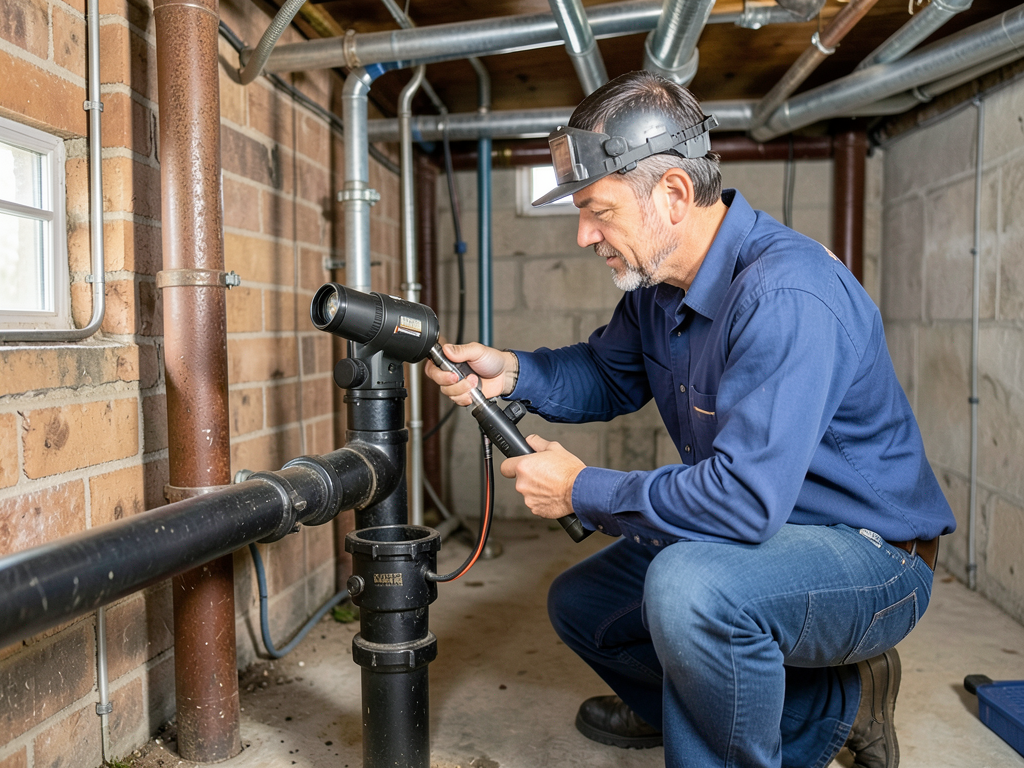
Replacing cast iron sewer pipes follows a systematic process that ensures your new system meets all Raleigh building codes and functions properly for decades. The first step is a comprehensive camera inspection. A waterproof camera is fed through your sewer line to identify exactly where and how badly the pipes have failed. This inspection reveals pipe diameter, material condition, and any obstructions like tree roots or collapsed sections.
Based on the camera findings, your plumber will determine whether trenchless or traditional methods are appropriate. For Mordecai homes, pipe bursting is often ideal because it can navigate the tight turns common in older homes while providing a brand-new pipe that won’t corrode. The process begins with locating all utility lines using ground-penetrating radar to avoid damaging gas, water, or electrical lines during excavation. Who to Call for 24-7 Plumber Services in Wake Forest.
Permitting comes next. The City of Raleigh requires permits for all sewer line replacements, and Wake County may require additional inspections depending on your property’s location. Your contractor should handle all permit applications and coordinate inspections at key stages of the work.
During the actual replacement, the crew will protect your home’s foundation and landscaping as much as possible. For trenchless methods, only small access pits are excavated. For traditional methods, trenches are sloped for safety and soil is carefully removed to avoid damaging nearby structures. New pipes are installed according to North Carolina Plumbing Code requirements, which mandate specific slopes (typically 1/4 inch per foot) to ensure proper drainage. North Carolina Plumbing Code.
After installation, the system undergoes pressure testing to verify there are no leaks. The final step involves city inspection and approval before backfilling and restoring your yard. This inspection ensures your new sewer line meets all local codes and won’t cause problems for your neighbors or the municipal system. Safe Gas Line Installation and Repairs for Residents in Rolesville.
Raleigh-Specific Regulations and Requirements
Replacing sewer pipes in Raleigh involves navigating specific local regulations designed to protect both property owners and the municipal infrastructure. The City of Raleigh Public Utilities Department requires permits for all sewer line work, whether repair or replacement. These permits ensure your new pipes connect properly to the city’s main sewer line and won’t cause future blockages or backups.
North Carolina Plumbing Code Section 312 governs sewer pipe installation, requiring specific materials and installation methods. For residential replacements, PVC Schedule 40 pipe is the standard material, offering superior corrosion resistance compared to cast iron. The code also mandates specific bedding requirements—typically a sand or gravel base that provides proper support and prevents future settling.. Read more about Essential Plumbing Maintenance for Landlords Managing Property Near NC State.
Wake County’s environmental regulations may apply if your property is near a stream or wetland. In these cases, additional permits might be required to ensure your replacement work doesn’t impact local water quality. The county also enforces strict rules about where cleanouts must be installed, typically requiring access points every 100 feet and at all directional changes.
Tree protection is another consideration unique to Mordecai’s mature neighborhoods. Raleigh’s tree ordinance may require protective measures if large trees are near your work area. This might include root pruning by a certified arborist or installing tree protection fencing to prevent damage during excavation.
Cost Factors and Investment Protection
Cast iron sewer replacement costs vary significantly based on your specific situation, but understanding the factors helps you budget appropriately. The primary cost drivers are the replacement method chosen, the length of pipe being replaced, and the complexity of your yard’s layout. Trenchless methods typically cost 20-30% more upfront than traditional excavation but can save money by avoiding landscape restoration costs.
Property accessibility affects pricing. Homes with easy backyard access and minimal obstacles like decks or mature trees cost less to service than those requiring extensive hand-digging or specialized equipment. The depth of your sewer line also matters—deeper lines require more excavation time and safety measures, increasing labor costs.
Many Mordecai homeowners find that their homeowner’s insurance may cover part of the replacement cost if the failure was sudden and catastrophic, though gradual deterioration is typically considered maintenance. Some policies offer specific sewer line endorsements that provide coverage for this exact scenario. It’s worth reviewing your policy or speaking with your insurance agent before proceeding.
Financing options are available for this type of major home repair. Some contractors offer payment plans, and specialized home improvement loans can spread the cost over several years. Given that a properly installed replacement can last 100+ years, many homeowners view this as a long-term investment that adds value to their historic property.
Preventing Future Sewer Line Problems
After investing in new sewer pipes, protecting that investment becomes important. Modern PVC pipes resist the corrosion that doomed your cast iron lines, but they’re not immune to all problems. Tree root intrusion remains the most common cause of sewer line issues in Mordecai’s mature landscape. Even small cracks in pipe joints can allow roots to enter, where they grow and eventually cause blockages.
Annual sewer line maintenance can prevent many problems before they start. This typically involves camera inspection to check for early signs of trouble and hydro jetting to clear any minor root growth or debris buildup. Hydro jetting uses high-pressure water to scour the inside of pipes, removing buildup that could slow drainage or provide a foothold for roots.
Water conservation also helps protect your sewer system. Excessive water use doesn’t directly harm pipes, but it increases the volume flowing through your system, potentially overwhelming older connections or causing backups during heavy usage periods. Installing low-flow fixtures and being mindful of what goes down your drains can extend the life of your entire plumbing system.
Landscaping choices matter too. Avoid planting trees with aggressive root systems like willows, poplars, or certain oak species near your sewer line. If you have existing problem trees, root barriers can be installed to direct roots away from your pipes. These barriers work by creating a physical obstruction that roots cannot penetrate, forcing them to grow in other directions.
Comparing Replacement Materials and Methods
| Method | Cost Range | Disruption Level | Lifespan | Best For |
|---|---|---|---|---|
| Traditional Excavation | $50-100 per foot | High | 50-100 years | Easy access, complete replacement |
| Pipe Bursting | $80-120 per foot | Low | 100+ years | Preserving landscaping, tight turns |
| CIPP Lining | $60-90 per foot | Minimal | 50 years | Structurally sound pipes, minor damage |
The choice between these methods depends on your specific situation. Traditional excavation provides the most straightforward solution and allows for complete system inspection, but at the cost of significant yard disruption. Pipe bursting offers the best of both worlds for many Mordecai homes—minimal yard damage with a completely new pipe system. CIPP lining works well when your existing pipes are mostly intact but have isolated cracks or corrosion.
Material selection also matters. Modern PVC Schedule 40 pipe has become the standard for residential sewer replacement because it resists corrosion, handles ground movement well, and costs less than alternatives like copper or clay. For pipe bursting, HDPE (high-density polyethylene) offers superior flexibility and chemical resistance, making it ideal for Raleigh’s variable soil conditions.
Choosing the Right Contractor for Your Mordecai Home
Not all plumbing contractors have experience with historic home sewer replacement. Mordecai’s unique challenges—mature trees, established landscaping, and the need to preserve architectural integrity—require specialized knowledge. Look for contractors who specifically mention experience with historic districts and trenchless technology.
Proper licensing and insurance are non-negotiable. In North Carolina, plumbers must be licensed by the state Plumbing and HVAC Board. Ask to see current licenses and verify they include the specific classifications needed for sewer work. Insurance should include general liability and workers’ compensation to protect you from liability if accidents occur on your property.
References from other Mordecai or historic district homeowners provide valuable insight into a contractor’s ability to work in your neighborhood. Ask to see examples of similar projects, particularly those involving trenchless technology or work around mature trees. A reputable contractor should be happy to provide references and show you before-and-after photos of completed jobs.
Clear communication about the process, timeline, and potential challenges separates good contractors from great ones. Your contractor should explain exactly what will happen each day, how they’ll protect your property, and what you can expect in terms of noise, dust, and disruption. They should also provide a detailed written estimate that breaks down all costs and specifies the materials to be used.
Frequently Asked Questions
How long does cast iron sewer pipe replacement take?
Most residential replacements take 2-4 days from start to finish. This includes one day for camera inspection and planning, one to three days for the actual replacement work, and a final day for testing and city inspection. Trenchless methods often complete faster than traditional excavation since there’s less digging involved.
Will my homeowners insurance cover sewer pipe replacement?
Standard policies typically don’t cover gradual deterioration like cast iron corrosion, but they may cover sudden failures caused by external factors like tree root invasion or ground movement. Some insurers offer specific sewer line endorsements that provide coverage for this type of work. Check your policy or call your insurance agent to understand your coverage.
Can I stay in my home during the replacement?
Yes, in most cases you can remain in your home during sewer replacement. The work is typically confined to the yard and basement area where the main sewer line connects. You may experience brief water shut-offs during certain phases, but contractors usually coordinate these to minimize inconvenience.
Take Action Before Your Pipes Fail Completely
Cast iron sewer pipe failure in Mordecai homes follows a predictable pattern: slow drains gradually worsen until a complete backup occurs, often at the worst possible time. The warning signs are clear—multiple slow drains, gurgling toilets, sewer gas odors, and lawn indentations. If you’re experiencing any of these symptoms, don’t wait for a catastrophic failure that could flood your basement or create a health hazard.
Modern replacement technology offers solutions that minimize disruption to your historic home and mature landscaping. Whether you choose traditional excavation or trenchless methods like pipe bursting, you’re investing in a system that will serve your home for generations without the corrosion problems that doomed your original cast iron pipes.
The City of Raleigh requires permits for all sewer work, and proper installation according to North Carolina Plumbing Code ensures your new system will function properly for decades. Don’t risk hiring unlicensed contractors or attempting DIY solutions that could violate local codes and create bigger problems.
Call (984) 294-6422 today to schedule your sewer camera inspection. We’ll identify exactly what’s happening with your pipes and recommend the best replacement option for your specific situation. Our team has extensive experience working in Mordecai and other historic Raleigh neighborhoods, and we understand the unique challenges these beautiful old homes present. Don’t wait for a complete failure—take control of your home’s plumbing future now.
Pick up the phone and call (984) 294-6422 before the next heavy rain hits. We’ll help you protect your Mordecai home with modern sewer technology that preserves your property’s historic character while eliminating the worry of cast iron pipe failure.
{
“@context”: “https://schema.org”,
“@type”: “BlogPosting”,
“headline”: “Replacing Old Cast Iron Sewer Pipes in Your Historic Mordecai Residence”,
“description”: “Old cast iron sewer pipes in Raleigh’s Mordecai neighborhood often fail after 50+ years. Learn warning signs, replacement options, and local permit requirements before backups occur.”,
“wordCount”: 2536,
“datePublished”: “2026-04-19T08:42:00.000Z”,
“dateModified”: “2026-04-19T08:42:00.000Z”,
“inLanguage”: “en-US”,
“mainEntityOfPage”: {
“@type”: “WebPage”,
“@id”: “https://ironwoodplumbingraleigh.com”
},
“publisher”: {
“@type”: “LocalBusiness”,
“name”: “Ironwood Plumbing Raleigh”,
“url”: “https://ironwoodplumbingraleigh.com”
},
“author”: {
“@type”: “Organization”,
“name”: “Ironwood Plumbing Raleigh”,
“url”: “https://ironwoodplumbingraleigh.com”
},
“image”: {
“@type”: “ImageObject”,
“url”: “https://ironwoodplumbingraleigh.com/wp-content/uploads/2026/03/replacing-old-cast-iron-sewer-pipes-in-your-histor-1.png”
}
}
{
“@context”: “https://schema.org”,
“@type”: “Plumber”,
“name”: “Ironwood Plumbing Raleigh”,
“url”: “https://ironwoodplumbingraleigh.com”,
“address”: {
“@type”: “PostalAddress”,
“addressLocality”: “Raleigh”
},
“areaServed”: {
“@type”: “City”,
“name”: “Raleigh”
}
}
{
“@context”: “https://schema.org”,
“@type”: “FAQPage”,
“mainEntity”: [
{
“@type”: “Question”,
“name”: “How long does cast iron sewer pipe replacement take?”,
“acceptedAnswer”: {
“@type”: “Answer”,
“text”: “Most residential replacements take 2-4 days from start to finish. This includes one day for camera inspection and planning, one to three days for the actual replacement work, and a final day for testing and city inspection. Trenchless methods often complete faster than traditional excavation since there’s less digging involved.”
}
},
{
“@type”: “Question”,
“name”: “Will my homeowners insurance cover sewer pipe replacement?”,
“acceptedAnswer”: {
“@type”: “Answer”,
“text”: “Standard policies typically don’t cover gradual deterioration like cast iron corrosion, but they may cover sudden failures caused by external factors like tree root invasion or ground movement. Some insurers offer specific sewer line endorsements that provide coverage for this type of work. Check your policy or call your insurance agent to understand your coverage.”
}
},
{
“@type”: “Question”,
“name”: “Can I stay in my home during the replacement?”,
“acceptedAnswer”: {
“@type”: “Answer”,
“text”: “Yes, in most cases you can remain in your home during sewer replacement. The work is typically confined to the yard and basement area where the main sewer line connects. You may experience brief water shut-offs during certain phases, but contractors usually coordinate these to minimize inconvenience.”
}
}
]
}
{
“@context”: “https://schema.org”,
“@type”: “BreadcrumbList”,
“itemListElement”: [
{
“@type”: “ListItem”,
“position”: 1,
“name”: “Home”,
“item”: “https://ironwoodplumbingraleigh.com”
},
{
“@type”: “ListItem”,
“position”: 2,
“name”: “Blog”,
“item”: “https://ironwoodplumbingraleigh.com/blog”
},
{
“@type”: “ListItem”,
“position”: 3,
“name”: “Replacing Old Cast Iron Sewer Pipes in Your Historic Mordecai Residence”
}
]
}
{
“@context”: “https://schema.org”,
“@type”: “Service”,
“serviceType”: “Plumbing”,
“provider”: {
“@type”: “LocalBusiness”,
“name”: “Ironwood Plumbing Raleigh”,
“url”: “https://ironwoodplumbingraleigh.com”
},
“areaServed”: {
“@type”: “City”,
“name”: “Raleigh”
},
“description”: “Old cast iron sewer pipes in Raleigh’s Mordecai neighborhood often fail after 50+ years. Learn warning signs, replacement options, and local permit requirements before backups occur.”
}