Installing a Gas Line for Your New Outdoor Fire Pit in Wakefield
Adding a gas line for your outdoor fire pit in Wakefield requires more than just running a pipe. North Carolina’s soil conditions, local building codes, and safety requirements make this a specialized job. This guide explains what you need to know before installation begins. North Carolina Consumer Protection.
Wakefield’s clay-heavy soil can shift with seasonal changes. This movement affects underground gas lines. A properly installed line accounts for this by using the right materials and installation depth. The North Carolina Fuel Gas Code requires specific trenching depths and protective measures that differ from other regions. Wake County Government.
Before you purchase that fire pit, understand the permitting process in Wake County. Most municipalities require permits for new gas line installations. The inspection process ensures your line meets safety standards. Skipping these steps can result in fines and dangerous conditions. Safe Gas Line Installation and Repairs for Residents in Rolesville.
Natural gas and propane have different requirements. Natural gas lines connect to your home’s existing meter. Propane requires a tank installation and different piping materials. Your choice affects the installation process and ongoing costs.
Safety features matter. Modern gas fire pits include automatic shut-off valves and flame sensors. The gas line installation must include proper shut-off valves at both the source and the appliance. These features protect your family and property.
Cost factors include trenching distance, pipe material, permits, and inspection fees. Most Wakefield installations range from $1,500 to $3,500 depending on complexity. The final price depends on your specific property layout and local requirements.
Ready to move forward? Call (984) 294-6422 today to schedule your inspection and get a detailed estimate for your Wakefield property.
Understanding Wakefield’s Gas Line Requirements
Wakefield’s location in North Raleigh means it follows Wake County building codes with some local variations. The area’s growth has led to updated requirements for gas installations. Understanding these specifics helps you plan your project correctly.
Soil composition affects installation methods. Wakefield’s clay soil expands when wet and contracts when dry. This movement can stress underground pipes over time. Professional installers use flexible CSST piping or properly supported black iron pipe to handle this movement. Finding Underground Leaks in Five Points Without Digging Up Your Entire Yard.
Tree roots present another challenge. Many Wakefield properties have mature trees with extensive root systems. These roots can damage underground lines if not properly protected. Installers must plan routes that avoid major root zones or use protective sleeves.
Property setbacks matter. Wakefield homes must maintain specific distances from property lines and structures. Gas lines cannot cross property boundaries without easements. Your installer will survey your property to determine the optimal route.
Weather patterns influence installation timing. Wakefield’s freeze-thaw cycles can affect soil conditions during installation. Most professionals recommend installation during moderate weather when soil is neither frozen nor saturated. Professional Drain Cleaning Services in Cary to Stop Stubborn Backups.
Existing utilities require careful consideration. Before any trenching begins, professional locators mark underground utilities. This prevents damage to water lines, electrical conduits, and communication cables that may run through your yard.
The permitting process in Wakefield typically takes 3-5 business days. Your licensed plumber handles this paperwork. They submit plans showing the proposed route, materials, and connection points. The county reviews these for code compliance before issuing permits. Who to Call for 24-7 Plumber Services in Wake Forest.
Choosing Between Natural Gas and Propane
Natural gas offers convenience but requires existing service. If your Wakefield home already uses natural gas for heating or appliances, adding a fire pit line is straightforward. The gas company can often handle the meter upgrade if needed.
Propane provides flexibility for properties without natural gas service. Tanks can be buried underground or placed above ground depending on your preference and local regulations. Propane burns hotter than natural gas, which some homeowners prefer for fire pits.
Cost differences extend beyond installation. Natural gas has lower fuel costs but requires a connection fee. Propane has higher per-unit costs but no connection fees. Your usage patterns determine which option saves more over time.
BTU requirements affect your choice. Fire pits typically need 40,000 to 100,000 BTUs. Natural gas lines must be sized to deliver this volume. Propane tanks must be sized to provide adequate supply without frequent refilling.
Environmental considerations matter to many Wakefield residents. Natural gas produces fewer emissions than propane. However, propane is non-toxic and won’t contaminate soil if leaked. Both options are cleaner than wood-burning fire pits.
Installation complexity varies by fuel type. Natural gas requires connection to your home’s existing system. This may involve upgrading your meter or regulator. Propane requires tank installation, gas line routing, and pressure testing of the complete system.
Long-term maintenance differs between fuels. Natural gas lines require minimal maintenance once installed. Propane systems need tank monitoring, periodic pressure testing, and eventual tank replacement every 20-30 years.
The Installation Process Step by Step
Professional installation follows a specific sequence. Each step ensures safety and code compliance. Understanding this process helps you know what to expect during your project.
Initial consultation determines project scope. Your installer evaluates your property, discusses your needs, and explains options. They measure distances, check existing utilities, and identify potential obstacles. This assessment forms the basis for your quote.
Design planning comes next. Your installer creates detailed plans showing the gas line route, connection points, and trenching path. These plans include material specifications and meet North Carolina Fuel Gas Code requirements. You review and approve these plans before work begins.
Permit acquisition starts the official process. Your licensed plumber submits plans to Wake County. The county reviews for code compliance and issues permits. This process typically takes 3-5 business days but can extend during busy seasons.
Site preparation begins after permit approval. Installers mark utility locations using professional locating services. They establish the trench path and prepare the area for construction. This includes protecting landscaping and marking any areas that need special attention.
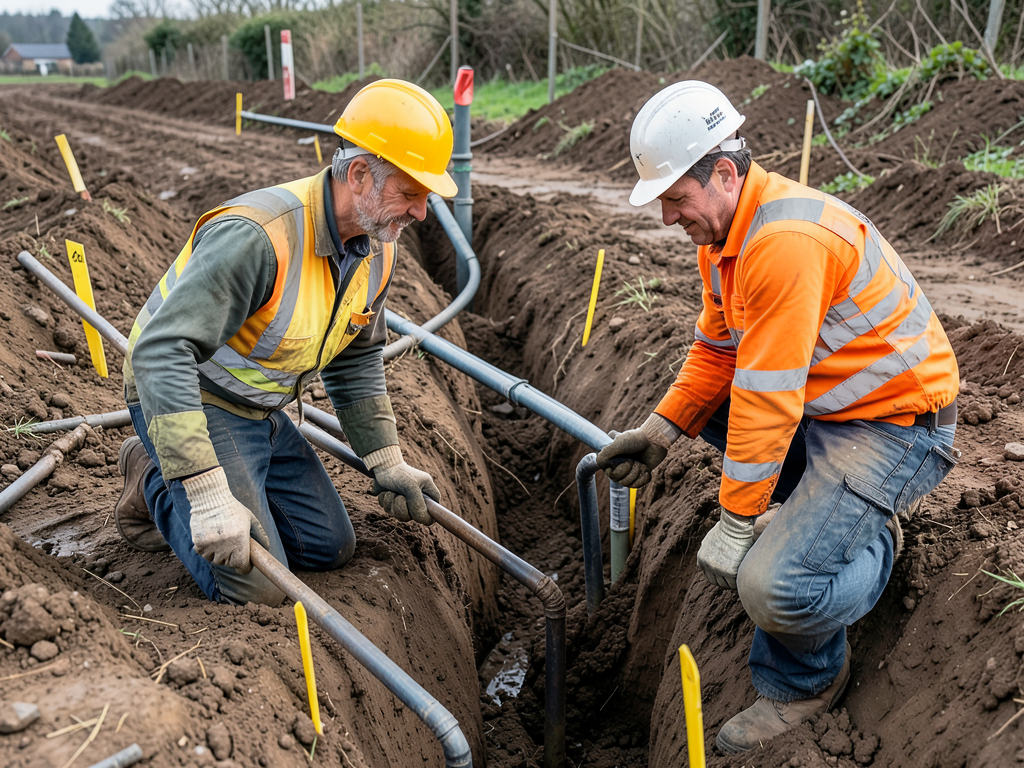
Trenching creates the path for your gas line. Professional trenchers cut a path meeting code requirements for depth and width. In Wakefield, this typically means 18-24 inches deep to protect against freeze-thaw cycles and accidental damage.
Pipe installation follows strict procedures. Installers use approved materials like CSST or black iron pipe. They support pipes properly, use approved fittings, and maintain required slopes. Each joint gets tested for leaks before burial.
Pressure testing verifies system integrity. Installers pressurize the line to 1.5 times the working pressure. They monitor for 15-30 minutes to ensure no pressure drop occurs. This test proves the system is leak-free before final connections.
Connection to your fire pit completes the installation. Installers mount the shut-off valve, connect the flexible line to your fire pit, and perform final leak testing. They verify proper operation of all safety features.
Final inspection ensures everything meets code. Wake County inspectors verify installation meets all requirements. They check trench depth, pipe support, valve placement, and pressure test results. Only after passing inspection can you use your new fire pit.
Materials and Safety Standards
Gas line materials must meet specific standards. Black iron pipe has been the traditional choice for decades. It’s durable and meets all code requirements. However, it’s heavy and requires skilled installation to prevent leaks at threaded connections.
CSST (Corrugated Stainless Steel Tubing) offers flexibility advantages. This material bends around obstacles without joints, reducing potential leak points. However, CSST requires proper bonding to prevent lightning damage. North Carolina code has specific requirements for CSST installation.
Underground piping needs protection. Direct burial polyethylene pipe works for some applications. It resists corrosion and handles soil movement well. However, it requires special fittings and isn’t suitable for all connection types.
Fittings and connectors must match pipe material. Using mismatched components creates weak points. Professional installers stock appropriate fittings for each pipe type. They understand which combinations meet code and provide reliable service.
Valves control gas flow safely. Every gas line needs shut-off valves at both ends. The valve near your fire pit allows quick emergency shutoff. The valve near your home’s gas source controls the entire line. Both must be accessible and clearly marked.
Pressure regulators maintain proper gas pressure. Your fire pit requires specific pressure for safe operation. Too much pressure creates hazards. Too little prevents proper operation. Professional installers select and install appropriate regulators for your specific setup.
Leak detection equipment ensures safety. Professional installers use multiple methods to verify leak-free installations. Electronic detectors find small leaks human noses might miss. Soap solution testing provides visual confirmation of leak-free connections.
Grounding and bonding prevent electrical hazards. Gas lines can conduct electricity during lightning strikes. Proper bonding connects the gas line to your home’s grounding system. This prevents dangerous voltage differences that could cause fires or explosions.
Cost Factors and Budgeting
Installation costs vary based on several factors. Distance from your gas source affects trenching costs. Longer runs need more materials and labor. Complex routes around obstacles increase installation time and cost.
Material choices impact your budget. Black iron pipe costs less per foot but requires more labor for installation. CSST costs more per foot but installs faster. Your property layout and local requirements influence which material makes more sense.
Permit and inspection fees add to your total. Wake County charges based on project scope. These fees typically range from $100 to $300. Your plumber includes these in your quote to avoid surprises.
Landscaping restoration affects final costs. Professional installers minimize damage, but some restoration is usually needed. This might include replacing sod, repairing irrigation lines, or fixing walkways. Some homeowners handle this themselves to save money. Toilet Repair & Installation.
Additional features increase costs. Remote controls, electronic ignition systems, and decorative covers all add to your investment. These features improve convenience and appearance but aren’t required for basic operation.
Maintenance considerations affect long-term costs. Natural gas lines need minimal maintenance. Propane systems need tank monitoring and eventual replacement. Factor these ongoing costs into your decision.
DIY vs professional installation presents a safety question. Gas line installation requires specialized knowledge and tools. Mistakes can cause fires, explosions, or carbon monoxide poisoning. Professional installation includes permits, inspections, and warranties that protect your investment.
Payment options vary by installer. Some offer financing for larger projects. Others require payment upon completion. Ask about payment terms before work begins to ensure they fit your budget.
Maintenance and Troubleshooting
Regular inspection keeps your system safe. Check visible components annually for corrosion, damage, or loose connections. Look for dead vegetation near underground lines, which might indicate leaks. Contact professionals if you notice anything unusual.
Seasonal considerations affect performance. Cold weather can cause contraction in pipes and fittings. This might create small leaks that seal when temperatures rise. Professional testing during seasonal changes can catch these issues.
Odor recognition saves lives. Natural gas and propane have added odorants that smell like rotten eggs. If you smell this odor, evacuate immediately and call your gas company from a safe location. Don’t use phones, light switches, or anything that might create sparks.
Pressure testing verifies system integrity. If you suspect problems, professionals can pressure test your line. This involves isolating the line, pressurizing it, and monitoring for pressure drops. Pressure drops indicate leaks that need repair.
Valve operation ensures emergency readiness. Test shut-off valves annually to ensure they operate smoothly. Stuck valves won’t work when you need them most. If valves feel difficult to turn, have them serviced by professionals.
Appliance maintenance affects gas line performance. Keep fire pit burners clean and free of debris. Check ignition systems regularly. Problems with the appliance can sometimes mimic gas line issues.
Professional service intervals provide peace of mind. Many homeowners schedule annual inspections of gas lines and appliances. This preventive approach catches small problems before they become emergencies.
Documentation helps with troubleshooting. Keep records of installation, inspections, and repairs. This history helps professionals diagnose problems faster if issues arise later.
Frequently Asked Questions
How long does gas line installation take?
Most residential installations in Wakefield take 1-2 days. This includes trenching, pipe installation, pressure testing, and final connections. Permit acquisition adds 3-5 business days before work can begin.
Can I install a gas line myself?
North Carolina law requires licensed professionals for gas line installation. DIY installation is illegal and dangerous. Gas leaks can cause explosions, fires, and carbon monoxide poisoning. Professional installation includes permits, inspections, and warranties.
What size gas line do I need for a fire pit?
Fire pit BTU requirements determine pipe size. Most residential fire pits need 1/2-inch to 1-inch lines. Your installer calculates exact requirements based on distance, BTU demand, and available pressure at your meter.
How deep should a gas line be buried?
North Carolina Fuel Gas Code Section 403.4 requires 18 inches minimum depth for residential gas lines. Wakefield’s freeze-thaw cycles make 24 inches depth more common. Your specific installation may need different depths based on local conditions.
What happens if I smell gas?
Evacuate immediately. Don’t use phones, light switches, or anything that might create sparks. Call your gas company or 911 from a safe location. Gas leaks require immediate professional attention.
Do I need permits for a gas fire pit?
Yes. Wake County requires permits for all new gas line installations. Your licensed plumber handles permit acquisition. Inspections are required before you can use your new fire pit.
How much does gas line installation cost?
Most Wakefield installations range from $1,500 to $3,500. Factors affecting cost include distance, materials, permits, and complexity. Your installer provides detailed quotes after evaluating your specific property.
Can I run a gas line to my outdoor kitchen too?
Yes. Many homeowners install larger capacity lines that serve multiple appliances. This requires proper sizing calculations to ensure adequate supply for all connected devices.
How long do gas lines last?
Properly installed gas lines last 30-50 years or more. Black iron pipe can last even longer. CSST has a typical lifespan of 30+ years. Regular inspections help identify any deterioration before problems occur.
What’s the difference between CSST and black iron pipe?
CSST is flexible stainless steel tubing that bends around obstacles. Black iron is rigid steel pipe that requires threaded connections. CSST installs faster but costs more per foot. Black iron costs less but takes longer to install.
Ready to Install Your Gas Fire Pit?
Installing a gas line for your outdoor fire pit in Wakefield requires expertise, proper permits, and attention to local conditions. The clay soil, weather patterns, and building codes all affect how your installation should proceed.
Professional installation ensures safety and code compliance. It includes proper permits, pressure testing, and final inspections. This protects your family and your investment. DIY attempts risk dangerous leaks and legal problems.
Your Wakefield property deserves expert attention. Local professionals understand the specific challenges of North Raleigh installations. They know the permitting process, material requirements, and inspection standards that apply to your project.
Don’t wait until summer to start planning. Installation timing affects your project schedule. Spring and fall offer ideal conditions for trenching and testing. Call now to get your project on the schedule.
Call (984) 294-6422 today to schedule your inspection and get a detailed estimate for your Wakefield property. Our licensed plumbers will evaluate your site, explain your options, and handle all permitting and inspections. Your safe, code-compliant gas fire pit installation starts with one phone call.
Pick up the phone and call (984) 294-6422 before the next storm hits. Don’t risk DIY mistakes or unlicensed work. Professional installation protects your family and your investment. Call now for your Wakefield gas line installation.
{
“@context”: “https://schema.org”,
“@type”: “BlogPosting”,
“headline”: “Installing a Gas Line for Your New Outdoor Fire Pit in Wakefield”,
“description”: “Learn about installing gas lines for outdoor fire pits in Wakefield, NC. Includes permit requirements, costs, and local soil considerations.”,
“wordCount”: 2596,
“datePublished”: “2026-04-14T07:15:00.000Z”,
“dateModified”: “2026-04-14T07:15:00.000Z”,
“inLanguage”: “en-US”,
“mainEntityOfPage”: {
“@type”: “WebPage”,
“@id”: “https://ironwoodplumbingraleigh.com”
},
“publisher”: {
“@type”: “LocalBusiness”,
“name”: “Ironwood Plumbing Raleigh”,
“url”: “https://ironwoodplumbingraleigh.com”
},
“author”: {
“@type”: “Organization”,
“name”: “Ironwood Plumbing Raleigh”,
“url”: “https://ironwoodplumbingraleigh.com”
},
“image”: {
“@type”: “ImageObject”,
“url”: “https://ironwoodplumbingraleigh.com/wp-content/uploads/2026/03/installing-a-gas-line-for-your-new-outdoor-fire-pi-1.png”
}
}
{
“@context”: “https://schema.org”,
“@type”: “Plumber”,
“name”: “Ironwood Plumbing Raleigh”,
“url”: “https://ironwoodplumbingraleigh.com”,
“address”: {
“@type”: “PostalAddress”,
“addressLocality”: “Raleigh”
},
“areaServed”: {
“@type”: “City”,
“name”: “Raleigh”
}
}
{
“@context”: “https://schema.org”,
“@type”: “FAQPage”,
“mainEntity”: [
{
“@type”: “Question”,
“name”: “How long does gas line installation take?”,
“acceptedAnswer”: {
“@type”: “Answer”,
“text”: “Most residential installations in Wakefield take 1-2 days. This includes trenching, pipe installation, pressure testing, and final connections. Permit acquisition adds 3-5 business days before work can begin.”
}
},
{
“@type”: “Question”,
“name”: “Can I install a gas line myself?”,
“acceptedAnswer”: {
“@type”: “Answer”,
“text”: “North Carolina law requires licensed professionals for gas line installation. DIY installation is illegal and dangerous. Gas leaks can cause explosions, fires, and carbon monoxide poisoning. Professional installation includes permits, inspections, and warranties.”
}
},
{
“@type”: “Question”,
“name”: “What size gas line do I need for a fire pit?”,
“acceptedAnswer”: {
“@type”: “Answer”,
“text”: “Fire pit BTU requirements determine pipe size. Most residential fire pits need 1/2-inch to 1-inch lines. Your installer calculates exact requirements based on distance, BTU demand, and available pressure at your meter.”
}
},
{
“@type”: “Question”,
“name”: “How deep should a gas line be buried?”,
“acceptedAnswer”: {
“@type”: “Answer”,
“text”: “North Carolina Fuel Gas Code Section 403.4 requires 18 inches minimum depth for residential gas lines. Wakefield’s freeze-thaw cycles make 24 inches depth more common. Your specific installation may need different depths based on local conditions.”
}
},
{
“@type”: “Question”,
“name”: “What happens if I smell gas?”,
“acceptedAnswer”: {
“@type”: “Answer”,
“text”: “Evacuate immediately. Don’t use phones, light switches, or anything that might create sparks. Call your gas company or 911 from a safe location. Gas leaks require immediate professional attention.”
}
},
{
“@type”: “Question”,
“name”: “Do I need permits for a gas fire pit?”,
“acceptedAnswer”: {
“@type”: “Answer”,
“text”: “Yes. Wake County requires permits for all new gas line installations. Your licensed plumber handles permit acquisition. Inspections are required before you can use your new fire pit.”
}
},
{
“@type”: “Question”,
“name”: “How much does gas line installation cost?”,
“acceptedAnswer”: {
“@type”: “Answer”,
“text”: “Most Wakefield installations range from $1,500 to $3,500. Factors affecting cost include distance, materials, permits, and complexity. Your installer provides detailed quotes after evaluating your specific property.”
}
},
{
“@type”: “Question”,
“name”: “Can I run a gas line to my outdoor kitchen too?”,
“acceptedAnswer”: {
“@type”: “Answer”,
“text”: “Yes. Many homeowners install larger capacity lines that serve multiple appliances. This requires proper sizing calculations to ensure adequate supply for all connected devices.”
}
},
{
“@type”: “Question”,
“name”: “How long do gas lines last?”,
“acceptedAnswer”: {
“@type”: “Answer”,
“text”: “Properly installed gas lines last 30-50 years or more. Black iron pipe can last even longer. CSST has a typical lifespan of 30+ years. Regular inspections help identify any deterioration before problems occur.”
}
},
{
“@type”: “Question”,
“name”: “What’s the difference between CSST and black iron pipe?”,
“acceptedAnswer”: {
“@type”: “Answer”,
“text”: “CSST is flexible stainless steel tubing that bends around obstacles. Black iron is rigid steel pipe that requires threaded connections. CSST installs faster but costs more per foot. Black iron costs less but takes longer to install.”
}
},
{
“@type”: “Question”,
“name”: “Ready to Install Your Gas Fire Pit?”,
“acceptedAnswer”: {
“@type”: “Answer”,
“text”: “Installing a gas line for your outdoor fire pit in Wakefield requires expertise, proper permits, and attention to local conditions. The clay soil, weather patterns, and building codes all affect how your installation should proceed.”
}
}
]
}
{
“@context”: “https://schema.org”,
“@type”: “BreadcrumbList”,
“itemListElement”: [
{
“@type”: “ListItem”,
“position”: 1,
“name”: “Home”,
“item”: “https://ironwoodplumbingraleigh.com”
},
{
“@type”: “ListItem”,
“position”: 2,
“name”: “Blog”,
“item”: “https://ironwoodplumbingraleigh.com/blog”
},
{
“@type”: “ListItem”,
“position”: 3,
“name”: “Installing a Gas Line for Your New Outdoor Fire Pit in Wakefield”
}
]
}
{
“@context”: “https://schema.org”,
“@type”: “Service”,
“serviceType”: “Plumbing”,
“provider”: {
“@type”: “LocalBusiness”,
“name”: “Ironwood Plumbing Raleigh”,
“url”: “https://ironwoodplumbingraleigh.com”
},
“areaServed”: {
“@type”: “City”,
“name”: “Raleigh”
},
“description”: “Learn about installing gas lines for outdoor fire pits in Wakefield, NC. Includes permit requirements, costs, and local soil considerations.”
}