Why Your Apex Basement Bathroom Needs a Special Sewage Ejector Pump
Most Apex homeowners don’t realize that basement bathrooms require special plumbing equipment. When your bathroom sits below the main sewer line, gravity alone cannot move wastewater uphill to the municipal system. A sewage ejector pump becomes essential for proper drainage and preventing backups that could flood your newly finished basement. Professional Drain Cleaning Services in Cary to Stop Stubborn Backups.
Apex’s rapid growth has brought many new homes with finished basements, but the soil conditions and municipal infrastructure create unique challenges. The clay-heavy soil common in Wake County can shift over time, potentially damaging standard plumbing connections. Without a properly installed and maintained ejector pump system, you risk costly water damage and health hazards from sewage backups.. Read more about Planning the Plumbing for Your Unfinished Basement in a New Apex Development.
How Sewage Ejector Pumps Work in Basement Plumbing Systems
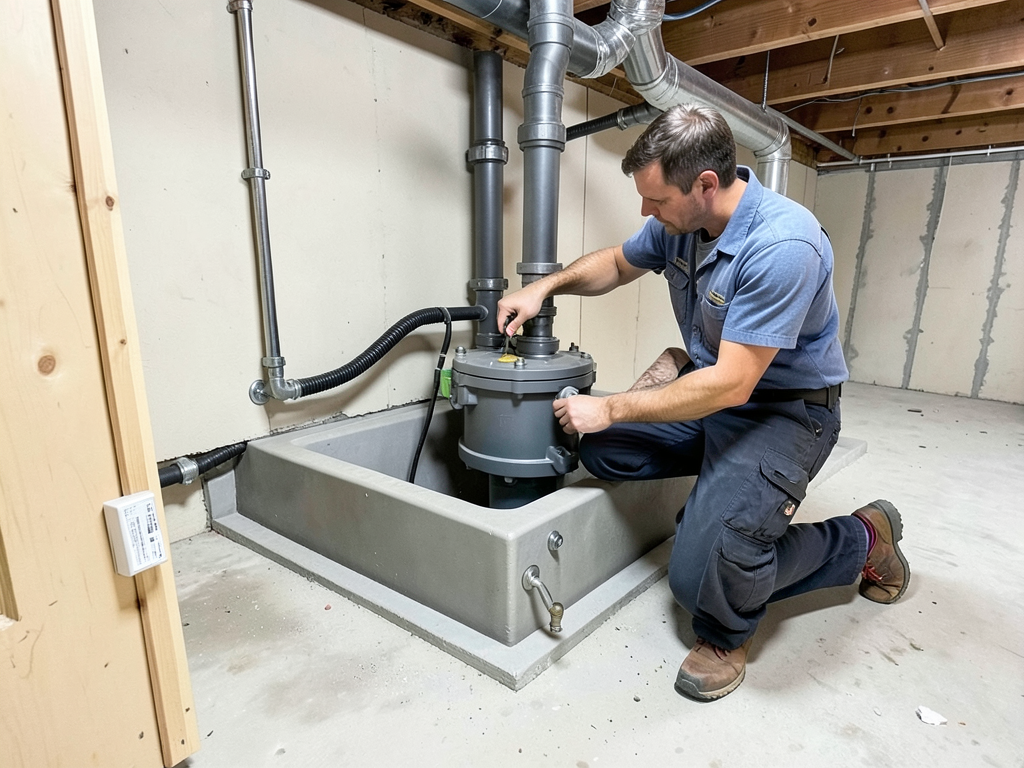
A sewage ejector pump functions differently than standard plumbing fixtures. While traditional drains rely on gravity to move water downhill, ejector pumps actively force wastewater upward through a pressurized system. The pump sits in a sealed basin below floor level, collecting waste from toilets, sinks, and showers until it reaches a predetermined level. Toilet Repair & Installation.
Once the wastewater reaches the activation point, a float switch triggers the pump motor. The impeller then forces the waste through a discharge pipe that connects to your main sewer line or septic system. A check valve prevents backflow, ensuring waste moves in only one direction. Signs You Need Sewer Repair.
The system requires proper venting to prevent pressure buildup and allow sewer gases to escape safely. Many homeowners underestimate the importance of correct vent pipe sizing and routing, which can lead to gurgling drains and slow drainage if installed incorrectly.. Read more about Dealing with Dry Floor Drains and Sewer Smells in Your Cameron Village Basement.
Key Components of a Complete Ejector Pump System
Understanding the components helps you recognize potential issues before they become emergencies. The basin, typically made of heavy-duty plastic or fiberglass, holds 30-50 gallons and must be properly sealed to prevent odors from escaping. The pump motor itself ranges from 1/2 to 1 horsepower depending on your home’s needs.
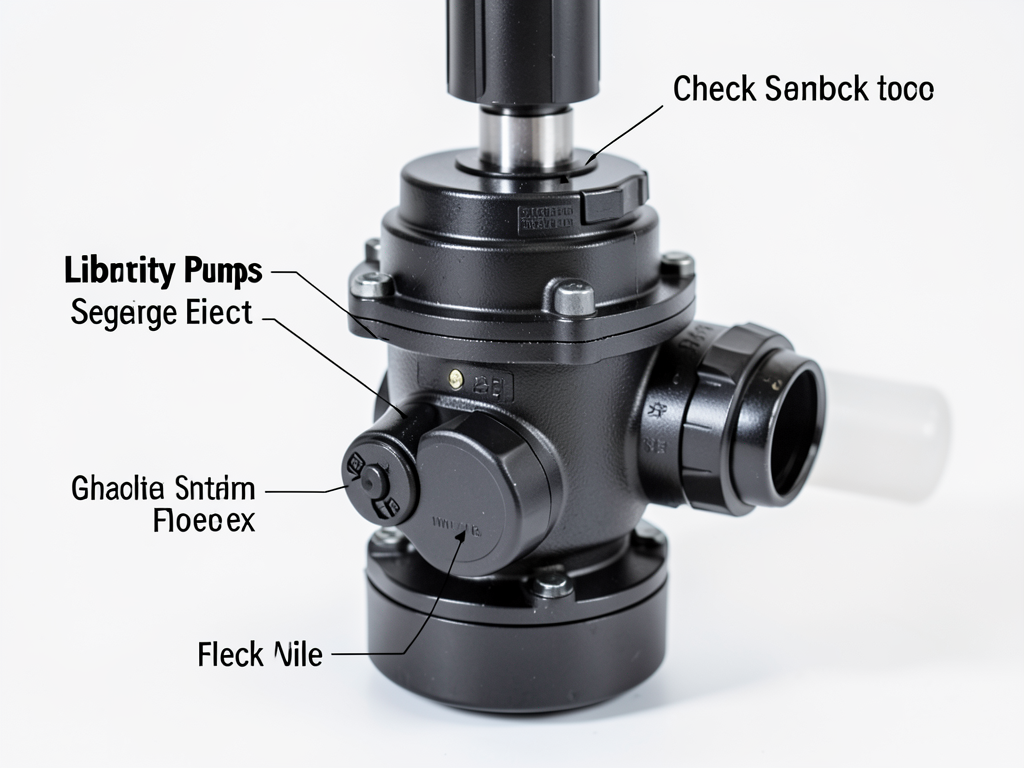
The check valve assembly prevents wastewater from flowing back into the basin after pumping. Without this critical component, your pump would run continuously, wearing out prematurely. The discharge pipe, usually 2-inch PVC, must maintain proper slope and support to prevent sagging that could trap waste.
Float switches control when the pump activates. Mechanical float switches tend to be more reliable than electronic sensors in the humid basement environment. The vent pipe, typically 1.5 to 2 inches in diameter, connects to your home’s main plumbing vent stack to equalize pressure and release gases.. Read more about Comparing PVC and CPVC for New Plumbing Lines in Your Apex Home Addition.
Common Signs Your Ejector Pump Needs Attention
Unusual noises often indicate developing problems. A healthy pump operates relatively quietly, so grinding, rattling, or humming sounds suggest worn bearings or debris in the impeller. These noises typically worsen over time, indicating the need for inspection before complete failure occurs.
Frequent cycling, where the pump turns on and off rapidly, often points to a malfunctioning float switch or check valve. This constant operation wastes electricity and accelerates wear on the motor. You might notice the pump running even when no water has been used recently.
Water pooling around the basin lid or visible sewage backup in floor drains signals immediate attention is needed. These symptoms suggest the pump cannot keep up with demand or has completely failed. Raw sewage backing up through drains poses serious health risks and requires emergency service.
Strong sewer odors in your basement indicate seal failures or venting problems. The sealed basin should contain all odors, so any smell suggests compromised seals or improper installation. These gases can be hazardous to your family’s health. Safe Gas Line Installation and Repairs for Residents in Rolesville.
Installation Process: What to Expect During Ejector Pump Setup
Professional installation begins with careful planning of the basin location. The ideal spot provides easy access for maintenance while remaining out of the way. Technicians must excavate a hole deep enough to accommodate the basin plus proper bedding material for stability.
Proper basin preparation includes creating a solid base with gravel or concrete to prevent settling. The basin must sit level and be surrounded by appropriate backfill material to prevent soil movement from damaging connections. All penetrations through the basin must be sealed with approved materials to maintain the watertight integrity. EPA Septic System Guidelines.
Pump sizing depends on your specific needs. A half-bathroom with minimal usage might function well with a 1/2 horsepower pump, while a full bathroom with multiple fixtures requires 3/4 to 1 horsepower capacity. Oversizing wastes energy, while undersizing leads to frequent failures during peak usage.
Vent pipe installation requires careful attention to building codes. The vent must connect to your home’s main vent stack and extend through the roof for proper gas release. Improper venting can cause slow drainage, gurgling sounds, and even trap siphoning that removes water seals from other fixtures.
North Carolina Plumbing Code Requirements for Ejector Systems
North Carolina Plumbing Code Section 305 specifically addresses sewage ejector systems. The code mandates minimum basin sizes based on fixture units, typically requiring 18-30 gallon capacity for residential applications. All ejector systems must include proper venting, check valves, and alarm systems in many jurisdictions. North Carolina Plumbing Code.
The Town of Apex requires permits for all ejector pump installations. Permit applications must include detailed plans showing basin location, discharge routing, and vent connections. Inspections occur at rough-in and final stages to ensure compliance with both state and local codes.
Backflow prevention devices are mandatory on the discharge side of ejector pumps. These prevent contaminated water from flowing back into the municipal system during pressure fluctuations. The code also requires alarm systems to alert homeowners of pump failures or high water levels in the basin.
Discharge piping must be Schedule 40 PVC or equivalent material rated for wastewater service. The pipe must maintain proper support spacing and slope to prevent sagging. All connections require approved solvent welding or mechanical joints rated for the application.
Comparing Ejector Pumps vs. Grinder Pumps for Residential Use
Many homeowners confuse ejector pumps with grinder pumps, but they serve different purposes. Ejector pumps handle solids up to 2 inches in diameter, making them suitable for bathroom waste. Grinder pumps contain cutting mechanisms that macerate solids into slurry, allowing smaller discharge pipes.
Grinder pumps excel in situations requiring long discharge runs or small-diameter piping. They can pump waste through 1-inch pipes where ejector pumps need 2-inch minimum. However, grinder pumps cost more initially and require more maintenance due to their complex cutting mechanisms.
Ejector pumps typically last longer than grinder pumps because they have fewer moving parts. The impeller design handles typical household waste without the wear that cutting mechanisms experience. For most Apex basement bathrooms, ejector pumps provide the best balance of reliability and cost-effectiveness.
Energy consumption differs significantly between the two types. Ejector pumps generally use less electricity because they don’t require the powerful motors needed to drive cutting mechanisms. Over the system’s lifetime, this difference can amount to hundreds of dollars in energy savings.
| Feature | Sewage Ejector Pump | Grinder Pump |
|---|---|---|
| Solid Handling | Up to 2 inches | Macerates to slurry |
| Discharge Pipe Size | 2 inches minimum | 1 inch possible |
| Initial Cost | $600-$1,200 | $1,200-$2,500 |
| Maintenance Frequency | Every 2-3 years | Annually recommended |
| Energy Usage | Lower | Higher |
Maintenance Requirements to Prevent Emergency Failures
Regular maintenance extends pump life and prevents unexpected failures. Annual inspections should check float switch operation, check valve function, and overall system performance. Technicians test the alarm system and verify proper basin sealing during these visits.
Cleaning the basin prevents debris buildup that can interfere with pump operation. This includes removing any sediment that accumulates and checking for any objects that might have fallen into the basin. The check valve should be inspected for debris and proper sealing.
Electrical connections require periodic inspection for corrosion or loose terminals. The humid basement environment can accelerate electrical degradation. All connections should be tight and properly sealed to prevent moisture intrusion.
Testing the alarm system ensures you’ll receive warning of potential failures. The alarm activates when water reaches a level above normal operating range, indicating pump failure or excessive demand. Battery backup systems should be tested quarterly to ensure they’ll function during power outages.
Cost Factors for Ejector Pump Installation in Apex
Installation costs vary based on several factors unique to your home. Basement access affects labor time significantly. Basements with easy access through walkout doors cost less to service than those requiring equipment transport through the main living areas.
Existing plumbing configuration influences installation complexity. Homes with accessible main sewer lines and existing vent stacks simplify the installation process. Older homes might require additional work to create proper connections or upgrade existing venting.
Basin location affects excavation and preparation costs. Concrete floors require jackhammering and proper patching, while dirt floors need gravel base preparation. The distance to the main sewer line impacts discharge pipe material and labor requirements.
Permit fees in Apex typically range from $75 to $150 depending on project scope. Inspection fees add another $50 to $100. These costs are mandatory and ensure your installation meets all safety and code requirements.
Emergency Repair Services for Failed Ejector Systems
When ejector pumps fail, the situation requires immediate attention. Sewage backup poses serious health risks and can cause extensive water damage to finished basements. Emergency services prioritize these calls due to the potential for contamination and property damage. Who to Call for 24-7 Plumber Services in Wake Forest.
Common emergency repairs include replacing failed motors, clearing clogged impellers, and fixing float switch malfunctions. Technicians carry common replacement parts to minimize downtime. Most emergency calls can be resolved within 2-4 hours if parts are available locally.
Preventive measures can reduce emergency calls. Installing battery backup systems provides protection during power outages when pumps cannot operate. Water alarm systems give early warning of potential failures, allowing you to address issues before complete system failure occurs.
Insurance coverage for ejector pump failures varies by policy. Many homeowners discover too late that water damage from sewage backups isn’t covered under standard policies. Consider adding specific coverage for basement flooding and sewage backup to protect your investment.. Read more about Adding a Utility Sink to Your Garage in Knightdale (What You Need to Know).
Energy Efficiency and Operating Costs
Modern ejector pumps incorporate energy-saving features that reduce operating costs. Variable speed motors adjust power consumption based on demand, using less electricity during light usage periods. High-efficiency impellers move more water with less power consumption.
Proper sizing significantly impacts energy usage. An oversized pump cycles on and off frequently, consuming excess electricity and wearing out faster. A properly sized pump runs longer cycles at optimal efficiency, reducing both energy costs and maintenance needs.
Phantom loads from constantly powered control panels add to operating costs. Some systems include timer controls that power down completely between cycles, saving 10-15% on electricity usage. These features pay for themselves within 2-3 years through reduced energy bills.
Temperature affects pump efficiency. Motors operate less efficiently in extreme heat or cold. Insulating discharge pipes prevents freezing in winter while proper ventilation keeps motors cool during summer operation.
Choosing the Right Pump for Your Specific Needs
Pump selection depends on your household’s specific usage patterns. A single person or couple might function well with a 1/2 horsepower pump, while families with multiple bathrooms require 3/4 to 1 horsepower capacity. Consider future needs if you plan to finish additional basement space.
Noise levels vary significantly between pump models. Some units operate at 50-60 decibels, similar to a normal conversation, while others produce 70+ decibels of noise. If your basement serves as living space, quieter models justify their higher cost through improved comfort.
Warranty coverage indicates manufacturer confidence in their products. Look for pumps with 3-5 year warranties on major components. Extended warranties often cost more initially but provide peace of mind and protect against unexpected replacement costs.
Brand reputation matters in the plumbing industry. Established manufacturers like Liberty Pumps, Zoeller, and Little Giant have proven track records and widespread parts availability. Generic brands might cost less initially but often lack reliable support and parts availability.
Frequently Asked Questions
How long do sewage ejector pumps typically last?
With proper maintenance, ejector pumps generally last 7-10 years. Heavy usage or poor maintenance can reduce this to 5 years, while well-maintained systems in light-use applications may last 12-15 years. Annual inspections help maximize pump lifespan.
Can I install a sewage ejector pump myself?
DIY installation is not recommended due to complex plumbing codes, electrical requirements, and health risks. Improper installation can cause sewage backups, code violations, and expensive repairs. Professional installation ensures proper function and code compliance.
What happens during a power outage?
Without power, ejector pumps cannot operate. Battery backup systems provide 24-48 hours of operation during outages. For extended outages, minimize water usage to prevent basin overflow. Some systems include water-powered backup pumps that function without electricity.
How much does replacement cost?
Replacement costs range from $1,500 to $3,500 depending on pump size, accessibility, and any necessary modifications. Emergency replacements during failures typically cost 20-30% more due to urgency and potential water damage mitigation needs.
Do I need a permit for ejector pump installation?
Yes, North Carolina Plumbing Code and Town of Apex regulations require permits for all ejector pump installations. Permits ensure proper installation and include required inspections. Work without permits can result in fines and complications when selling your home.
- Annual Professional Inspection
Schedule yearly service to check all components, test alarm systems, and clean the basin. Professional technicians can identify potential issues before they cause failures.
- Quarterly Alarm Testing
Test battery backup systems and alarm functionality every three months. Press the test button to verify the alarm sounds and indicator lights function properly.
- Visual Basin Inspection
Check the basin lid seal monthly for any signs of damage or deterioration. Look for water accumulation around the basin that might indicate seal failure.
- Listen for Unusual Noises
Pay attention to any new sounds during pump operation. Grinding, rattling, or excessive vibration often indicate developing problems requiring professional attention.
Your Apex basement bathroom represents a significant investment in your home’s functionality and value. A properly installed and maintained sewage ejector pump ensures this investment remains protected from water damage and health hazards. Don’t wait for a failure to discover your system’s importance.
Call (984) 294-6422 today to schedule your ejector pump inspection or installation. Our licensed technicians understand Apex’s specific plumbing requirements and can ensure your system meets all code requirements while providing reliable service for years to come.
Pick up the phone and call (984) 294-6422 before the next storm hits or before your current system fails. Your family’s health and your home’s protection deserve professional attention from experienced local plumbers who understand Apex’s unique plumbing challenges.
You may also find this helpful. The Best Low-Flow Toilets That Actually Flush Properly for Your Holly Springs Home.
You may also find this helpful. How to Stop That Annoying Sump Pump Thump in Your Southwest Raleigh Basement.
{
“@context”: “https://schema.org”,
“@type”: “BlogPosting”,
“headline”: “Why Your Apex Basement Bathroom Needs a Special Sewage Ejector Pump”,
“description”: “Basement bathrooms below the main sewer line require sewage ejector pumps. Learn Apex-specific codes, installation steps, and why gravity alone won’t work in your home.”,
“wordCount”: 2450,
“datePublished”: “2026-04-27T14:38:00.000Z”,
“dateModified”: “2026-04-27T14:38:00.000Z”,
“inLanguage”: “en-US”,
“mainEntityOfPage”: {
“@type”: “WebPage”,
“@id”: “https://ironwoodplumbingraleigh.com”
},
“publisher”: {
“@type”: “LocalBusiness”,
“name”: “Ironwood Plumbing Raleigh”,
“url”: “https://ironwoodplumbingraleigh.com”
},
“author”: {
“@type”: “Organization”,
“name”: “Ironwood Plumbing Raleigh”,
“url”: “https://ironwoodplumbingraleigh.com”
},
“image”: {
“@type”: “ImageObject”,
“url”: “https://ironwoodplumbingraleigh.com/wp-content/uploads/2026/03/why-your-apex-basement-bathroom-needs-a-special-se-1.png”
}
}
{
“@context”: “https://schema.org”,
“@type”: “Plumber”,
“name”: “Ironwood Plumbing Raleigh”,
“url”: “https://ironwoodplumbingraleigh.com”,
“address”: {
“@type”: “PostalAddress”,
“addressLocality”: “Raleigh”
},
“areaServed”: {
“@type”: “City”,
“name”: “Raleigh”
}
}
{
“@context”: “https://schema.org”,
“@type”: “FAQPage”,
“mainEntity”: [
{
“@type”: “Question”,
“name”: “How long do sewage ejector pumps typically last?”,
“acceptedAnswer”: {
“@type”: “Answer”,
“text”: “With proper maintenance, ejector pumps generally last 7-10 years. Heavy usage or poor maintenance can reduce this to 5 years, while well-maintained systems in light-use applications may last 12-15 years. Annual inspections help maximize pump lifespan.”
}
},
{
“@type”: “Question”,
“name”: “Can I install a sewage ejector pump myself?”,
“acceptedAnswer”: {
“@type”: “Answer”,
“text”: “DIY installation is not recommended due to complex plumbing codes, electrical requirements, and health risks. Improper installation can cause sewage backups, code violations, and expensive repairs. Professional installation ensures proper function and code compliance.”
}
},
{
“@type”: “Question”,
“name”: “What happens during a power outage?”,
“acceptedAnswer”: {
“@type”: “Answer”,
“text”: “Without power, ejector pumps cannot operate. Battery backup systems provide 24-48 hours of operation during outages. For extended outages, minimize water usage to prevent basin overflow. Some systems include water-powered backup pumps that function without electricity.”
}
},
{
“@type”: “Question”,
“name”: “How much does replacement cost?”,
“acceptedAnswer”: {
“@type”: “Answer”,
“text”: “Replacement costs range from $1,500 to $3,500 depending on pump size, accessibility, and any necessary modifications. Emergency replacements during failures typically cost 20-30% more due to urgency and potential water damage mitigation needs.”
}
},
{
“@type”: “Question”,
“name”: “Do I need a permit for ejector pump installation?”,
“acceptedAnswer”: {
“@type”: “Answer”,
“text”: “Yes, North Carolina Plumbing Code and Town of Apex regulations require permits for all ejector pump installations. Permits ensure proper installation and include required inspections. Work without permits can result in fines and complications when selling your home.”
}
}
]
}
{
“@context”: “https://schema.org”,
“@type”: “HowTo”,
“name”: “How to Maintain Your Ejector Pump”,
“step”: [
{
“@type”: “HowToStep”,
“position”: 1,
“name”: “Annual Professional Inspection”,
“text”: “Schedule yearly service to check all components, test alarm systems, and clean the basin. Professional technicians can identify potential issues before they cause failures.”
},
{
“@type”: “HowToStep”,
“position”: 2,
“name”: “Quarterly Alarm Testing”,
“text”: “Test battery backup systems and alarm functionality every three months. Press the test button to verify the alarm sounds and indicator lights function properly.”
},
{
“@type”: “HowToStep”,
“position”: 3,
“name”: “Visual Basin Inspection”,
“text”: “Check the basin lid seal monthly for any signs of damage or deterioration. Look for water accumulation around the basin that might indicate seal failure.”
},
{
“@type”: “HowToStep”,
“position”: 4,
“name”: “Listen for Unusual Noises”,
“text”: “Pay attention to any new sounds during pump operation. Grinding, rattling, or excessive vibration often indicate developing problems requiring professional attention.”
}
],
“image”: “https://ironwoodplumbingraleigh.com/wp-content/uploads/2026/03/why-your-apex-basement-bathroom-needs-a-special-se-1.png”
}
{
“@context”: “https://schema.org”,
“@type”: “BreadcrumbList”,
“itemListElement”: [
{
“@type”: “ListItem”,
“position”: 1,
“name”: “Home”,
“item”: “https://ironwoodplumbingraleigh.com”
},
{
“@type”: “ListItem”,
“position”: 2,
“name”: “Blog”,
“item”: “https://ironwoodplumbingraleigh.com/blog”
},
{
“@type”: “ListItem”,
“position”: 3,
“name”: “Why Your Apex Basement Bathroom Needs a Special Sewage Ejector Pump”
}
]
}
{
“@context”: “https://schema.org”,
“@type”: “Service”,
“serviceType”: “Plumbing”,
“provider”: {
“@type”: “LocalBusiness”,
“name”: “Ironwood Plumbing Raleigh”,
“url”: “https://ironwoodplumbingraleigh.com”
},
“areaServed”: {
“@type”: “City”,
“name”: “Raleigh”
},
“description”: “Basement bathrooms below the main sewer line require sewage ejector pumps. Learn Apex-specific codes, installation steps, and why gravity alone won’t work in your home.”
}