Adding a Wet Bar to Your Preston Home Office (What You Need to Know About the Drain Line)
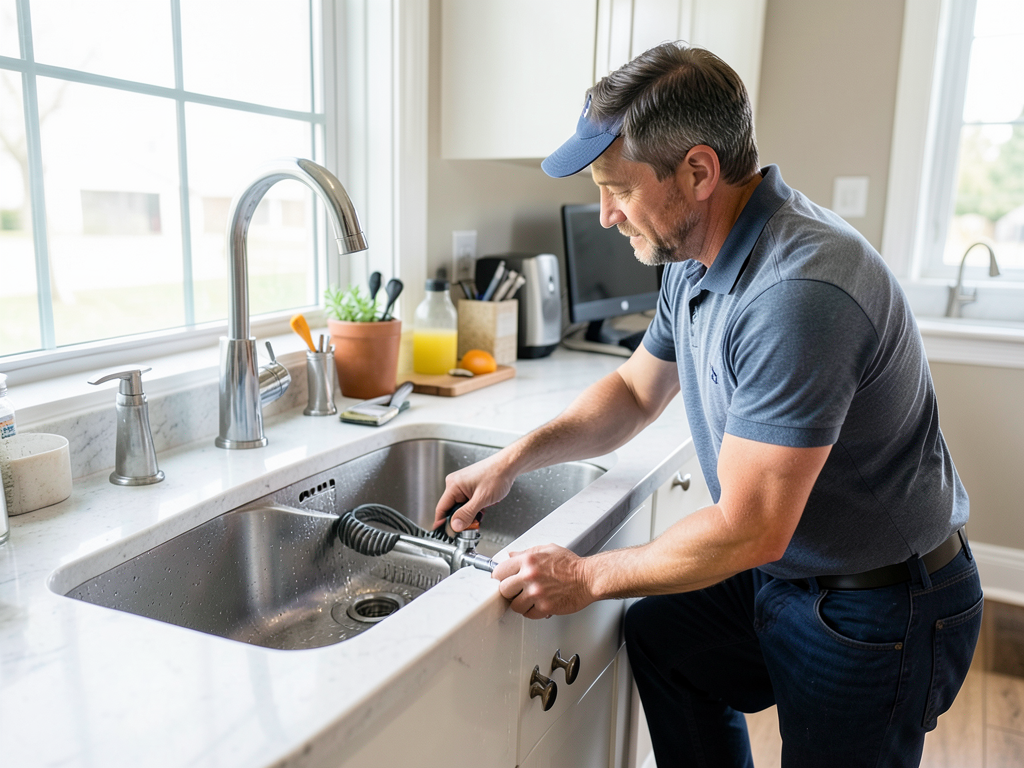
Installing a wet bar in your Preston home office adds convenience and value but requires careful planning of the drain line system. The drain line connects your sink to the main plumbing stack and must handle wastewater flow while preventing sewer gases from entering your workspace. Understanding these requirements before starting your project can save you from costly mistakes and code violations. Professional Drain Cleaning Services in Cary to Stop Stubborn Backups.
Understanding Your Preston Home’s Plumbing Infrastructure
Preston homes typically feature either slab-on-grade or crawlspace foundations common to Raleigh’s mid-century developments. Slab foundations mean drain lines run through walls or ceilings to reach the main stack while crawlspaces provide easier access for running new pipes beneath the floor. Your home’s age and construction type directly impact the complexity of adding a wet bar.
Most Preston residences built between 1960 and 1990 use copper supply lines and cast iron drain pipes. These materials require specific joining techniques and may have corrosion issues that affect new connections. A licensed plumber can inspect your existing system to determine compatibility with modern fixtures. Who to Call for 24-7 Plumber Services in Wake Forest.
Key Components of a Wet Bar Drain System
A functional wet bar drain system includes several critical components that work together to move wastewater safely away from your office. The sink drain connects to a P-trap that holds water to block sewer gases. From there the drain line slopes toward the main stack or a secondary drain point. Signs You Need Sewer Repair.
The drain line must maintain a minimum slope of 1/4 inch per foot to ensure proper flow. Too steep and water leaves solids behind. Too shallow and you risk clogs. For typical wet bar usage a 1.5-inch drain pipe provides adequate capacity for a standard sink. City of Raleigh Permit Information.
Venting represents another crucial element often overlooked by DIYers. Every drain needs proper ventilation to allow air into the system as water flows through. Without venting you’ll experience slow drainage gurgling sounds and potential trap siphonage where water gets pulled from the P-trap.
Navigating Raleigh’s Plumbing Code Requirements
The City of Raleigh requires permits for any new plumbing fixture installation under the North Carolina Plumbing Code. Adding a wet bar sink constitutes a new fixture requiring inspection before covering any work. The inspection ensures compliance with minimum pipe sizes proper venting and safe connections to existing systems. North Carolina Plumbing Code.
Wake County mandates that all drain lines serving food preparation areas use materials rated for gray water. This typically means PVC or ABS plastic pipes rather than older materials that might leach chemicals. The code also requires accessible cleanouts at strategic points along the drain line for maintenance.
Local inspectors check that all new plumbing meets current standards for water hammer prevention especially important in home offices where plumbing noise could disrupt work calls. They verify that shut-off valves are accessible and properly labeled for emergency use.
Installation Options for Different Office Layouts
Your office layout determines the most practical drain line installation method. If your office sits near existing plumbing in a kitchen or bathroom you can often tie into those lines with minimal wall penetration. This approach works well for Preston homes with open floor plans. Safe Gas Line Installation and Repairs for Residents in Rolesville.
Offices located away from existing plumbing require more extensive work. You might need to run drain lines through walls to reach the nearest stack or install a macerating pump system that grinds waste and pumps it upward to connect with main drains. These systems work well for second-floor offices but add significant cost.
For crawlspace homes running new drain lines beneath the floor often proves most cost-effective. The plumber can route pipes under the office and up through the floor to connect with your sink. This method minimizes wall damage but requires proper insulation to prevent freezing in winter months.
Common Drain Line Challenges and Solutions
Limited access to main stacks creates the most frequent challenge when adding wet bars to home offices. When the nearest stack sits more than 10 feet away horizontally you may need to install an air admittance valve (AAV) instead of traditional venting. AAVs allow air into the drain system without requiring roof penetration.
Another common issue involves existing pipe materials. If your home uses older galvanized steel drain pipes connecting new PVC lines requires special transition fittings. These connections must prevent galvanic corrosion between dissimilar metals while maintaining proper flow characteristics.
Floor elevation changes between rooms can complicate drain line routing. When the office floor sits higher than the main drain connection point you’ll need either a pump system or creative routing through walls and ceilings to achieve the necessary slope.
Cost Factors for Preston Home Office Wet Bars
Several variables affect the total cost of adding a wet bar to your Preston home office. Basic installations connecting to nearby existing plumbing typically range from $1200 to $2500 including materials and labor. More complex projects requiring new drain lines venting or pump systems can exceed $4000.
Permit fees for Wake County add approximately $150 to $300 depending on the scope of work. These fees cover the initial inspection and any required follow-up visits. Some homeowners try to skip permits to save money but unpermitted work can cause problems when selling your home.
Material choices significantly impact costs. Premium fixtures custom cabinetry and specialty finishes can double or triple the base plumbing installation price. However investing in quality materials often proves worthwhile for a feature that adds both functionality and home value.
Professional Installation vs DIY Considerations
While some aspects of wet bar installation seem straightforward plumbing work carries risks that make professional installation worthwhile. Licensed plumbers understand local code requirements proper pipe sizing and venting requirements that ensure your system works correctly and passes inspection.
DIY plumbing mistakes can lead to leaks that damage expensive office equipment mold growth behind walls or sewer gas entering your workspace. These issues often cost far more to repair than the initial savings from skipping professional installation. Toilet Repair & Installation.
Professional plumbers also provide warranties on their work and can address unexpected issues that arise during installation. They carry insurance that protects you if something goes wrong during the project.
Maintenance and Troubleshooting Tips
Once installed your wet bar drain system requires minimal maintenance but benefits from occasional attention. Running water through unused sinks weekly prevents P-traps from drying out and allowing sewer gases to enter. This simple habit maintains the water seal that blocks odors.
Watch for slow drainage which often indicates partial clogs forming in the drain line. Early intervention with proper drain cleaning prevents complete blockages that could cause backups into your office. Avoid chemical drain cleaners that can damage pipes and harm the environment.
If you notice gurgling sounds when water drains this typically indicates venting problems. The issue might resolve itself if recent changes to your home’s plumbing created temporary pressure imbalances but persistent problems require professional diagnosis.
Frequently Asked Questions
Can I install a wet bar in a second-floor home office?
Yes second-floor installations work well but require different approaches than ground-level offices. You’ll likely need a macerating pump system or creative routing through walls to reach the main drain stack. Second-floor installations typically cost more due to increased complexity.
How long does wet bar installation take?
Basic installations connecting to nearby plumbing take 1-2 days. More complex projects requiring new drain lines venting or pump systems can extend to 3-5 days. The timeline includes demolition installation inspection and finishing work.
Will a wet bar increase my home’s value?
Quality wet bar installations typically provide good return on investment especially in home office spaces. They add functionality that appeals to remote workers and can differentiate your home in competitive markets. The value increase often exceeds the installation cost.
Ready to Add a Wet Bar to Your Preston Home Office?
Adding a wet bar to your home office creates a professional space that serves both work and entertainment needs. The key to success lies in proper drain line planning and installation that meets local codes while providing reliable performance for years to come.
Ironwood Plumbing understands the unique challenges of adding plumbing to existing home office spaces in the Preston area. Our licensed plumbers have experience with local building codes common construction methods and the specific requirements for office environments where noise and reliability matter.
Don’t risk DIY mistakes or code violations that could cost you more in the long run. Call (984) 294-6422 today to schedule a consultation and get a detailed quote for your wet bar project. We’ll evaluate your space explain your options and ensure your new wet bar meets all local requirements while providing the functionality you need.
Pick up the phone and call (984) 294-6422 before the next storm hits. We’re ready to help you create the perfect home office space with a properly installed wet bar that adds both convenience and value to your Preston home.
{
“@context”: “https://schema.org”,
“@type”: “BlogPosting”,
“headline”: “Adding a Wet Bar to Your Preston Home Office (What You Need to Know About the Drain Line)”,
“description”: “Installing a wet bar in your Preston home office requires proper drain line planning. Learn about local plumbing codes, materials, and installation options.”,
“wordCount”: 1528,
“datePublished”: “2026-03-13T12:10:00.000Z”,
“dateModified”: “2026-03-13T12:10:00.000Z”,
“inLanguage”: “en-US”,
“mainEntityOfPage”: {
“@type”: “WebPage”,
“@id”: “https://ironwoodplumbingraleigh.com”
},
“publisher”: {
“@type”: “LocalBusiness”,
“name”: “Ironwood Plumbing Raleigh”,
“url”: “https://ironwoodplumbingraleigh.com”
},
“author”: {
“@type”: “Organization”,
“name”: “Ironwood Plumbing Raleigh”,
“url”: “https://ironwoodplumbingraleigh.com”
},
“image”: {
“@type”: “ImageObject”,
“url”: “https://ironwoodplumbingraleigh.com/wp-content/uploads/2026/03/adding-a-wet-bar-to-your-preston-home-office-what-1.png”
}
}
{
“@context”: “https://schema.org”,
“@type”: “Plumber”,
“name”: “Ironwood Plumbing Raleigh”,
“url”: “https://ironwoodplumbingraleigh.com”,
“address”: {
“@type”: “PostalAddress”,
“addressLocality”: “Raleigh”
},
“areaServed”: {
“@type”: “City”,
“name”: “Raleigh”
}
}
{
“@context”: “https://schema.org”,
“@type”: “FAQPage”,
“mainEntity”: [
{
“@type”: “Question”,
“name”: “Can I install a wet bar in a second-floor home office?”,
“acceptedAnswer”: {
“@type”: “Answer”,
“text”: “Yes second-floor installations work well but require different approaches than ground-level offices. You’ll likely need a macerating pump system or creative routing through walls to reach the main drain stack. Second-floor installations typically cost more due to increased complexity.”
}
},
{
“@type”: “Question”,
“name”: “How long does wet bar installation take?”,
“acceptedAnswer”: {
“@type”: “Answer”,
“text”: “Basic installations connecting to nearby plumbing take 1-2 days. More complex projects requiring new drain lines venting or pump systems can extend to 3-5 days. The timeline includes demolition installation inspection and finishing work.”
}
},
{
“@type”: “Question”,
“name”: “Will a wet bar increase my home’s value?”,
“acceptedAnswer”: {
“@type”: “Answer”,
“text”: “Quality wet bar installations typically provide good return on investment especially in home office spaces. They add functionality that appeals to remote workers and can differentiate your home in competitive markets. The value increase often exceeds the installation cost.”
}
},
{
“@type”: “Question”,
“name”: “Ready to Add a Wet Bar to Your Preston Home Office?”,
“acceptedAnswer”: {
“@type”: “Answer”,
“text”: “Adding a wet bar to your home office creates a professional space that serves both work and entertainment needs. The key to success lies in proper drain line planning and installation that meets local codes while providing reliable performance for years to come.”
}
}
]
}
{
“@context”: “https://schema.org”,
“@type”: “BreadcrumbList”,
“itemListElement”: [
{
“@type”: “ListItem”,
“position”: 1,
“name”: “Home”,
“item”: “https://ironwoodplumbingraleigh.com”
},
{
“@type”: “ListItem”,
“position”: 2,
“name”: “Blog”,
“item”: “https://ironwoodplumbingraleigh.com/blog”
},
{
“@type”: “ListItem”,
“position”: 3,
“name”: “Adding a Wet Bar to Your Preston Home Office (What You Need to Know About the Drain Line)”
}
]
}
{
“@context”: “https://schema.org”,
“@type”: “Service”,
“serviceType”: “Plumbing”,
“provider”: {
“@type”: “LocalBusiness”,
“name”: “Ironwood Plumbing Raleigh”,
“url”: “https://ironwoodplumbingraleigh.com”
},
“areaServed”: {
“@type”: “City”,
“name”: “Raleigh”
},
“description”: “Installing a wet bar in your Preston home office requires proper drain line planning. Learn about local plumbing codes, materials, and installation options.”
}