
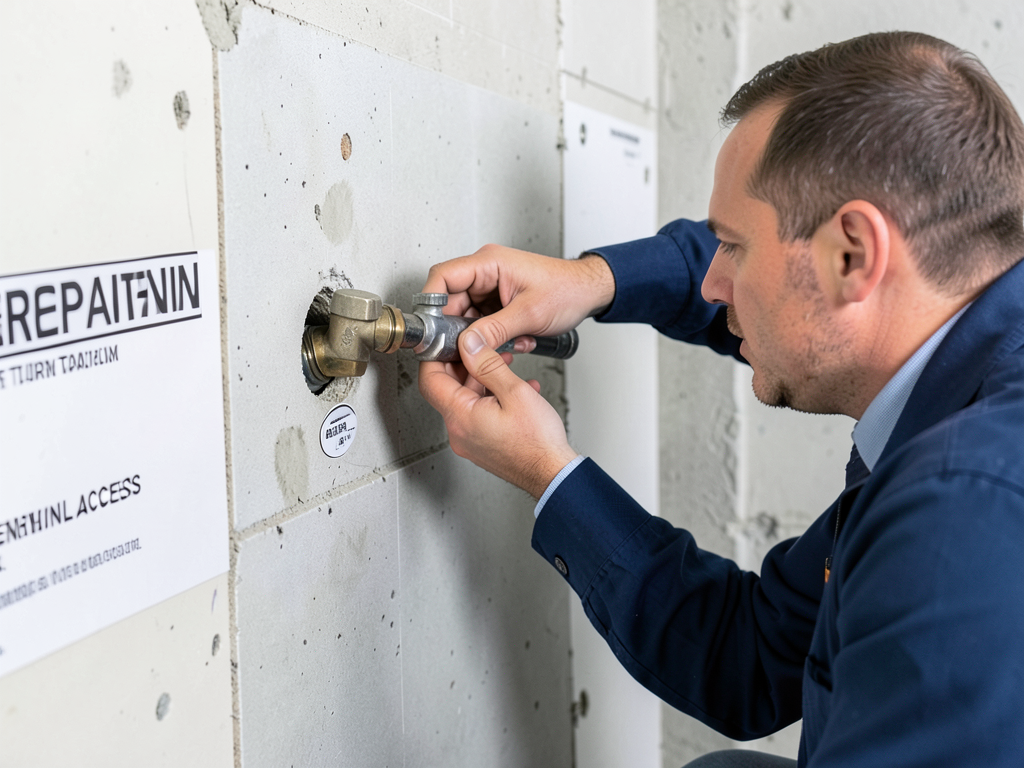
Finding the Best Placement for Your Main Water Shut-Off Valve During a Whole Home Remodel
During a major home renovation in Raleigh, relocating your main water shut-off valve often becomes a critical decision that affects both safety and convenience. The right placement ensures quick emergency access while meeting North Carolina Plumbing Code requirements. Whether you’re finishing a basement in North Hills or reconfiguring a Cary kitchen, understanding valve placement helps you avoid costly mistakes and code violations. North Carolina Plumbing Code Information.
Why Relocate Your Main Water Shut-Off Valve?
Homeowners choose to move their main water shut-off valve for several practical reasons. Accessibility stands as the primary driver since valves hidden behind walls or in crawlspaces become nearly impossible to reach during emergencies. A burst pipe can release hundreds of gallons per minute, making every second count when shutting off water.
Remodeling projects often reveal outdated valve locations that no longer serve modern living patterns. A valve tucked away in a mechanical room might work fine for a single-story rancher but becomes problematic when adding a second floor or finishing basement space. Some Raleigh homes built before 1980 feature gate valves that require multiple turns to close, while modern quarter-turn ball valves offer instant shutoff with a simple ninety-degree rotation.
Foundation work or room additions frequently necessitate valve relocation to maintain proper water flow and pressure. Moving from exterior to interior placement protects against freeze damage during Raleigh’s occasional cold snaps while improving overall system reliability.
The Relocation Process: What to Expect
Professional valve relocation follows a systematic approach that begins with mapping your existing plumbing infrastructure. Licensed plumbers trace water lines from the meter through your home, identifying pressure points and potential obstacles. This diagnostic phase reveals whether your project requires simple valve replacement or complete line rerouting. Who to Call for 24-7 Plumber Services in Wake Forest.
Coordinating with the City of Raleigh Public Utilities Department becomes necessary when work affects the service line connection. The utility must shut off water at the meter before any main line modifications begin. This coordination typically requires scheduling at least forty-eight hours in advance and may involve temporary water service interruption. City of Raleigh Public Utilities Department.
Pipe rerouting involves cutting existing copper or PEX lines and installing new sections with appropriate fittings. Modern installations favor Type L copper for main lines or PEX-A for flexibility in tight spaces. The choice depends on local soil conditions, building codes, and your specific layout requirements. Safe Gas Line Installation and Repairs for Residents in Rolesville.
Valve selection impacts long-term reliability. Quarter-turn ball valves with stainless steel balls resist corrosion better than traditional gate valves. Full-port designs maintain maximum flow rates while providing reliable shutoff. Some homeowners opt for smart shut-off valves that connect to home automation systems, offering remote monitoring and automatic leak detection. Signs You Need Sewer Repair.
Raleigh Plumbing Codes and Permit Requirements
The North Carolina Plumbing Code mandates specific accessibility standards for main shut-off valves. Section 604.8 requires valves to be installed in readily accessible locations without requiring special tools or ladders for operation. Valves must remain visible and operable from the front without obstruction.
Permit requirements vary based on project scope. Simple valve replacement within existing walls typically qualifies as minor work, while line rerouting or meter modifications require full permits through Wake County. The City of Raleigh Building Safety Division reviews plans to ensure compliance with both state and local regulations.
Inspection processes verify proper installation techniques and material usage. Pressure testing confirms system integrity before final approval. Some neighborhoods in Brier Creek and Five Points face additional requirements due to historic district guidelines or specific soil conditions that affect pipe depth and protection.
Backflow prevention devices may become necessary depending on your water service configuration. These prevent contaminated water from flowing back into the municipal supply system. Installation must follow manufacturer specifications and local code requirements.
Estimated Costs for Shut-Off Relocation in the Triangle
Professional valve relocation costs in Raleigh typically range from $800 to $2,500 depending on project complexity. Simple valve swaps in accessible locations fall at the lower end, while complete line rerouting with permit requirements push toward the higher range. Professional Drain Cleaning Services in Cary to Stop Stubborn Backups.
Labor rates for licensed Raleigh plumbers average $85 to $125 per hour, with master plumbers commanding premium rates for complex projects. Material costs vary significantly based on pipe type and valve quality. Type L copper tubing costs approximately $3 to $5 per foot, while PEX-A runs $0.50 to $2 per foot depending on diameter. Apartment Complex Plumbing.
Permit fees through Wake County range from $75 to $250 based on project scope. Additional inspection fees may apply if multiple visits become necessary. Smart valve integration adds $300 to $800 for the device plus installation time.
Hidden costs often emerge during demolition. Rotted framing, corroded pipes, or unexpected utility conflicts can extend project timelines. Professional plumbers include contingency planning in their estimates to account for these common discoveries.
Valve Placement Best Practices for Raleigh Homes
Interior placement near the front entry provides optimal accessibility while protecting against weather damage. This location allows quick access from anywhere in the home and eliminates concerns about freezing or corrosion from outdoor exposure.
Wall cavity depth becomes critical when selecting valve location. Standard 2×4 walls provide only 3.5 inches of space, while 2×6 construction offers more flexibility. Proper clearance ensures valve operation without interference from nearby utilities or structural elements.
Elevation matters for drainage and maintenance access. Installing valves at least twelve inches above finished floor level prevents water accumulation and allows visual inspection for leaks. This height also accommodates standard valve handles and provides comfortable operating position.
Marking and labeling systems improve emergency response times. Clearly labeled valves with directional indicators help all household members locate and operate shut-off mechanisms. Some installations include illuminated indicators or color-coded handles for enhanced visibility.
Common Mistakes to Avoid
DIY valve relocation poses significant risks including water damage, code violations, and potential insurance complications. Pressurized main lines require proper tools and techniques that most homeowners lack. A single mistake can flood your home within minutes.
Incorrect pipe sizing creates pressure issues that affect entire plumbing systems. Main lines must maintain minimum diameters to support household demand. Reducing pipe size to save costs often results in poor performance and premature fixture failure.
Improper valve orientation can trap air or create drainage problems. Ball valves must install with the handle in the correct position to ensure full flow when open. Some valves require specific mounting angles to prevent internal component damage.
Ignoring local soil conditions leads to premature pipe failure. Raleigh’s clay-heavy soil expands and contracts with moisture changes, potentially damaging buried pipes. Proper bedding materials and installation techniques protect against these environmental factors.
Smart Technology Integration
Modern smart shut-off valves offer advanced features that traditional valves cannot match. These devices monitor water flow patterns, detect unusual usage, and automatically shut off water when leaks occur. Integration with home automation systems provides remote monitoring through smartphone apps.
Flow sensors detect even small leaks that might go unnoticed for days. Some systems differentiate between normal usage patterns and potential problems, reducing false alarms while catching real issues early. Battery backup ensures operation during power outages when water damage risks increase.
Water monitoring capabilities track usage patterns and identify potential problems before they become emergencies. Sudden pressure drops or unusual flow rates trigger alerts that allow proactive intervention. This technology particularly benefits vacation homes or properties with elderly occupants.
Installation considerations for smart valves include power requirements and communication methods. Most devices require standard electrical outlets or battery power. WiFi connectivity enables remote features but may require signal boosters in larger homes or those with thick walls.
Emergency Preparedness and Family Training
Proper valve placement means nothing without family members knowing how to operate the system. Emergency training should include locating the main shut-off, understanding valve operation, and recognizing when to shut off water. Practice sessions during daylight hours prepare everyone for nighttime emergencies.
Emergency contact information should include your plumber’s number and basic shut-off instructions. Some families create laminated cards with valve locations and operation steps for each household member. This preparation reduces panic and response time during actual emergencies.
Seasonal considerations affect emergency preparedness. Winter preparations might include insulating exposed pipes or installing heat tape near vulnerable areas. Summer brings different concerns like increased water usage and potential for irrigation system failures.
Multi-family homes require additional planning since multiple units share water service. Clear communication about valve locations and emergency procedures prevents confusion during crises. Some buildings install individual unit shut-offs to isolate problems without affecting entire buildings.
Call to Action
Don’t wait until an emergency forces rushed decisions about your main water shut-off valve. Call (984) 294-6422 today to schedule a professional evaluation of your current valve location and discuss relocation options for your upcoming remodel. Our licensed Raleigh plumbers understand local codes and soil conditions that affect valve placement decisions. Pick up the phone and call (984) 294-6422 before the next storm hits or renovation project begins.
Frequently Asked Questions
How long does main water valve relocation typically take?
Most valve relocations require four to eight hours of labor time, though complex projects involving line rerouting may extend to two days. Weather, permit processing, and utility coordination can add additional time to the overall project.
Can I relocate my main water shut-off valve myself?
DIY valve relocation on main water lines is strongly discouraged due to the risks of water damage, code violations, and potential insurance complications. Professional plumbers have the proper tools, knowledge, and permits to complete the work safely and correctly.
What type of valve should I install during relocation?
Quarter-turn ball valves with full-port design offer the best combination of reliability, ease of use, and flow capacity. Stainless steel ball construction resists corrosion better than standard brass valves, particularly in areas with hard water or chemical treatment.
Does valve relocation require permits in Raleigh?
Permit requirements depend on project scope. Simple valve replacement typically doesn’t require permits, but line rerouting, meter modifications, or work in historic districts usually requires Wake County permits and inspections to ensure code compliance.
How much does smart valve technology cost?
Smart shut-off valves range from $300 to $800 for the device alone, with installation adding $200 to $500 depending on complexity. These systems offer features like leak detection, remote monitoring, and automatic shutoff that can prevent costly water damage.
{
“@context”: “https://schema.org”,
“@type”: “BlogPosting”,
“headline”: “Finding the Best Placement for Your Main Water Shut-Off Valve During a Whole Home Remodel”,
“description”: “Relocating your main water shut-off valve in Raleigh requires code compliance and smart placement. Learn costs, process, and why accessibility matters for whole home remodels.”,
“wordCount”: 1751,
“datePublished”: “2026-06-02T10:34:00.000Z”,
“dateModified”: “2026-06-02T10:34:00.000Z”,
“inLanguage”: “en-US”,
“mainEntityOfPage”: {
“@type”: “WebPage”,
“@id”: “https://ironwoodplumbingraleigh.com”
},
“publisher”: {
“@type”: “LocalBusiness”,
“name”: “Ironwood Plumbing Raleigh”,
“url”: “https://ironwoodplumbingraleigh.com”
},
“author”: {
“@type”: “Organization”,
“name”: “Ironwood Plumbing Raleigh”,
“url”: “https://ironwoodplumbingraleigh.com”
},
“image”: {
“@type”: “ImageObject”,
“url”: “https://ironwoodplumbingraleigh.com/wp-content/uploads/2026/03/finding-the-best-placement-for-your-main-water-shu-1.png”
}
}
{
“@context”: “https://schema.org”,
“@type”: “Plumber”,
“name”: “Ironwood Plumbing Raleigh”,
“url”: “https://ironwoodplumbingraleigh.com”,
“address”: {
“@type”: “PostalAddress”,
“addressLocality”: “Raleigh”
},
“areaServed”: {
“@type”: “City”,
“name”: “Raleigh”
}
}
{
“@context”: “https://schema.org”,
“@type”: “FAQPage”,
“mainEntity”: [
{
“@type”: “Question”,
“name”: “Why Relocate Your Main Water Shut-Off Valve?”,
“acceptedAnswer”: {
“@type”: “Answer”,
“text”: “Homeowners choose to move their main water shut-off valve for several practical reasons. Accessibility stands as the primary driver since valves hidden behind walls or in crawlspaces become nearly impossible to reach during emergencies. A burst pipe can release hundreds of gallons per minute, making every second count when shutting off water.”
}
},
{
“@type”: “Question”,
“name”: “How long does main water valve relocation typically take?”,
“acceptedAnswer”: {
“@type”: “Answer”,
“text”: “Most valve relocations require four to eight hours of labor time, though complex projects involving line rerouting may extend to two days. Weather, permit processing, and utility coordination can add additional time to the overall project.”
}
},
{
“@type”: “Question”,
“name”: “Can I relocate my main water shut-off valve myself?”,
“acceptedAnswer”: {
“@type”: “Answer”,
“text”: “DIY valve relocation on main water lines is strongly discouraged due to the risks of water damage, code violations, and potential insurance complications. Professional plumbers have the proper tools, knowledge, and permits to complete the work safely and correctly.”
}
},
{
“@type”: “Question”,
“name”: “What type of valve should I install during relocation?”,
“acceptedAnswer”: {
“@type”: “Answer”,
“text”: “Quarter-turn ball valves with full-port design offer the best combination of reliability, ease of use, and flow capacity. Stainless steel ball construction resists corrosion better than standard brass valves, particularly in areas with hard water or chemical treatment.”
}
},
{
“@type”: “Question”,
“name”: “Does valve relocation require permits in Raleigh?”,
“acceptedAnswer”: {
“@type”: “Answer”,
“text”: “Permit requirements depend on project scope. Simple valve replacement typically doesn’t require permits, but line rerouting, meter modifications, or work in historic districts usually requires Wake County permits and inspections to ensure code compliance.”
}
},
{
“@type”: “Question”,
“name”: “How much does smart valve technology cost?”,
“acceptedAnswer”: {
“@type”: “Answer”,
“text”: “Smart shut-off valves range from $300 to $800 for the device alone, with installation adding $200 to $500 depending on complexity. These systems offer features like leak detection, remote monitoring, and automatic shutoff that can prevent costly water damage.”
}
}
]
}
{
“@context”: “https://schema.org”,
“@type”: “BreadcrumbList”,
“itemListElement”: [
{
“@type”: “ListItem”,
“position”: 1,
“name”: “Home”,
“item”: “https://ironwoodplumbingraleigh.com”
},
{
“@type”: “ListItem”,
“position”: 2,
“name”: “Blog”,
“item”: “https://ironwoodplumbingraleigh.com/blog”
},
{
“@type”: “ListItem”,
“position”: 3,
“name”: “Finding the Best Placement for Your Main Water Shut-Off Valve During a Whole Home Remodel”
}
]
}
{
“@context”: “https://schema.org”,
“@type”: “Service”,
“serviceType”: “Plumbing”,
“provider”: {
“@type”: “LocalBusiness”,
“name”: “Ironwood Plumbing Raleigh”,
“url”: “https://ironwoodplumbingraleigh.com”
},
“areaServed”: {
“@type”: “City”,
“name”: “Raleigh”
},
“description”: “Relocating your main water shut-off valve in Raleigh requires code compliance and smart placement. Learn costs, process, and why accessibility matters for whole home remodels.”
}