
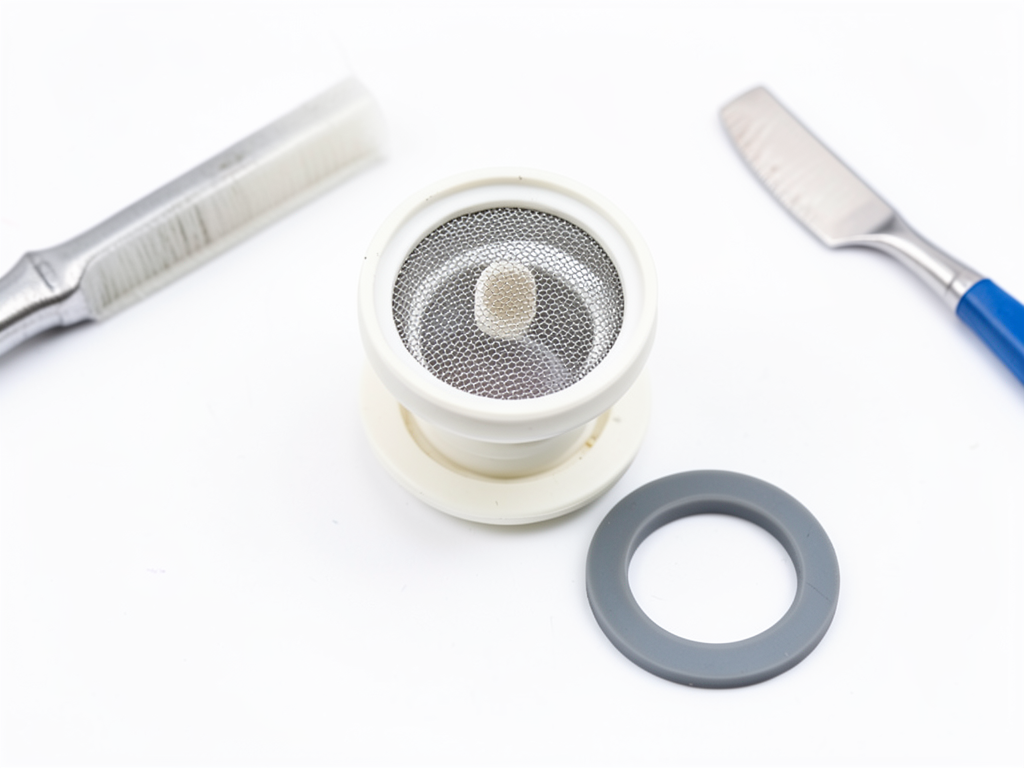
How to Clean Your Faucet Aerators to Restore Water Flow in Your Glenwood South Condo
Low water pressure at your kitchen or bathroom sink can turn simple tasks into frustrating chores. In most Glenwood South condos built during Raleigh’s recent development boom, the culprit is often a clogged faucet aerator. These small mesh screens trap mineral deposits and sediment from Raleigh’s municipal water supply, gradually choking off flow until your faucet barely dribbles.. Read more about Why Your Water Pressure Changes When the Neighbors Water Their Lawns in Zebulon.
Before calling a plumber for a costly service visit, you can restore full pressure in under 30 minutes using basic household supplies. This guide walks you through the exact process Raleigh residents use to clear aerators and get their water flowing freely again. Who to Call for 24-7 Plumber Services in Wake Forest.
Tools and Supplies You’ll Need
Gather these items before starting:
- White vinegar (5% acetic acid)
- Adjustable pliers or channel-lock wrench
- Old toothbrush or small nylon brush
- Microfiber cloth
- Small container or bowl
- Optional: aerator key (for recessed or tamper-proof aerators)
Step-by-Step Aerator Cleaning Process
- Remove the Aerator
Wrap the aerator in a microfiber cloth to protect the finish. Use pliers to turn counterclockwise. Most aerators loosen with standard right-hand threads. If it won’t budge, try an aerator key available at hardware stores along Glenwood Avenue.
- Disassemble the Components
Carefully unscrew the housing. Inside you’ll find a rubber washer, plastic flow restrictor, and fine mesh screens. Note the order of parts for reassembly.
- Soak in Vinegar Solution
Place all metal and plastic parts in a bowl of white vinegar. Let soak for 30-60 minutes. The acetic acid dissolves calcium carbonate deposits that Raleigh’s moderately hard water leaves behind.. Read more about Why Your Fridge Water Filter Might Be Slowing Down the Flow to Your Ice Maker.
- Scrub and Rinse
Use the toothbrush to gently scrub away loosened mineral buildup. Pay special attention to the mesh screens where deposits accumulate. Rinse thoroughly under warm water.
- Reassemble and Test
Put the aerator back together in the same order. Screw it onto the faucet by hand, then give it a quarter turn with pliers wrapped in cloth. Run water to check restored pressure.
Why Raleigh Water Causes Aerator Clogging
Raleigh’s municipal water from the City of Raleigh Public Utilities Department typically measures 25-40 mg/L of calcium carbonate, placing it in the “moderately hard” range. This mineral content is higher than coastal areas but lower than mountain communities. Glenwood South condos built in the 2010s often have copper piping that develops a thin protective patina, but this doesn’t prevent mineral precipitation at faucet outlets. City of Raleigh Public Utilities water quality information.
Seasonal factors also play a role. During summer months when water demand peaks, sediment can become more mobile in the distribution system. If you notice pressure drops coinciding with heavy lawn irrigation season, sediment rather than mineral scale might be your primary issue.
Beyond the Aerator: When Cleaning Doesn’t Help
If cleaning the aerator doesn’t restore normal flow, the problem may lie deeper in your plumbing system. Common issues in Glenwood South condos include:
- Partially closed shut-off valves under sinks
- Faulty pressure reducing valves (PRVs) that regulate building water pressure
- Cartridge buildup in single-handle faucets
- Galvanized steel supply lines in older buildings that corrode internally
A quick diagnostic test: if low pressure affects only one faucet, the problem is localized to that fixture. If multiple fixtures have reduced flow, you may have a building-wide pressure issue requiring professional assessment. Professional Drain Cleaning Services in Cary to Stop Stubborn Backups.
Preventative Maintenance for Glenwood South Residents
Given Raleigh’s water characteristics, cleaning your aerators every six months prevents most pressure problems. Set calendar reminders for spring and fall cleaning. During these sessions, also:
- Check under-sink supply lines for moisture indicating slow leaks
- Inspect faucet bases for mineral buildup that can damage finishes
- Run hot water for 30 seconds to flush sediment from water heater lines
Condo owners in buildings with shared water systems should coordinate with their HOA for building-wide plumbing inspections every few years, especially if your building is over a decade old.
Professional Help: When to Call Ironwood Plumbing
Some pressure issues require professional tools and expertise. Call (984) 294-6422 if you experience:
- Water hammer or banging pipes when turning faucets on/off
- Pressure that fluctuates dramatically between fixtures
- Visible corrosion on supply lines or valve stems
- Low hot water pressure but normal cold water pressure (indicating water heater issues)
Ironwood Plumbing serves the entire Triangle area with 24/7 emergency service. Our technicians carry specialized aerator removal tools and can diagnose whether your pressure issues stem from fixture problems or deeper plumbing concerns.
Frequently Asked Questions
Can I use bleach instead of vinegar to clean my aerator?
No. Bleach can damage rubber components and plastic parts inside aerators. White vinegar is acidic enough to dissolve mineral deposits without harming the assembly.
How do I know if my aerator is the hidden or recessed type?
Hidden aerators sit flush with the faucet bottom and require a special key for removal. If you see no visible slots or ridges on the aerator face, it’s likely recessed. These are common in modern Glenwood South condo fixtures.. Read more about How to Flush the Gunk Out of Your Bathroom Sink Overflow Drain in Your Mordecai Rental.
Will removing the flow restrictor increase my water pressure?
Removing the flow restrictor will increase flow volume but not necessarily pressure. The restrictor is designed to maintain consistent pressure while reducing water consumption to meet EPA WaterSense standards. EPA WaterSense program standards.
How much water pressure should I have in my condo?
Residential water pressure typically ranges from 40-80 PSI. Pressure below 40 PSI indicates a problem with your building’s supply or pressure reducing valve. Pressure above 80 PSI can damage fixtures and should be regulated.
Quick Reference: Aerator Cleaning Checklist
| Step | Time Required | Tools Needed |
|---|---|---|
| Remove aerator | 2-5 minutes | Pliers, cloth |
| Soak in vinegar | 30-60 minutes | Bowl, vinegar |
| Scrub and rinse | 5-10 minutes | Toothbrush, water |
| Reassemble and test | 2-3 minutes | None |
| Total project time | 40-78 minutes | – |
Local Water Quality Resources
The City of Raleigh Public Utilities Department publishes annual water quality reports showing mineral content and any detected contaminants. These reports confirm that Raleigh’s water hardness remains consistent year-round, making regular aerator maintenance a predictable necessity for residents.
For buildings with water softening systems, check that your softener is functioning properly. A failed softener can cause mineral levels to spike, accelerating aerator clogging. Test your water hardness with simple test strips available at hardware stores along Capital Boulevard.
Restore Your Water Flow Today
Don’t let low water pressure disrupt your daily routine. Follow the steps above to clean your faucet aerators and restore full flow to your Glenwood South condo. If you’ve cleaned the aerator but still experience pressure problems, the issue may be more complex. Apartment Complex Plumbing.
Pick up the phone and call (984) 294-6422 before the next storm hits. Ironwood Plumbing’s experienced technicians can diagnose and resolve pressure issues quickly, ensuring your plumbing system performs at its best. We understand the specific challenges Raleigh’s water quality presents to local residents and have the tools to address them efficiently.
Regular maintenance prevents emergency calls. Schedule your aerator cleaning today and enjoy the full pressure your fixtures were designed to deliver.
You may also find this helpful. Why Your Toilet Handle Sticks or Feels Loose in Your Historic Boylan Heights Home.
{
“@context”: “https://schema.org”,
“@type”: “BlogPosting”,
“headline”: “How to Clean Your Faucet Aerators to Restore Water Flow in Your Glenwood South Condo”,
“description”: “Low water pressure in your Glenwood South condo? Learn how to clean faucet aerators using vinegar and simple tools. Fix slow flow fast with our step-by-step guide.”,
“wordCount”: 1176,
“datePublished”: “2026-05-25T13:03:00.000Z”,
“dateModified”: “2026-05-25T13:03:00.000Z”,
“inLanguage”: “en-US”,
“mainEntityOfPage”: {
“@type”: “WebPage”,
“@id”: “https://ironwoodplumbingraleigh.com”
},
“publisher”: {
“@type”: “LocalBusiness”,
“name”: “Ironwood Plumbing Raleigh”,
“url”: “https://ironwoodplumbingraleigh.com”
},
“author”: {
“@type”: “Organization”,
“name”: “Ironwood Plumbing Raleigh”,
“url”: “https://ironwoodplumbingraleigh.com”
},
“image”: {
“@type”: “ImageObject”,
“url”: “https://ironwoodplumbingraleigh.com/wp-content/uploads/2026/03/how-to-clean-your-faucet-aerators-to-restore-water-1.png”
}
}
{
“@context”: “https://schema.org”,
“@type”: “Plumber”,
“name”: “Ironwood Plumbing Raleigh”,
“url”: “https://ironwoodplumbingraleigh.com”,
“address”: {
“@type”: “PostalAddress”,
“addressLocality”: “Raleigh”
},
“areaServed”: {
“@type”: “City”,
“name”: “Raleigh”
}
}
{
“@context”: “https://schema.org”,
“@type”: “FAQPage”,
“mainEntity”: [
{
“@type”: “Question”,
“name”: “Can I use bleach instead of vinegar to clean my aerator?”,
“acceptedAnswer”: {
“@type”: “Answer”,
“text”: “No. Bleach can damage rubber components and plastic parts inside aerators. White vinegar is acidic enough to dissolve mineral deposits without harming the assembly.”
}
},
{
“@type”: “Question”,
“name”: “How do I know if my aerator is the hidden or recessed type?”,
“acceptedAnswer”: {
“@type”: “Answer”,
“text”: “Hidden aerators sit flush with the faucet bottom and require a special key for removal. If you see no visible slots or ridges on the aerator face, it’s likely recessed. These are common in modern Glenwood South condo fixtures.”
}
},
{
“@type”: “Question”,
“name”: “Will removing the flow restrictor increase my water pressure?”,
“acceptedAnswer”: {
“@type”: “Answer”,
“text”: “Removing the flow restrictor will increase flow volume but not necessarily pressure. The restrictor is designed to maintain consistent pressure while reducing water consumption to meet EPA WaterSense standards. EPA WaterSense program standards.”
}
}
]
}
{
“@context”: “https://schema.org”,
“@type”: “HowTo”,
“name”: “How to Clean a Faucet Aerator”,
“step”: [
{
“@type”: “HowToStep”,
“position”: 1,
“name”: “Remove the Aerator”,
“text”: “Wrap the aerator in a microfiber cloth to protect the finish. Use pliers to turn counterclockwise. Most aerators loosen with standard right-hand threads. If it won’t budge, try an aerator key available at hardware stores along Glenwood Avenue.”
},
{
“@type”: “HowToStep”,
“position”: 2,
“name”: “Disassemble the Components”,
“text”: “Carefully unscrew the housing. Inside you’ll find a rubber washer, plastic flow restrictor, and fine mesh screens. Note the order of parts for reassembly.”
},
{
“@type”: “HowToStep”,
“position”: 3,
“name”: “Soak in Vinegar Solution”,
“text”: “Place all metal and plastic parts in a bowl of white vinegar. Let soak for 30-60 minutes. The acetic acid dissolves calcium carbonate deposits that Raleigh’s moderately hard water leaves behind.”
},
{
“@type”: “HowToStep”,
“position”: 4,
“name”: “Scrub and Rinse”,
“text”: “Use the toothbrush to gently scrub away loosened mineral buildup. Pay special attention to the mesh screens where deposits accumulate. Rinse thoroughly under warm water.”
},
{
“@type”: “HowToStep”,
“position”: 5,
“name”: “Reassemble and Test”,
“text”: “Put the aerator back together in the same order. Screw it onto the faucet by hand, then give it a quarter turn with pliers wrapped in cloth. Run water to check restored pressure.”
}
],
“image”: “https://ironwoodplumbingraleigh.com/wp-content/uploads/2026/03/how-to-clean-your-faucet-aerators-to-restore-water-1.png”
}
{
“@context”: “https://schema.org”,
“@type”: “BreadcrumbList”,
“itemListElement”: [
{
“@type”: “ListItem”,
“position”: 1,
“name”: “Home”,
“item”: “https://ironwoodplumbingraleigh.com”
},
{
“@type”: “ListItem”,
“position”: 2,
“name”: “Blog”,
“item”: “https://ironwoodplumbingraleigh.com/blog”
},
{
“@type”: “ListItem”,
“position”: 3,
“name”: “How to Clean Your Faucet Aerators to Restore Water Flow in Your Glenwood South Condo”
}
]
}
{
“@context”: “https://schema.org”,
“@type”: “Service”,
“serviceType”: “Plumbing”,
“provider”: {
“@type”: “LocalBusiness”,
“name”: “Ironwood Plumbing Raleigh”,
“url”: “https://ironwoodplumbingraleigh.com”
},
“areaServed”: {
“@type”: “City”,
“name”: “Raleigh”
},
“description”: “Low water pressure in your Glenwood South condo? Learn how to clean faucet aerators using vinegar and simple tools. Fix slow flow fast with our step-by-step guide.”
}