
Why Your Crawl Space Dehumidifier Drain Line Matters in Fuquay-Varina
Fuquay-Varina’s humid summers and red clay soil create the perfect storm for crawl space moisture problems. A dehumidifier can pull gallons of water daily, but without a proper drain line, that moisture goes nowhere. Many homeowners discover too late that their condensate pump failed, allowing water to pool under the vapor barrier and create mold conditions. The right drain line setup prevents these failures and protects your home’s foundation. Professional Drain Cleaning Services in Cary to Stop Stubborn Backups.
North Carolina’s building codes require proper condensate disposal to prevent structural damage and pest attraction. In Fuquay-Varina, where crawl spaces are common in older neighborhoods like downtown and new developments near Highway 55, understanding drain line options becomes critical for long-term moisture control. North Carolina Residential Building Code.
Gravity Drain vs. Condensate Pump: Which Works Best in Fuquay-Varina?
Gravity drains use elevation differences to move water without electricity. They work when your crawl space floor sits above the exterior grade, allowing water to flow downhill through PVC pipe. Fuquay-Varina’s relatively flat terrain means many homes need pumps instead.
Condensate pumps collect water in a small reservoir and use a float switch to activate a motor that pushes water through tubing. They work anywhere but add complexity with potential mechanical failures. Pumps need power, can clog with algae, and may freeze in exterior lines during rare cold snaps.
The choice depends on your home’s elevation relative to the surrounding grade. Homes on slight hills near Sunset Lake Road often accommodate gravity drains, while those in flatter areas off Judd Parkway typically need pumps. A professional assessment determines the best approach for your specific situation.
Proper Routing and Termination Points for Fuquay-Varina Homes
Successful drain line installation requires understanding where water should go. North Carolina Residential Code Section R322.2.2 mandates that condensate water discharge at least 10 feet from the foundation or into an approved drainage system. This prevents water from saturating soil near your crawl space walls. Safe Gas Line Installation and Repairs for Residents in Rolesville.
Common termination points include:
- Daylight discharge to a sloped area at least 10 feet from the foundation
- Connection to an existing sump pit with proper backflow prevention
- Tie-in to a French drain system designed for subsurface water management
- Connection to the main sewer line through an air gap device
Fuquay-Varina’s clay soil drains poorly, making proper termination even more critical. Water that pools near your foundation can cause hydrostatic pressure, leading to foundation cracks and water intrusion during heavy rains common in central North Carolina.
5 Common Drain Line Problems and How to Fix Them
Understanding failure patterns helps prevent costly repairs. Here are the most frequent issues we see in Fuquay-Varina crawl spaces: EPA Mold Guidelines.
1. Clogged Lines from Algae Growth
Condensate water creates ideal conditions for algae in dark, warm drain lines. The slimy buildup eventually blocks water flow, causing backups. Annual cleaning with algaecide tablets prevents this issue.
2. Frozen Exterior Lines
Though rare in Fuquay-Varina, temperatures occasionally drop below freezing. Water trapped in exterior portions of drain lines can freeze, blocking flow. Insulating exposed pipe sections prevents this problem.
3. Improper Slope Causing Standing Water
Drain lines need at least 1/4 inch of drop per foot of run. Without proper slope, water pools in low spots, creating stagnant areas where bacteria grow. Use a level during installation to verify slope.
4. Pest Intrusion Through Open Ends
Insects and small animals enter drain lines through open termination points. Install screens or one-way valves to prevent pest entry while allowing water flow.
5. Pump Failure from Power Loss or Mechanical Issues
Condensate pumps rely on electricity and moving parts. Power outages, float switch failures, or motor burnout can stop water removal. Consider battery backup systems for critical applications.
Local Building Codes and Environmental Factors in Fuquay-Varina
Wake County follows the North Carolina State Building Code, which includes specific requirements for HVAC condensate disposal. Section R322.2.2 requires that condensate water not create a nuisance, damage adjacent property, or create a public health hazard.
Fuquay-Varina’s environmental conditions affect drain line performance. The area receives approximately 46 inches of rainfall annually, with peak humidity levels often exceeding 85% during summer months. This moisture load means dehumidifiers work harder and produce more condensate.
The region’s red clay soil has low permeability, causing water to spread horizontally rather than percolating downward. This characteristic makes proper termination distance even more critical, as water near your foundation can travel laterally and affect structural elements.
Local termite bonds may have specific requirements about moisture management around foundations. Some bond providers require documented moisture control measures, including proper dehumidifier drainage, to maintain coverage.
Professional Installation vs. DIY: Cost-Benefit Analysis for Fuquay-Varina Homeowners
DIY drain line installation might seem straightforward, but several factors make professional installation worthwhile. First, proper assessment of your home’s elevation and soil conditions requires experience. What looks like sufficient slope to an untrained eye may not provide adequate drainage.
Professional installation includes code compliance verification. Licensed plumbers understand Wake County permit requirements and can ensure your installation meets all local regulations. This documentation proves valuable if you sell your home or need to file insurance claims. Who to Call for 24-7 Plumber Services in Wake Forest.
Cost factors for professional installation typically range from $300 to $800, depending on complexity. This investment prevents much more expensive repairs from water damage, mold remediation, or foundation issues that improper drainage can cause. Toilet Repair & Installation.
DIY installations risk several problems: inadequate slope causing backups, improper termination leading to foundation damage, code violations resulting in failed inspections, and lack of warranty protection if issues arise later.
Step-by-Step Installation Process for Crawl Space Dehumidifier Drain Lines
Step 1: Assessment and Planning
Evaluate your crawl space elevation, soil conditions, and available termination points. Measure distances and determine if gravity drainage is possible or if a pump is necessary.
Step 2: Material Selection
Choose appropriate pipe size (typically 3/4-inch PVC for gravity drains), fittings, and termination hardware. Consider insulation needs based on your specific installation.
Step 3: Routing the Line
Plan the shortest route with adequate slope. Avoid sharp bends that can trap debris and create clogs. Maintain at least 1/4 inch per foot of drop.
Step 4: Installation
Install pipe sections with proper fittings. Test for leaks before burying or concealing lines. Verify slope using a level throughout the installation.
Step 5: Termination Setup
Install termination hardware appropriate for your chosen method. Add screens or valves to prevent pest entry. Ensure water discharges at least 10 feet from the foundation.
Step 6: Testing and Documentation
Run the dehumidifier to verify proper drainage. Check for leaks or backups. Document the installation for future reference and warranty purposes.
Maintenance Tips to Keep Your Drain Line Working Properly
Regular maintenance prevents most drain line failures. Check your system quarterly, especially before heavy use seasons in spring and summer.
Look for signs of trouble: water pooling under your dehumidifier indicates a clog or pump failure. Algae growth around termination points suggests water isn’t flowing freely. Ice formation on exterior pipes during cold snaps shows inadequate insulation. Signs You Need Sewer Repair.
Clean your drain line annually using a wet-dry vacuum to remove debris. Pour a cup of vinegar through the line to kill algae and mineral deposits. For pump systems, test the float switch operation and listen for unusual noises indicating bearing wear.
Replace vinyl tubing every 3-5 years as it becomes brittle and prone to cracking. PVC pipes last much longer but should be inspected for cracks or joint separation.
Integration with Your Complete Crawl Space Moisture Control System
A drain line works as part of a comprehensive moisture control strategy. Your crawl space likely includes a vapor barrier, proper ventilation, and possibly a sump pump system.
The drain line should complement these systems rather than work in isolation. For example, if you have a sump pit, routing dehumidifier condensate there makes sense since both systems handle water removal. However, ensure the sump pump can handle the additional volume without overflow.
Vapor barriers prevent ground moisture from entering your crawl space, reducing the load on your dehumidifier. But they don’t eliminate the need for active moisture removal, especially in Fuquay-Varina’s humid climate where outdoor air can carry significant moisture.
Proper integration means all moisture control components work together efficiently. A well-designed system prevents the domino effect where one failure leads to widespread moisture problems.
Frequently Asked Questions
Can I use a garden hose instead of PVC pipe for my dehumidifier drain line?
Garden hoses work for temporary setups but lack the durability and proper slope maintenance of PVC pipe. They can collapse under suction, kink easily, and don’t provide the rigid support needed for proper drainage. For permanent installations, use schedule 40 PVC pipe.
How often should I clean my dehumidifier drain line?
Clean your drain line annually at minimum, preferably before heavy use seasons. Homes in particularly humid areas or those with high dust levels may need cleaning every six months. Watch for signs of reduced drainage speed as an indicator that cleaning is needed.
What size pipe should I use for my dehumidifier drain line?
3/4-inch PVC pipe works for most residential dehumidifiers, handling up to 70 pints per day of moisture removal. Larger units or commercial applications may require 1-inch pipe. Always check your dehumidifier’s specifications for recommended drain line size.
Can I tie my dehumidifier drain into my existing plumbing?
Yes, but it must be done correctly with proper air gaps to prevent cross-contamination. The International Plumbing Code requires an air gap of at least twice the pipe diameter between the drain line and any receiving plumbing fixture. This prevents backflow of contaminated water into your dehumidifier.
How do I know if my crawl space has proper drainage?
Proper drainage shows no standing water, no musty odors, and relative humidity levels between 40-60%. Use a hygrometer to monitor humidity. Check for efflorescence on foundation walls, which indicates moisture problems. If you notice any of these warning signs, your drainage system needs evaluation.

Image Description: Professional plumber installing 3/4-inch PVC drain line through crawl space foundation wall, showing proper slope and secure mounting brackets.
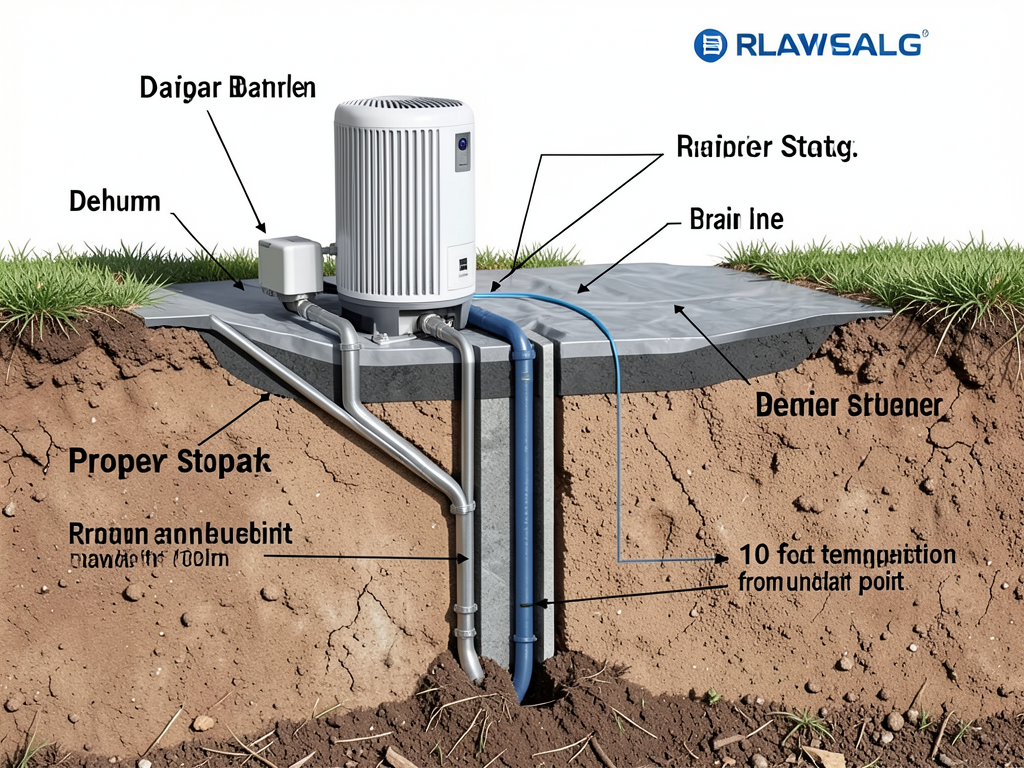
Image Description: Cross-section diagram of crawl space showing dehumidifier, vapor barrier, drain line routing, and proper 10-foot termination point from foundation.
Image Description: Close-up of condensate pump installation with float switch, check valve, and algae-prevention tablets in reservoir.
Protect Your Fuquay-Varina Home with Proper Dehumidifier Drainage
Your crawl space dehumidifier represents a significant investment in your home’s health and structural integrity. The drain line might seem like a minor component, but it’s actually the system’s most critical failure point. A properly installed and maintained drain line prevents water damage, mold growth, and foundation issues that can cost thousands in repairs.
Fuquay-Varina’s unique combination of high humidity, clay soil, and common crawl space construction makes professional assessment valuable. What works in one home may not work in another just blocks away due to subtle elevation differences or soil conditions.
Don’t wait for water damage to discover your drain line isn’t working properly. A quick inspection can identify potential problems before they cause expensive damage. Whether you need a new installation, an upgrade to your existing system, or just peace of mind knowing your current setup meets code requirements, professional help ensures your investment is protected.
Call (984) 294-6422 today to schedule your crawl space dehumidifier drain line inspection. Our experienced technicians understand Fuquay-Varina’s specific challenges and can recommend the right solution for your home. Don’t let a simple drain line failure compromise your home’s foundation and air quality.
Pick up the phone and call (984) 294-6422 before the next heavy rain or humidity spike tests your system’s limits. Your home deserves professional moisture control that works when you need it most.
{
“@context”: “https://schema.org”,
“@type”: “BlogPosting”,
“headline”: “How to Properly Drain Your Crawl Space Dehumidifier in Fuquay-Varina”,
“description”: “Learn the correct way to drain your crawl space dehumidifier in Fuquay-Varina. Avoid pump failures with gravity-fed lines, PVC routing, and code-compliant termination.”,
“wordCount”: 1979,
“datePublished”: “2026-05-06T14:21:00.000Z”,
“dateModified”: “2026-05-06T14:21:00.000Z”,
“inLanguage”: “en-US”,
“mainEntityOfPage”: {
“@type”: “WebPage”,
“@id”: “https://ironwoodplumbingraleigh.com”
},
“publisher”: {
“@type”: “LocalBusiness”,
“name”: “Ironwood Plumbing Raleigh”,
“url”: “https://ironwoodplumbingraleigh.com”
},
“author”: {
“@type”: “Organization”,
“name”: “Ironwood Plumbing Raleigh”,
“url”: “https://ironwoodplumbingraleigh.com”
},
“image”: {
“@type”: “ImageObject”,
“url”: “https://ironwoodplumbingraleigh.com/wp-content/uploads/2026/03/how-to-properly-drain-your-crawl-space-dehumidifie-1.png”
}
}
{
“@context”: “https://schema.org”,
“@type”: “Plumber”,
“name”: “Ironwood Plumbing Raleigh”,
“url”: “https://ironwoodplumbingraleigh.com”,
“address”: {
“@type”: “PostalAddress”,
“addressLocality”: “Raleigh”
},
“areaServed”: {
“@type”: “City”,
“name”: “Raleigh”
}
}
{
“@context”: “https://schema.org”,
“@type”: “FAQPage”,
“mainEntity”: [
{
“@type”: “Question”,
“name”: “Gravity Drain vs. Condensate Pump: Which Works Best in Fuquay-Varina?”,
“acceptedAnswer”: {
“@type”: “Answer”,
“text”: “Gravity drains use elevation differences to move water without electricity. They work when your crawl space floor sits above the exterior grade, allowing water to flow downhill through PVC pipe. Fuquay-Varina’s relatively flat terrain means many homes need pumps instead.”
}
},
{
“@type”: “Question”,
“name”: “Can I use a garden hose instead of PVC pipe for my dehumidifier drain line?”,
“acceptedAnswer”: {
“@type”: “Answer”,
“text”: “Garden hoses work for temporary setups but lack the durability and proper slope maintenance of PVC pipe. They can collapse under suction, kink easily, and don’t provide the rigid support needed for proper drainage. For permanent installations, use schedule 40 PVC pipe.”
}
},
{
“@type”: “Question”,
“name”: “How often should I clean my dehumidifier drain line?”,
“acceptedAnswer”: {
“@type”: “Answer”,
“text”: “Clean your drain line annually at minimum, preferably before heavy use seasons. Homes in particularly humid areas or those with high dust levels may need cleaning every six months. Watch for signs of reduced drainage speed as an indicator that cleaning is needed.”
}
},
{
“@type”: “Question”,
“name”: “What size pipe should I use for my dehumidifier drain line?”,
“acceptedAnswer”: {
“@type”: “Answer”,
“text”: “3/4-inch PVC pipe works for most residential dehumidifiers, handling up to 70 pints per day of moisture removal. Larger units or commercial applications may require 1-inch pipe. Always check your dehumidifier’s specifications for recommended drain line size.”
}
},
{
“@type”: “Question”,
“name”: “Can I tie my dehumidifier drain into my existing plumbing?”,
“acceptedAnswer”: {
“@type”: “Answer”,
“text”: “Yes, but it must be done correctly with proper air gaps to prevent cross-contamination. The International Plumbing Code requires an air gap of at least twice the pipe diameter between the drain line and any receiving plumbing fixture. This prevents backflow of contaminated water into your dehumidifier.”
}
},
{
“@type”: “Question”,
“name”: “How do I know if my crawl space has proper drainage?”,
“acceptedAnswer”: {
“@type”: “Answer”,
“text”: “Proper drainage shows no standing water, no musty odors, and relative humidity levels between 40-60%. Use a hygrometer to monitor humidity. Check for efflorescence on foundation walls, which indicates moisture problems. If you notice any of these warning signs, your drainage system needs evaluation.”
}
}
]
}
{
“@context”: “https://schema.org”,
“@type”: “BreadcrumbList”,
“itemListElement”: [
{
“@type”: “ListItem”,
“position”: 1,
“name”: “Home”,
“item”: “https://ironwoodplumbingraleigh.com”
},
{
“@type”: “ListItem”,
“position”: 2,
“name”: “Blog”,
“item”: “https://ironwoodplumbingraleigh.com/blog”
},
{
“@type”: “ListItem”,
“position”: 3,
“name”: “How to Properly Drain Your Crawl Space Dehumidifier in Fuquay-Varina”
}
]
}
{
“@context”: “https://schema.org”,
“@type”: “Service”,
“serviceType”: “Plumbing”,
“provider”: {
“@type”: “LocalBusiness”,
“name”: “Ironwood Plumbing Raleigh”,
“url”: “https://ironwoodplumbingraleigh.com”
},
“areaServed”: {
“@type”: “City”,
“name”: “Raleigh”
},
“description”: “Learn the correct way to drain your crawl space dehumidifier in Fuquay-Varina. Avoid pump failures with gravity-fed lines, PVC routing, and code-compliant termination.”
}