How to Protect Your Raleigh Property from a Main Water Line Break During a Heatwave
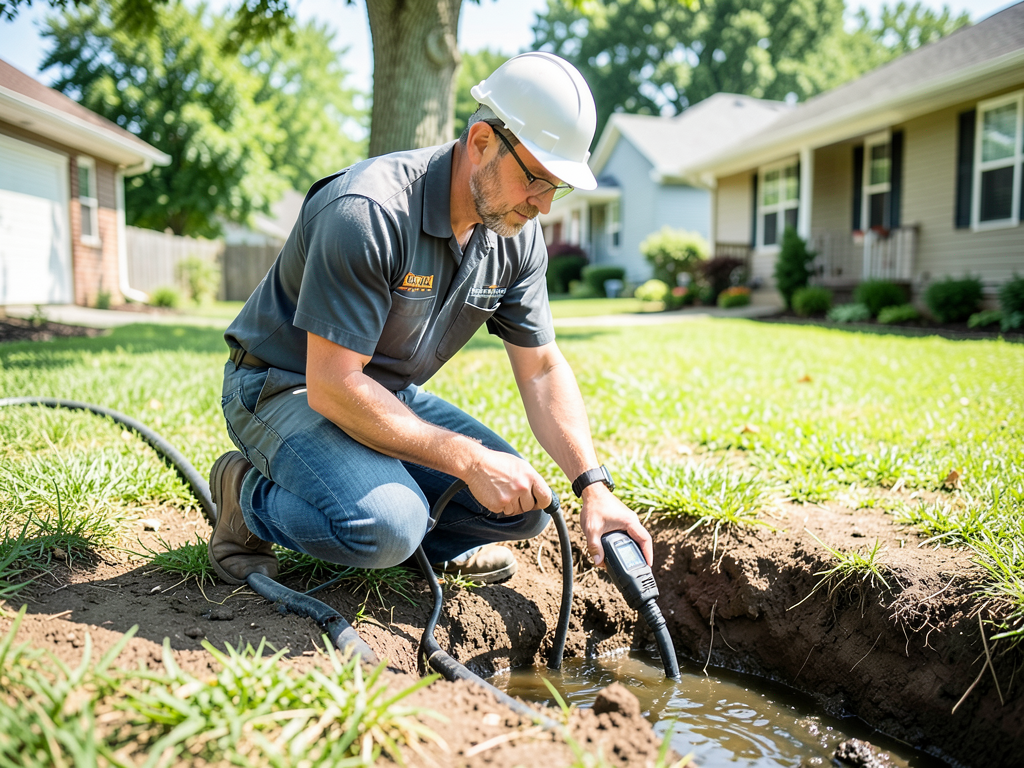
Extreme summer heat in Raleigh creates conditions that can cause main water lines to fail suddenly. Clay soil beneath your property expands and contracts with temperature swings, putting stress on buried pipes. When combined with aging infrastructure and drought conditions, this can lead to catastrophic breaks that flood your yard and cut off your water supply.. Read more about Everything a Raleigh Homeowner Should Know Before Turning the Water Back On After a Vacation.
Main water line breaks during heatwaves follow predictable patterns in the Piedmont region. Understanding these patterns helps you spot trouble early and take action before expensive damage occurs. This guide covers the specific risks Raleigh homeowners face and provides clear steps to protect your property.. Read more about Why Your Cold Water is Coming Out Warm in Your Southeast Raleigh Home.
Why Raleigh’s Climate Makes Water Lines Vulnerable
Raleigh experiences intense summer heat that drives soil temperatures above 90 degrees Fahrenheit just inches below the surface. When clay soil heats up it expands. When it cools at night it contracts. This daily cycle creates movement that pipes cannot withstand forever. NC State University soil science research.
The North Carolina Piedmont sits on red clay soil with high shrink-swell potential. According to the USDA Natural Resources Conservation Service, this soil type can expand up to 15% when wet and shrink dramatically during dry periods. Pipes buried in this soil face constant pressure changes that weaken joints and cause cracks over time.
Summer heatwaves intensify these problems. Extended dry periods cause soil to pull away from pipes, removing support. When rain finally comes the soil expands rapidly, creating pressure that can burst weakened sections. This expansion and contraction cycle accelerates pipe failure especially in older systems.
Common Causes of Main Water Line Breaks in Raleigh
Several factors combine to make main water line breaks more likely during summer months in Raleigh. Understanding these causes helps you assess your property’s risk level.
Aged pipe materials fail first. Many Raleigh homes built before 2000 have galvanized steel or polybutylene pipes that corrode or become brittle over time. Galvanized pipes develop internal rust that reduces water flow and creates weak spots. Polybutylene becomes brittle and prone to cracking especially when exposed to chlorine in municipal water.
Tree root intrusion causes hidden damage. Oak and pine trees common in Raleigh send roots searching for water during droughts. These roots can wrap around pipes and exert pressure that causes breaks. They also enter small cracks and expand them as they grow.
Water pressure fluctuations stress pipe joints. During heatwaves water usage increases dramatically as people water lawns and fill pools. This surge in demand creates pressure waves that travel through pipes. If your pressure reducing valve is old or malfunctioning these waves can exceed safe levels and cause joints to fail.
Soil movement from drought and rain cycles creates the most common failure pattern. When soil dries it shrinks away from pipes. When heavy rain returns the soil expands rapidly. This movement can cause pipes to bend, crack, or separate at joints especially if they were installed without proper expansion joints. EPA WaterSense landscaping guidelines.
Warning Signs Your Water Line May Be Failing
Spotting problems early can prevent a complete break. Watch for these warning signs that indicate your main water line needs attention. Signs You Need Sewer Repair.
Unexplained wet spots in your yard often indicate a leaking pipe. During heatwaves these spots may appear greener than surrounding grass or feel soft when walked on. The water leaking from a crack stays cooler than the surrounding soil creating visible differences in plant growth.
Sudden drops in water pressure throughout your home suggest a leak in the main line. If pressure drops when no other fixtures are running and does not return to normal this indicates water escaping before it reaches your home.
High water bills with no change in usage patterns often reveal hidden leaks. A small crack can waste thousands of gallons before causing visible surface damage. Compare your current bills to the same period last year to spot unusual increases.
Discolored water coming from your taps may indicate pipe corrosion or sediment entering through cracks. Rusty or muddy water that clears after running for a few minutes suggests problems in your main line rather than your water heater.
Unusual sounds in your plumbing system can signal trouble. Hissing sounds near pipes or water meter when no fixtures are running often indicate leaks. Gurgling or whistling sounds suggest air entering through cracks in the system.
Emergency Steps When You Suspect a Break
If you notice signs of a possible water line break take these steps immediately to minimize damage and protect your property.
- Locate Your Main Shut-off Valve
Find the valve where the main water line enters your home. This is usually near the water meter in a basement or crawl space. Turn the valve clockwise to shut off water flow. This stops flooding and prevents further damage.
- Check the Water Meter
Look at your water meter with all water fixtures off. If the meter continues to move this confirms a leak in the system. Note the reading and check again in 30 minutes to measure the leak rate.
- Call Raleigh Water Emergency Services
Contact the City of Raleigh Public Utilities Department at (919) 996-3245 to report the break. They can determine if the problem is in the city main line or your private line. This affects who pays for repairs. Safe Gas Line Installation and Repairs for Residents in Rolesville.
- Document the Damage
Take photos of wet areas, water meter readings, and any visible damage. This documentation helps with insurance claims and contractor assessments. Note when you first noticed problems and what changes occurred.
- Avoid Using Water
Do not run any water until the break is repaired. This includes flushing toilets, running faucets, or using appliances. Using water during a break can cause pressure changes that make the break worse. Toilet Repair & Installation.
- Call a Licensed Plumber
Contact a licensed North Carolina plumber to assess the damage and provide repair options. Main line repairs require permits and must meet NC Plumbing Code requirements. Choose a contractor experienced with trenchless repair methods to minimize yard damage. Who to Call for 24-7 Plumber Services in Wake Forest.
Understanding Repair Options and Costs
Main water line repairs range from simple patches to complete replacements. The right solution depends on the damage extent, pipe material, and property layout.
Trenchless pipe repair offers the least disruptive option for many Raleigh properties. This method uses a bursting head to pull a new pipe through the old one or inserts a liner that creates a new pipe within the damaged one. Trenchless repairs typically cost $2,000 to $4,000 for residential lines and preserve landscaping.
Traditional excavation involves digging a trench to access and replace damaged pipe sections. This method works best for severely damaged lines or when pipe material needs complete replacement. Costs range from $3,000 to $7,000 depending on trench length and depth. This method causes more yard damage but may be necessary for older systems.
Spot repairs fix specific damaged sections rather than replacing entire lines. This works for isolated breaks in otherwise good pipe. Costs average $500 to $1,500 per repair but may not address underlying problems that caused the break.
Complete line replacement becomes necessary when pipes are near end of life or multiple breaks occur. This involves removing old pipe and installing new PVC or copper line. Costs range from $2,000 to $10,000 depending on line length and obstacles like trees or structures.
Permitting requirements in Raleigh add time to repairs. The City of Raleigh requires permits for all main line work and inspections to ensure compliance with NC Plumbing Code Section 30. Work without permits can result in fines and may void homeowner insurance coverage.
Preventing Future Breaks During Heatwaves
Taking preventive measures reduces your risk of future water line breaks and extends the life of your plumbing system.
Install a pressure reducing valve if your home does not have one. High water pressure stresses pipes and joints. A properly sized PRV keeps pressure between 40 and 60 psi even during demand surges. Have it tested annually and replace if over 10 years old.
Schedule annual plumbing inspections to catch problems early. A professional plumber can test water pressure, inspect visible pipes for corrosion, and check your main shut-off valve operation. Early detection of small problems prevents expensive emergency repairs. Professional Drain Cleaning Services in Cary to Stop Stubborn Backups.
Maintain proper soil moisture around your foundation. Extreme dry soil pulls away from pipes creating movement. During droughts water your foundation area deeply once a week to keep soil stable. Avoid overwatering which can cause expansion problems.
Remove trees planted too close to water lines. Tree roots searching for water during droughts are a leading cause of breaks. Keep trees at least 10 feet from water lines and choose species with less aggressive root systems.
Consider upgrading old pipe materials before they fail. If your home has galvanized steel or polybutylene pipes over 20 years old replacement may be more cost effective than repeated repairs. Modern PVC and PEX pipes resist corrosion and handle soil movement better.
Install water leak detection systems that monitor your main line. These systems alert you to unusual water usage patterns that may indicate developing leaks. Some can automatically shut off water when leaks are detected preventing major damage.
Understanding Your Responsibilities and Rights
Knowing who is responsible for repairs helps you respond quickly when problems occur. In Raleigh the responsibility line typically falls at your property line.
The City of Raleigh maintains water mains in public right of way. If the break occurs in the street or at the meter the city handles repairs at no cost to you. However most breaks occur on private property between the meter and your home.
Homeowners are responsible for the service line from the meter to their home. This includes all pipes buried in your yard and under your driveway. Repairs to this section are your financial responsibility and require permits from Wake County.
Insurance coverage varies by policy. Many homeowner policies cover sudden water damage but not the cost of repairing the broken pipe itself. Review your policy to understand what is covered and consider adding water line protection if available.
Contractor selection matters for quality repairs. Choose licensed plumbers familiar with Raleigh soil conditions and building codes. Ask about experience with trenchless methods and request references from local customers. Avoid contractors who cannot provide proof of insurance and licensing.
Permits and inspections protect you from substandard work. All main line repairs require permits from Wake County Inspections. The work must pass inspection before final payment. This ensures repairs meet current code requirements and will last.
Comparing Repair Methods and Materials
Different repair situations call for different approaches. Understanding your options helps you make informed decisions when facing emergency repairs.
| Repair Method | Best For | Cost Range | Time to Complete |
|---|---|---|---|
| Trenchless Pipe Bursting | Single breaks in good surrounding pipe | $2,000 – $4,000 | 1-2 days |
| Trenchless Pipe Lining | Multiple small cracks or corrosion | $2,500 – $5,000 | 1-3 days |
| Traditional Excavation | Severe damage or old pipe replacement | $3,000 – $7,000 | 2-5 days |
| Spot Repair | Isolated breaks in good pipe | $500 – $1,500 | 4-8 hours |
| Complete Replacement | Old systems or multiple breaks | $2,000 – $10,000 | 3-7 days |
Pipe material selection affects long term performance. Modern PVC offers excellent corrosion resistance and handles soil movement well. PEX provides flexibility that accommodates soil shifting but may not be allowed in all jurisdictions. Copper resists root intrusion but costs more and can develop pinhole leaks in acidic soil.
Expansion joints prevent many breaks by allowing pipes to move without damage. These joints should be installed at changes in direction and at intervals along straight runs. They accommodate the expansion and contraction that occurs with temperature changes.
Proper bedding and backfill materials reduce stress on pipes. Sand or gravel bedding allows pipes to move slightly without damage. Compacted native clay can create pressure points that cause breaks. Quality installation prevents many problems that appear years later.
Frequently Asked Questions
How can I tell if my water line break is my responsibility or the city’s?
The break is usually your responsibility if it occurs between your water meter and your home. The city maintains the main line in the street and the meter itself. If you are unsure call Raleigh Water at (919) 996-3245 for assistance determining responsibility.
How long can I go without water if my main line breaks?
Most emergency repairs can restore water within 24 to 48 hours. However complex replacements may take several days. Having an emergency water supply of at least one gallon per person per day helps during repairs.
Will my homeowner’s insurance cover water line repairs?
Most policies cover damage caused by the break but not the cost of repairing the pipe itself. Some companies offer optional water line protection that covers repair costs. Check your policy details or ask your agent about coverage options.
Can I repair a water line break myself?
Main water line repairs require permits and must meet NC Plumbing Code standards. DIY repairs often violate codes and can cause more damage. Professional plumbers have the tools, experience, and licensing to ensure repairs last and pass inspection.
How much does it cost to replace a main water line in Raleigh?
Costs vary based on line length, depth, and obstacles. Simple replacements average $2,000 to $4,000. Complex jobs with deep trenches or obstacles can cost $8,000 or more. Trenchless methods often cost less than traditional excavation.
What causes water lines to break during heatwaves specifically?
Heatwaves cause soil to dry and shrink away from pipes. When rain returns the soil expands rapidly creating pressure that can burst weakened pipes. Daily temperature swings cause expansion and contraction that stress joints and connections over time.
How can I prevent my water line from breaking in the future?
Install a pressure reducing valve, schedule annual inspections, maintain proper soil moisture, remove trees near lines, and consider upgrading old pipe materials. These steps reduce stress on your system and catch problems early.
What should I do if I see water bubbling up in my yard?
Shut off your main water valve immediately to prevent flooding. Check your water meter to confirm a leak. Call Raleigh Water to determine if it is a city main break. Then contact a licensed plumber for repairs on your private line.
Are trenchless repairs as good as traditional excavation?
Trenchless repairs meet the same code requirements as traditional methods. They often last longer because they use modern materials and avoid joints that can fail. The main advantage is less damage to your yard and faster completion times.
How often should I have my main water line inspected?
Have your system inspected annually if your home is over 15 years old or if you have experienced problems. Newer homes may only need inspection every 3 to 5 years unless you notice warning signs like pressure drops or high bills.
Take Action Before the Next Heatwave Hits
Main water line breaks during heatwaves can cause thousands of dollars in damage and leave your family without water for days. The combination of Raleigh’s clay soil, summer heat, and aging infrastructure creates conditions where breaks are not a matter of if but when.
Don’t wait for an emergency to discover your system’s weaknesses. A simple inspection can identify problems before they cause catastrophic failure. Professional plumbers can test your pressure, inspect visible pipes, and recommend preventive measures that save money and prevent damage.
Call (984) 294-6422 today to schedule your main line inspection. Our experienced technicians understand Raleigh’s unique soil and climate challenges. We provide clear recommendations and upfront pricing with no high-pressure sales tactics.
Pick up the phone and call (984) 294-6422 before the next heatwave hits. A small investment now can prevent a major emergency later and give you peace of mind during Raleigh’s hottest months.
Protect your property and your family’s water supply. Call (984) 294-6422 today to schedule your inspection and learn how to prevent costly water line breaks this summer.
{
“@context”: “https://schema.org”,
“@type”: “BlogPosting”,
“headline”: “How to Protect Your Raleigh Property from a Main Water Line Break During a Heatwave”,
“description”: “Protect your Raleigh home from main water line breaks this summer. Learn local soil risks, warning signs, and emergency steps from NC plumbing experts.”,
“wordCount”: 2685,
“datePublished”: “2026-03-28T07:19:00.000Z”,
“dateModified”: “2026-03-28T07:19:00.000Z”,
“inLanguage”: “en-US”,
“mainEntityOfPage”: {
“@type”: “WebPage”,
“@id”: “https://ironwoodplumbingraleigh.com”
},
“publisher”: {
“@type”: “LocalBusiness”,
“name”: “Ironwood Plumbing Raleigh”,
“url”: “https://ironwoodplumbingraleigh.com”
},
“author”: {
“@type”: “Organization”,
“name”: “Ironwood Plumbing Raleigh”,
“url”: “https://ironwoodplumbingraleigh.com”
},
“image”: {
“@type”: “ImageObject”,
“url”: “https://ironwoodplumbingraleigh.com/wp-content/uploads/2026/03/how-to-protect-your-raleigh-property-from-a-main-w-1.png”
}
}
{
“@context”: “https://schema.org”,
“@type”: “Plumber”,
“name”: “Ironwood Plumbing Raleigh”,
“url”: “https://ironwoodplumbingraleigh.com”,
“address”: {
“@type”: “PostalAddress”,
“addressLocality”: “Raleigh”
},
“areaServed”: {
“@type”: “City”,
“name”: “Raleigh”
}
}
{
“@context”: “https://schema.org”,
“@type”: “FAQPage”,
“mainEntity”: [
{
“@type”: “Question”,
“name”: “How can I tell if my water line break is my responsibility or the city’s?”,
“acceptedAnswer”: {
“@type”: “Answer”,
“text”: “The break is usually your responsibility if it occurs between your water meter and your home. The city maintains the main line in the street and the meter itself. If you are unsure call Raleigh Water at (919) 996-3245 for assistance determining responsibility.”
}
},
{
“@type”: “Question”,
“name”: “How long can I go without water if my main line breaks?”,
“acceptedAnswer”: {
“@type”: “Answer”,
“text”: “Most emergency repairs can restore water within 24 to 48 hours. However complex replacements may take several days. Having an emergency water supply of at least one gallon per person per day helps during repairs.”
}
},
{
“@type”: “Question”,
“name”: “Will my homeowner’s insurance cover water line repairs?”,
“acceptedAnswer”: {
“@type”: “Answer”,
“text”: “Most policies cover damage caused by the break but not the cost of repairing the pipe itself. Some companies offer optional water line protection that covers repair costs. Check your policy details or ask your agent about coverage options.”
}
},
{
“@type”: “Question”,
“name”: “Can I repair a water line break myself?”,
“acceptedAnswer”: {
“@type”: “Answer”,
“text”: “Main water line repairs require permits and must meet NC Plumbing Code standards. DIY repairs often violate codes and can cause more damage. Professional plumbers have the tools, experience, and licensing to ensure repairs last and pass inspection.”
}
},
{
“@type”: “Question”,
“name”: “How much does it cost to replace a main water line in Raleigh?”,
“acceptedAnswer”: {
“@type”: “Answer”,
“text”: “Costs vary based on line length, depth, and obstacles. Simple replacements average $2,000 to $4,000. Complex jobs with deep trenches or obstacles can cost $8,000 or more. Trenchless methods often cost less than traditional excavation.”
}
},
{
“@type”: “Question”,
“name”: “What causes water lines to break during heatwaves specifically?”,
“acceptedAnswer”: {
“@type”: “Answer”,
“text”: “Heatwaves cause soil to dry and shrink away from pipes. When rain returns the soil expands rapidly creating pressure that can burst weakened pipes. Daily temperature swings cause expansion and contraction that stress joints and connections over time.”
}
},
{
“@type”: “Question”,
“name”: “How can I prevent my water line from breaking in the future?”,
“acceptedAnswer”: {
“@type”: “Answer”,
“text”: “Install a pressure reducing valve, schedule annual inspections, maintain proper soil moisture, remove trees near lines, and consider upgrading old pipe materials. These steps reduce stress on your system and catch problems early.”
}
},
{
“@type”: “Question”,
“name”: “What should I do if I see water bubbling up in my yard?”,
“acceptedAnswer”: {
“@type”: “Answer”,
“text”: “Shut off your main water valve immediately to prevent flooding. Check your water meter to confirm a leak. Call Raleigh Water to determine if it is a city main break. Then contact a licensed plumber for repairs on your private line.”
}
},
{
“@type”: “Question”,
“name”: “Are trenchless repairs as good as traditional excavation?”,
“acceptedAnswer”: {
“@type”: “Answer”,
“text”: “Trenchless repairs meet the same code requirements as traditional methods. They often last longer because they use modern materials and avoid joints that can fail. The main advantage is less damage to your yard and faster completion times.”
}
},
{
“@type”: “Question”,
“name”: “How often should I have my main water line inspected?”,
“acceptedAnswer”: {
“@type”: “Answer”,
“text”: “Have your system inspected annually if your home is over 15 years old or if you have experienced problems. Newer homes may only need inspection every 3 to 5 years unless you notice warning signs like pressure drops or high bills.”
}
}
]
}
{
“@context”: “https://schema.org”,
“@type”: “HowTo”,
“name”: “Emergency Water Line Break Response”,
“step”: [
{
“@type”: “HowToStep”,
“position”: 1,
“name”: “Locate Your Main Shut-off Valve”,
“text”: “Find the valve where the main water line enters your home. This is usually near the water meter in a basement or crawl space. Turn the valve clockwise to shut off water flow. This stops flooding and prevents further damage.”
},
{
“@type”: “HowToStep”,
“position”: 2,
“name”: “Check the Water Meter”,
“text”: “Look at your water meter with all water fixtures off. If the meter continues to move this confirms a leak in the system. Note the reading and check again in 30 minutes to measure the leak rate.”
},
{
“@type”: “HowToStep”,
“position”: 3,
“name”: “Call Raleigh Water Emergency Services”,
“text”: “Contact the City of Raleigh Public Utilities Department at (919) 996-3245 to report the break. They can determine if the problem is in the city main line or your private line. This affects who pays for repairs. Safe Gas Line Installation and Repairs for Residents in Rolesville.”
},
{
“@type”: “HowToStep”,
“position”: 4,
“name”: “Document the Damage”,
“text”: “Take photos of wet areas, water meter readings, and any visible damage. This documentation helps with insurance claims and contractor assessments. Note when you first noticed problems and what changes occurred.”
},
{
“@type”: “HowToStep”,
“position”: 5,
“name”: “Avoid Using Water”,
“text”: “Do not run any water until the break is repaired. This includes flushing toilets, running faucets, or using appliances. Using water during a break can cause pressure changes that make the break worse. Toilet Repair & Installation.”
},
{
“@type”: “HowToStep”,
“position”: 6,
“name”: “Call a Licensed Plumber”,
“text”: “Contact a licensed North Carolina plumber to assess the damage and provide repair options. Main line repairs require permits and must meet NC Plumbing Code requirements. Choose a contractor experienced with trenchless repair methods to minimize yard damage. Who to Call for 24-7 Plumber Services in Wake Forest.”
}
],
“image”: “https://ironwoodplumbingraleigh.com/wp-content/uploads/2026/03/how-to-protect-your-raleigh-property-from-a-main-w-1.png”
}
{
“@context”: “https://schema.org”,
“@type”: “BreadcrumbList”,
“itemListElement”: [
{
“@type”: “ListItem”,
“position”: 1,
“name”: “Home”,
“item”: “https://ironwoodplumbingraleigh.com”
},
{
“@type”: “ListItem”,
“position”: 2,
“name”: “Blog”,
“item”: “https://ironwoodplumbingraleigh.com/blog”
},
{
“@type”: “ListItem”,
“position”: 3,
“name”: “How to Protect Your Raleigh Property from a Main Water Line Break During a Heatwave”
}
]
}
{
“@context”: “https://schema.org”,
“@type”: “Service”,
“serviceType”: “Plumbing”,
“provider”: {
“@type”: “LocalBusiness”,
“name”: “Ironwood Plumbing Raleigh”,
“url”: “https://ironwoodplumbingraleigh.com”
},
“areaServed”: {
“@type”: “City”,
“name”: “Raleigh”
},
“description”: “Protect your Raleigh home from main water line breaks this summer. Learn local soil risks, warning signs, and emergency steps from NC plumbing experts.”
}