How to Spot a Leaking Pressure Reducing Valve (And Why it Matters for Your Flowers Plantation Home)
Water hammering through your pipes at 100+ PSI can destroy dishwashers, burst washing machine hoses, and flood your Flowers Plantation home before you even know there’s a problem. That’s why your pressure reducing valve (PRV) matters more than you think.
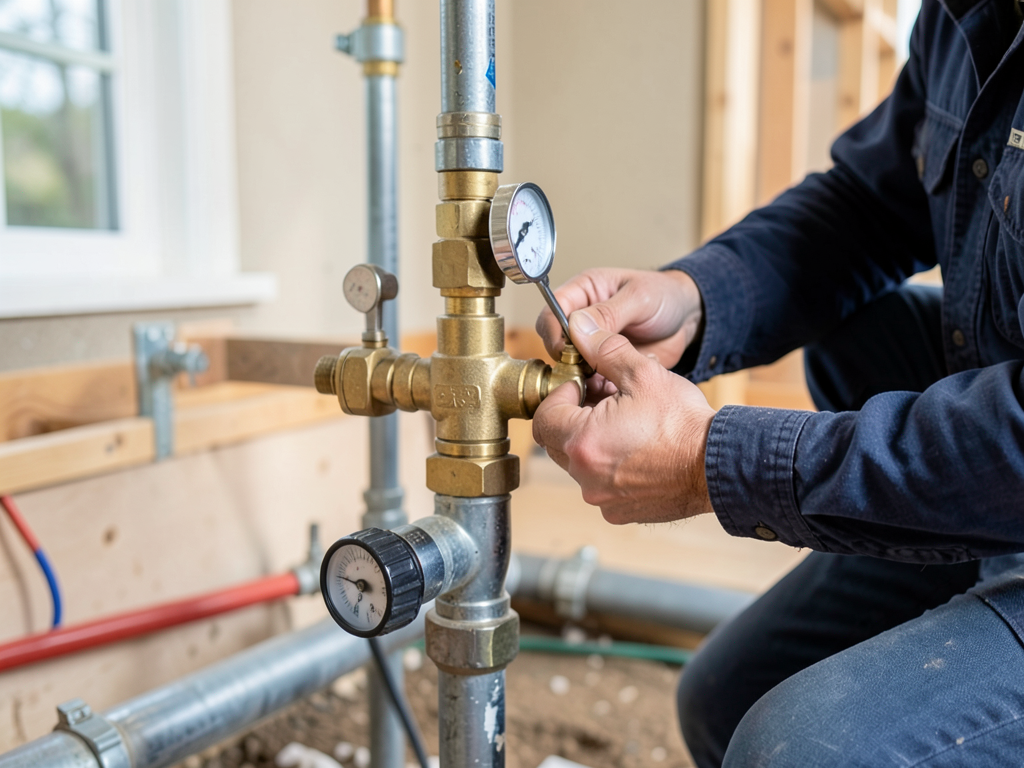
A properly functioning PRV protects your plumbing by maintaining safe water pressure between 40-60 PSI. In Raleigh’s municipal system, street pressure often exceeds 100 PSI in neighborhoods like Flowers Plantation, making this small brass valve your first line of defense against catastrophic water damage.
5 Critical Signs Your Pressure Reducing Valve Is Failing
Before your pipes burst, your PRV will show these warning signs. Here’s what to look for: Signs You Need Sewer Repair.
1. Water Hammer Sounds in Your Walls
When you turn off a faucet and hear a loud bang or series of bangs in your walls, that’s water hammer. It happens when high-pressure water suddenly stops and creates shock waves through your pipes. A healthy PRV absorbs this shock. A failing one lets it rip through your plumbing.
Diagnostic tip: If the banging occurs consistently when you shut off any faucet, not just one specific fixture, your PRV is likely the culprit.
2. Inconsistent Water Pressure Throughout Your Home
Your shower pressure fluctuates wildly. Sometimes it’s a trickle, other times it blasts like a fire hose. This inconsistency means your PRV can’t maintain steady pressure anymore.
Test this yourself: Run water in your kitchen while someone showers. If pressure drops dramatically, your PRV isn’t regulating properly.
3. Visible Leaks Around the PRV Body
Check where your PRV connects to your main water line. Look for water stains, mineral deposits, or actual dripping. PRVs have a built-in bypass mechanism that releases water when they fail.
What it looks like: White crusty deposits around the valve body, rust stains on the floor below, or actual water pooling even when no fixtures are running.
4. Appliances Breaking Down Prematurely
Your dishwasher sounds louder than normal. Your washing machine hoses feel rock-hard. These are signs of high pressure damaging internal components.
Real damage pattern: High pressure forces water past seals and gaskets faster than they’re designed to handle, leading to leaks inside appliances.
5. Running Toilets and Dripping Faucets
Toilets that run constantly, even after replacing flappers. Faucets that drip when they should be off. High pressure pushes water past seals that work fine at normal pressure. Toilet Repair & Installation.
Quick check: If you’re replacing toilet flappers every few months, your PRV might be the real problem.
The Hidden Dangers of Ignoring a Failing PRV
Most homeowners don’t realize how much damage high water pressure causes until it’s too late. Here’s what’s happening behind your walls:
Appliance lifespan reduction: Dishwashers and washing machines typically last 10-12 years. With high pressure, they fail in 5-7 years. The extra stress on pumps, seals, and hoses accelerates wear dramatically.
Water heater damage: Your water heater has a temperature and pressure relief valve (T&P valve) that releases excess pressure. When your PRV fails, this valve works overtime, potentially leading to premature failure or even dangerous pressure buildup.
Pipe failure risk: Pipes rated for 80 PSI can handle brief pressure spikes, but constant 100+ PSI pressure weakens joints and connections over time. The first sign is often a small leak behind a wall that becomes a major flood.
Foundation damage: In Flowers Plantation’s clay-heavy soil, water from a burst pipe can cause soil expansion and foundation shifting. What starts as a plumbing issue becomes a structural problem.
How to Test Your Water Pressure in Flowers Plantation
You don’t need to be a plumber to check your water pressure. Here’s how to do it yourself: Who to Call for 24-7 Plumber Services in Wake Forest.
- Buy a Pressure Gauge
Visit McCoy’s Building Supply on Buffaloe Road or Lowe’s on New Bern Avenue. Look for a pressure gauge that screws onto a standard hose bib. Cost: $10-15.
- Locate Your Outdoor Spigot
Choose a spigot closest to where your water line enters the house. This gives the most accurate reading of your main line pressure.
- Prepare for Testing
Turn off all water-using appliances and fixtures inside your home. This includes ice makers, washing machines, and irrigation systems.. Read more about How to Repair a Leaking Irrigation Manifold in Your Shepherd’s Vineyard Yard.
- Attach and Read the Gauge
Screw the gauge onto the spigot and turn the water on full force. Read the PSI directly from the gauge dial.
- Interpret Results
Ideal range: 40-60 PSI. Concerning range: 60-80 PSI. Dangerous range: 80+ PSI.
Raleigh-specific context: Flowers Plantation residents often see readings between 85-120 PSI because of elevation changes and the area’s distance from pressure-reducing stations. If your reading exceeds 80 PSI, your PRV needs immediate attention.
PRV Replacement: DIY vs. Professional Installation
Replacing a PRV isn’t like changing a faucet. Here’s what makes it complicated:
Water shut-off complexity: Your main shut-off valve might be buried, corroded, or difficult to operate. Forcing a stuck valve can break the stem, leaving you without water until a plumber arrives.
Pressure adjustment precision: Setting the correct pressure requires experience. Too low and you get poor performance. Too high and you’re back to square one.
Code compliance: North Carolina Plumbing Code requires PRVs to be accessible for maintenance and testing. Improper installation can violate local codes and cause inspection failures.
Thermal expansion considerations: When you reduce water pressure, you need a thermal expansion tank on your water heater. Without it, pressure can build up dangerously when water heats and expands.
Cost-Benefit Analysis: Replacement vs. Risk
Let’s talk numbers without specific pricing. A PRV replacement typically costs less than repairing water damage from a burst pipe or replacing multiple appliances. EPA WaterSense.
Risk calculation: A burst washing machine hose can release 500 gallons per hour. In a 2-hour window while you’re at work, that’s 1,000 gallons flooding your home.
Appliance savings: Extending appliance life by 3-5 years pays for the PRV replacement multiple times over.
Insurance considerations: Some insurance companies offer premium discounts for homes with properly maintained pressure-reducing systems. Others may deny claims if they find neglected PRV issues.
Flowers Plantation-Specific Plumbing Considerations
Your neighborhood has unique characteristics that affect PRV performance:
Elevation impact: Flowers Plantation sits at a higher elevation than downtown Raleigh. Water must be pumped uphill, creating pressure variations throughout the day as demand fluctuates.
Soil composition: The area’s clay soil expands when wet. A small leak from high pressure can cause soil movement that affects your home’s foundation over time.
Seasonal pressure changes: Summer irrigation season increases demand on Raleigh’s water system. PRVs work harder during these months, potentially failing when you need them most.
Local water quality: Wake County’s water contains minerals that can accelerate corrosion inside PRV bodies. Homes over 10 years old often need PRV replacement even if pressure seems normal.
Professional PRV Inspection and Replacement Process
When you call a licensed plumber for PRV service, here’s what happens:
Initial assessment: The plumber tests your water pressure at multiple points in your home, not just at the main line. This reveals if pressure issues are isolated or systemic.
Valve inspection: They examine your existing PRV for visible damage, corrosion, and manufacturing date. Most PRVs last 7-12 years in North Carolina’s water conditions.
System evaluation: They check your water heater’s T&P valve and expansion tank status. If you have a tankless water heater, they verify it can handle your current pressure.
Replacement procedure: The old PRV is removed, the new one is installed with proper fittings, and pressure is adjusted to 55-60 PSI for optimal performance.
Post-installation testing: They verify pressure at multiple fixtures, check for leaks, and ensure all appliances function properly with the new pressure setting.
Frequently Asked Questions
How long does a PRV typically last in Raleigh?
Most pressure reducing valves last 7-12 years in North Carolina. The combination of high municipal pressure, mineral content in our water, and temperature fluctuations causes internal components to degrade faster than in other regions. North Carolina Department of Insurance.
Can I adjust my PRV myself?
You can try, but it’s risky. The adjustment screw is often stuck from corrosion. Forcing it can break the adjustment mechanism. Even if you succeed, setting it too low causes poor performance, while setting it too high defeats the purpose entirely.
What happens if my PRV completely fails while I’m on vacation?
Without a functioning PRV, your home experiences full street pressure (often 100+ PSI). This can cause washing machine hoses to burst, dishwasher supply lines to fail, and water heaters to leak. The damage compounds hourly until someone shuts off the main water supply.
Is a thermal expansion tank really necessary?
Yes, if you have a closed plumbing system (most modern homes do). When water heats in your water heater, it expands. Without an expansion tank, this pressure has nowhere to go and can cause your T&P valve to drip constantly or worse, damage your water heater.
Take Action Before Water Damage Strikes
High water pressure is a silent destroyer. It doesn’t make noise until something bursts. By then, you’re dealing with thousands in water damage, not just a simple valve replacement.
Warning signs mean action is needed: If you’re experiencing any of the symptoms described above, don’t wait for a flood. A simple pressure test takes 15 minutes and could save you from a major disaster.
Flowers Plantation homes deserve protection from Raleigh’s high municipal pressure. Your appliances, your plumbing, and your peace of mind depend on a properly functioning PRV.
Call (984) 294-6422 today to schedule your PRV inspection. We’ll test your pressure, inspect your existing valve, and recommend the right solution for your home. Don’t wait until water damage proves you needed this service yesterday.
Remember: A $300 valve replacement beats a $10,000 water damage restoration every time. Pick up the phone and call (984) 294-6422 before the next pressure spike hits your home.
You may also find this helpful. Protecting Your Five Points Bungalow from Flooded Laundry Rooms with Auto-Shutoff Valves.
{
“@context”: “https://schema.org”,
“@type”: “BlogPosting”,
“headline”: “How to Spot a Leaking Pressure Reducing Valve (And Why it Matters for Your Flowers Plantation Home)”,
“description”: “High water pressure in Raleigh can damage your home. Learn how to spot a failing pressure reducing valve with this diagnostic guide for Flowers Plantation homeowners.”,
“wordCount”: 1652,
“datePublished”: “2026-04-11T07:12:00.000Z”,
“dateModified”: “2026-04-11T07:12:00.000Z”,
“inLanguage”: “en-US”,
“mainEntityOfPage”: {
“@type”: “WebPage”,
“@id”: “https://ironwoodplumbingraleigh.com”
},
“publisher”: {
“@type”: “LocalBusiness”,
“name”: “Ironwood Plumbing Raleigh”,
“url”: “https://ironwoodplumbingraleigh.com”
},
“author”: {
“@type”: “Organization”,
“name”: “Ironwood Plumbing Raleigh”,
“url”: “https://ironwoodplumbingraleigh.com”
},
“image”: {
“@type”: “ImageObject”,
“url”: “https://ironwoodplumbingraleigh.com/wp-content/uploads/2026/03/how-to-spot-a-leaking-pressure-reducing-valve-and-1.png”
}
}
{
“@context”: “https://schema.org”,
“@type”: “Plumber”,
“name”: “Ironwood Plumbing Raleigh”,
“url”: “https://ironwoodplumbingraleigh.com”,
“address”: {
“@type”: “PostalAddress”,
“addressLocality”: “Raleigh”
},
“areaServed”: {
“@type”: “City”,
“name”: “Raleigh”
}
}
{
“@context”: “https://schema.org”,
“@type”: “FAQPage”,
“mainEntity”: [
{
“@type”: “Question”,
“name”: “How long does a PRV typically last in Raleigh?”,
“acceptedAnswer”: {
“@type”: “Answer”,
“text”: “Most pressure reducing valves last 7-12 years in North Carolina. The combination of high municipal pressure, mineral content in our water, and temperature fluctuations causes internal components to degrade faster than in other regions. North Carolina Department of Insurance.”
}
},
{
“@type”: “Question”,
“name”: “Can I adjust my PRV myself?”,
“acceptedAnswer”: {
“@type”: “Answer”,
“text”: “You can try, but it’s risky. The adjustment screw is often stuck from corrosion. Forcing it can break the adjustment mechanism. Even if you succeed, setting it too low causes poor performance, while setting it too high defeats the purpose entirely.”
}
},
{
“@type”: “Question”,
“name”: “What happens if my PRV completely fails while I’m on vacation?”,
“acceptedAnswer”: {
“@type”: “Answer”,
“text”: “Without a functioning PRV, your home experiences full street pressure (often 100+ PSI). This can cause washing machine hoses to burst, dishwasher supply lines to fail, and water heaters to leak. The damage compounds hourly until someone shuts off the main water supply.”
}
},
{
“@type”: “Question”,
“name”: “Is a thermal expansion tank really necessary?”,
“acceptedAnswer”: {
“@type”: “Answer”,
“text”: “Yes, if you have a closed plumbing system (most modern homes do). When water heats in your water heater, it expands. Without an expansion tank, this pressure has nowhere to go and can cause your T&P valve to drip constantly or worse, damage your water heater.”
}
}
]
}
{
“@context”: “https://schema.org”,
“@type”: “HowTo”,
“name”: “How to Test Water Pressure”,
“step”: [
{
“@type”: “HowToStep”,
“position”: 1,
“name”: “Buy a Pressure Gauge”,
“text”: “Visit McCoy’s Building Supply on Buffaloe Road or Lowe’s on New Bern Avenue. Look for a pressure gauge that screws onto a standard hose bib. Cost: $10-15.”
},
{
“@type”: “HowToStep”,
“position”: 2,
“name”: “Locate Your Outdoor Spigot”,
“text”: “Choose a spigot closest to where your water line enters the house. This gives the most accurate reading of your main line pressure.”
},
{
“@type”: “HowToStep”,
“position”: 3,
“name”: “Prepare for Testing”,
“text”: “Turn off all water-using appliances and fixtures inside your home. This includes ice makers, washing machines, and irrigation systems.”
},
{
“@type”: “HowToStep”,
“position”: 4,
“name”: “Attach and Read the Gauge”,
“text”: “Screw the gauge onto the spigot and turn the water on full force. Read the PSI directly from the gauge dial.”
},
{
“@type”: “HowToStep”,
“position”: 5,
“name”: “Interpret Results”,
“text”: “Ideal range: 40-60 PSI. Concerning range: 60-80 PSI. Dangerous range: 80+ PSI.”
}
],
“image”: “https://ironwoodplumbingraleigh.com/wp-content/uploads/2026/03/how-to-spot-a-leaking-pressure-reducing-valve-and-1.png”
}
{
“@context”: “https://schema.org”,
“@type”: “BreadcrumbList”,
“itemListElement”: [
{
“@type”: “ListItem”,
“position”: 1,
“name”: “Home”,
“item”: “https://ironwoodplumbingraleigh.com”
},
{
“@type”: “ListItem”,
“position”: 2,
“name”: “Blog”,
“item”: “https://ironwoodplumbingraleigh.com/blog”
},
{
“@type”: “ListItem”,
“position”: 3,
“name”: “How to Spot a Leaking Pressure Reducing Valve (And Why it Matters for Your Flowers Plantation Home)”
}
]
}
{
“@context”: “https://schema.org”,
“@type”: “Service”,
“serviceType”: “Plumbing”,
“provider”: {
“@type”: “LocalBusiness”,
“name”: “Ironwood Plumbing Raleigh”,
“url”: “https://ironwoodplumbingraleigh.com”
},
“areaServed”: {
“@type”: “City”,
“name”: “Raleigh”
},
“description”: “High water pressure in Raleigh can damage your home. Learn how to spot a failing pressure reducing valve with this diagnostic guide for Flowers Plantation homeowners.”
}