Planning the Plumbing for Your New Outdoor Kitchen in Brier Creek
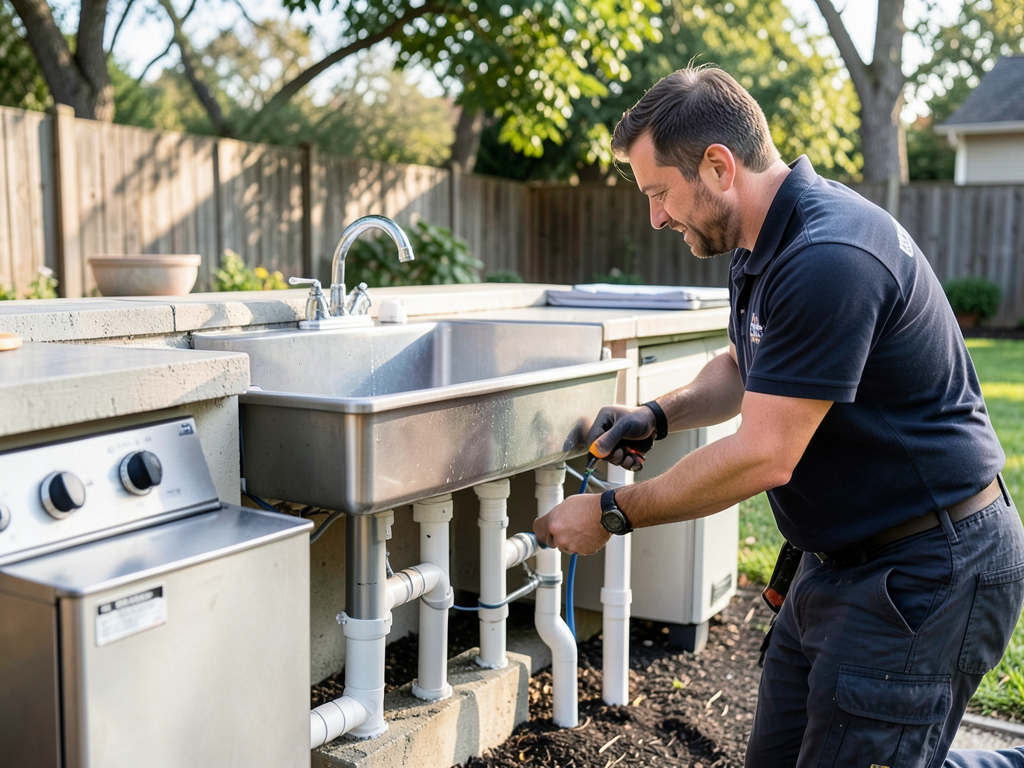
Building an outdoor kitchen in Brier Creek requires more than just picking out a grill and countertops. The plumbing infrastructure forms the backbone of your outdoor cooking space, and getting it right from the start prevents costly repairs and ensures years of trouble-free use. Raleigh’s climate, soil conditions, and building codes all play crucial roles in determining the best approach for your project. EPA WaterSense Outdoor Guidelines.
The first step in planning involves understanding what appliances you’ll install. Outdoor kitchens typically include sinks, ice makers, refrigerators, and sometimes dishwashers. Each of these requires specific plumbing connections, and some need both hot and cold water lines while others only need cold. Gas lines for grills and fire pits add another layer of complexity that must be handled by licensed professionals. Professional Drain Cleaning Services in Cary to Stop Stubborn Backups.
Brier Creek’s soil composition presents unique challenges. The area’s clay-heavy soil expands and contracts with moisture changes, which can stress underground pipes over time. This means choosing the right materials and installation depth becomes critical for long-term durability. Finding Underground Leaks in Five Points Without Digging Up Your Entire Yard.
Understanding Local Building Requirements
Raleigh and Wake County have specific requirements for outdoor plumbing installations. The North Carolina Plumbing Code requires permits for any new water line installations, gas line work, and drainage modifications. These permits ensure your installation meets safety standards and won’t cause problems for neighboring properties. North Carolina Plumbing Code.
Local inspectors pay particular attention to backflow prevention devices when outdoor kitchens connect to the main water supply. These devices prevent contaminated water from flowing back into your home’s clean water system. The code typically requires these for any outdoor fixture that could potentially be submerged or contaminated.. Read more about Why Backflow Testing is Required for Your Irrigation System in Zebulon.
Gas line installations face even stricter scrutiny. North Carolina requires pressure testing of all new gas lines before they can be covered or put into service. This testing ensures there are no leaks that could create dangerous situations. The testing must be performed by a licensed professional and witnessed by a building inspector. Safe Gas Line Installation and Repairs for Residents in Rolesville.
Water Supply Planning for Outdoor Fixtures
Planning your water supply lines requires careful consideration of both current needs and future expansion. Most outdoor kitchens need at least one cold water line for the sink, but many homeowners later wish they had installed hot water as well. Adding hot water lines during initial construction costs significantly less than retrofitting later.. Read more about What to Do When Your Outdoor Spigot Leaks Inside the Wall of Your Garner Home.
PEX piping has become the standard for outdoor water lines in Raleigh due to its flexibility and resistance to freezing. Unlike rigid copper pipes, PEX can expand slightly if water freezes, reducing the risk of burst pipes during rare cold snaps. The material also resists the mineral buildup common in Raleigh’s water supply.
Water pressure becomes a critical factor when extending supply lines to outdoor areas. Long runs of pipe can reduce pressure at the fixture, making it difficult to get adequate flow for sinks and appliances. Professional plumbers calculate these pressure drops during the planning phase to ensure your outdoor kitchen functions as intended. Who to Call for 24-7 Plumber Services in Wake Forest.
Gas Line Installation for Grills and Fire Features
Natural gas provides convenient fuel for outdoor cooking appliances, but installation requires precision and expertise. The gas line must be sized correctly based on the total BTU demand of all connected appliances. Undersized lines result in weak flames and poor performance, while oversized lines waste money and may not meet code requirements.
Gas lines in Brier Creek must be buried at specific depths to protect them from damage. North Carolina code requires a minimum of 18 inches of cover for residential gas lines, though some areas may require deeper burial depending on soil conditions and local regulations. The trench must be free of rocks and debris that could damage the pipe.
Proper trenching techniques prevent future problems. The bottom of the trench should be smooth and free of sharp objects. Sand bedding often provides additional protection for the gas line. Warning tape placed above buried gas lines alerts future excavators to the presence of utilities below.
Drainage Solutions for Outdoor Kitchens
Outdoor sink drainage presents several options, each with different requirements and costs. The simplest approach connects the sink drain to your home’s main sewer line, but this requires careful planning to maintain proper slope and prevent clogs. The drain pipe must maintain a minimum slope of 1/4 inch per foot to ensure proper flow. Signs You Need Sewer Repair.
Dry wells offer an alternative for properties where connecting to the main sewer line proves difficult or expensive. These underground chambers collect and slowly disperse sink water into the surrounding soil. However, local codes may restrict their use, especially in areas with high water tables or poor drainage conditions.
Backflow prevention becomes crucial for outdoor drainage systems. Without proper air gaps or backflow preventers, contaminated water could potentially flow back into your home’s plumbing system. This is particularly important in Brier Creek where the water table can rise significantly during heavy rains.
Winterization Strategies for North Carolina Climate
While Raleigh doesn’t experience severe winters, occasional hard freezes can damage outdoor plumbing if not properly protected. Planning for winterization during the initial installation saves headaches later. This includes installing shut-off valves inside your home that allow you to drain outdoor lines completely.
Self-draining fixtures automatically evacuate water when shut off, reducing freeze risk. These specialized valves and faucets include built-in mechanisms that open when pressure drops, allowing any remaining water to drain out. While more expensive initially, they eliminate the need to manually drain lines each winter.
Insulation plays a supporting role in freeze protection. Foam pipe insulation sleeves protect exposed pipes in unheated areas like outdoor cabinets. However, insulation alone cannot prevent freezing if water remains in the lines during extended cold periods. The key is complete drainage of all water-containing components.
Material Selection for Local Conditions
Choosing the right materials for Brier Creek’s conditions ensures longevity and reduces maintenance needs. Copper remains popular for its durability and resistance to UV damage, but it requires proper support and protection from soil contact. Direct burial copper must be rated for underground use and protected from electrolysis.
PVC and ABS drain pipes offer cost-effective solutions for outdoor drainage. These materials resist corrosion and handle temperature variations well. However, they require proper support and protection from sunlight, which can degrade the plastic over time. UV-resistant formulations extend the life of exposed pipes.
Stainless steel fixtures resist corrosion better than standard brass or chrome-plated options. The salt content in Raleigh’s water supply, combined with the area’s humidity, can accelerate corrosion on lesser-quality fixtures. Investing in marine-grade stainless steel pays dividends through reduced maintenance and replacement costs.
Permit Process and Inspection Requirements
Navigating the permit process requires understanding Wake County’s specific requirements. The permitting process typically takes 1-2 weeks for residential outdoor kitchen projects. You’ll need detailed plans showing pipe locations, fixture types, and connection points. Licensed plumbers must pull permits for gas and water line work.
Inspections occur at multiple stages. Rough-in inspections verify proper pipe installation before covering trenches or closing walls. Final inspections confirm all work meets code requirements. Gas line inspections include pressure testing to verify leak-free installation. Missing inspections can result in fines and required rework.
Documentation becomes important for future reference. Keep copies of permits, inspection reports, and as-built drawings showing final pipe locations. This information proves invaluable if you need repairs or additions later, and it satisfies potential buyers if you sell your home.
Cost Factors and Budget Planning
Several factors influence the total cost of outdoor kitchen plumbing. Distance from existing water and gas lines significantly impacts trenching and pipe material costs. Longer runs require more materials and labor, increasing the overall investment. Soil conditions also affect costs, as rocky or clay-heavy soil requires more excavation effort.
Fixture quality ranges from basic to premium, with corresponding price differences. Standard outdoor-rated fixtures cost less but may need replacement sooner. Premium fixtures with better corrosion resistance and warranties cost more initially but often prove more economical over time.
Professional installation costs vary based on project complexity. Simple sink installations cost less than comprehensive systems with multiple appliances and gas lines. The expertise required for proper gas line installation and pressure testing justifies the additional cost compared to DIY approaches.
Common Mistakes to Avoid
Several common errors can compromise your outdoor kitchen plumbing. Insufficient slope in drain lines causes slow drainage and frequent clogs. Using indoor-rated fixtures outdoors leads to premature failure from weather exposure. Neglecting backflow prevention creates contamination risks.
Improper pipe support causes long-term problems. Water lines need proper hangers and supports to prevent sagging and stress on connections. Drain pipes require adequate slope maintenance throughout their length. Gas lines need protection from movement and settling that could damage connections.
Ignoring local codes results in failed inspections and costly rework. Some homeowners attempt DIY installations to save money, only to discover their work doesn’t meet code requirements. Professional installation ensures compliance and often includes warranty protection.
Maintenance and Troubleshooting
Regular maintenance extends the life of your outdoor kitchen plumbing. Annual inspections identify potential problems before they become emergencies. Check for leaks around fixtures, inspect visible pipes for damage, and test shut-off valves to ensure they operate smoothly.
Winter preparation should begin before the first freeze. Test shut-off valves, drain outdoor lines if not using self-draining fixtures, and protect exposed pipes with insulation. Spring startup involves checking for damage from winter freezes and testing all fixtures for proper operation.
Common issues include clogged drains from food debris, leaky connections from temperature cycling, and gas line problems from settling soil. Most problems respond well to prompt attention from qualified professionals who understand outdoor kitchen systems.
Future Expansion Planning
Consider future needs when planning your initial installation. Running extra conduit or larger pipes than currently needed costs little during construction but provides flexibility for later additions. Planning for potential future appliances like outdoor dishwashers or additional sinks prevents costly rework later.
Access points for future maintenance should be incorporated into your design. Cleanouts in drain lines allow for clearing clogs without excavation. Accessible shut-off valves enable quick isolation of problems. Proper documentation of pipe locations helps future owners or service providers.
Technology integration continues evolving for outdoor kitchens. Smart water monitors can detect leaks early. Temperature sensors can alert you to freezing conditions. Planning for these technologies during initial installation makes later upgrades simpler and less expensive.
Environmental Considerations
Water conservation matters even for outdoor kitchens. Low-flow fixtures reduce water usage without sacrificing performance. Greywater systems can recycle sink water for landscape irrigation in some jurisdictions. These systems require additional plumbing but offer environmental benefits and potential cost savings.
Energy efficiency applies to gas appliances as well. Proper burner adjustment ensures complete combustion, reducing gas waste and preventing soot buildup. Regular maintenance keeps appliances operating at peak efficiency, saving money and reducing environmental impact.
Material selection affects environmental footprint. Recycled content fixtures reduce resource consumption. Durable materials require less frequent replacement, reducing waste. Local sourcing minimizes transportation impacts.
Choosing the Right Professional
Selecting a qualified plumber for your outdoor kitchen project requires careful consideration. Look for licensed professionals with specific experience in outdoor installations. Ask about their familiarity with local codes, permit processes, and common issues in Brier Creek’s soil conditions.
References and portfolios demonstrate capability. Ask to see examples of similar projects they’ve completed. Check reviews specifically for outdoor kitchen work, as this specialty requires different skills than standard indoor plumbing.
Clear communication prevents misunderstandings. Good professionals explain their approach, provide detailed estimates, and discuss potential challenges before work begins. They should also offer warranty coverage for their workmanship.
Frequently Asked Questions
How much does outdoor kitchen plumbing typically cost in Brier Creek?
Costs vary widely based on project scope, but basic sink installations start around $1,500 while comprehensive systems with gas lines and multiple appliances often range from $5,000 to $15,000. Factors include distance from existing utilities, soil conditions, and fixture quality.
Do I need permits for outdoor kitchen plumbing in Raleigh?
Yes, permits are required for all new water lines, gas lines, and drainage modifications. The permitting process ensures your installation meets North Carolina Plumbing Code requirements and passes necessary inspections for safety and functionality.
How deep should gas lines be buried for outdoor kitchens?
North Carolina code requires a minimum of 18 inches of cover for residential gas lines, though some areas may require deeper burial. The exact depth depends on local regulations and soil conditions in your specific location.
What’s the best way to prevent freezing in outdoor kitchen plumbing?
The most reliable method combines self-draining fixtures with interior shut-off valves that allow complete drainage of outdoor lines. Insulation helps but cannot prevent freezing if water remains in the pipes during extended cold periods.
Can I use PEX piping for outdoor water lines?
Yes, PEX is actually preferred for outdoor applications due to its flexibility and resistance to freezing. Unlike rigid copper, PEX can expand slightly if water freezes, reducing the risk of burst pipes during cold snaps.
Ready to Start Your Outdoor Kitchen Project?
Professional outdoor kitchen plumbing requires expertise in local codes, proper material selection, and careful planning for North Carolina’s climate. Don’t risk costly mistakes or failed inspections by attempting complex installations yourself.
Call (984) 294-6422 today to schedule a consultation. Our experienced team understands Brier Creek’s specific requirements and can help you design a plumbing system that will serve your outdoor kitchen reliably for years to come. We’ll handle all permits, inspections, and ensure your installation meets every code requirement.
Whether you’re planning a simple sink installation or a comprehensive outdoor cooking center with gas appliances, professional installation protects your investment and ensures years of trouble-free use. Contact us now to get started on your outdoor kitchen plumbing project.
{
“@context”: “https://schema.org”,
“@type”: “BlogPosting”,
“headline”: “Planning the Plumbing for Your New Outdoor Kitchen in Brier Creek”,
“description”: “Professional outdoor kitchen plumbing in Brier Creek requires expert planning for gas lines, water supply, and drainage. Learn Raleigh codes, winterization, and local installation tips.”,
“wordCount”: 2330,
“datePublished”: “2026-03-22T08:14:00.000Z”,
“dateModified”: “2026-03-22T08:14:00.000Z”,
“inLanguage”: “en-US”,
“mainEntityOfPage”: {
“@type”: “WebPage”,
“@id”: “https://ironwoodplumbingraleigh.com”
},
“publisher”: {
“@type”: “LocalBusiness”,
“name”: “Ironwood Plumbing Raleigh”,
“url”: “https://ironwoodplumbingraleigh.com”
},
“author”: {
“@type”: “Organization”,
“name”: “Ironwood Plumbing Raleigh”,
“url”: “https://ironwoodplumbingraleigh.com”
},
“image”: {
“@type”: “ImageObject”,
“url”: “https://ironwoodplumbingraleigh.com/wp-content/uploads/2026/03/planning-the-plumbing-for-your-new-outdoor-kitchen-1.png”
}
}
{
“@context”: “https://schema.org”,
“@type”: “Plumber”,
“name”: “Ironwood Plumbing Raleigh”,
“url”: “https://ironwoodplumbingraleigh.com”,
“address”: {
“@type”: “PostalAddress”,
“addressLocality”: “Raleigh”
},
“areaServed”: {
“@type”: “City”,
“name”: “Raleigh”
}
}
{
“@context”: “https://schema.org”,
“@type”: “FAQPage”,
“mainEntity”: [
{
“@type”: “Question”,
“name”: “How much does outdoor kitchen plumbing typically cost in Brier Creek?”,
“acceptedAnswer”: {
“@type”: “Answer”,
“text”: “Costs vary widely based on project scope, but basic sink installations start around $1,500 while comprehensive systems with gas lines and multiple appliances often range from $5,000 to $15,000. Factors include distance from existing utilities, soil conditions, and fixture quality.”
}
},
{
“@type”: “Question”,
“name”: “Do I need permits for outdoor kitchen plumbing in Raleigh?”,
“acceptedAnswer”: {
“@type”: “Answer”,
“text”: “Yes, permits are required for all new water lines, gas lines, and drainage modifications. The permitting process ensures your installation meets North Carolina Plumbing Code requirements and passes necessary inspections for safety and functionality.”
}
},
{
“@type”: “Question”,
“name”: “How deep should gas lines be buried for outdoor kitchens?”,
“acceptedAnswer”: {
“@type”: “Answer”,
“text”: “North Carolina code requires a minimum of 18 inches of cover for residential gas lines, though some areas may require deeper burial. The exact depth depends on local regulations and soil conditions in your specific location.”
}
},
{
“@type”: “Question”,
“name”: “What’s the best way to prevent freezing in outdoor kitchen plumbing?”,
“acceptedAnswer”: {
“@type”: “Answer”,
“text”: “The most reliable method combines self-draining fixtures with interior shut-off valves that allow complete drainage of outdoor lines. Insulation helps but cannot prevent freezing if water remains in the pipes during extended cold periods.”
}
},
{
“@type”: “Question”,
“name”: “Can I use PEX piping for outdoor water lines?”,
“acceptedAnswer”: {
“@type”: “Answer”,
“text”: “Yes, PEX is actually preferred for outdoor applications due to its flexibility and resistance to freezing. Unlike rigid copper, PEX can expand slightly if water freezes, reducing the risk of burst pipes during cold snaps.”
}
},
{
“@type”: “Question”,
“name”: “Ready to Start Your Outdoor Kitchen Project?”,
“acceptedAnswer”: {
“@type”: “Answer”,
“text”: “Professional outdoor kitchen plumbing requires expertise in local codes, proper material selection, and careful planning for North Carolina’s climate. Don’t risk costly mistakes or failed inspections by attempting complex installations yourself.”
}
}
]
}
{
“@context”: “https://schema.org”,
“@type”: “BreadcrumbList”,
“itemListElement”: [
{
“@type”: “ListItem”,
“position”: 1,
“name”: “Home”,
“item”: “https://ironwoodplumbingraleigh.com”
},
{
“@type”: “ListItem”,
“position”: 2,
“name”: “Blog”,
“item”: “https://ironwoodplumbingraleigh.com/blog”
},
{
“@type”: “ListItem”,
“position”: 3,
“name”: “Planning the Plumbing for Your New Outdoor Kitchen in Brier Creek”
}
]
}
{
“@context”: “https://schema.org”,
“@type”: “Service”,
“serviceType”: “Plumbing”,
“provider”: {
“@type”: “LocalBusiness”,
“name”: “Ironwood Plumbing Raleigh”,
“url”: “https://ironwoodplumbingraleigh.com”
},
“areaServed”: {
“@type”: “City”,
“name”: “Raleigh”
},
“description”: “Professional outdoor kitchen plumbing in Brier Creek requires expert planning for gas lines, water supply, and drainage. Learn Raleigh codes, winterization, and local installation tips.”
}