Planning the Plumbing for Your Unfinished Basement in a New Apex Development
Finishing your basement in a new Apex development means understanding the hidden plumbing infrastructure already in place. Most new homes come with rough-in plumbing stub-outs, but turning those into a functional bathroom or wet bar requires careful planning around local soil conditions, building codes, and drainage solutions. This guide breaks down what you need to know before breaking ground. Apex Building Inspections.
The Challenges of Basement Plumbing in Apex Homes
Apex’s red clay soil and high water table create unique drainage challenges for below-grade plumbing. The clay’s low permeability means water moves slowly through the soil, increasing hydrostatic pressure against basement walls and slab floors. This pressure can force water through tiny cracks or around pipe penetrations, making proper waterproofing and drainage essential before any finish work begins. Professional Drain Cleaning Services in Cary to Stop Stubborn Backups.
Most new Apex developments use slab-on-grade construction with plumbing lines buried in the concrete. Accessing these lines requires concrete cutting and trenching, which adds complexity and cost. The North Carolina Plumbing Code (Section 305) requires all basement drains to have proper venting and backflow prevention, especially when installing fixtures below the main sewer line. North Carolina Plumbing Code.

Common Basement Plumbing Additions
Homeowners typically add one or more of these features when finishing a basement:
| Addition Type | Plumbing Requirements | Key Considerations |
|---|---|---|
| Full Bathroom | Toilet, sink, shower/tub | Requires ejector pump if below grade |
| Wet Bar | Sink, ice maker line | Needs dedicated vent and drain line |
| Kitchenette | Sink, dishwasher, fridge | May need larger drain capacity |
| Laundry Room | Washing machine, utility sink | Requires floor drain and standpipe |
Technical Solutions: Rough-ins vs. Ejector Pumps
Rough-in plumbing provides the basic framework but may not be positioned for your intended layout. Moving fixtures requires understanding the existing drain, waste, and vent (DWV) system. If your basement bathroom sits below the main sewer line, gravity drainage isn’t possible without an ejector pump. Signs You Need Sewer Repair.
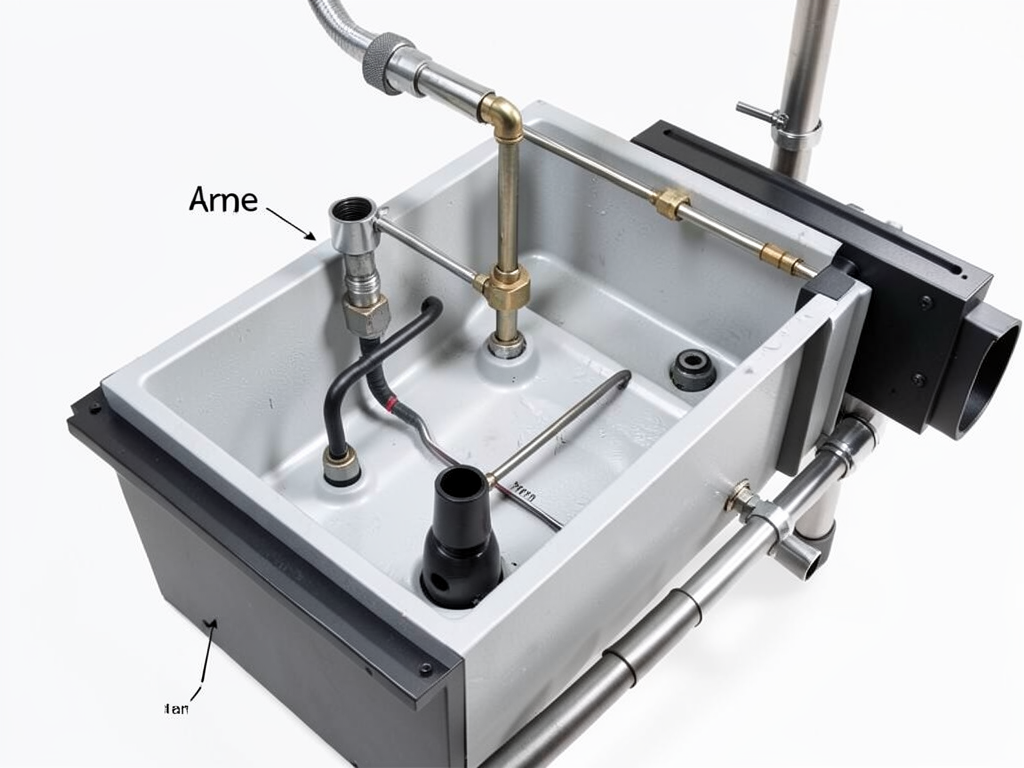
Ejector pumps collect wastewater in a sealed basin and pump it up to the main sewer line. The North Carolina Plumbing Code (Section 305.6) mandates specific sizing based on fixture units and requires a sealed, vented basin to prevent sewer gases from entering living spaces. A typical bathroom setup needs a 30-40 gallon tank with a 1/2 HP pump.. Read more about Comparing PVC and CPVC for New Plumbing Lines in Your Apex Home Addition.
Gravity-fed systems work when fixtures are above the sewer line. These require careful slope calculations (1/4 inch per foot minimum) and proper venting to prevent trap siphoning. The vent must extend through the roof or connect to the home’s existing vent system.
Navigating Apex Building Permits & Codes
The Town of Apex requires permits for all basement plumbing work, including fixture additions and drain line modifications. The permit process involves submitting detailed plans showing fixture locations, drain sizes, and vent configurations. Inspections occur at rough-in and final stages to verify code compliance.. Read more about How to Properly Drain Your Crawl Space Dehumidifier in Fuquay-Varina.
Apex follows the North Carolina State Building Code with local amendments. Section 305 specifically addresses basement plumbing, requiring backwater valves on all below-grade drains to prevent sewer backup during heavy rainfall. The code also mandates minimum pipe sizes: 3-inch drains for toilets, 2-inch for other fixtures, and 1.5-inch vents. Toilet Repair & Installation.
Water pressure in new Apex developments typically ranges from 40-80 psi. Homes near Harris Lake may experience slightly lower pressure due to elevation changes. Installing a pressure-reducing valve may be necessary if pressure exceeds 80 psi to protect fixtures and appliances.. Read more about The Pros and Cons of Installing a Curbless Shower in Your Cary Aging-in-Place Remodel.
Our Process: From Slab Cutting to Final Trim
Professional basement plumbing follows a specific sequence to ensure proper function and code compliance. The process starts with mapping existing utilities using ground-penetrating radar to avoid damaging electrical or HVAC lines during concrete cutting.. Read more about The Best Way to Hide Exposed Plumbing in Your Finished Basement in Southwest Raleigh.
- Site Assessment – Evaluate soil conditions, water table, and existing rough-ins
- Design Planning – Create detailed plumbing layout with fixture elevations
- Permit Acquisition – Submit plans to Apex Building Inspections for approval
- Concrete Preparation – Mark cutting lines and protect surrounding areas
- Excavation – Cut concrete and trench for new drain lines
- Installation – Run new pipes, install pumps or vents as needed
- Pressure Testing – Test all lines for leaks before concrete replacement
- Inspection – Schedule rough-in inspection with Apex building official
- Finish Work – Install fixtures and connect to main systems
- Final Inspection – Complete all required inspections before use
The concrete cutting process creates significant dust and noise. Professional plumbers use dust containment systems and schedule work during reasonable hours to minimize disruption. Most basement plumbing projects take 3-5 days from start to finish, depending on complexity. Who to Call for 24-7 Plumber Services in Wake Forest.
Frequently Asked Questions
How much does basement plumbing typically cost in Apex?
Costs vary based on project scope, but most basement bathroom additions range from $3,500 to $8,000. Factors affecting price include concrete cutting depth, pump requirements, and fixture quality. Getting multiple quotes helps establish realistic budgets.
Can I use my existing rough-in plumbing for a new bathroom?
Existing rough-ins may work if positioned correctly, but most homeowners adjust layouts for better functionality. A professional assessment determines if your rough-ins meet current code requirements and can support your intended fixtures.
How long does the permit process take in Apex?
Permit approval typically takes 3-7 business days once complete plans are submitted. Rush permits may be available for emergency situations. Plan your project timeline accordingly to avoid delays.
Do I need a sump pump with basement plumbing?
A sump pump isn’t always required but provides valuable protection in Apex’s clay soil conditions. If your basement sits below the surrounding grade or near water sources, a sump system prevents flooding and protects your plumbing investment.
What happens if my ejector pump fails?
Ejector pumps include alarms that sound when water levels rise too high. Most systems also have battery backups that activate during power outages. Regular maintenance prevents most failures and extends pump life to 7-10 years.
Ready to transform your unfinished basement into functional living space? Call (984) 294-6422 today to schedule your inspection and get a detailed quote for your project.
You may also find this helpful. Adding a Dedicated Pet Wash Station to Your Mudroom in Five Points.
You may also find this helpful. Why You Should Upgrade Your Rubber Washing Machine Hoses Before They Burst in Hedingham.
You may also find this helpful. Why Your Fuquay-Varina Pipes Sweat So Much in the Summer (And How to Stop the Dripping).
{
“@context”: “https://schema.org”,
“@type”: “BlogPosting”,
“headline”: “Planning the Plumbing for Your Unfinished Basement in a New Apex Development”,
“description”: “Understand rough-in plumbing, ejector pumps, and Apex building codes for basement conversions. Get expert guidance on turning unfinished space into a functional bathroom or wet bar.”,
“wordCount”: 1014,
“datePublished”: “2026-05-12T07:52:00.000Z”,
“dateModified”: “2026-05-12T07:52:00.000Z”,
“inLanguage”: “en-US”,
“mainEntityOfPage”: {
“@type”: “WebPage”,
“@id”: “https://ironwoodplumbingraleigh.com”
},
“publisher”: {
“@type”: “LocalBusiness”,
“name”: “Ironwood Plumbing Raleigh”,
“url”: “https://ironwoodplumbingraleigh.com”
},
“author”: {
“@type”: “Organization”,
“name”: “Ironwood Plumbing Raleigh”,
“url”: “https://ironwoodplumbingraleigh.com”
},
“image”: {
“@type”: “ImageObject”,
“url”: “https://ironwoodplumbingraleigh.com/wp-content/uploads/2026/03/planning-the-plumbing-for-your-unfinished-basement-1.png”
}
}
{
“@context”: “https://schema.org”,
“@type”: “Plumber”,
“name”: “Ironwood Plumbing Raleigh”,
“url”: “https://ironwoodplumbingraleigh.com”,
“address”: {
“@type”: “PostalAddress”,
“addressLocality”: “Raleigh”
},
“areaServed”: {
“@type”: “City”,
“name”: “Raleigh”
}
}
{
“@context”: “https://schema.org”,
“@type”: “FAQPage”,
“mainEntity”: [
{
“@type”: “Question”,
“name”: “How much does basement plumbing typically cost in Apex?”,
“acceptedAnswer”: {
“@type”: “Answer”,
“text”: “Costs vary based on project scope, but most basement bathroom additions range from $3,500 to $8,000. Factors affecting price include concrete cutting depth, pump requirements, and fixture quality. Getting multiple quotes helps establish realistic budgets.”
}
},
{
“@type”: “Question”,
“name”: “Can I use my existing rough-in plumbing for a new bathroom?”,
“acceptedAnswer”: {
“@type”: “Answer”,
“text”: “Existing rough-ins may work if positioned correctly, but most homeowners adjust layouts for better functionality. A professional assessment determines if your rough-ins meet current code requirements and can support your intended fixtures.”
}
},
{
“@type”: “Question”,
“name”: “How long does the permit process take in Apex?”,
“acceptedAnswer”: {
“@type”: “Answer”,
“text”: “Permit approval typically takes 3-7 business days once complete plans are submitted. Rush permits may be available for emergency situations. Plan your project timeline accordingly to avoid delays.”
}
},
{
“@type”: “Question”,
“name”: “Do I need a sump pump with basement plumbing?”,
“acceptedAnswer”: {
“@type”: “Answer”,
“text”: “A sump pump isn’t always required but provides valuable protection in Apex’s clay soil conditions. If your basement sits below the surrounding grade or near water sources, a sump system prevents flooding and protects your plumbing investment.”
}
},
{
“@type”: “Question”,
“name”: “What happens if my ejector pump fails?”,
“acceptedAnswer”: {
“@type”: “Answer”,
“text”: “Ejector pumps include alarms that sound when water levels rise too high. Most systems also have battery backups that activate during power outages. Regular maintenance prevents most failures and extends pump life to 7-10 years.”
}
}
]
}
{
“@context”: “https://schema.org”,
“@type”: “BreadcrumbList”,
“itemListElement”: [
{
“@type”: “ListItem”,
“position”: 1,
“name”: “Home”,
“item”: “https://ironwoodplumbingraleigh.com”
},
{
“@type”: “ListItem”,
“position”: 2,
“name”: “Blog”,
“item”: “https://ironwoodplumbingraleigh.com/blog”
},
{
“@type”: “ListItem”,
“position”: 3,
“name”: “Planning the Plumbing for Your Unfinished Basement in a New Apex Development”
}
]
}
{
“@context”: “https://schema.org”,
“@type”: “Service”,
“serviceType”: “Plumbing”,
“provider”: {
“@type”: “LocalBusiness”,
“name”: “Ironwood Plumbing Raleigh”,
“url”: “https://ironwoodplumbingraleigh.com”
},
“areaServed”: {
“@type”: “City”,
“name”: “Raleigh”
},
“description”: “Understand rough-in plumbing, ejector pumps, and Apex building codes for basement conversions. Get expert guidance on turning unfinished space into a functional bathroom or wet bar.”
}