Protecting Your Plumbing from Invasive Roots While Landscaping Your Anderson Heights Yard
Anderson Heights homeowners face a unique challenge when planning their landscaping. The mature oak and maple trees that give the neighborhood its charm also create a hidden threat to your plumbing system. Tree roots naturally seek moisture and can infiltrate sewer lines through even the smallest cracks, leading to costly backups and repairs. Understanding how to landscape safely around your sewer infrastructure is essential for protecting your home investment. EPA sewer line maintenance guidelines.
The combination of North Carolina’s red clay soil and the established tree canopy in Anderson Heights creates perfect conditions for root intrusion. Roots grow toward the moisture and nutrients inside your sewer pipes, and once inside, they expand and cause blockages. This guide provides Raleigh-specific strategies for choosing the right plants and maintaining safe distances from your underground utilities. North Carolina 811.
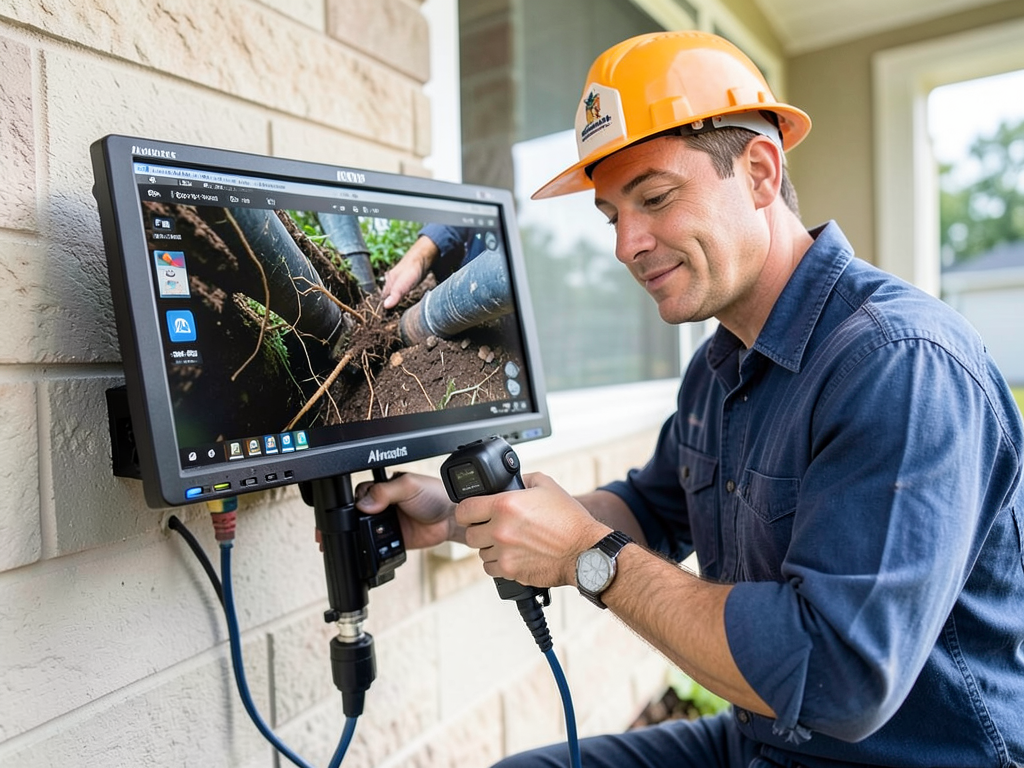
Before you plant a single shrub or tree, you need to know exactly where your sewer lines run. In Anderson Heights, many homes were built between 1960 and 1990 with clay sewer pipes that are particularly vulnerable to root penetration. A video sewer inspection can map your lines and identify potential problem areas before you begin landscaping. Signs You Need Sewer Repair.
How Tree Roots Find Your Sewer Pipes
Tree roots grow through a process called hydrotropism, where they sense moisture gradients in the soil. Your sewer line, even with a tiny leak, creates a perfect moisture trail that roots follow. Once roots find a pipe joint or crack, they enter and continue growing inside, eventually causing complete blockages.
In Raleigh’s Piedmont region, the red clay soil retains moisture differently than sandy soils. This means roots in our area tend to grow more aggressively toward water sources rather than spreading wide. The combination of our humid climate and clay soil creates ideal conditions for rapid root growth toward sewer lines.
Different pipe materials offer varying levels of root resistance. Modern PVC pipes have tighter joints and smoother interiors that resist root penetration better than older clay or cast iron pipes. However, even PVC can fail if installed improperly or if tree roots are particularly aggressive in your specific location.
Distance Guide: How Far to Plant from Your Main Line
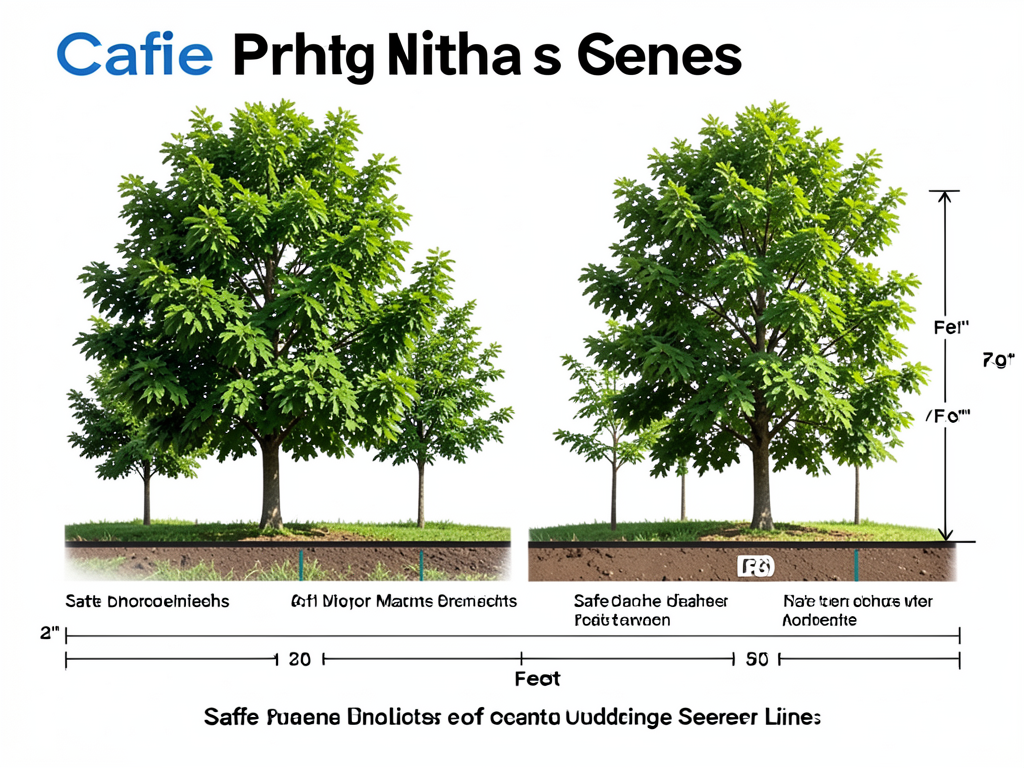
The safe planting distance depends on the mature size of the tree and its root spread characteristics. As a general rule, measure the expected mature height of the tree and multiply by 1.5 to get the minimum distance from your sewer line. For example, a tree that will grow 40 feet tall should be planted at least 60 feet from your main sewer line.
Small ornamental trees and large shrubs that mature under 20 feet tall need at least 10 feet of clearance from sewer lines. Medium trees between 20 and 40 feet tall require 20 to 30 feet of separation. Large trees over 40 feet tall need 30 to 50 feet or more, depending on the species.
Anderson Heights residents should also consider the specific root behavior of different species. Some trees like willows and poplars have particularly aggressive root systems that can extend two to three times their canopy width. Others like dogwoods and redbuds have more contained root systems that stay closer to the trunk.
- Identify Your Sewer Line Location
Call North Carolina 811 at least three business days before digging to have utilities marked. This free service shows you where all underground lines are located on your property. Finding Underground Leaks in Five Points Without Digging Up Your Entire Yard.
- Research Mature Plant Sizes
Check the expected mature height and spread of any plant before purchasing. Nursery tags often show size at 5-10 years, not the full mature size.
- Measure from the Center Line
Measure your planting distance from the center of your sewer line, not from the edge of your property or other landmarks.
- Consider Root Barriers
For situations where you must plant closer than recommended, install a physical root barrier between the plant and your sewer line.
The ‘Danger List’: Trees to Avoid in North Carolina
Certain tree species are notorious for causing sewer line damage in the Raleigh area. Willows top the danger list because their roots grow rapidly and aggressively seek water. A single willow tree can send roots 100 feet or more from the trunk in search of moisture.
Silver maples are another high-risk species common in older Raleigh neighborhoods. Their shallow, fibrous root systems spread extensively and can lift sidewalks and infiltrate pipes within years of planting. Sweetgum trees also make the danger list due to their aggressive surface roots.
Other problematic species for Anderson Heights include river birches, which love moisture and grow invasive roots, and poplars, which have fast-growing root systems that can damage foundations and pipes. Even some oak species can cause problems if planted too close to sewer infrastructure.
Instead of these high-risk trees, consider species with less aggressive root systems. Japanese maples, for example, have contained root growth and provide beautiful fall color. Dogwoods are another excellent choice, offering spring flowers and staying relatively small at maturity.
Safe Landscaping Options: Best Shrubs and Slow-Growing Trees for the Triangle Area
Anderson Heights homeowners can create beautiful landscapes while protecting their plumbing by choosing the right plants. Native North Carolina species are often the best choice because they’re adapted to our climate and typically have less aggressive root systems than exotic imports.
Azaleas are a classic choice for Raleigh gardens. These flowering shrubs stay relatively compact, with root systems that rarely cause plumbing issues. They thrive in our acidic soil and provide stunning spring color in shades of pink, white, and purple.
Dwarf boxwoods offer year-round greenery without the root problems of larger trees. These slow-growing shrubs can be shaped into hedges or left natural, and their compact root systems make them safe near underground utilities.
For taller options, consider crape myrtles, which provide summer flowers and beautiful bark texture. Their roots grow downward rather than spreading aggressively, making them safer near sewer lines than many other flowering trees.
Evergreen hollies are another excellent choice, offering winter berries for birds and dense foliage for privacy. Most holly varieties have relatively contained root systems compared to deciduous trees of similar size.
When planning your Anderson Heights landscape, group plants with similar water needs together. This prevents overwatering in some areas, which can encourage roots to grow toward your sewer line searching for excess moisture.
Technical Preventative Measures
Physical root barriers provide an additional layer of protection when you must plant closer to sewer lines than recommended. These barriers, made from plastic or metal, are installed vertically between the tree and your pipes. They force roots to grow downward or around the barrier rather than toward your sewer line.
Installation requires digging a trench at least 24 inches deep and inserting the barrier material. The barrier should extend above ground level to prevent roots from growing over the top. For maximum effectiveness, the barrier should be installed before the tree is planted, though retroactive installation is possible. Safe Gas Line Installation and Repairs for Residents in Rolesville.
Another preventative measure is upgrading older clay or cast iron pipes to modern PVC. PVC’s smooth interior and tight joints make it much more resistant to root intrusion. If you’re experiencing repeated root problems, this upgrade can save thousands in future repair costs.
Regular maintenance also helps prevent major root-related disasters. Annual video inspections can catch root intrusion early when removal is simpler and less expensive. Professional root cutting using specialized equipment can clear existing roots without damaging your pipes. Professional Drain Cleaning Services in Cary to Stop Stubborn Backups.
Some homeowners in Anderson Heights have success with chemical root inhibitors, though these should be used cautiously and according to manufacturer instructions. These products kill roots that contact your pipes without harming the tree itself.
Raleigh-Specific Considerations
The City of Raleigh Public Utilities Department maintains specific guidelines for landscaping near sewer infrastructure. Most importantly, they require a minimum 5-foot clearance from the edge of any sewer easement for permanent landscaping features. This easement area must remain accessible for maintenance and emergency repairs.
Anderson Heights sits on the eastern edge of Raleigh’s historic district, where many homes have original clay sewer lines installed before 1970. These pipes are particularly vulnerable to root intrusion due to their age and the material’s tendency to develop small cracks over time.
The North Carolina climate also affects root growth patterns. Our hot, humid summers create ideal conditions for rapid root expansion, while our occasional drought periods drive roots to seek out consistent moisture sources like your sewer line. This means root problems often become more noticeable during dry spells.
Soil compaction is another factor specific to our area. The heavy clay soil in Anderson Heights can restrict root growth in some directions, forcing roots to grow along easier paths like your sewer line trench. This makes proper planting distance even more critical in our region.
Wake County also experiences periodic soil heaving due to our freeze-thaw cycles. This movement can stress pipe joints and create new entry points for roots, even in pipes that were previously root-free. Regular inspections become especially important after extreme weather events.
When to Call a Professional
Certain situations require professional plumbing expertise rather than DIY solutions. If you notice slow drains throughout your home, hear gurgling sounds from toilets, or detect sewage odors in your yard, these could indicate serious root intrusion requiring immediate attention.
Professional video inspection uses a small camera inserted into your sewer line to identify exactly where roots have entered and how extensive the damage is. This diagnostic step is crucial before any major landscaping changes, as it prevents you from planting over existing problem areas.
If roots have already caused significant damage, trenchless pipe repair methods can fix the problem without digging up your entire yard. This technology uses a new pipe liner inserted through a small access point, creating a seamless new pipe inside your old one.
Property managers and homeowners with multiple trees should consider annual maintenance contracts with plumbing professionals. Regular root cutting and inspections prevent emergency situations and extend the life of your sewer infrastructure.
Don’t wait until you have a sewage backup to address potential root problems. A small investment in prevention can save thousands in emergency repairs and landscape restoration.
Creating Your Anderson Heights Root-Safe Landscape Plan
Start by mapping your property, marking all known utility locations including your sewer line. Use this information to create zones where different types of plants can be safely installed. Keep the area directly above and immediately adjacent to your sewer line clear of large trees and shrubs.
Consider using raised beds or container gardens for plants that need to be near your home’s foundation or sewer cleanout. This approach provides better control over root growth while still allowing you to enjoy a variety of plants.
Ground covers and perennials make excellent choices for areas near sewer lines. Plants like liriope, hostas, and native ferns provide coverage and beauty without the deep, aggressive root systems of trees and large shrubs.
Remember that proper watering practices also protect your plumbing. Overwatering encourages roots to spread searching for excess moisture. Water deeply but infrequently to promote healthy root growth that stays within the plant’s intended footprint.
Document your landscape plan and keep records of any professional inspections or maintenance. This information proves valuable if you sell your home or need to file insurance claims related to plumbing issues.
Your Anderson Heights landscape can be both beautiful and plumbing-safe with proper planning and plant selection. The mature trees that make our neighborhood special don’t have to threaten your home’s infrastructure when you follow these guidelines.
Frequently Asked Questions
How do I know where my sewer line is located?
Call North Carolina 811 at 811 or 1-800-632-4949 at least three business days before digging. They’ll mark all underground utilities on your property for free. You can also check your home’s building plans or ask a professional plumber to locate your sewer line. Who to Call for 24-7 Plumber Services in Wake Forest.
Can I plant a tree if I’m not sure where my sewer line is?
No. Never plant large trees without knowing your utility locations. Even small mistakes can lead to expensive damage. Always get your utilities marked first, then plan your landscaping around the marked locations.
How often should I have my sewer line inspected?
For homes with mature trees near sewer lines, annual video inspections are recommended. If you’ve had root problems before or live in an older home with clay pipes, consider inspections every 6-12 months to catch issues early.
What’s the difference between clay and PVC sewer pipes regarding roots?
Clay pipes, common in homes built before 1980, have porous joints that roots easily penetrate. PVC pipes have tighter, more water-resistant joints and smoother interiors that resist root intrusion much better than clay pipes.
Can I use chemical root killers safely?
Some chemical root killers are safe when used according to manufacturer instructions, but they should be applied by professionals who understand your specific plumbing system. Overuse can damage pipes and harm beneficial soil organisms.
Ready to protect your Anderson Heights home from root-related plumbing disasters? Call (984) 294-6422 today to schedule a professional video sewer inspection before you start your next landscaping project. Our experienced team can identify potential problems and help you create a beautiful, plumbing-safe outdoor space.
Don’t let invasive roots ruin your landscaping dreams or damage your home’s infrastructure. A quick call now can save you thousands in emergency repairs later. Pick up the phone and call (984) 294-6422 before the next storm hits and existing root problems worsen.
{
“@context”: “https://schema.org”,
“@type”: “BlogPosting”,
“headline”: “Protecting Your Plumbing from Invasive Roots While Landscaping Your Anderson Heights Yard”,
“description”: “Learn how to protect your sewer lines from invasive tree roots in Anderson Heights with Raleigh-specific landscaping tips, safe plant choices, and preventative measures.”,
“wordCount”: 2293,
“datePublished”: “2026-06-10T08:49:00.000Z”,
“dateModified”: “2026-06-10T08:49:00.000Z”,
“inLanguage”: “en-US”,
“mainEntityOfPage”: {
“@type”: “WebPage”,
“@id”: “https://ironwoodplumbingraleigh.com”
},
“publisher”: {
“@type”: “LocalBusiness”,
“name”: “Ironwood Plumbing Raleigh”,
“url”: “https://ironwoodplumbingraleigh.com”
},
“author”: {
“@type”: “Organization”,
“name”: “Ironwood Plumbing Raleigh”,
“url”: “https://ironwoodplumbingraleigh.com”
},
“image”: {
“@type”: “ImageObject”,
“url”: “https://ironwoodplumbingraleigh.com/wp-content/uploads/2026/03/protecting-your-plumbing-from-invasive-roots-while-1.png”
}
}
{
“@context”: “https://schema.org”,
“@type”: “Plumber”,
“name”: “Ironwood Plumbing Raleigh”,
“url”: “https://ironwoodplumbingraleigh.com”,
“address”: {
“@type”: “PostalAddress”,
“addressLocality”: “Raleigh”
},
“areaServed”: {
“@type”: “City”,
“name”: “Raleigh”
}
}
{
“@context”: “https://schema.org”,
“@type”: “FAQPage”,
“mainEntity”: [
{
“@type”: “Question”,
“name”: “How do I know where my sewer line is located?”,
“acceptedAnswer”: {
“@type”: “Answer”,
“text”: “Call North Carolina 811 at 811 or 1-800-632-4949 at least three business days before digging. They’ll mark all underground utilities on your property for free. You can also check your home’s building plans or ask a professional plumber to locate your sewer line. Who to Call for 24-7 Plumber Services in Wake Forest.”
}
},
{
“@type”: “Question”,
“name”: “Can I plant a tree if I’m not sure where my sewer line is?”,
“acceptedAnswer”: {
“@type”: “Answer”,
“text”: “No. Never plant large trees without knowing your utility locations. Even small mistakes can lead to expensive damage. Always get your utilities marked first, then plan your landscaping around the marked locations.”
}
},
{
“@type”: “Question”,
“name”: “How often should I have my sewer line inspected?”,
“acceptedAnswer”: {
“@type”: “Answer”,
“text”: “For homes with mature trees near sewer lines, annual video inspections are recommended. If you’ve had root problems before or live in an older home with clay pipes, consider inspections every 6-12 months to catch issues early.”
}
},
{
“@type”: “Question”,
“name”: “What’s the difference between clay and PVC sewer pipes regarding roots?”,
“acceptedAnswer”: {
“@type”: “Answer”,
“text”: “Clay pipes, common in homes built before 1980, have porous joints that roots easily penetrate. PVC pipes have tighter, more water-resistant joints and smoother interiors that resist root intrusion much better than clay pipes.”
}
},
{
“@type”: “Question”,
“name”: “Can I use chemical root killers safely?”,
“acceptedAnswer”: {
“@type”: “Answer”,
“text”: “Some chemical root killers are safe when used according to manufacturer instructions, but they should be applied by professionals who understand your specific plumbing system. Overuse can damage pipes and harm beneficial soil organisms.”
}
}
]
}
{
“@context”: “https://schema.org”,
“@type”: “HowTo”,
“name”: “Safe Planting Distance Guidelines”,
“step”: [
{
“@type”: “HowToStep”,
“position”: 1,
“name”: “Identify Your Sewer Line Location”,
“text”: “Call North Carolina 811 at least three business days before digging to have utilities marked. This free service shows you where all underground lines are located on your property. Finding Underground Leaks in Five Points Without Digging Up Your Entire Yard.”
},
{
“@type”: “HowToStep”,
“position”: 2,
“name”: “Research Mature Plant Sizes”,
“text”: “Check the expected mature height and spread of any plant before purchasing. Nursery tags often show size at 5-10 years, not the full mature size.”
},
{
“@type”: “HowToStep”,
“position”: 3,
“name”: “Measure from the Center Line”,
“text”: “Measure your planting distance from the center of your sewer line, not from the edge of your property or other landmarks.”
},
{
“@type”: “HowToStep”,
“position”: 4,
“name”: “Consider Root Barriers”,
“text”: “For situations where you must plant closer than recommended, install a physical root barrier between the plant and your sewer line.”
}
],
“image”: “https://ironwoodplumbingraleigh.com/wp-content/uploads/2026/03/protecting-your-plumbing-from-invasive-roots-while-1.png”
}
{
“@context”: “https://schema.org”,
“@type”: “BreadcrumbList”,
“itemListElement”: [
{
“@type”: “ListItem”,
“position”: 1,
“name”: “Home”,
“item”: “https://ironwoodplumbingraleigh.com”
},
{
“@type”: “ListItem”,
“position”: 2,
“name”: “Blog”,
“item”: “https://ironwoodplumbingraleigh.com/blog”
},
{
“@type”: “ListItem”,
“position”: 3,
“name”: “Protecting Your Plumbing from Invasive Roots While Landscaping Your Anderson Heights Yard”
}
]
}
{
“@context”: “https://schema.org”,
“@type”: “Service”,
“serviceType”: “Plumbing”,
“provider”: {
“@type”: “LocalBusiness”,
“name”: “Ironwood Plumbing Raleigh”,
“url”: “https://ironwoodplumbingraleigh.com”
},
“areaServed”: {
“@type”: “City”,
“name”: “Raleigh”
},
“description”: “Learn how to protect your sewer lines from invasive tree roots in Anderson Heights with Raleigh-specific landscaping tips, safe plant choices, and preventative measures.”
}