What Oakwood Homeowners Need to Know About Shared Sewer Lines in Historic Districts
Living in Raleigh’s historic Oakwood district means owning a piece of architectural history. But that charm comes with plumbing challenges many homeowners don’t discover until a crisis hits. Shared sewer lines connect multiple homes to the same underground pipe, creating a web of legal and technical complications unique to older neighborhoods. Finding Underground Leaks in Five Points Without Digging Up Your Entire Yard.
Oakwood’s tree-lined streets and Victorian homes were built before modern plumbing codes existed. Many properties share sewer laterals that run through multiple yards before connecting to the city main. When one homeowner’s line fails, everyone connected feels the impact. Tree roots from century-old oaks, aging clay pipes, and neighbor disputes over repair costs turn what should be a simple plumbing fix into a complex legal puzzle. City of Raleigh Residential Plumbing Requirements.
The good news is that understanding your shared sewer situation puts you in control. This guide breaks down Oakwood’s unique sewer landscape, explains who pays for repairs, and shows you how to protect your historic home from costly backups and legal headaches. Safe Gas Line Installation and Repairs for Residents in Rolesville.
Understanding Shared Sewer Lines in Oakwood
A shared sewer line, also called a private lateral, connects two or more homes to the same underground pipe before reaching the city’s main sewer line. In Oakwood, these shared connections date back to the early 1900s when the neighborhood was first developed.
Historic districts like Oakwood often have these shared configurations because early developers installed centralized sewer systems to serve multiple homes efficiently. The original clay pipes, some over 100 years old, still carry wastewater from several properties through narrow underground easements.
Shared lines create a chain reaction effect. When roots invade one section, the entire system backs up. When one homeowner flushes inappropriate items, everyone experiences slow drains. The interconnected nature means problems spread quickly through the network. NC DEQ Sewer System Regulations.
Oakwood’s specific challenges stem from its mature tree canopy. The neighborhood’s namesake oaks send roots deep underground seeking moisture. These roots find the smallest cracks in old clay pipes and grow inside, eventually blocking flow completely. The combination of aging infrastructure and aggressive root systems makes shared lines particularly vulnerable.
Property boundaries don’t always align with sewer line ownership. A pipe might run diagonally across multiple yards, creating legal gray areas about who maintains what section. This misalignment becomes critical during repairs when excavation crosses property lines.
Who Is Legally Responsible for Shared Sewer Repairs?
Responsibility for shared sewer lines follows a complex hierarchy of ownership and maintenance obligations. Understanding this hierarchy prevents costly disputes and ensures repairs happen quickly when problems arise.
The City of Raleigh maintains the main sewer line in the street. Everything from the main to your home’s foundation is considered private property. Shared laterals fall into a gray area where multiple homeowners share responsibility for the entire line segment.
North Carolina law treats shared sewer lines as joint property. All connected homeowners share equal responsibility for maintenance and repairs. This means one homeowner cannot refuse to participate in necessary repairs or force others to bear the full cost.
Easement agreements often govern shared sewer access. These legal documents, recorded with Wake County, specify who can access the line, where repairs can occur, and how costs are divided. Many Oakwood homes lack formal easements, creating additional complications.
When disputes arise, Wake County courts typically require proportional cost sharing based on property size or usage. However, emergency situations allow any connected homeowner to initiate repairs and seek reimbursement from others.
The North Carolina Plumbing Code Section 13-4.1 requires proper maintenance of private sewer lines. Failure to maintain a shared line can result in code violations and fines, even if the problem originates on a neighbor’s property.
Common Problems in Oakwood’s Shared Sewer Systems
Tree root intrusion represents the most frequent shared sewer problem in Oakwood. The neighborhood’s mature oaks send roots searching for water sources, finding the smallest cracks in old clay pipes. Once inside, roots grow rapidly, creating blockages that affect all connected homes.
Clay pipe deterioration occurs naturally over decades. The original vitrified clay pipes installed in Oakwood develop hairline cracks from soil movement and temperature changes. These cracks allow roots to enter and sewage to leak into surrounding soil, creating sinkholes and environmental hazards.
Neighbor-related backups happen when one household flushes inappropriate items. Wipes, feminine products, and grease travel through shared lines, eventually creating clogs that back up into all connected homes. The interconnected nature means one person’s mistake affects everyone.
Foundation settling in historic homes can shift underground pipes. Oakwood’s century-old foundations experience differential settling, causing pipes to separate at joints or develop sags where waste collects. These separations create recurring blockages requiring frequent cleaning.
Combined sewer overflow during heavy rains overwhelms shared systems. Oakwood’s older infrastructure wasn’t designed for current water volumes. When stormwater enters the system through cracks or illegal connections, it can back up into homes through floor drains and toilets. Professional Drain Cleaning Services in Cary to Stop Stubborn Backups.
Pipe bellies form when sections of pipe sink below grade. The low spots collect waste and debris, creating persistent clogs that require hydro-jetting or pipe replacement. These bellies often develop in shared lines where multiple connections create stress points.
Diagnostic Signs Your Shared Line Needs Attention
Gurgling sounds from multiple drains indicate air trapped in your shared sewer line. When water struggles to flow past a partial blockage, it creates air bubbles that escape through the nearest available opening. If you hear gurgling in sinks, tubs, and toilets simultaneously, the problem likely affects the entire shared system.
Slow drains across multiple fixtures suggest a developing blockage in the shared lateral. When toilets, sinks, and tubs all drain slowly regardless of individual usage, the restriction exists downstream where the pipes connect. This pattern distinguishes shared line problems from isolated fixture issues.
Sewer odors in yards or basements signal cracks or separations in aging pipes. The smell of rotten eggs near cleanouts or foundation walls indicates sewage leaking from the system. In shared configurations, these leaks often occur at connection points between properties.
Water backing up into floor drains during heavy usage reveals inadequate pipe capacity. When washing machines drain or multiple toilets flush simultaneously, water should flow freely to the main. Backups during normal usage indicate the shared line cannot handle current demands.
Unusual wet spots in yards, especially near property lines, suggest underground pipe failures. Sewage leaking from cracks creates saturated soil that remains wet even during dry weather. These spots often appear where shared lines cross property boundaries.
Foundation moisture or basement flooding during rain events indicates combined sewer problems. When stormwater overwhelms the shared system, it can back up through cracks in foundations or floor drains, creating indoor flooding that affects multiple homes.
Repair Options for Shared Sewer Lines
Trenchless pipe bursting offers the least disruptive repair method for shared lines. This technique pulls a new pipe through the old one, breaking apart the damaged clay while simultaneously installing HDPE replacement. The process requires only two small access points rather than digging up entire yards.
Traditional excavation remains necessary when pipes have completely collapsed or when extensive root systems require removal. This method involves digging trenches to expose the entire pipe run, replacing damaged sections, and backfilling. While more disruptive, excavation provides complete access for thorough repairs.. Read more about Replacing a Shower Valve Without Cutting Your Tiles in a Historic Oakwood Bathroom.
Pipe lining creates a new pipe within the old one using epoxy resin. A felt liner coated with resin is inserted into the existing pipe, inflated, and cured in place. This method works well for pipes with minor damage but cannot address severe structural failures or major root intrusion.
Splitting shared lines into dedicated laterals eliminates ongoing coordination problems. This process involves running new individual pipes from each home to the main, completely separating the shared system. While more expensive initially, dedicated lines prevent future neighbor disputes and allow independent maintenance.
Spot repairs target specific problem areas without replacing entire lines. When damage is localized to one section, technicians can excavate only that area, replace the damaged pipe, and reconnect the system. This approach minimizes disruption and cost when problems are confined.
Cleanout installation improves maintenance access for shared systems. Adding cleanouts at strategic locations allows individual homeowners to address minor blockages without coordinating with neighbors. These access points also help technicians diagnose problems more efficiently.
Navigating Costs and Property Easements
Shared sewer repairs typically cost between $3,000 and $15,000 per connected property, depending on repair method and extent of damage. Trenchless repairs average $4,000-$6,000, while complete replacements can exceed $12,000 per home. These costs multiply when multiple homeowners must contribute simultaneously.
Cost allocation follows several common methods. Equal division splits costs evenly among all connected properties. Proportional allocation bases shares on property square footage or number of bathrooms. Usage-based formulas consider household size and water consumption patterns.
Formal easement agreements streamline repair processes and cost sharing. These documents specify access rights, maintenance responsibilities, and dispute resolution procedures. Without formal agreements, homeowners must rely on verbal understandings or legal intervention when problems arise.
Insurance coverage for shared sewer repairs varies significantly. Standard homeowner policies typically exclude sewer line damage, though some offer optional coverage for an additional premium. Flood insurance may cover certain types of sewer backups but excludes pre-existing conditions and maintenance issues.
Property line disputes complicate shared line repairs when pipes cross boundaries. Excavation requires access to all affected properties, necessitating neighbor cooperation or legal orders. Some homeowners refuse access, delaying critical repairs and increasing damage to connected homes.
Historic district regulations in Oakwood may restrict certain repair methods. The Oakwood Historic District Commission reviews exterior modifications, including excavation that affects visible yards or structures. Trenchless methods often receive faster approval since they minimize surface disruption.
Preventing Future Shared Sewer Problems
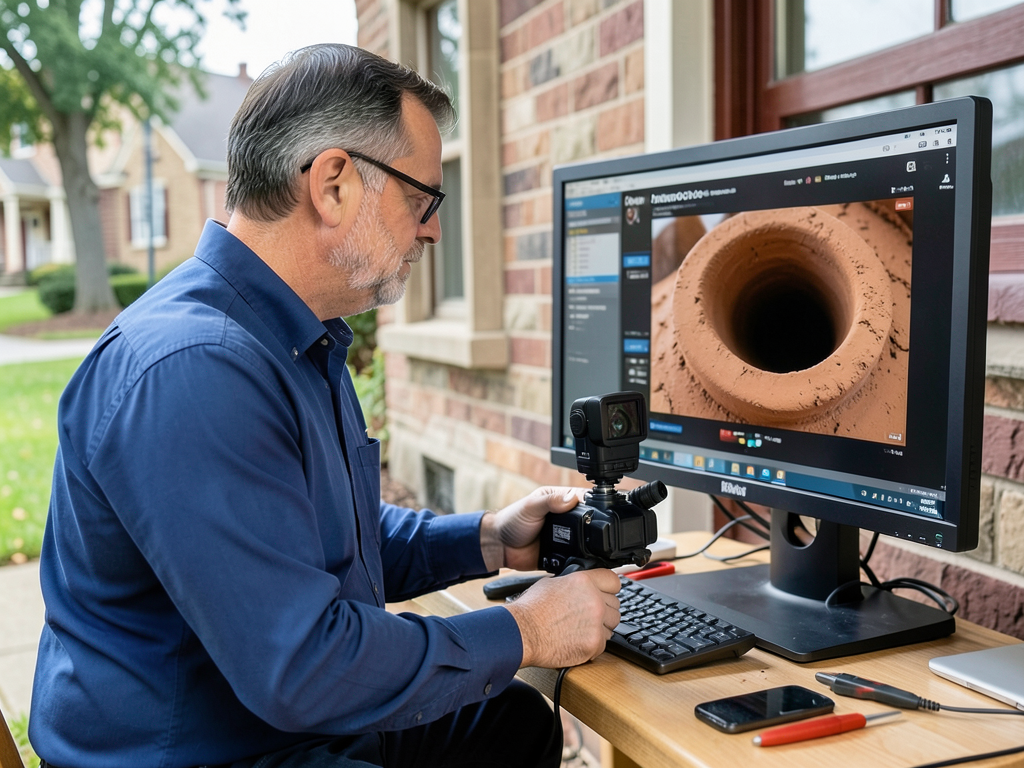
Regular camera inspections identify developing problems before they cause major damage. Professional sewer scopes examine pipe interiors for cracks, root intrusion, and blockages. Annual inspections for shared lines cost $200-$400 but prevent $5,000-$15,000 emergency repairs.
Root treatment programs control vegetation near shared pipes. Annual root-killing treatments using foaming herbicides prevent roots from entering pipes. These treatments cost $100-$200 annually compared to $3,000-$8,000 for root removal and pipe repair.
Proper waste disposal habits protect shared systems. Only human waste and toilet paper should enter sewer lines. Wipes, feminine products, grease, and food scraps create blockages that affect all connected homes. Education and consistent habits prevent many common problems.
Backwater valves prevent sewage from backing up into homes during system overloads. These one-way valves install in main sewer lines and close when reverse flow pressure builds. While effective, they require coordination among all connected homeowners since they affect the entire shared system.
Water conservation reduces stress on shared lines. Low-flow fixtures, efficient appliances, and mindful water usage decrease flow volumes through aging pipes. This reduction extends pipe life and prevents overwhelming systems during peak usage periods.
Neighbor communication networks improve shared system management. Creating contact lists and communication protocols ensures rapid response when problems arise. Quick action prevents minor issues from escalating into major emergencies affecting multiple homes.
Legal Considerations for Shared Sewer Lines
North Carolina General Statute 143-138 establishes liability for sewer line damage. Homeowners are responsible for maintaining private sewer lines from their property to the city main. Shared laterals create joint liability situations where multiple parties share responsibility for the same pipe segment.
Wake County Register of Deeds maintains records of sewer easements and agreements. These documents, often recorded during property transfers, specify access rights and maintenance obligations. Homeowners should review these records before purchasing properties in historic districts.
Small claims court provides a venue for resolving minor shared sewer disputes. Claims under $10,000 can be filed without attorneys, making this option accessible for neighbor disagreements over repair costs or access rights. Documentation of communication and damage helps support claims.
Homeowner associations in some historic districts create additional oversight for shared utilities. These organizations may establish maintenance schedules, cost-sharing formulas, and dispute resolution procedures. Membership often includes mandatory participation in shared system management.
Building permits for sewer repairs must comply with Raleigh’s plumbing codes. The City of Raleigh requires permits for most sewer line work, including repairs to shared laterals. Permit fees and inspection requirements ensure repairs meet current standards.
Environmental regulations govern sewage discharge and groundwater contamination. Leaking sewer lines can violate EPA and state environmental standards, creating liability beyond neighbor disputes. Proper repairs prevent environmental violations and associated penalties.
Choosing the Right Professional for Shared Sewer Work
Master plumbers with historic district experience understand Oakwood’s unique challenges. These professionals know local building codes, historic preservation requirements, and common failure patterns in century-old plumbing systems. Their expertise prevents costly mistakes during repairs. Who to Call for 24-7 Plumber Services in Wake Forest.
Camera inspection capabilities are essential for diagnosing shared line problems. Modern video equipment examines pipe interiors, identifying cracks, blockages, and joint separations. This diagnostic information guides repair decisions and helps determine which method will be most effective.
Insurance and licensing verification protects homeowners from liability. Plumbers working on shared lines should carry general liability insurance and workers’ compensation coverage. North Carolina requires state licensing for plumbing work, with additional certifications for specialized services.
References from other Oakwood homeowners provide valuable insight into a plumber’s reliability. Shared sewer work requires coordination with multiple parties and navigating historic district regulations. Previous success in similar situations indicates likely performance on your project.
Written estimates should detail scope, timeline, and cost allocation. Professional plumbers provide comprehensive proposals that explain repair methods, expected disruptions, and how costs will be divided among connected properties. These documents prevent misunderstandings and disputes.
Emergency response capabilities matter when shared lines fail. Plumbing companies offering 24/7 service can address urgent problems before they cause extensive damage. Quick response times minimize water damage and reduce repair costs for all affected homeowners.
Frequently Asked Questions
Does the City of Raleigh fix shared sewer lines?
No, the City of Raleigh only maintains sewer lines in public right-of-way and up to the connection point at your property line. Everything from that connection to your home is private property, including shared laterals. The city will not repair or replace private shared sewer lines even if they affect multiple homes.
How do I know if my sewer line is shared?
A professional sewer camera inspection reveals whether your line connects to other properties. The camera shows pipe diameter changes, connection points, and other homes’ cleanouts along the route. You can also check property records at Wake County Register of Deeds for existing easement agreements or shared utility documentation.
Who pays for a shared sewer line backup in North Carolina?
All connected homeowners share responsibility for shared sewer line repairs under North Carolina law. Costs are typically divided equally or proportionally based on property size. One homeowner cannot refuse to pay their share, though they can dispute the repair method or contractor selection through legal channels.
Can I separate my sewer line from my neighbor’s?
Yes, separating shared sewer lines is possible by installing dedicated laterals from each home to the city main. This process involves excavation and new pipe installation but eliminates ongoing coordination problems. The cost ranges from $8,000-$15,000 per property but provides long-term independence from neighbor-related issues.
Protecting Your Oakwood Home from Shared Sewer Disasters
Shared sewer lines in Oakwood’s historic district require proactive management to prevent costly emergencies. Understanding your system’s configuration, knowing your legal responsibilities, and maintaining open communication with neighbors creates a foundation for effective problem prevention.
Annual inspections catch developing problems before they cause major damage. Camera scopes examine pipe interiors for cracks, roots, and blockages that could affect your entire neighborhood. These preventive measures cost far less than emergency repairs during a backup.
Building relationships with connected neighbors facilitates quick responses when problems arise. Creating contact lists and establishing communication protocols ensures everyone knows who to call and how to coordinate repairs. This preparation prevents minor issues from escalating into major emergencies.
Documenting your sewer system configuration helps with future sales and repairs. Keep records of inspections, repairs, and any agreements with neighbors. This documentation proves valuable during property transactions and helps new owners understand their responsibilities.
Investing in preventive maintenance protects your historic home’s value. Shared sewer problems can cause extensive damage to foundations, landscaping, and interior finishes. Regular maintenance and prompt repairs preserve both your property and your neighborhood’s historic character.
Ready to protect your Oakwood home from shared sewer disasters? Call (984) 294-6422 today to schedule a comprehensive sewer camera inspection. Our experienced technicians understand Oakwood’s unique plumbing challenges and can help you avoid costly emergencies. Don’t wait for the next backup to discover your shared sewer problems.
Pick up the phone and call (984) 294-6422 before the next storm hits. Our 24/7 emergency service ensures rapid response when shared sewer lines fail, protecting your historic home from water damage and expensive repairs.
Schedule your inspection now at (984) 294-6422 and gain peace of mind knowing your Oakwood home’s plumbing is protected. Our transparent pricing and expert diagnostics help you make informed decisions about shared sewer maintenance and repairs.
You may also find this helpful. How to Know if Your Glenwood South Rental Needs a Sewer Scope Before You Sign.
{
“@context”: “https://schema.org”,
“@type”: “BlogPosting”,
“headline”: “What Oakwood Homeowners Need to Know About Shared Sewer Lines in Historic Districts”,
“description”: “Shared sewer lines in Raleigh’s Oakwood district create unique legal and plumbing challenges. Learn who’s responsible, how to spot problems, and your repair options.”,
“wordCount”: 2867,
“datePublished”: “2026-05-11T06:11:00.000Z”,
“dateModified”: “2026-05-11T06:11:00.000Z”,
“inLanguage”: “en-US”,
“mainEntityOfPage”: {
“@type”: “WebPage”,
“@id”: “https://ironwoodplumbingraleigh.com”
},
“publisher”: {
“@type”: “LocalBusiness”,
“name”: “Ironwood Plumbing Raleigh”,
“url”: “https://ironwoodplumbingraleigh.com”
},
“author”: {
“@type”: “Organization”,
“name”: “Ironwood Plumbing Raleigh”,
“url”: “https://ironwoodplumbingraleigh.com”
},
“image”: {
“@type”: “ImageObject”,
“url”: “https://ironwoodplumbingraleigh.com/wp-content/uploads/2026/03/what-oakwood-homeowners-need-to-know-about-shared-1.png”
}
}
{
“@context”: “https://schema.org”,
“@type”: “Plumber”,
“name”: “Ironwood Plumbing Raleigh”,
“url”: “https://ironwoodplumbingraleigh.com”,
“address”: {
“@type”: “PostalAddress”,
“addressLocality”: “Raleigh”
},
“areaServed”: {
“@type”: “City”,
“name”: “Raleigh”
}
}
{
“@context”: “https://schema.org”,
“@type”: “FAQPage”,
“mainEntity”: [
{
“@type”: “Question”,
“name”: “Who Is Legally Responsible for Shared Sewer Repairs?”,
“acceptedAnswer”: {
“@type”: “Answer”,
“text”: “Responsibility for shared sewer lines follows a complex hierarchy of ownership and maintenance obligations. Understanding this hierarchy prevents costly disputes and ensures repairs happen quickly when problems arise.”
}
},
{
“@type”: “Question”,
“name”: “Does the City of Raleigh fix shared sewer lines?”,
“acceptedAnswer”: {
“@type”: “Answer”,
“text”: “No, the City of Raleigh only maintains sewer lines in public right-of-way and up to the connection point at your property line. Everything from that connection to your home is private property, including shared laterals. The city will not repair or replace private shared sewer lines even if they affect multiple homes.”
}
},
{
“@type”: “Question”,
“name”: “How do I know if my sewer line is shared?”,
“acceptedAnswer”: {
“@type”: “Answer”,
“text”: “A professional sewer camera inspection reveals whether your line connects to other properties. The camera shows pipe diameter changes, connection points, and other homes’ cleanouts along the route. You can also check property records at Wake County Register of Deeds for existing easement agreements or shared utility documentation.”
}
},
{
“@type”: “Question”,
“name”: “Who pays for a shared sewer line backup in North Carolina?”,
“acceptedAnswer”: {
“@type”: “Answer”,
“text”: “All connected homeowners share responsibility for shared sewer line repairs under North Carolina law. Costs are typically divided equally or proportionally based on property size. One homeowner cannot refuse to pay their share, though they can dispute the repair method or contractor selection through legal channels.”
}
},
{
“@type”: “Question”,
“name”: “Can I separate my sewer line from my neighbor’s?”,
“acceptedAnswer”: {
“@type”: “Answer”,
“text”: “Yes, separating shared sewer lines is possible by installing dedicated laterals from each home to the city main. This process involves excavation and new pipe installation but eliminates ongoing coordination problems. The cost ranges from $8,000-$15,000 per property but provides long-term independence from neighbor-related issues.”
}
}
]
}
{
“@context”: “https://schema.org”,
“@type”: “BreadcrumbList”,
“itemListElement”: [
{
“@type”: “ListItem”,
“position”: 1,
“name”: “Home”,
“item”: “https://ironwoodplumbingraleigh.com”
},
{
“@type”: “ListItem”,
“position”: 2,
“name”: “Blog”,
“item”: “https://ironwoodplumbingraleigh.com/blog”
},
{
“@type”: “ListItem”,
“position”: 3,
“name”: “What Oakwood Homeowners Need to Know About Shared Sewer Lines in Historic Districts”
}
]
}
{
“@context”: “https://schema.org”,
“@type”: “Service”,
“serviceType”: “Plumbing”,
“provider”: {
“@type”: “LocalBusiness”,
“name”: “Ironwood Plumbing Raleigh”,
“url”: “https://ironwoodplumbingraleigh.com”
},
“areaServed”: {
“@type”: “City”,
“name”: “Raleigh”
},
“description”: “Shared sewer lines in Raleigh’s Oakwood district create unique legal and plumbing challenges. Learn who’s responsible, how to spot problems, and your repair options.”
}