




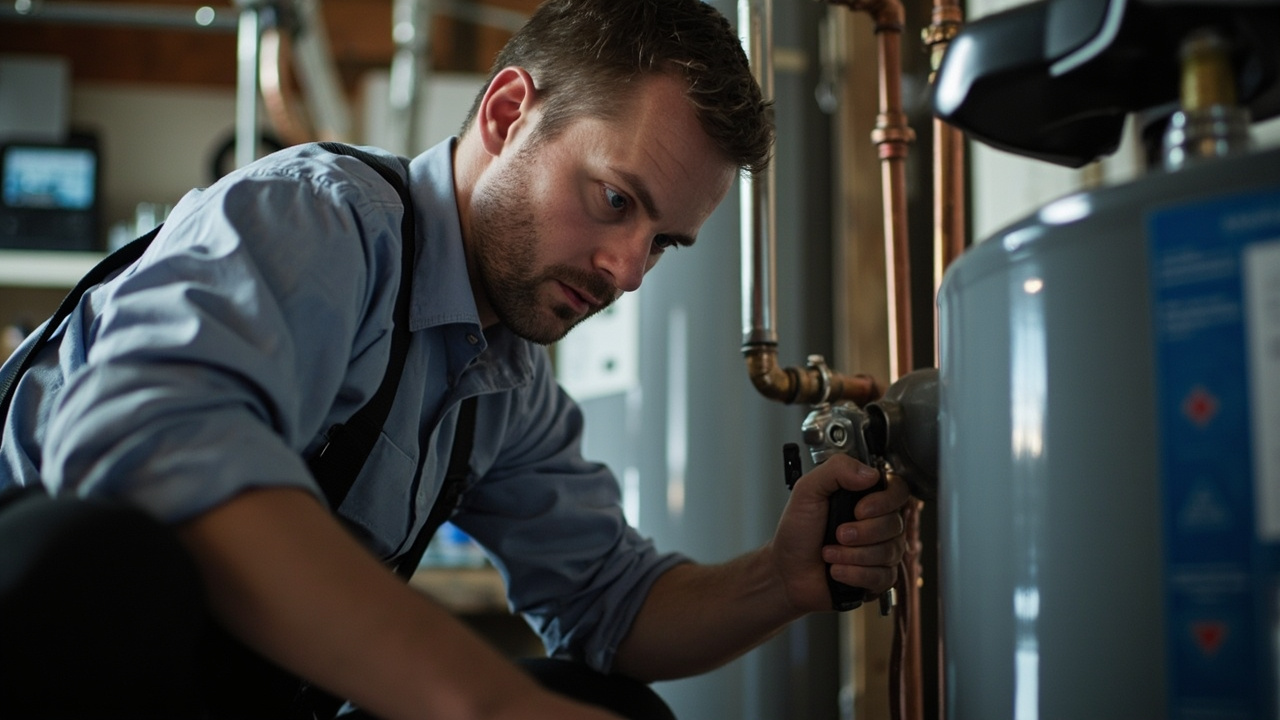
Raleigh's municipal water supply averages 65 to 85 milligrams per liter of calcium carbonate, which qualifies as moderately hard water. This mineral content forms scale inside your hot water tank at an accelerated rate. The heating element or burner at the tank bottom creates a localized hot zone where minerals precipitate out of solution and form a cement-like layer. This layer insulates the water from the heat source, forcing your system to run longer cycles to reach temperature. The result is higher energy bills and faster component wear. Homes in North Raleigh and areas served by the E.M. Johnson Water Treatment Plant see particularly aggressive scaling. Regular hot water tank repair includes flushing this sediment, but once the layer exceeds two inches, the damage to heating elements and tank integrity is often irreversible.
Ironwood Plumbing Raleigh employs North Carolina-licensed journeyman plumbers who complete continuing education on the state plumbing code updates every year. When you hire a local contractor who understands Wake County's inspection requirements, you avoid the costly callbacks and failed inspections that plague out-of-area companies. We maintain relationships with local inspectors and know exactly what they examine during rough-in and final inspections for hot water system installation. This expertise saves you time and ensures your water heater change out passes inspection on the first visit. Our familiarity with Raleigh's infrastructure, from the age of housing stock in Mordecai to the new construction standards in North Hills, means we anticipate site-specific challenges before they delay your project.