



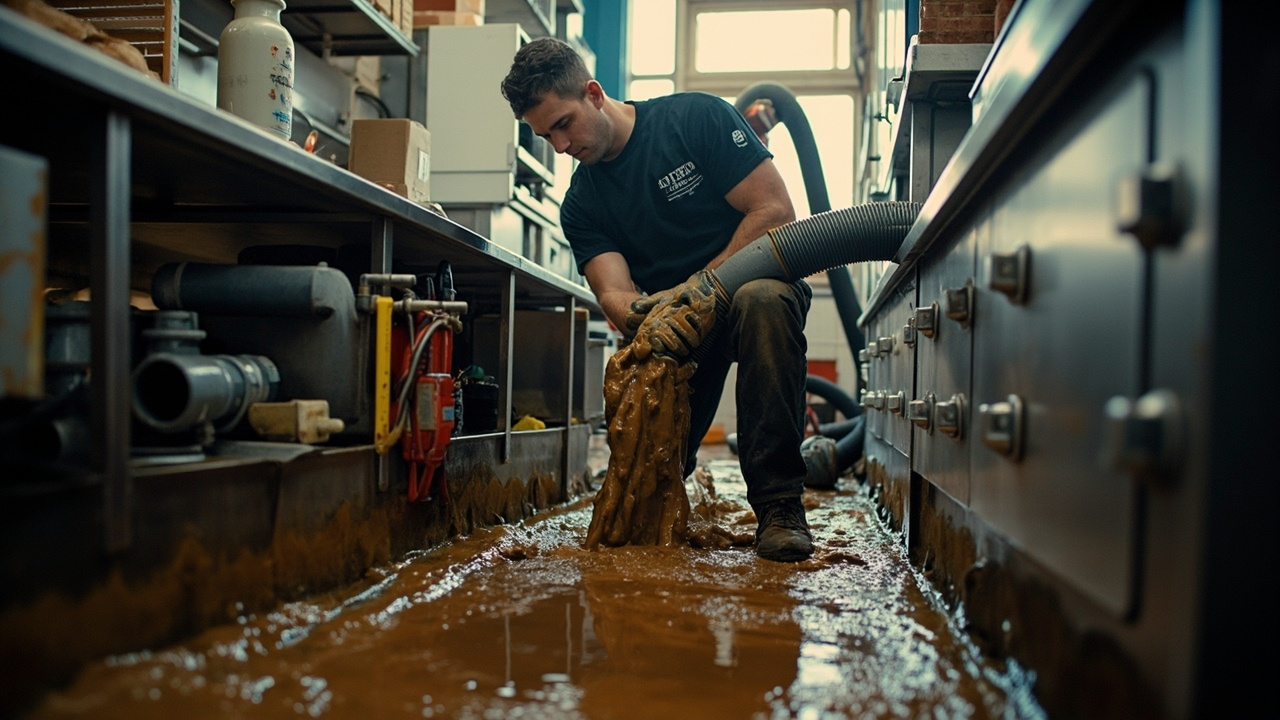
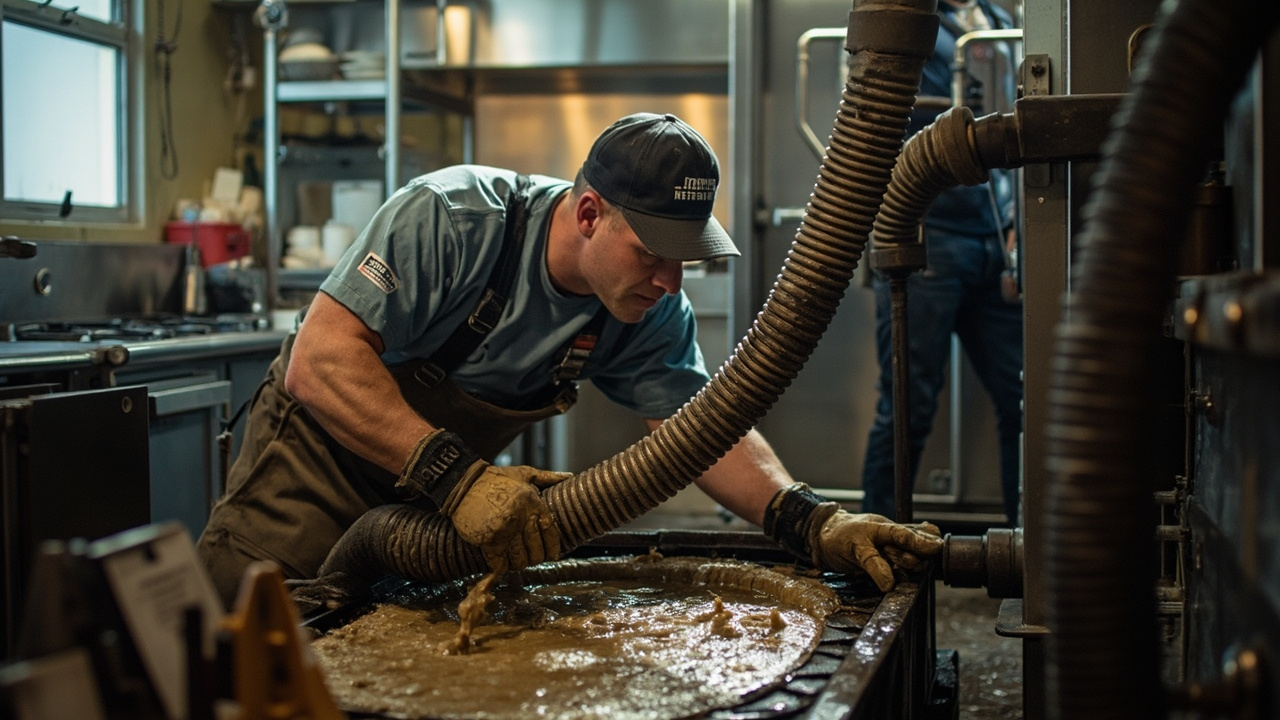
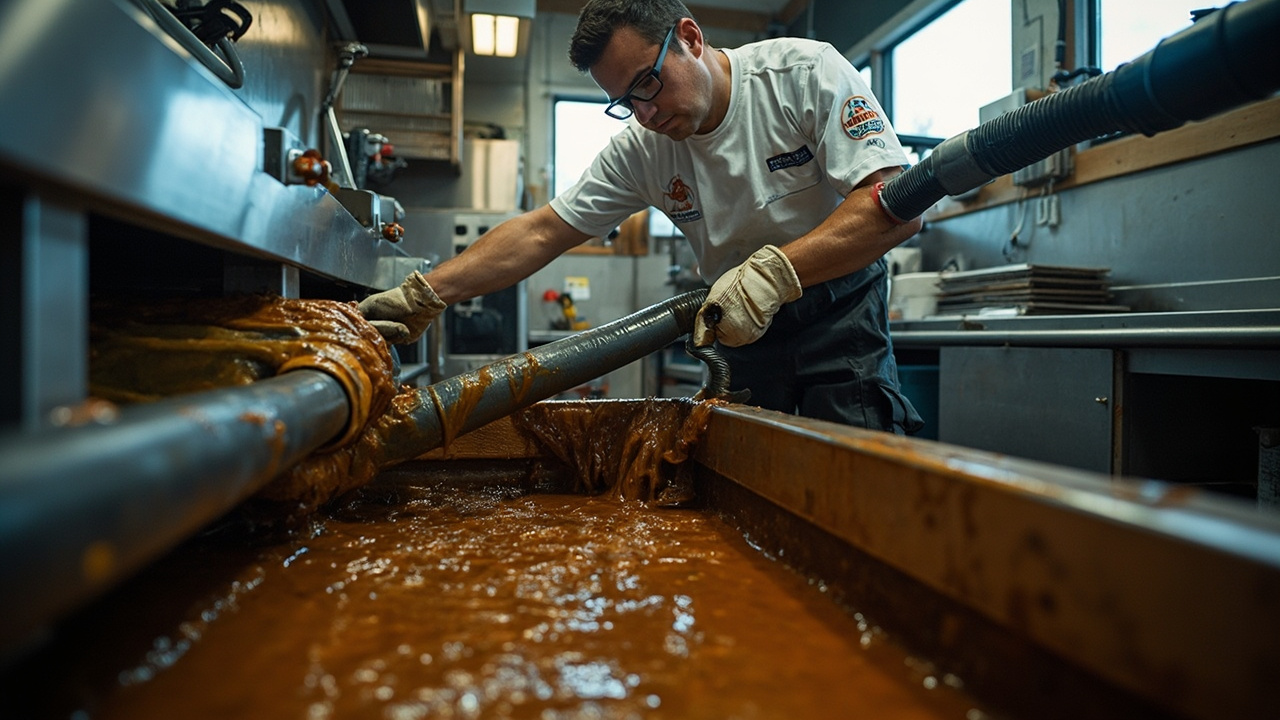
Raleigh ranks among the fastest-growing food service markets in the Southeast. The concentration of restaurants in districts like downtown, Glenwood South, and North Hills creates heavy demand on aging sewer infrastructure. The city's wastewater treatment plant processes millions of gallons daily, and FOG buildup in collection lines causes the majority of sanitary sewer overflows. When your grease trap fails, you contribute to systemwide blockages that can result in enforcement action from both the city and the state environmental agency. Regular commercial grease trap pumping protects your business and the municipal infrastructure you depend on.
Wake County's health inspection system operates on a risk-based model. High-volume food service establishments face unannounced inspections at least twice per year. Inspectors review your grease trap maintenance logs during every visit. If your documentation shows gaps or inconsistent service intervals, you receive a violation even if the trap appears functional at the time of inspection. Ironwood Plumbing Raleigh understands these local enforcement protocols because we serve hundreds of food service operators across the metro. Our service schedules align with inspection expectations, and our documentation meets county standards without requiring additional formatting or data entry on your part.