




Menu

Discolored or Rusty Water in Raleigh – Fast Diagnosis and Permanent Solutions

When your faucets run brown or yellow, you need answers fast. Our plumbers diagnose the exact source of discolored or rusty water in Raleigh homes and deliver lasting fixes that restore safe, clear water to every tap.

Slider Image 1
Slider Image 2
Slider Image 3
Slider Image 4
Slider Image 5
Slider Image 7
Slider Image 8
Slider Image 9
Slider Image 10
Slider Image 11

Why Raleigh Homes Get Brown Tap Water and Rusty Colored Water

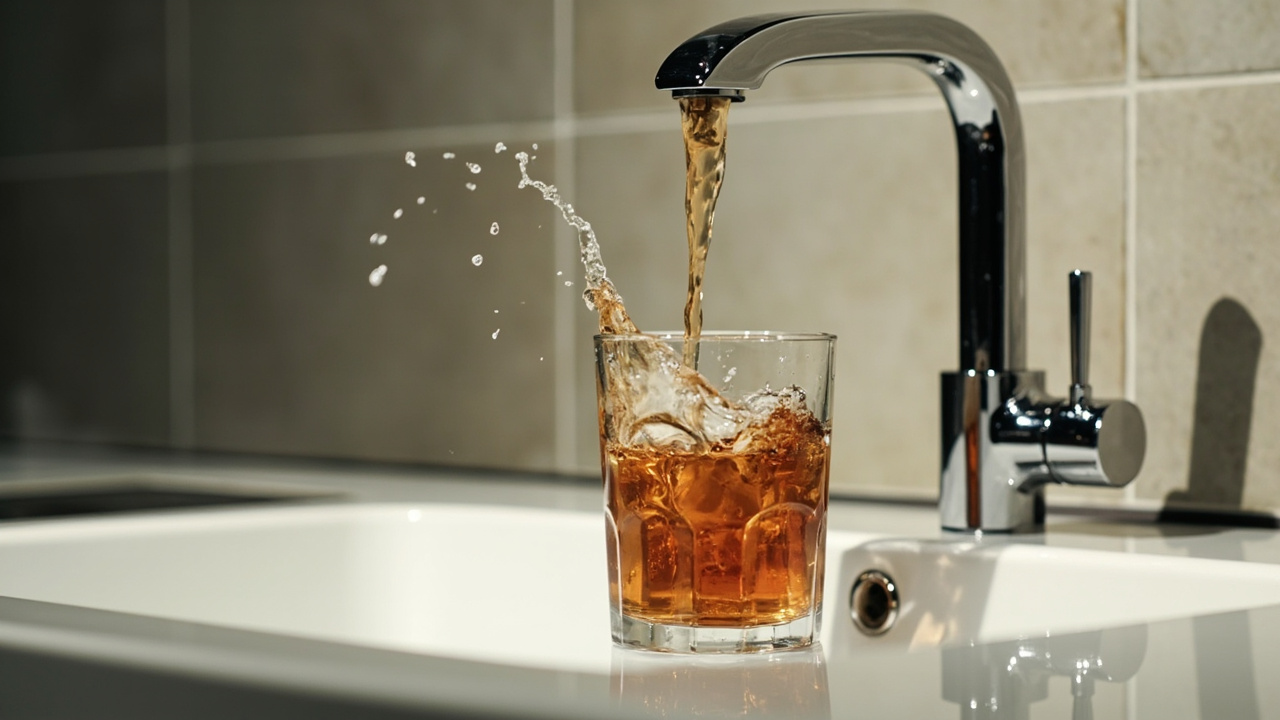
You turn on the faucet expecting clear water, but instead you get brown tap water or yellow water from the faucet. It happens more often in Raleigh than you think, and it is not just unsightly. It signals a problem in your plumbing system or your municipal supply line.

Raleigh sits on dense clay soil that shifts with seasonal rain and drought cycles. This movement puts stress on underground water mains and corrodes aging galvanized pipes. When those pipes deteriorate, iron particles leach into your water supply. The result is rusty colored water, reddish water from pipes, or discolored hot water that stains sinks and laundry.

The Triangle region also experiences sudden temperature swings during spring and fall. These shifts cause thermal expansion in hot water lines, which accelerates corrosion inside water heaters and supply pipes. If you only see discolored hot water, your water heater is likely the culprit. If both hot and cold taps run brown, the problem is deeper in your system or at the street connection.

Old homes in neighborhoods like Oakwood, Cameron Park, and Mordecai often have original galvanized steel pipes that are decades past their service life. These pipes rust from the inside out. New construction is not immune either. Sediment buildup in water heaters, recent municipal main breaks, or construction work nearby can all kick up rusty colored water temporarily or signal a more serious issue.

Clear water is not optional. Discolored water can carry bacteria, heavy metals, and mineral deposits that damage appliances and pose health risks. You need to know the source before the problem spreads.

Why Raleigh Homes Get Brown Tap Water and Rusty Colored Water
How We Diagnose and Fix Discolored or Rusty Water

How We Diagnose and Fix Discolored or Rusty Water

Most plumbers guess at the cause. We test, measure, and confirm. Our diagnostic process starts with isolating the source. Is the problem at the street, in your supply lines, or inside your water heater? We check service line pressure, test water samples at multiple fixtures, and inspect your water heater anode rod and sediment levels.

If you have yellow water from the faucet only when you run hot water, we drain and flush your water heater tank. Sediment and rust accumulate at the bottom of the tank over time. Flushing removes the buildup and restores clear hot water. If the anode rod is depleted, we replace it to prevent future corrosion.

When both hot and cold taps run reddish water from pipes, the problem is upstream. We inspect your main shutoff valve, pressure regulator, and the condition of your supply lines. Galvanized pipes corrode from the inside, and once that process starts, it does not stop. We camera-inspect pipes when needed to see the extent of interior corrosion without tearing into walls.

If the discolored water appears suddenly after a municipal water main repair or during high-demand periods, the issue may be temporary sediment disturbance. We flush your lines and install sediment filters or whole-house filtration systems to prevent recurrence.

For homes with chronic brown tap water, we recommend repiping with copper or PEX. Modern materials do not corrode, and they eliminate the source of the problem permanently. Ironwood Plumbing Raleigh uses camera diagnostics, water quality testing, and pressure flow analysis to give you the real answer, not a Band-Aid fix. We explain what is happening, why it is happening, and what it takes to fix it for good.

What Happens When We Investigate Your Water Discoloration

Discolored or Rusty Water in Raleigh – Fast Diagnosis and Permanent Solutions
01

Isolate the Source

We test water at multiple fixtures to determine if the discolored hot water is isolated to your water heater or if rusty colored water is coming from your main supply line. We check pressure, flow rate, and whether the problem is hot-side only or system-wide. This tells us where to focus the repair and eliminates guesswork before we open anything up.
02

Inspect and Test

We drain your water heater to check sediment levels and inspect the anode rod for corrosion. If the issue is in your supply lines, we use camera inspection tools to view pipe interiors without invasive demolition. We also test water quality for iron content, pH levels, and particulate contamination. This data drives the repair strategy and ensures we address the root cause, not just the symptom.
03

Repair or Replace

Once we identify the source, we execute the fix. That might mean flushing and replacing your anode rod, installing a sediment filter, or repiping corroded galvanized lines with modern materials. We test the water again after the repair to confirm clarity and quality. You get documentation of what we found, what we fixed, and what to monitor going forward so the problem does not return.

Why Raleigh Homeowners Trust Us With Water Quality Issues

Water discoloration is not a surface issue. It requires plumbing expertise, diagnostic tools, and familiarity with Raleigh's aging infrastructure. Many homes in Historic Oakwood, Boylan Heights, and Five Points still have original galvanized pipes installed in the 1940s and 1950s. Those pipes are corroding from the inside, and no amount of flushing will fix them.

We know Raleigh's water supply zones and how municipal main breaks affect residential lines. The city's distribution system serves over 400,000 people, and sections of the network date back decades. When the city flushes mains or repairs breaks, sediment gets kicked up and travels into home plumbing. We understand how those events create temporary brown tap water and how to clear it without damaging your fixtures.

Our plumbers carry water testing kits, sediment filters, camera inspection equipment, and replacement parts for every common water heater and supply line configuration. We do not schedule a second trip to get the right part. We arrive prepared to diagnose and fix the problem the same day.

Ironwood Plumbing Raleigh works with homeowners, property managers, and real estate agents throughout Wake County. We have cleared discolored water issues in older neighborhoods and new developments alike. We explain the problem in plain terms, show you the evidence, and give you options that fit your budget and your timeline.

You get honest answers, not upselling. If your water heater just needs a flush, we tell you. If your galvanized pipes are rusted through and repiping is the only permanent fix, we show you why. Trust matters when the problem is invisible and the stakes are your family's health and your home's plumbing integrity.

What to Expect When You Call Us About Discolored Water

Same-Day Response

We know you do not want to wait days to find out if your water is safe. We offer same-day service for water quality issues in Raleigh and the surrounding metro. Call before noon, and we will have a licensed plumber at your door that afternoon. We carry diagnostic tools and common repair parts on every truck, so most discolored water problems get resolved on the first visit without delays or follow-up appointments.

Thorough Water Testing

Our plumbers do not guess. We test water at multiple fixtures, measure iron content, check pH levels, and inspect sediment. We drain your water heater to see what is accumulating at the bottom of the tank. If needed, we use camera inspection to view the interior condition of your supply pipes. You get a clear explanation of what we found, why it is happening, and what it will take to fix it permanently.

Clear, Safe Water Restored

The goal is not just to flush the discolored water out of your taps. The goal is to eliminate the source so it does not come back. We repair or replace the components causing the contamination. Whether that means replacing a corroded anode rod, flushing sediment from your water heater, or installing a whole-house filter, you get water you can trust. We test again after the repair to confirm clarity and quality before we leave your home.

Preventative Maintenance Plans

Once we fix the immediate problem, we help you prevent it from recurring. We offer annual water heater flushing, anode rod inspection, and whole-house water filtration system maintenance. Regular maintenance catches sediment buildup and corrosion before it turns your tap water brown. We keep records of your system and send reminders when service is due so you never have to wonder if your water is still safe.

Frequently Asked Questions

You Have Questions,
We Have Answers

Is discolored water safe to drink? +

Discolored water is often safe to drink, but you should not assume it is. If the discoloration comes from municipal line flushing or construction in Raleigh, the rust particles themselves are not toxic. However, discolored water can signal corroded pipes, which may leach lead or other contaminants. If the issue persists beyond a few hours or appears suddenly without city notice, do not drink it. Run cold water for several minutes. If it stays discolored, contact a local plumber to test your water and inspect your pipes for corrosion or sediment buildup.

How to know if water is rusty? +

Rusty water appears brown, orange, or reddish. You will notice it immediately when you turn on your tap. The water may look cloudy or have visible sediment settling at the bottom of a glass. Rusty water often smells metallic or earthy. If only your hot water is discolored, your water heater is likely corroding inside. If both hot and cold water are rusty, the issue is in your supply pipes or the municipal line. In older Raleigh neighborhoods with galvanized pipes, rust buildup is common and requires professional pipe inspection.

Is it safe to drink rusty tap water? +

Drinking rusty tap water occasionally is not immediately dangerous. Rust particles are iron oxide, which your body can tolerate in small amounts. However, rusty water often indicates corroded pipes that may also leach lead, copper, or bacteria into your supply. This is especially risky in Raleigh homes built before 1986 with lead solder or older galvanized piping. Do not drink discolored water regularly. If rust persists, contact a plumber to test your water quality and inspect your plumbing. Children, pregnant women, and those with compromised immune systems should avoid rusty water entirely.

What does discolored water mean? +

Discolored water signals a problem in your plumbing or municipal supply. Brown or rusty water means iron corrosion from aging pipes or sediment disturbance. Yellow or green water can indicate pipe corrosion or algae growth. Black water suggests manganese or mold. In Raleigh, sudden discoloration often follows city water main repairs or line flushing. If the issue clears after running water for several minutes, it was likely temporary sediment. If discoloration persists, your pipes are corroding or your water heater has sediment buildup. A plumber can diagnose the source and recommend repairs or replacement.

Should I call a plumber for brown water? +

Yes, call a plumber if brown water persists beyond a few hours. If Raleigh Public Utilities has not issued a notice about line flushing or maintenance, the problem is in your home. Brown water signals corroded pipes, a failing water heater, or sediment buildup. These issues worsen over time and can contaminate your water with harmful metals. A licensed plumber can inspect your pipes, test water quality, and identify whether you need pipe replacement or water heater service. Do not wait. Corroded pipes can burst and cause expensive water damage in your home.

How to tell if you drank bad water? +

Symptoms of drinking contaminated water include nausea, stomach cramps, diarrhea, and vomiting. These symptoms usually appear within hours but can take up to 48 hours depending on the contaminant. You may also experience headaches, dizziness, or fatigue. If you drank rusty water and feel fine, you are likely safe. However, if you experience persistent gastrointestinal distress or notice discolored water regularly, see a doctor and have your water tested. Raleigh residents with older homes should test for lead, copper, and bacteria if discoloration is frequent. Children and pregnant women are most vulnerable.

What are the first signs of water poisoning? +

The first signs of water poisoning include nausea, vomiting, diarrhea, and abdominal cramps. You may also experience headaches, dizziness, fever, or dehydration. Symptoms depend on the contaminant. Bacterial contamination from rusty pipes causes gastrointestinal symptoms within hours. Lead poisoning develops slowly and causes fatigue, irritability, and cognitive issues. If you suspect water poisoning, drink bottled water immediately and contact your doctor. Have your water tested by a licensed plumber in Raleigh. Document your symptoms and any recent changes to your water appearance, taste, or smell. Do not ignore warning signs in children or elderly family members.

Can I shower in rusty water? +

You can shower in rusty water, but it is not ideal. Rust particles will not harm your skin, but they can stain towels, tubs, and fixtures. Rusty water may dry out your skin and hair, leaving them feeling rough or discolored. However, if the rust comes from corroded pipes, your water may also contain bacteria or lead. Avoid swallowing shower water. If you notice skin irritation or respiratory issues, stop using the water and call a plumber. In Raleigh, older homes with galvanized pipes often experience rusty water that requires pipe replacement.

What color is rust in water? +

Rust in water appears brown, orange, or reddish. The intensity of the color depends on how much iron oxide is present. Light rust looks pale yellow or tan. Heavy rust turns water dark brown or muddy. Rust particles may settle at the bottom of a glass, leaving visible sediment. If your water looks rusty only when you first turn on the tap and clears after a few seconds, the rust is localized in your fixtures. If it stays discolored, your pipes are corroding. Raleigh homes with older galvanized plumbing commonly experience persistent rusty water.

Why is my tap water suddenly brown? +

Sudden brown water in Raleigh usually means sediment disturbance from municipal line work, water main breaks, or pressure changes. If the city has not issued a notice, the problem is in your home. Corroded galvanized pipes, a failing water heater, or sediment buildup in your supply line can all cause sudden discoloration. If the water clears after running cold water for five minutes, the issue was temporary. If it persists, your pipes are corroding or your water heater needs flushing. Contact a licensed plumber to inspect your system and prevent further contamination or pipe failure.

How Raleigh's Clay Soil and Aging Infrastructure Cause Rusty Water

Raleigh sits on dense Piedmont clay soil that expands and contracts with seasonal rainfall. This movement stresses underground water mains and corrodes galvanized service lines that connect homes to the municipal supply. When those pipes deteriorate, iron particles leach into your water, causing rusty colored water and yellow water from the faucet. Older neighborhoods like Oakwood and Mordecai still have original galvanized pipes from the 1940s and 1950s. Those pipes are rusting from the inside out, and the problem worsens with every rain cycle and drought period that shifts the soil around them.

Raleigh's municipal water system serves over 400,000 residents, and sections of the distribution network are decades old. When the city performs main repairs or flushes lines, sediment gets kicked up and travels into home plumbing. Choosing a plumber who understands Raleigh's infrastructure and soil conditions ensures accurate diagnosis and the right fix. Ironwood Plumbing Raleigh has worked throughout Wake County and knows how local conditions affect your water quality. We explain the connection between what is happening at the street level and what is coming out of your faucet so you can make informed decisions about repairs.

Plumbing Services in The Raleigh Area

We are proud to serve the entire Raleigh community and surrounding areas, bringing our trusted plumbing services directly to your doorstep. You can find our main office location on the map below. We are committed to providing fast response times and expert service, no matter where you are located within our service area. If you're unsure if we service your neighborhood, simply give us a call!

Address:
Ironwood Plumbing Raleigh, 4108 Atlantic Ave, Raleigh, NC, 27604

Additional Services We Offer

Our news updates

Latest Articles & News from The Blogs

Essential Tips for Maintaining Your Garbage Disposal During the Busy Holiday Season in Cary Your garbage disposal works hard year-round…

Essential Tips for Maintaining Your Garbage Disposal During the Busy Holiday Season in Cary

Essential Tips for Maintaining Your Garbage Disposal During the Busy Holiday Season in Cary Your garbage disposal works hard year-round…

Why Your Fridge Water Filter Might Be Slowing Down the Flow to Your Ice Maker

Why Your Fridge Water Filter Might Be Slowing Down the Flow to Your Ice Maker\n\nYour fridge is running slow and…

Designing a Laundry Room for Multi-Generational Living in Your Rolesville Property

Designing a Laundry Room for Multi-Generational Living in Your Rolesville Property Multi-generational living in Rolesville means creating spaces that work…

Contact Us

Do not wait to find out why your water is discolored. Call Ironwood Plumbing Raleigh at (984) 294-6422 now for same-day service. We will diagnose the source, explain your options, and restore safe, clear water to your home.