




Menu

Wet Spots in Yard Raleigh – Expert Underground Leak Detection and Repair

Soggy patches in your lawn signal serious underground water line damage. Ironwood Plumbing Raleigh uses acoustic detection and pressure testing to locate hidden leaks before they destroy your foundation or spike your water bill.

Slider Image 1
Slider Image 2
Slider Image 3
Slider Image 4
Slider Image 5
Slider Image 7
Slider Image 8
Slider Image 9
Slider Image 10
Slider Image 11

Why Your Raleigh Lawn Stays Saturated Even When It Hasn't Rained

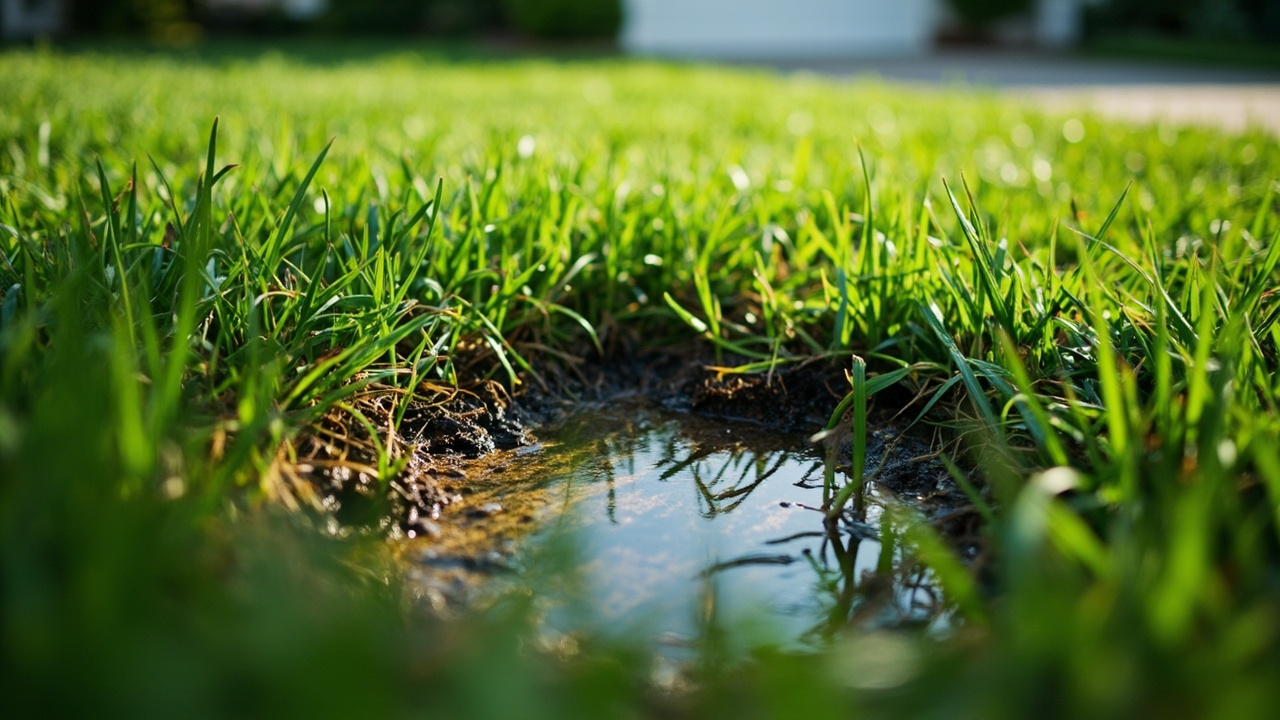
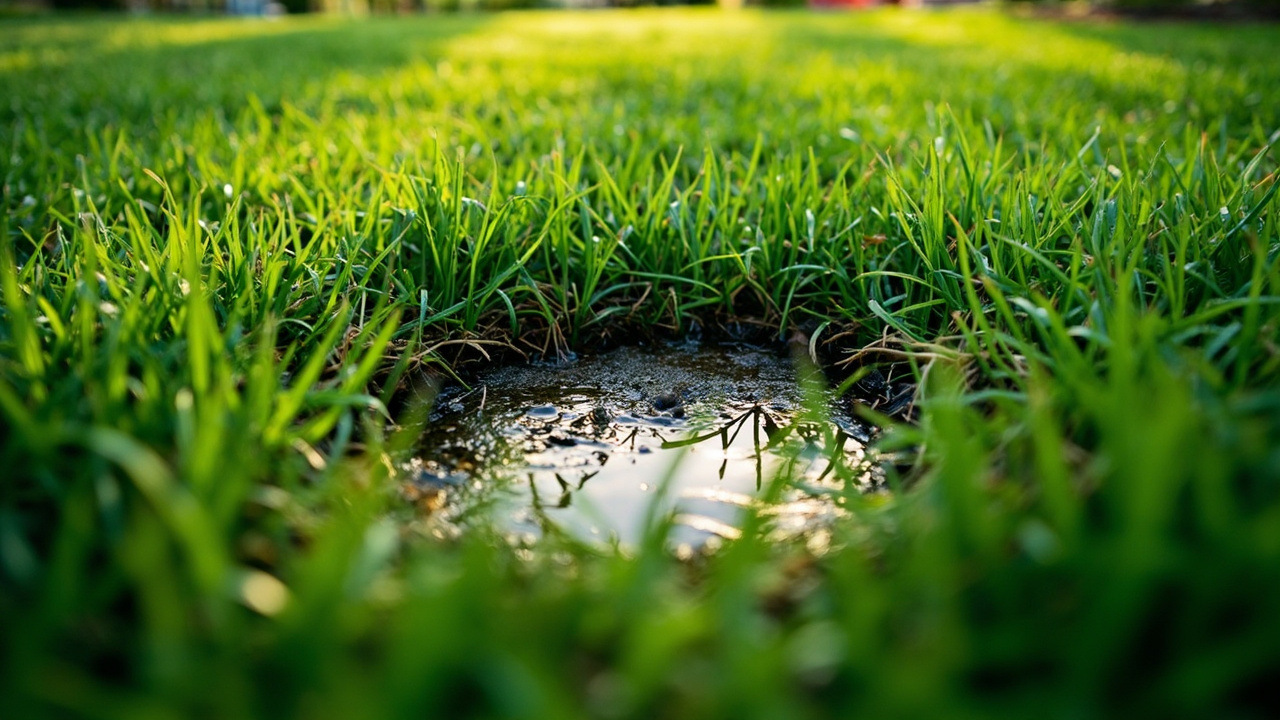
You walk across your yard and feel the squish. Soggy patches in lawn areas that should be dry. Pooling water in yard sections far from any sprinkler head. Your neighbors have green grass. You have saturated areas in grass that never dry out.

This is not a drainage problem. This is a broken water line.

Raleigh sits on clay soil that shifts with seasonal moisture changes. When temperatures swing from 30 degrees in January to 90 in July, the ground expands and contracts. Underground pipes crack at joints. Corrosion eats through galvanized steel lines installed in the 1970s and 1980s. Tree roots from the oaks and pines common in neighborhoods like Mordecai and Five Points invade sewer laterals and water mains.

The result is unexplained standing water that appears in the same spot every day. You might see damp spots in lawn areas near your foundation or sidewalk. The grass grows taller and greener in one section because it gets constant irrigation from below. Your water bill climbs even though your usage habits have not changed.

Homeowners ignore these signs for months. They blame rain. They think their yard just has poor drainage. But Raleigh gets 46 inches of rain per year spread across the calendar. If your yard stays wet for weeks during a dry spell, you have a leak. The clay soil traps the water near the surface instead of letting it percolate down. This creates the classic saturated zone that signals an underground break.

Every day you wait, you waste hundreds of gallons. The leak erodes soil under your driveway. It destabilizes your foundation. It creates the perfect environment for mosquitoes and fungal growth.

Why Your Raleigh Lawn Stays Saturated Even When It Hasn't Rained
How We Find and Fix Hidden Water Line Breaks Under Your Property

How We Find and Fix Hidden Water Line Breaks Under Your Property

Most plumbers show up with a shovel and start guessing. They dig three holes before they find the leak. You pay for the labor and the yard repair.

We use acoustic leak detection equipment that listens for the specific frequency of water escaping under pressure. The device amplifies the sound of turbulence as water sprays into surrounding soil. We walk your property with headphones and a ground sensor. We mark the exact location of the break with spray paint before we ever touch a shovel.

For deeper lines or quieter leaks, we use pressure testing and tracer gas injection. We isolate sections of your water line, pressurize them, and monitor for pressure drops. If the line loses PSI, we know there is a breach in that segment. Tracer gas is lighter than air and migrates up through soil. We use a sniffer probe to detect where the gas emerges at ground level. This pinpoints leaks under concrete or asphalt where acoustic methods struggle.

Once we locate the break, we evaluate the pipe material and condition. If you have galvanized steel that is 40 years old, patching one spot makes no sense. The entire line is degrading. We recommend a full replacement using PEX or HDPE pipe that resists corrosion and flexes with soil movement.

For isolated breaks in newer copper or PVC lines, we excavate only the damaged section. We cut out the cracked joint or corroded segment. We install a new coupling or compression fitting. We pressure test the repair to 150 PSI to confirm there are no secondary leaks. Then we backfill with clean fill dirt, compact it in six-inch lifts, and restore your lawn.

We do not patch leaks with epoxy or tape. Those are temporary fixes that fail within months. We make permanent repairs that stop the water loss and prevent recurrence.

What Happens When You Call About Wet Spots

Wet Spots in Yard Raleigh – Expert Underground Leak Detection and Repair
01

Initial Site Assessment

We arrive within the scheduled window and walk your property with you. You show us the soggy areas. We check your water meter to see if it is spinning when no fixtures are running. If the meter moves, you have an active leak. We inspect for secondary signs like foundation cracks, settling pavement, or unusually lush grass. This gives us a preliminary diagnosis before we deploy detection equipment.
02

Leak Detection and Mapping

We use acoustic sensors and pressure testing to locate the exact leak point. We map your entire water line from the meter to the house. We identify the pipe material, depth, and routing. We mark the leak location and any secondary concerns like corroded fittings or root intrusion. You get a full report with photos and a written estimate before we start any excavation.
03

Excavation and Permanent Repair

We dig only where necessary. We expose the damaged section, cut out the compromised pipe, and install a new segment or full line replacement. We pressure test the repair to confirm it holds under full system pressure. We backfill, compact, and restore your yard to pre-dig condition. You get a dry lawn, a lower water bill, and a repair that lasts decades.

Why Raleigh Homeowners Choose Local Expertise for Underground Leaks

National franchise plumbers do not understand Raleigh soil conditions. They do not know that the red clay in our area holds water near the surface. They do not account for the freeze-thaw cycles we get in January and February that crack shallow lines. They do not recognize the oak and pine root patterns that invade water mains in established neighborhoods.

Ironwood Plumbing Raleigh has repaired underground leaks in every neighborhood from Oakwood to North Hills. We know that homes built in the 1950s and 1960s near downtown have galvanized steel lines that corrode from the inside. We know that developments from the 1980s in Cary and Apex used PVC schedule 40 that becomes brittle after 30 years of sun exposure where it exits the ground. We know that new construction in the Research Triangle Park area uses PEX that resists freezing but fails at brass fittings if not installed correctly.

We also understand local code requirements. Raleigh requires backflow prevention on irrigation systems. If your wet spot is near a sprinkler zone, we check the backflow preventer for failure. We know that Wake County requires a permit for water line replacement if the work affects public right of way. We handle the paperwork.

You are not hiring a technician who learned plumbing in Phoenix and transferred here last month. You are hiring a team that has dug in Raleigh clay for years. We know where the rock layers are. We know the water table depth. We know which streets have shallow utilities that complicate excavation.

We also maintain relationships with local landscapers and concrete contractors. If we need to cut through your driveway or restore sod, we coordinate with trusted partners who do the finish work correctly. You get one point of contact and a seamless repair process.

This is not a sales pitch. This is a statement of fact. Local knowledge prevents mistakes. It speeds up diagnosis. It reduces the cost of repair because we do not waste time learning your property on your dime.

What to Expect When We Repair Your Underground Water Line

Same-Day Leak Detection Available

We offer same-day service for leak detection in most cases. If you call in the morning, we can arrive by early afternoon. Emergency situations like flooding near your foundation or water pooling into your crawl space get priority dispatch. Detection typically takes one to two hours depending on property size and pipe depth. You get a written report and estimate before the end of the visit. If you approve the repair, we can often complete simple fixes the same day. Full line replacements require excavation equipment and may start the following morning.

Detailed Pre-Excavation Inspection

We do not dig blind. We use 811 utility location services to mark all underground electric, gas, and telecom lines. We review your property survey if available. We check for septic tanks, irrigation zones, and buried downspout drains that complicate excavation. We photograph the site before we start. This protects you and us. You see exactly what we found and why we chose a specific repair approach. We explain whether you need a spot repair or full line replacement. We discuss pipe material options and why PEX or HDPE may outlast copper in Raleigh soil conditions.

Pressure-Tested Repairs That Last

Every repair gets pressure tested to 150 PSI before we backfill. This exceeds typical residential water pressure by 50 percent. We leave the line pressurized for 15 minutes and monitor for any drop. If the repair holds, you have a permanent fix. We backfill with clean fill dirt in compacted layers. We do not throw the dirt back in one pile. That creates voids that collapse and leave a depression in your yard. We restore the grade to match surrounding areas. If we cut sod, we relay it or coordinate with a landscaper to install new turf.

Post-Repair Monitoring Guidance

We do not offer warranties on underground repairs because soil movement and root intrusion are beyond our control. However, we do provide guidance on monitoring your water meter and watching for recurring wet spots. We recommend checking your meter dial every few months when no water is running. If it moves, you have a new leak. We also suggest trimming tree roots near water lines and avoiding heavy vehicle traffic over shallow pipes. If you experience a new leak within the first year, we return to diagnose at no additional inspection charge. You pay only for the new repair if needed.

Frequently Asked Questions

You Have Questions,
We Have Answers

Why is there a sudden wet spot in my yard? +

A sudden wet spot usually signals a broken water line, leaking sewer pipe, or failed sprinkler zone. Raleigh's clay-heavy soil expands and contracts with moisture changes, which stresses underground pipes and causes fractures. If the spot stays wet even during dry weather, you likely have an active leak. Check your water meter when no fixtures are running. If it still moves, you have a leak somewhere in your system. Tree roots from Raleigh's mature oak and pine canopy can also crack pipes as they search for water. Act quickly. Leaks waste thousands of gallons and can undermine your foundation.

How to fix wet spots in yard? +

Fixing wet spots depends on the source. For a broken water line, shut off your main valve and call a licensed plumber immediately. Raleigh's clay soil makes DIY pipe repair risky because improper excavation can collapse the trench. For poor drainage, you may need French drains or regrading to redirect water away from low areas. If a sprinkler head is leaking, replace the valve or head. Persistent wet spots near your foundation can cause structural damage, especially in Raleigh's soil conditions. A plumber can use video inspection to diagnose underground issues without tearing up your entire yard first.

How to fix water runoff in yard? +

Fixing water runoff requires redirecting flow away from problem areas. Start by identifying where water collects during Raleigh's heavy spring and summer storms. Install a French drain with perforated pipe and gravel in a trench along the runoff path. Regrade slopes to direct water toward street drains or dry wells. Downspouts should extend at least six feet from your foundation. Rain gardens with native plants can absorb excess water naturally. For severe runoff issues near driveways or hardscapes, consider channel drains. Raleigh's clay soil has poor absorption, so surface solutions often work better than underground drainage alone.

How to fix a muddy spot in yard? +

Muddy spots form when water saturates clay soil and cannot drain. First, check for leaking pipes or sprinkler heads. If the area stays muddy only after rain, you have a drainage problem. Improve the spot by removing six inches of muddy soil and replacing it with a mix of topsoil and coarse sand. Install a catch basin or dry well to collect standing water. For high-traffic areas, consider laying permeable pavers over compacted gravel. Raleigh's humid climate keeps soil moist longer, so improving drainage is critical. Aerating your lawn twice yearly also helps water penetrate compacted clay instead of pooling on top.

How to find a water leak without digging? +

You can locate leaks without digging by monitoring your water meter. Turn off all fixtures and appliances. If the meter dial moves, you have a leak. Listen for hissing sounds near your foundation or crawlspace. Walk your yard and feel for unusually warm or cold spots, which indicate water flow underground. Check for greener grass patches or sinkholes forming. Professional plumbers use electronic leak detection equipment that sends acoustic signals through pipes to pinpoint fractures within inches. In Raleigh, video camera inspection through your cleanout lets you see cracks or root intrusion without excavating. This saves your landscaping and cuts repair costs significantly.

Does homeowners insurance cover main water line leak? +

Most homeowners insurance policies do not cover gradual water line leaks or maintenance issues. If a sudden, accidental break occurs, you may get partial coverage for water damage to your home's interior, but not the pipe repair itself. Policies typically exclude damage from neglect, wear, or tree root intrusion. Raleigh homeowners should review their policy for specific water line coverage or consider adding a rider. Some insurers offer optional service line coverage for an extra premium. Document the leak with photos and contact your agent immediately after discovery. Keep repair receipts. Prevention through regular inspections saves more than insurance claims ever will.

Why is part of my lawn always wet? +

A persistently wet lawn section points to a hidden leak, poor drainage, or underground spring. Raleigh's clay soil traps water in low spots, creating swampy conditions. If the wet area stays soggy even during dry weeks, you likely have a leaking water line or sewer pipe. Tree roots from mature hardwoods can crack pipes and cause slow seepage. Broken sprinkler laterals also create constant moisture. Check your water bill for unexplained spikes. Use your meter test to confirm a leak. If drainage is the issue, French drains or regrading can help. Ignoring chronic wet spots invites mosquitoes and damages grass roots.

What is the rule of 3 in landscaping? +

The rule of three in landscaping suggests grouping plants in odd numbers for visual balance. Plant three shrubs together instead of two or four. Use three different heights or textures to create depth. This principle applies to flower beds, container arrangements, and hardscape features. While this rule guides aesthetic design, it has nothing to do with wet yard issues or plumbing problems. If you are researching wet spots in your Raleigh lawn, focus on drainage solutions and leak detection instead. Proper grading and functional drainage matter more than plant groupings when water pools in your yard. Fix the water issue before you landscape.

Should you still water your lawn in October? +

In Raleigh, you can reduce watering in October as temperatures drop and rainfall increases. Warm-season grasses like Bermuda and Zoysia go dormant in fall and need less water. Cool-season fescue may need occasional watering if October stays dry, but typically fall rains provide enough moisture. Water deeply once per week if rainfall is under one inch. Overwatering in fall promotes fungal diseases in Raleigh's humid climate. If you have wet spots in October without watering, you likely have a leak or drainage problem. Check your irrigation system for broken heads or valves before winter to prevent freeze damage.

How to fix a poorly draining yard? +

Fixing poor drainage starts with identifying where water collects. Raleigh's heavy clay soil resists absorption, so surface solutions work best. Install French drains along problem areas with perforated pipe surrounded by gravel. Regrade your yard to slope away from your foundation at least six inches over ten feet. Add catch basins in low spots to collect runoff. Amend soil with compost and coarse sand to improve permeability. For severe issues, consider a dry well or underground detention system. Redirect downspouts and sump pump discharge away from your home. A professional grading plan prevents water from pooling and protects your foundation long-term.

How Raleigh Clay Soil Accelerates Water Line Failure

Raleigh sits on Piedmont clay that swells when wet and shrinks when dry. This expansion and contraction puts stress on rigid pipe materials like copper and PVC. A pipe that sits stable for 20 years can crack at a joint during a single drought-to-deluge cycle. The clay also holds moisture against metal pipes, which accelerates corrosion on galvanized steel and copper. Homes near Crabtree Creek or Walnut Creek have higher water tables that keep soil saturated year-round. This creates constant pressure on pipes and fittings. If you have soggy patches in lawn areas near these waterways, you are dealing with a combination of high groundwater and compromised pipe integrity.

Raleigh code requires licensed plumbers for all water line work that connects to the municipal supply. This protects you from unlicensed handymen who make surface repairs without understanding pressure dynamics or backflow risks. Ironwood Plumbing Raleigh maintains full licensing and stays current on local amendments to the North Carolina Plumbing Code. We also understand the permit process for work in public easements. If your water line runs under a city sidewalk or right of way, we handle the coordination with Raleigh Public Utilities. You do not navigate bureaucracy alone.

Plumbing Services in The Raleigh Area

We are proud to serve the entire Raleigh community and surrounding areas, bringing our trusted plumbing services directly to your doorstep. You can find our main office location on the map below. We are committed to providing fast response times and expert service, no matter where you are located within our service area. If you're unsure if we service your neighborhood, simply give us a call!

Address:
Ironwood Plumbing Raleigh, 4108 Atlantic Ave, Raleigh, NC, 27604

Additional Services We Offer

Our news updates

Latest Articles & News from The Blogs

Essential Tips for Maintaining Your Garbage Disposal During the Busy Holiday Season in Cary Your garbage disposal works hard year-round…

Essential Tips for Maintaining Your Garbage Disposal During the Busy Holiday Season in Cary

Essential Tips for Maintaining Your Garbage Disposal During the Busy Holiday Season in Cary Your garbage disposal works hard year-round…

Why Your Fridge Water Filter Might Be Slowing Down the Flow to Your Ice Maker

Why Your Fridge Water Filter Might Be Slowing Down the Flow to Your Ice Maker\n\nYour fridge is running slow and…

Designing a Laundry Room for Multi-Generational Living in Your Rolesville Property

Designing a Laundry Room for Multi-Generational Living in Your Rolesville Property Multi-generational living in Rolesville means creating spaces that work…

Contact Us

Call (984) 294-6422 now for same-day leak detection in Raleigh. We locate the break, explain your options, and provide a written estimate before any excavation. Stop guessing. Get answers.