




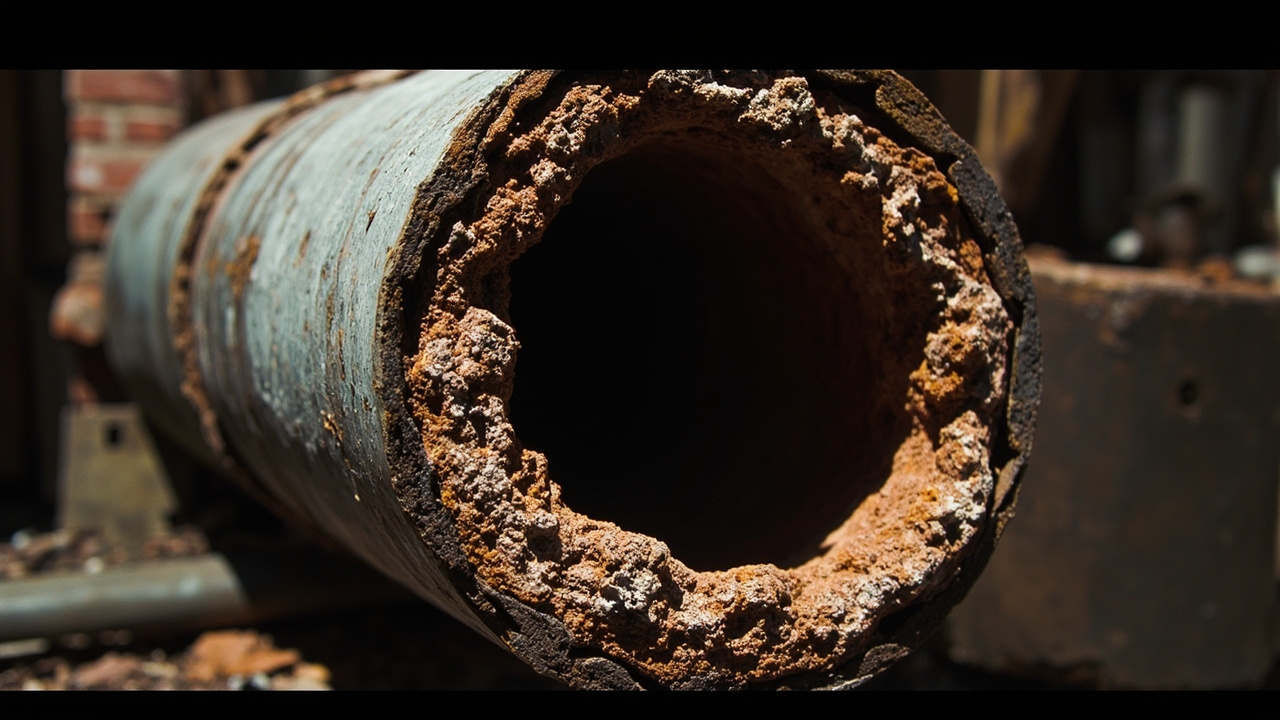
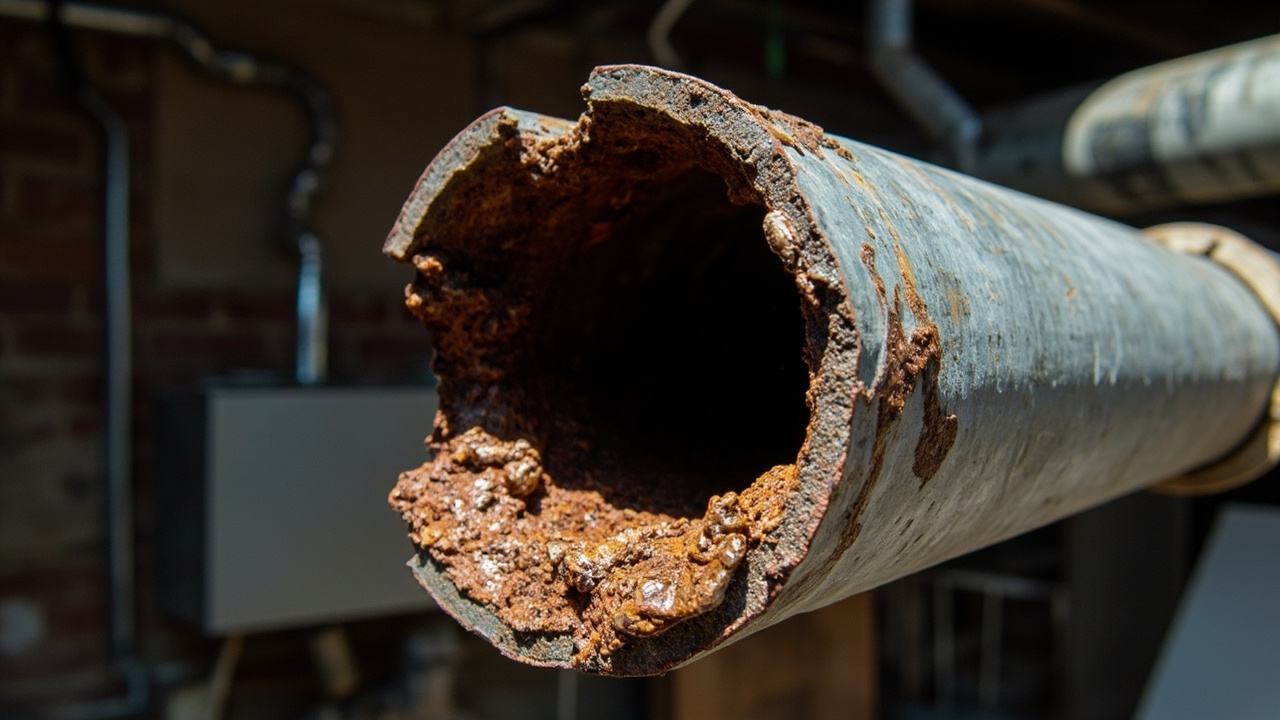
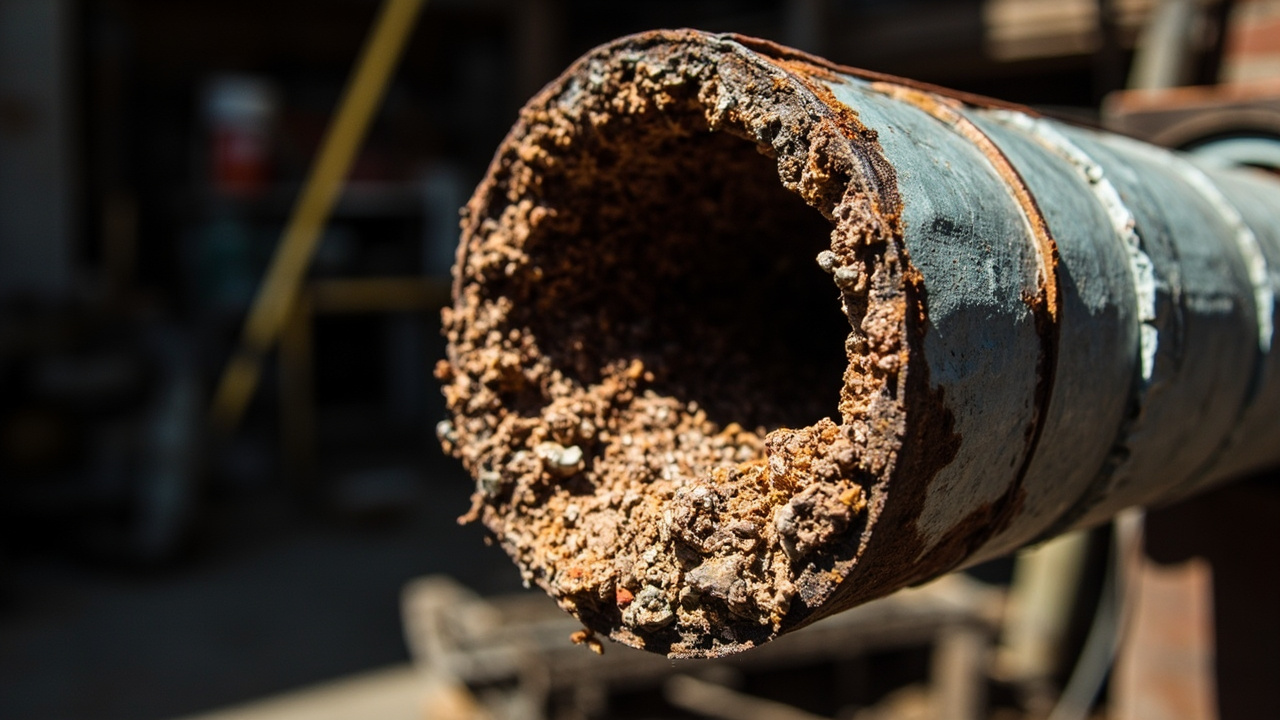
The Neuse River Basin, which feeds Raleigh's water supply, contains dissolved limestone and calcium-rich runoff from agricultural areas upstream. While the city treats this water to EPA standards, it does not remove all dissolved minerals. Your water measures 3-7 grains per gallon hardness, enough to cause calcium buildup in water lines over time. Homes near Lake Johnson and in older neighborhoods south of downtown experience faster buildup because they often have original galvanized pipes with rough interior surfaces. When your water heater cycles, dissolved calcium precipitates out and bonds to these rough surfaces. Each cycle adds another layer. Within a decade, limescale accumulation in plumbing can reduce your pipe diameter by 30 percent or more.
Ironwood Plumbing Raleigh has cleaned sediment from supply lines in every neighborhood across the Triangle. We understand which subdivisions used which pipe materials during different construction eras. We know that homes built before 1960 in Oakwood and Mordecai have galvanized steel that corrodes faster when combined with hard water pipe scaling. We know that 1980s construction in North Hills used copper with lead-based solder, requiring careful pressure control during hydrojetting. This local knowledge prevents damage and ensures effective sediment removal. When you hire a plumber who knows Raleigh's infrastructure, you get solutions tailored to your specific pipes, not generic methods that may cause more harm than good.