





Menu

Water Heater Maintenance Tips in Raleigh | Prevent Sediment Buildup and Extend Tank Life

Learn how to maintain your water heater in Raleigh's hard water conditions with expert preventative water heater maintenance strategies that reduce sediment accumulation, improve energy efficiency, and add years to your hot water tank's lifespan.

Slider Image 1
Slider Image 2
Slider Image 3
Slider Image 4
Slider Image 5
Slider Image 7
Slider Image 8
Slider Image 9
Slider Image 10
Slider Image 11

Why Water Heater Maintenance Matters More in Raleigh's Hard Water Environment

Raleigh's municipal water supply pulls from Falls Lake and other regional sources with naturally high mineral content. The calcium and magnesium in this hard water accelerate sediment accumulation at the bottom of your tank. Over time, this mineral layer insulates the heating element from the water, forcing your system to work longer and harder to reach temperature. You see this as higher electric bills and slower recovery times when multiple showers run back-to-back.

Most homeowners in the Five Points and Oakwood neighborhoods ignore hot water heater upkeep until they notice rust-colored water or a banging noise during heating cycles. By then, the damage has progressed beyond simple flushing. A water heater care checklist performed twice yearly catches these issues before they cascade into emergency replacements.

The clay soil common throughout Wake County also contributes to foundation shifts that stress water line connections. When your tank inlet develops a slow leak from this movement, you introduce oxygenated water that accelerates interior tank corrosion. Preventative water heater maintenance includes inspecting these connections and the temperature-pressure relief valve for early wear indicators.

Summer humidity in Raleigh creates condensation on cold water supply lines, which can drip onto electrical components or gas control valves. A hot water tank maintenance routine includes checking for moisture intrusion that compromises safety mechanisms. Following a water heater maintenance schedule adapted to Raleigh's climate and water chemistry protects your investment and maintains consistent performance.

Why Water Heater Maintenance Matters More in Raleigh's Hard Water Environment
The Core Components of Effective Hot Water Tank Maintenance

The Core Components of Effective Hot Water Tank Maintenance

Effective water heater care starts with understanding the relationship between your anode rod and tank longevity. This sacrificial metal component attracts corrosive elements that would otherwise attack the steel tank lining. In Raleigh's hard water, anode rods degrade faster than in soft water regions. You should inspect the rod annually and replace it when more than six inches of the core wire is exposed. This single action can double your tank's functional life.

Tank flushing removes the sediment layer that forms from mineral precipitation. You connect a garden hose to the drain valve, open the valve, and let water run until it flows clear instead of cloudy with white particles. For Raleigh homes, this process should happen every six months. If you wait longer, the sediment can harden into a cement-like layer that resists flushing and requires professional descaling equipment.

Temperature-pressure relief valve testing confirms your primary safety mechanism works correctly. You lift the test lever to allow a small amount of water to discharge through the overflow pipe. If water does not flow freely or continues dripping after you release the lever, the valve needs replacement. This component prevents dangerous pressure buildup that can rupture the tank.

Thermal expansion tanks installed on the cold water inlet protect your system from pressure spikes when water heats and expands. Raleigh's building code requires these on closed-loop systems with backflow preventers. Check the air pressure in the expansion tank annually using a tire pressure gauge. The correct pressure should match your home's water pressure minus five PSI. Low pressure allows the bladder inside to fail prematurely.

What a Complete Water Heater Inspection Looks Like

Water Heater Maintenance Tips in Raleigh | Prevent Sediment Buildup and Extend Tank Life
01

Visual Safety Assessment

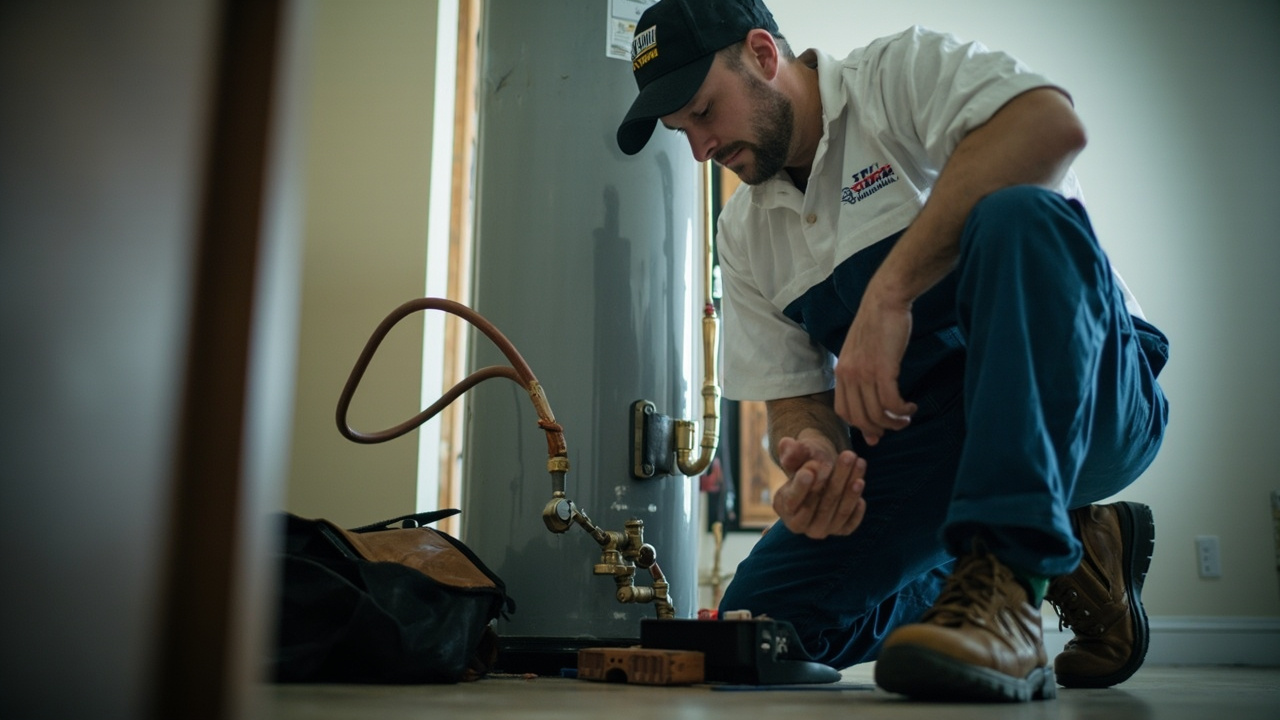
The inspection begins with a safety check of the area around your water heater. We look for proper clearance from combustible materials, verify the temperature-pressure relief valve discharge pipe terminates within six inches of the floor, and confirm gas units have adequate combustion air supply. We also examine the tank exterior for rust stains, active leaks at pipe connections, and corrosion on the flue pipe or draft hood that indicates incomplete combustion.
02

System Performance Testing

We test the actual temperature at your hot water taps and compare it to the thermostat setting. A significant variance indicates sediment buildup or a failing heating element. For gas units, we verify proper burner ignition, inspect the flame pattern for yellow tips that indicate incomplete combustion, and test the flue draft with a smoke pencil. We measure the amp draw on electric elements to detect early failure patterns before they leave you without hot water.
03

Documentation and Recommendations

After completing the physical inspection and performance tests, we document our findings with photos of any concerns. You receive a written report that identifies which components need immediate attention, which require monitoring, and which are in good condition. We provide a prioritized maintenance schedule specific to your tank's age, water quality, and usage patterns. This lets you plan for future service needs instead of facing unexpected failures.

Why Raleigh Homeowners Choose Ironwood Plumbing for Water Heater Maintenance

Raleigh's water chemistry creates specific maintenance challenges that generic service checklists do not address. We understand how the mineral content from Falls Lake affects anode rod degradation rates and sediment accumulation patterns. Our technicians adjust maintenance intervals based on your specific water source and household usage, not arbitrary calendar dates.

The neighborhoods surrounding NC State University have a mix of older homes with original 40-gallon atmospheric vent units and newer construction with power-vented or tankless systems. Each design requires different inspection protocols. We work on the cast iron gas valves found in 1980s-era tanks and the electronic ignition systems in current models. This breadth of experience means we recognize early failure signs that less experienced technicians miss.

Wake County's recent adoption of stricter expansion tank requirements on all water heater replacements means many homes have these components without understanding their function. We educate homeowners on how to maintain their complete hot water system, not just the tank itself. When we find an expansion tank with failed air charge, we explain why this seemingly minor issue can damage your water heater and create leaks at fixture connections throughout your home.

Our maintenance service includes testing your home's water pressure and checking for thermal expansion issues that stress your plumbing system. Homes in North Raleigh often have pressure exceeding 80 PSI from the municipal supply, which accelerates wear on every component. We identify these systemic problems during routine maintenance instead of only addressing symptoms when components fail. This comprehensive approach reduces your total cost of homeownership by preventing cascading failures.

What to Expect from Professional Water Heater Maintenance Service

Service Window and Duration

A thorough water heater maintenance visit takes between 45 and 90 minutes, depending on your system type and current condition. We schedule service appointments in two-hour windows to accommodate the time needed for proper tank flushing and testing without rushing through critical safety checks. If we discover issues requiring immediate repair, such as a failing temperature-pressure relief valve or dangerous gas leak, we discuss your options and can often complete the repair during the same visit. Our service vans stock common replacement parts like anode rods, drain valves, and relief valves for most residential tank models.

The Inspection Process Explained

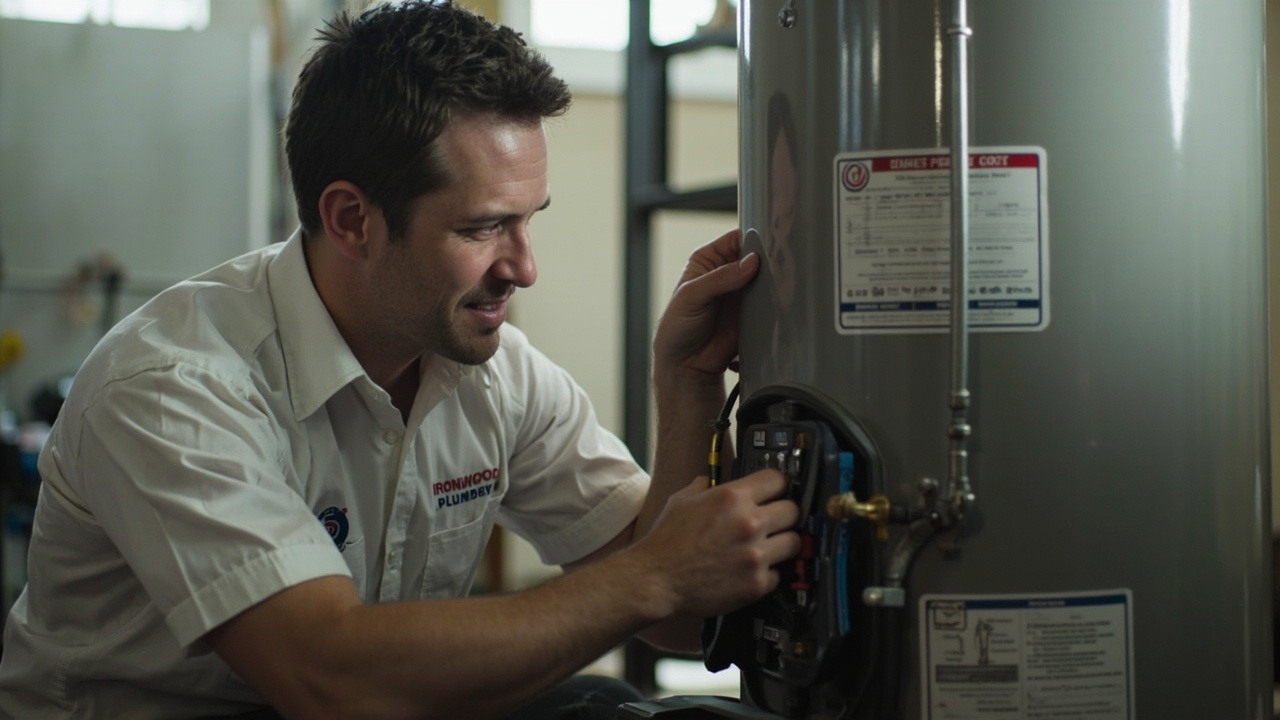
We start by recording your current thermostat settings and measuring the actual water temperature at your fixtures. This baseline data helps identify performance degradation over time. Our technicians inspect the anode rod through the dedicated port or by removing the hot water outlet nipple on units without accessible ports. We perform a controlled tank flush to evaluate sediment levels and drain valve function. For gas units, we test carbon monoxide levels in the flue and verify proper draft operation. Electric units receive voltage testing and element resistance measurements. Every inspection includes documentation with photos that you receive via email within 24 hours.

The Maintenance Results You Can Measure

Proper maintenance delivers three measurable improvements. First, your energy bills decrease by 5 to 15 percent as sediment removal restores efficient heat transfer. Second, your hot water recovery time improves, giving you more usable hot water during peak demand periods. Third, you extend your tank's lifespan by an average of three to five years compared to unmaintained units. You also gain peace of mind from knowing your safety mechanisms function correctly and your system operates within manufacturer specifications. These tangible benefits justify the modest cost of routine maintenance compared to the expense and disruption of premature tank replacement.

Ongoing Support and Service Records

After your maintenance visit, you receive a detailed service report that becomes part of your permanent home maintenance records. This documentation proves valuable when you sell your home or file warranty claims. We maintain digital service records in our system and send you automated reminders when your next maintenance visit is due based on your specific tank type and water conditions. If you join our annual maintenance program, you receive priority scheduling and discounted rates on any repairs needed between scheduled services. We also provide 24/7 emergency service if your water heater fails unexpectedly, with your complete service history immediately available to our technicians.

Frequently Asked Questions

You Have Questions,
We Have Answers

What maintenance should I do on my water heater? +

Start by flushing your tank annually to remove sediment buildup common in Raleigh's moderately hard water. Test the temperature and pressure relief valve every six months by lifting the lever and ensuring water flows freely. Check the anode rod every three years, as this sacrificial component prevents tank corrosion. Inspect the area around your unit for leaks, rust, or moisture. Adjust your thermostat to 120 degrees to prevent scalding and reduce energy costs. For gas units, keep the burner area clear of dust and debris. These simple steps extend your heater's life and maintain efficiency.

What happens if you don't flush your water heater? +

Sediment from minerals in Raleigh's water supply settles at the bottom of your tank over time. This layer acts as an insulator between the burner and water, forcing your heater to work harder and driving up energy bills. The sediment hardens into a concrete-like mass that causes loud popping or rumbling sounds during heating cycles. Eventually, this buildup accelerates tank corrosion, leading to premature failure and potential leaks. The sediment also reduces your tank's capacity, giving you less hot water. Neglecting this maintenance typically cuts your water heater's lifespan by several years.

How often should I flush a water heater? +

Flush your water heater once per year in Raleigh. The local water hardness level causes moderate sediment accumulation that needs annual removal. If you notice rumbling noises, reduced hot water volume, or fluctuating temperatures, increase flushing frequency to twice yearly. Homes with well water or areas with higher mineral content may require more frequent flushing. New heaters benefit from a first flush at six months to remove manufacturing debris. Annual flushing takes 30 minutes and prevents the costly repairs that come from neglect. Mark your calendar each spring to make this routine maintenance easy to remember.

Can I do water heater maintenance myself? +

You can perform basic maintenance tasks like visual inspections, thermostat adjustments, and flushing if you are comfortable with the process. However, testing the temperature and pressure relief valve requires understanding proper safety procedures. Inspecting or replacing the anode rod involves cutting power, draining the tank partially, and using specialized tools. Gas water heaters add complexity with pilot lights and gas connections. Raleigh building codes require licensed professionals for certain repairs. If you lack experience with plumbing systems or feel uncertain about any step, hire a qualified plumber. Incorrect maintenance can void warranties or create safety hazards.

Can I flush my hot water heater myself? +

Yes, but only if you understand the complete process and safety requirements. Turn off the power or gas supply first. Connect a garden hose to the drain valve and run it outside or to a floor drain. Open a hot water faucet upstairs to break the vacuum. Drain until water runs clear, which can take 20 to 40 minutes. Raleigh's water pressure variations can affect drainage speed. Sediment clogs the valve frequently, requiring additional troubleshooting. If the valve does not seal properly after flushing, you face potential flooding. Many homeowners find professional service worth the cost for guaranteed results.

What are the 7 basic preventive maintenance elements? +

The seven elements include visual inspection for leaks or corrosion, annual tank flushing to remove sediment, testing the temperature and pressure relief valve, checking and replacing the anode rod as needed, adjusting thermostat settings to 120 degrees, inspecting all pipe connections for tightness, and cleaning the burner assembly on gas models. For electric units, check heating element condition and electrical connections. These preventive steps catch small problems before they become expensive failures. In Raleigh's humid climate, also watch for condensation around the unit that signals ventilation issues or excessive temperature differentials causing moisture buildup.

Should I flush a 20 year old water heater? +

Flushing a 20 year old water heater carries risks. Disturbing decades of sediment buildup can dislodge particles that clog the drain valve permanently, leaving your tank partially full. The valve itself may fail to reseal after opening, causing leaks. Corrosion weakens older tanks, and the pressure changes during flushing can trigger failures in compromised areas. Most water heaters in Raleigh last 10 to 15 years. At 20 years, start planning replacement rather than aggressive maintenance. If the unit functions adequately, leave it alone and budget for a new installation when it inevitably fails.

How much does a plumber charge to flush it? +

Professional water heater flushing in Raleigh typically costs between $100 and $200 for a standard service call. This includes draining the tank, clearing sediment, testing the temperature and pressure relief valve, and inspecting for potential issues. Plumbers charge more if they encounter complications like a stuck drain valve or excessive sediment requiring multiple flushes. Some companies offer annual maintenance plans that include flushing as part of a package. The investment protects your heater and often reveals small problems before they become emergencies. Factor this cost into your annual home maintenance budget.

How can I tell if my water heater needs to be flushed? +

Listen for rumbling, popping, or banging sounds when your heater fires up. These noises indicate sediment boiling underneath the heating element. Notice if your hot water runs out faster than usual, as sediment reduces tank capacity. Check for rusty or discolored water from hot taps, though this can also signal pipe corrosion. Watch for fluctuating water temperatures during use. Higher energy bills without increased usage suggest your heater works harder to heat through sediment layers. In Raleigh homes, these symptoms typically appear after 18 to 24 months without flushing due to local water mineral content.

How much does it cost to have a water heater flushed? +

Expect to pay $100 to $200 for professional water heater flushing in Raleigh. The price covers labor, inspection, and proper disposal of sediment-laden water. Additional costs apply if technicians find problems during service, such as a faulty drain valve requiring replacement or an anode rod needing changing. Some plumbing companies bundle flushing with other maintenance services at discounted rates. While you save money doing it yourself, professional service includes warranty protection and expert eyes spotting early warning signs of failure. Budget this expense annually to protect your water heater investment and avoid premature replacement costs.

How Raleigh's Hard Water Accelerates Water Heater Sediment Problems

The Falls Lake watershed that supplies Raleigh's municipal water contains dissolved limestone and other mineral deposits that classify the water as moderately hard to hard, measuring between 80 and 120 milligrams per liter of calcium carbonate. When this water heats inside your tank, the minerals precipitate out and settle at the bottom as sediment. Homes in North Raleigh with well water often experience even higher mineral content from the Piedmont's geology. This sediment layer insulates your heating element from the water above, forcing the system to run longer to reach temperature setpoints. The constant heating and cooling of this sediment layer also creates the popping or rumbling sounds you hear as steam bubbles escape through the hardened mineral deposits.

Ironwood Plumbing Raleigh has serviced water heaters throughout Wake County since our founding, giving us direct experience with how local water conditions affect different tank models and brands. We work closely with homeowners in historic districts like Oakwood and Cameron Park where older plumbing systems meet modern water heaters, creating unique maintenance requirements. Our familiarity with Raleigh's building codes and inspection standards means we identify issues that affect both system performance and code compliance. When you choose a local plumbing service that understands Raleigh's specific water chemistry and infrastructure, you get maintenance recommendations based on real-world local experience instead of generic manufacturer guidelines written for average conditions.

Plumbing Services in The Raleigh Area

We are proud to serve the entire Raleigh community and surrounding areas, bringing our trusted plumbing services directly to your doorstep. You can find our main office location on the map below. We are committed to providing fast response times and expert service, no matter where you are located within our service area. If you're unsure if we service your neighborhood, simply give us a call!

Address:
Ironwood Plumbing Raleigh, 4108 Atlantic Ave, Raleigh, NC, 27604

Additional Services We Offer

Our news updates

Latest Articles & News from The Blogs

Why Your Anode Rod is the Secret to Making Your Water Heater Last in Knightdale Your water heater works silently…

Why Your Anode Rod is the Secret to Making Your Water Heater Last in Knightdale

Why Your Anode Rod is the Secret to Making Your Water Heater Last in Knightdale Your water heater works silently…

Adding a Dedicated Pet Wash Station to Your Mudroom in Five Points

Adding a Dedicated Pet Wash Station to Your Mudroom in Five Points Five Points homeowners know the struggle of muddy…

A Homeowner’s Guide to Flushing Your Tankless Water Heater in North Hills

Why Flushing Your Tankless Water Heater Matters in North Hills North Hills homes rely on efficient tankless water heaters for…

Contact Us

Protect your water heater investment with professional maintenance tailored to Raleigh's hard water conditions. Call Ironwood Plumbing Raleigh at (984) 294-6422 to schedule your inspection and receive a complete service report with specific recommendations for your system.