Your washing machine drain is backing up and water is spilling across your Briar Chapel laundry room floor right now. That’s a plumbing emergency that can damage flooring, drywall, and create mold within hours. Before you panic, here’s what’s happening and how to stop it fast. Professional Drain Cleaning Services in Cary to Stop Stubborn Backups.
Most overflow issues in newer developments like Briar Chapel stem from three main problems: clogged drain pipes, undersized standpipes, or main sewer line backups. The first two are usually DIY fixes. The third requires immediate professional help before you have sewage backing up through multiple fixtures. Signs You Need Sewer Repair.
Emergency Stop-the-Bleed Steps:
- Unplug the washing machine immediately to prevent electrical hazards
- Turn off the water supply valves behind the machine
- Mop up standing water with towels or a wet vacuum
- Place a bucket under the standpipe if water continues dripping
Common Causes of Washing Machine Drain Overflow in Briar Chapel Homes
Understanding why your drain is overflowing helps you fix it right the first time. Here are the most frequent culprits we see in Wake County’s newer developments.
Lint and Soap Scum Buildup
Modern high-efficiency washers discharge water faster than older models, creating more pressure in drain pipes. Combined with lint, detergent residue, and fabric softener, this forms stubborn clogs that gradually reduce pipe diameter. In Briar Chapel’s newer construction, we often find 1.5-inch pipes that can’t handle the discharge rate of today’s machines.
Diagnostic test: Remove the standpipe cap and shine a flashlight down. If you see standing water or debris buildup within the first 12 inches, you have a partial clog that’s restricting flow.
Undersized or Improperly Installed Standpipes
According to the North Carolina Plumbing Code (Section 305.4), washing machine standpipes must be at least 2 inches in diameter and extend 18-30 inches above the trap weir. Many newer homes use 1.5-inch pipes to save on materials, which creates overflow problems when the washer pumps at full capacity. North Carolina Plumbing Code requirements.
Visual indicator: If your standpipe is only 12-15 inches tall or narrower than 2 inches, it’s undersized for modern washing machines.
P-trap Clogs and Vent Stack Obstructions
The P-trap under your standpipe prevents sewer gases from entering your home, but it also catches debris. When clogged, water backs up into the standpipe during the drain cycle. Additionally, blocked vent stacks prevent proper air pressure equalization, causing slow drainage and overflow.
Physical sign: Gurgling sounds from nearby drains when the washing machine drains indicate a vent stack issue.
Main Sewer Line Backups
This is the most serious cause and often mistaken for a simple drain clog. When your main sewer line is blocked by tree roots, grease buildup, or collapsed pipes, water from your washing machine has nowhere to go. You’ll notice multiple fixtures backing up, not just the washing machine drain.
Emergency indicator: If toilets gurgle or other drains back up when the washing machine drains, you have a main line issue requiring immediate professional service.
DIY Solutions for Washing Machine Drain Overflow
Before calling a plumber, try these proven fixes that solve most overflow problems in under 30 minutes. Who to Call for 24-7 Plumber Services in Wake Forest.
Step-by-Step Drain Cleaning Process
- Prepare Your Workspace
Place towels around the standpipe area and have a bucket ready for water removal.
- Remove the Standpipe Cap
Unscrew or pry off the cap covering the standpipe opening.
- Snake the Drain
Insert a 25-foot manual drain auger into the pipe, rotating clockwise as you push deeper. Feel for resistance where clogs typically form.
- Flush with Hot Water
Pour 2-3 gallons of hot water down the drain to flush loosened debris.
- Test the System
Run a small load with no clothes to verify proper drainage.
Cleaning the Washing Machine’s Internal Filter
Many front-loading washers have a small filter that catches debris before it enters your drain system. A clogged filter reduces water flow and can cause backup pressure.
Filter location: Usually behind a small panel at the bottom front of the machine. Place a shallow pan underneath before opening, as trapped water will spill out.
Checking and Replacing the Discharge Hose
The discharge hose connects your washing machine to the standpipe. Kinks, clogs, or deterioration in this hose can cause water to back up and overflow.
Quick test: Disconnect the hose from the standpipe and run a small load. If water flows freely into a bucket, the hose is clear but your drain pipe has issues.
When to Call a Professional Plumber in Briar Chapel
Some washing machine drain problems require professional equipment and expertise. Here’s how to know when DIY isn’t enough.
Signs You Need Immediate Professional Help
- Multiple drains backing up simultaneously
- Sewer odors coming from drains
- Standing water in your yard near sewer lines
- Previous DIY attempts failed to resolve the issue
- You suspect main sewer line problems
Professional Solutions We Provide
Our Raleigh plumbers use specialized equipment to diagnose and fix washing machine drain issues quickly:
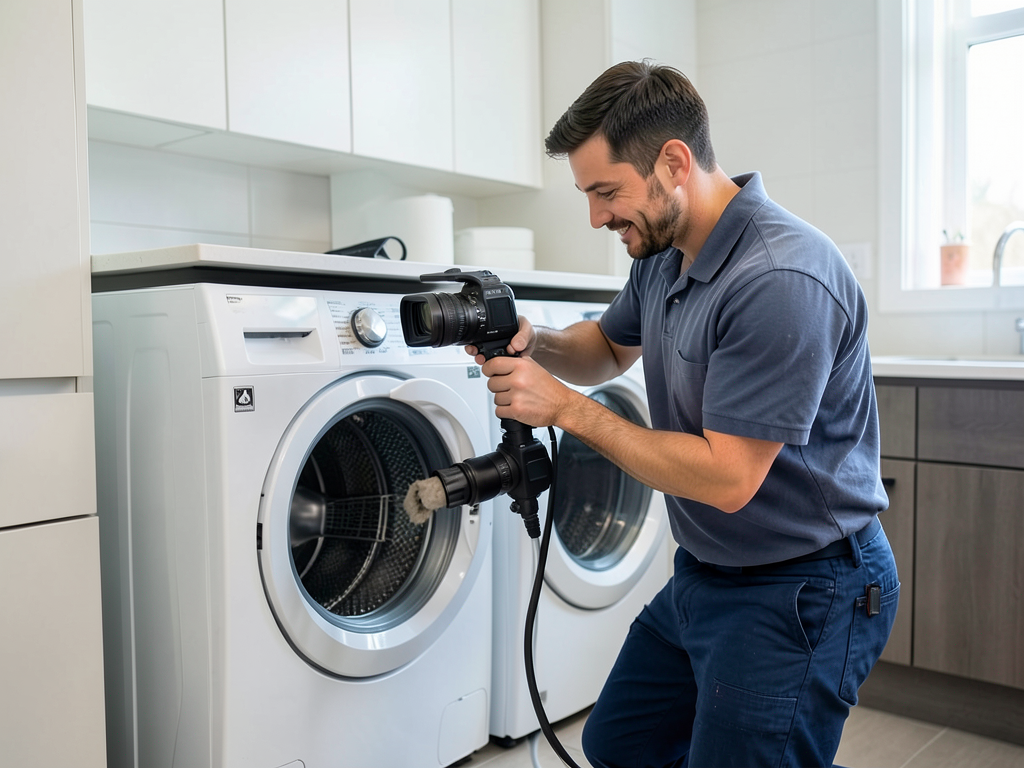
- Video Camera Inspection: We insert a waterproof camera to locate exact clog positions and pipe damage
- Hydro-Jetting: High-pressure water cleaning removes years of buildup that snakes can’t reach
- Pipe Replacement: We upgrade undersized pipes to code-compliant 2-inch diameter pipes
- Main Line Clearing: We remove tree roots and debris from main sewer lines
Preventing Future Washing Machine Drain Overflows
Once you’ve fixed the immediate problem, these preventative measures will keep your laundry room dry.
Monthly Maintenance Schedule
Set a calendar reminder for these simple tasks that prevent most drain issues:
- Run hot water down the standpipe for 30 seconds monthly
- Clean your washing machine’s lint filter every 3 months
- Check standpipe caps for cracks or deterioration
- Inspect discharge hoses for wear every 6 months
Upgrades for Long-Term Protection
Consider these improvements if you experience frequent drain issues:
- Install a backflow preventer valve to stop sewage backup
- Upgrade to 2-inch drain pipes if your home has 1.5-inch pipes
- Add a laundry sink with a proper trap to catch debris
- Install a water alarm near the washing machine for early leak detection
Understanding Raleigh’s Plumbing Requirements
The City of Raleigh enforces specific plumbing codes that affect washing machine installations. Understanding these requirements helps you identify code violations that cause overflow problems. Safe Gas Line Installation and Repairs for Residents in Rolesville.
According to the North Carolina Plumbing Code Section 305.4, washing machine standpipes must:
- Be at least 2 inches in diameter
- Extend 18-30 inches above the trap weir
- Have a minimum trap seal of 2 inches
- Be properly vented to prevent pressure buildup
Many Briar Chapel homes were built during rapid development when some contractors cut corners on plumbing specifications. If your home was built before 2020, it may not meet current code requirements for washing machine drainage.
Cost Comparison: DIY vs Professional Repair
| Repair Type | DIY Cost | Professional Cost | Time Required |
|---|---|---|---|
| Drain snaking | $25-40 (auger rental) | $150-250 | 30 minutes |
| Standpipe cleaning | $0-15 (cleaning supplies) | $100-180 | 45 minutes |
| Main line clearing | DIY not recommended | $350-600 | 2-4 hours |
| Pipe replacement | DIY not recommended | $800-1,500 | 4-8 hours |
Frequently Asked Questions
Why does my drain pipe overflow only during the spin cycle?
The spin cycle pumps water at maximum pressure and volume. If your drain system has any restriction, this high-pressure discharge will cause overflow. This usually indicates a partial clog or undersized pipe.
Is a washing machine backup a sign of a main line clog?
Not necessarily. Washing machine backups are most often caused by localized drain clogs or undersized standpipes. However, if you notice multiple fixtures backing up or gurgling toilets when the washer drains, you likely have a main line issue requiring professional attention. Toilet Repair & Installation.
How often should I clean my washing machine drain?
Monthly hot water flushing prevents most buildup issues. For homes with hard water or heavy laundry usage, consider professional drain cleaning annually to prevent major clogs.
Can I use chemical drain cleaners for washing machine clogs?
We don’t recommend chemical cleaners for washing machine drains. They can damage pipes, especially in newer homes with PVC plumbing. Mechanical cleaning with a snake is safer and more effective for laundry room clogs.
What size drain pipe should my washing machine have?
The North Carolina Plumbing Code requires 2-inch diameter pipes for washing machine drains. Many newer homes use 1.5-inch pipes to save on materials, which creates overflow problems with modern high-efficiency washers.
Don’t Let Water Damage Spread Through Your Briar Chapel Home
Water from a washing machine overflow can seep under flooring, into wall cavities, and create perfect conditions for mold growth within 24-48 hours. The humid North Carolina climate accelerates this process, making fast action critical.
If you’ve tried the DIY solutions above and your washing machine drain is still overflowing, or if you notice signs of main line problems, it’s time to call a professional. Our Raleigh plumbers are familiar with Briar Chapel’s specific plumbing configurations and can resolve your issue quickly.
Call (984) 294-6422 today to schedule your inspection. We offer 24/7 emergency service for washing machine drain overflows and can often arrive within 2 hours for urgent situations in the Briar Chapel area.
Don’t wait until water damage spreads to your drywall, flooring, or creates a mold problem that costs thousands to remediate. One call now can save you significant money and hassle later.
Pick up the phone and call (984) 294-6422 before the next storm hits. Our team is ready to diagnose and fix your washing machine drain overflow quickly and correctly the first time. For more information, visit EPA water efficiency guidelines.
You may also find this helpful. How the Massive Willow Oaks in Anderson Heights Might Be Damaging Your Sewer Line.
{
“@context”: “https://schema.org”,
“@type”: “BlogPosting”,
“headline”: “Why Your Washing Machine Drains are Overflowing in Your Briar Chapel Laundry Room”,
“description”: “Laundry room floods in Briar Chapel? Learn the exact causes of washing machine drain overflows and when to call a Raleigh plumber before water damage spreads.”,
“wordCount”: 1597,
“datePublished”: “2026-03-29T15:26:00.000Z”,
“dateModified”: “2026-03-29T15:26:00.000Z”,
“inLanguage”: “en-US”,
“mainEntityOfPage”: {
“@type”: “WebPage”,
“@id”: “https://ironwoodplumbingraleigh.com”
},
“publisher”: {
“@type”: “LocalBusiness”,
“name”: “Ironwood Plumbing Raleigh”,
“url”: “https://ironwoodplumbingraleigh.com”
},
“author”: {
“@type”: “Organization”,
“name”: “Ironwood Plumbing Raleigh”,
“url”: “https://ironwoodplumbingraleigh.com”
},
“image”: {
“@type”: “ImageObject”,
“url”: “https://ironwoodplumbingraleigh.com/wp-content/uploads/2026/03/why-your-washing-machine-drains-are-overflowing-in-1.png”
}
}
{
“@context”: “https://schema.org”,
“@type”: “Plumber”,
“name”: “Ironwood Plumbing Raleigh”,
“url”: “https://ironwoodplumbingraleigh.com”,
“address”: {
“@type”: “PostalAddress”,
“addressLocality”: “Raleigh”
},
“areaServed”: {
“@type”: “City”,
“name”: “Raleigh”
}
}
{
“@context”: “https://schema.org”,
“@type”: “FAQPage”,
“mainEntity”: [
{
“@type”: “Question”,
“name”: “Why does my drain pipe overflow only during the spin cycle?”,
“acceptedAnswer”: {
“@type”: “Answer”,
“text”: “The spin cycle pumps water at maximum pressure and volume. If your drain system has any restriction, this high-pressure discharge will cause overflow. This usually indicates a partial clog or undersized pipe.”
}
},
{
“@type”: “Question”,
“name”: “Is a washing machine backup a sign of a main line clog?”,
“acceptedAnswer”: {
“@type”: “Answer”,
“text”: “Not necessarily. Washing machine backups are most often caused by localized drain clogs or undersized standpipes. However, if you notice multiple fixtures backing up or gurgling toilets when the washer drains, you likely have a main line issue requiring professional attention. Toilet Repair & Installation.”
}
},
{
“@type”: “Question”,
“name”: “How often should I clean my washing machine drain?”,
“acceptedAnswer”: {
“@type”: “Answer”,
“text”: “Monthly hot water flushing prevents most buildup issues. For homes with hard water or heavy laundry usage, consider professional drain cleaning annually to prevent major clogs.”
}
},
{
“@type”: “Question”,
“name”: “Can I use chemical drain cleaners for washing machine clogs?”,
“acceptedAnswer”: {
“@type”: “Answer”,
“text”: “We don’t recommend chemical cleaners for washing machine drains. They can damage pipes, especially in newer homes with PVC plumbing. Mechanical cleaning with a snake is safer and more effective for laundry room clogs.”
}
},
{
“@type”: “Question”,
“name”: “What size drain pipe should my washing machine have?”,
“acceptedAnswer”: {
“@type”: “Answer”,
“text”: “The North Carolina Plumbing Code requires 2-inch diameter pipes for washing machine drains. Many newer homes use 1.5-inch pipes to save on materials, which creates overflow problems with modern high-efficiency washers.”
}
}
]
}
{
“@context”: “https://schema.org”,
“@type”: “HowTo”,
“name”: “How to Clean a Washing Machine Drain”,
“step”: [
{
“@type”: “HowToStep”,
“position”: 1,
“name”: “Prepare Your Workspace”,
“text”: “Place towels around the standpipe area and have a bucket ready for water removal.”
},
{
“@type”: “HowToStep”,
“position”: 2,
“name”: “Remove the Standpipe Cap”,
“text”: “Unscrew or pry off the cap covering the standpipe opening.”
},
{
“@type”: “HowToStep”,
“position”: 3,
“name”: “Snake the Drain”,
“text”: “Insert a 25-foot manual drain auger into the pipe, rotating clockwise as you push deeper. Feel for resistance where clogs typically form.”
},
{
“@type”: “HowToStep”,
“position”: 4,
“name”: “Flush with Hot Water”,
“text”: “Pour 2-3 gallons of hot water down the drain to flush loosened debris.”
},
{
“@type”: “HowToStep”,
“position”: 5,
“name”: “Test the System”,
“text”: “Run a small load with no clothes to verify proper drainage.”
}
],
“image”: “https://ironwoodplumbingraleigh.com/wp-content/uploads/2026/03/why-your-washing-machine-drains-are-overflowing-in-1.png”
}
{
“@context”: “https://schema.org”,
“@type”: “BreadcrumbList”,
“itemListElement”: [
{
“@type”: “ListItem”,
“position”: 1,
“name”: “Home”,
“item”: “https://ironwoodplumbingraleigh.com”
},
{
“@type”: “ListItem”,
“position”: 2,
“name”: “Blog”,
“item”: “https://ironwoodplumbingraleigh.com/blog”
},
{
“@type”: “ListItem”,
“position”: 3,
“name”: “Why Your Washing Machine Drains are Overflowing in Your Briar Chapel Laundry Room”
}
]
}
{
“@context”: “https://schema.org”,
“@type”: “Service”,
“serviceType”: “Plumbing”,
“provider”: {
“@type”: “LocalBusiness”,
“name”: “Ironwood Plumbing Raleigh”,
“url”: “https://ironwoodplumbingraleigh.com”
},
“areaServed”: {
“@type”: “City”,
“name”: “Raleigh”
},
“description”: “Laundry room floods in Briar Chapel? Learn the exact causes of washing machine drain overflows and when to call a Raleigh plumber before water damage spreads.”
}