How the Massive Willow Oaks in Anderson Heights Might Be Damaging Your Sewer Line
The majestic willow oaks that line the streets of Anderson Heights create a canopy of shade that makes the neighborhood one of Raleigh’s most desirable places to live. But those same trees that add so much beauty to your property could be silently destroying your sewer line right now. Signs You Need Sewer Repair.
Willow oak roots naturally seek out moisture and nutrients, and your sewer pipes provide both. These aggressive roots can detect even the smallest vapor leak from microscopic cracks in clay or cast iron pipes. Once they find that moisture source, they grow toward it and eventually penetrate the pipe through joints or fractures.. Read more about Why Your Home in Caraleigh Smells Like Sewer Gas (Even When the Drains are Clear).
The result is a slow-growing blockage that can cause everything from gurgling drains to complete sewer backups. By the time you notice the symptoms, the damage is often extensive and expensive to repair. EPA information on sewer systems.
Here are the five warning signs that willow oak roots might be invading your sewer line in Anderson Heights:. Read more about Replacing Old Cast Iron Sewer Pipes in Your Historic Mordecai Residence.
1. Slow-Moving Drains Throughout Your Home

When multiple drains in your house start running slower than usual, especially the lowest fixtures like basement floor drains or first-floor toilets, it’s often a sign of a main sewer line blockage. Chemical drain cleaners won’t help because they can’t dissolve living roots. The blockage builds gradually as roots catch debris like toilet paper and grease. Professional Drain Cleaning Services in Cary to Stop Stubborn Backups.
You might notice that your shower drains slowly even after cleaning the trap, or that your washing machine causes water to back up in the kitchen sink. These symptoms indicate the blockage is in your main sewer line, not individual branch pipes.
2. Gurgling Noises From Toilets and Drains
Strange gurgling sounds when you flush toilets or run water down sinks indicate air trapped in your pipes. When roots partially block the sewer line, water flows past the blockage in an irregular pattern, creating air bubbles that make gurgling noises. Toilet Repair & Installation.
You might hear these sounds in your toilet bowl after flushing, or notice your sink gurgles when the washing machine drains. The noise occurs because the water can’t flow freely past the root blockage, causing pressure changes in the pipe system.
3. Frequent Sewage Backups in Tubs or Toilets
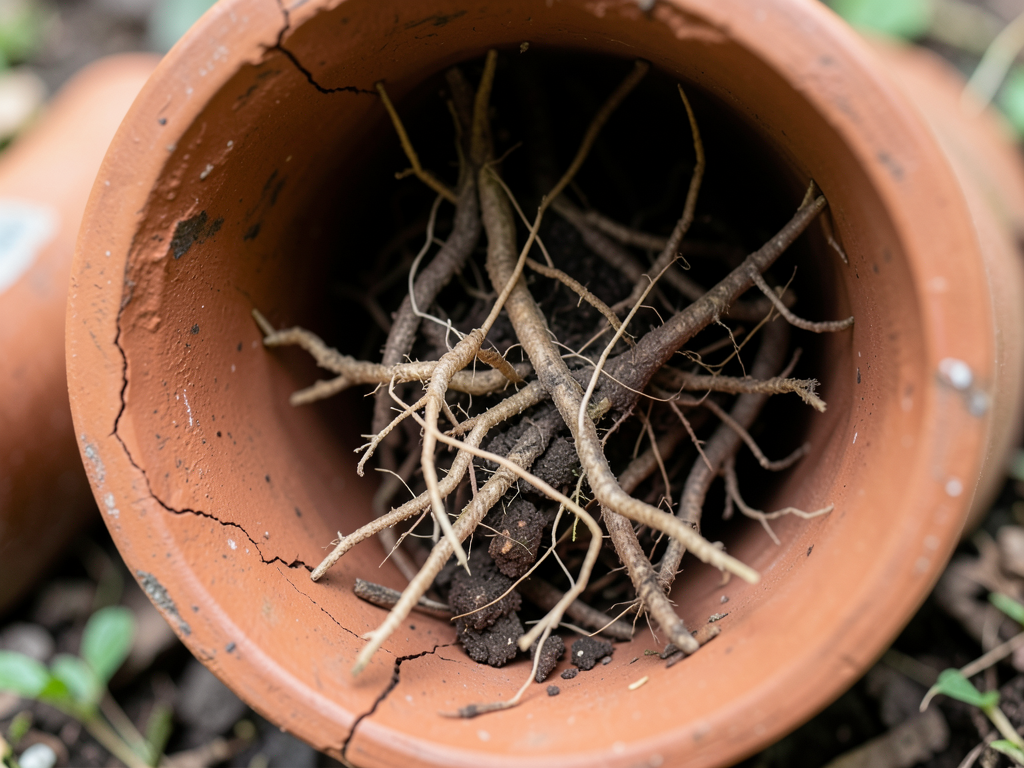
When roots completely block your sewer line, sewage has nowhere to go but back into your home. You’ll notice water backing up in the lowest fixtures first – usually basement floor drains, first-floor toilets, or bathtubs on lower levels.
This isn’t just a simple clog. When you see sewage backing up, it means the blockage is severe enough that wastewater can’t pass through at all. The blockage could be from roots that have completely filled the pipe diameter, or from roots combined with accumulated debris.
4. Lush Green Patches in Your Yard
Areas of your lawn that are noticeably greener and grow faster than surrounding grass often indicate a sewer leak below. The sewage provides nutrients that make plants grow more vigorously. If you notice a particularly green strip of grass running from your house toward the street, it could mark the path of your sewer line.
Willow oak roots are especially good at finding these nutrient-rich areas. They’ll grow thicker and stronger near the leak source, creating a visible pattern of lush growth above your damaged pipes. Finding Underground Leaks in Five Points Without Digging Up Your Entire Yard.
5. Sinkholes or Soft Spots in Your Yard
The most dangerous sign is when the ground above your sewer line becomes soft, spongy, or starts to sink. This happens when roots have caused enough damage that sewage is leaking continuously into the soil. The saturated ground loses its structural integrity and can collapse.
You might notice a depression forming in your yard, or areas that feel soft when you walk on them. In severe cases, small sinkholes can develop. This is a serious structural issue that requires immediate attention.
Why Anderson Heights Is Especially Vulnerable
Anderson Heights was developed in the 1950s and 1960s when many homes used clay sewer pipes. These pipes connect at joints that are susceptible to root intrusion. Over the past 60+ years, the mature willow oaks in the neighborhood have sent roots searching for water sources, and many have found your sewer lines.
The North Carolina red clay soil in this area also contributes to the problem. Clay soil expands when wet and contracts when dry, putting stress on already aging pipes. This soil movement can create tiny cracks that allow vapor to escape, attracting roots from nearby trees.
According to the North Carolina Plumbing Code Section 18-4-103, homeowners are responsible for maintaining the sewer lateral from their home to the point of connection with the city main. In most of Raleigh, including Anderson Heights, this means you’re responsible for the entire line from your house to the street.
Professional Diagnosis: Sewer Camera Inspection
The only way to know for sure if roots are causing your sewer problems is through a professional camera inspection. A waterproof camera is inserted into your sewer line and sends real-time video to a monitor above ground.
During the inspection, we look for:
- Root intrusions visible as fuzzy growths inside the pipe
- Cracks, breaks, or collapsed sections of pipe
- Blockages from debris caught on root masses
- The overall condition and material of your pipes
The camera inspection typically takes 1-2 hours and provides concrete evidence of what’s happening in your pipes. We can show you exactly where problems exist and how severe they are.
Treatment Options for Root-Damaged Sewer Lines
Once we confirm root intrusion, we have several treatment options depending on the severity of the damage:
Hydro-Jetting
High-pressure water jetting can clear minor root blockages. A specialized nozzle shoots water at pressures up to 4,000 PSI, cutting through roots and flushing debris out of the pipe. This is effective for maintenance cleaning but doesn’t repair the underlying pipe damage.
Mechanical Root Cutting
A rotating cutting head on a flexible cable can remove larger root masses. This mechanical method is more aggressive than hydro-jetting and can clear substantial blockages. However, like hydro-jetting, it’s a temporary solution – roots will grow back through the same openings. ASSE Plumbing Standards.
Trenchless Pipe Repair
For severe damage, trenchless technology allows us to repair or replace pipes without digging up your yard. Two main methods are used:
- Pipe Lining (CIPP): A flexible liner coated with epoxy resin is inserted into the damaged pipe and inflated. It cures in place, creating a new pipe within the old one.
- Pipe Bursting: A cone-shaped bursting head breaks apart the old pipe while simultaneously pulling a new pipe into place.
These methods preserve your landscaping and are typically completed in 1-2 days rather than the week or more required for traditional excavation.
Prevention Strategies for Anderson Heights Homeowners
While you can’t remove the beautiful willow oaks that make Anderson Heights special, you can take steps to protect your sewer line:
- Schedule annual sewer camera inspections to catch problems early
- Consider root-killing treatments that are safe for your pipes and the environment
- Maintain proper drainage around your foundation to reduce soil moisture fluctuations
- Be aware of the location of your sewer line when planting new trees
Early detection is key. A small root intrusion caught during a routine inspection costs far less to address than a complete sewer line replacement after a major backup.
When to Call a Professional
Don’t wait until you have sewage backing up into your home. Call a professional if you notice any of these signs:
- Multiple slow drains that don’t respond to plunging
- Gurgling noises from fixtures
- Unusual wet spots or lush growth in your yard
- Any signs of sewage backup
Emergency service is available 24/7 for severe backups. The longer you wait, the more damage occurs and the more expensive the repair becomes.
Frequently Asked Questions
How much does a sewer camera inspection cost in Raleigh?
A professional sewer camera inspection in the Raleigh area typically costs between $250-$400, depending on the length of your sewer line and any accessibility issues. This inspection fee is often credited toward repair work if problems are found.
Will my homeowner’s insurance cover root damage to my sewer line?
Most standard homeowner’s insurance policies don’t cover root damage because it’s considered a maintenance issue rather than sudden damage. However, some policies offer optional sewer line coverage. Check with your insurance provider about specific coverage options.
How long does trenchless sewer repair take?
Most trenchless sewer repairs can be completed in 1-2 days. The exact timeline depends on the repair method chosen, the length of pipe being repaired, and weather conditions. You’ll typically have water service restored within 24 hours. Safe Gas Line Installation and Repairs for Residents in Rolesville.
Can I prevent tree roots from growing into my sewer line?
While you can’t completely prevent root growth, you can minimize the risk by avoiding planting trees near your sewer line, using root barriers when landscaping, and scheduling regular maintenance inspections. Copper sulfate treatments can also discourage root growth in pipes.
Comparison of Repair Methods
| Repair Method | Cost Range | Duration | Landscape Impact | Best For |
|---|---|---|---|---|
| Hydro-Jetting | $300-$600 | 2-4 hours | None | Minor blockages |
| Mechanical Root Cutting | $400-$800 | 3-6 hours | None | Moderate blockages |
| Pipe Lining (CIPP) | $80-$120 per foot | 1-2 days | Minimal | Cracked pipes |
| Pipe Bursting | $90-$150 per foot | 1-2 days | Minimal | Collapsed pipes |
| Traditional Excavation | $100-$200 per foot | 3-7 days | Extensive | Multiple breaks |
Take Action Before It’s Too Late
The beautiful willow oaks of Anderson Heights don’t have to mean disaster for your sewer line. With proper maintenance and early intervention, you can protect your home while preserving the trees that make your neighborhood special.
Don’t wait for a sewage backup to ruin your floors and your day. Call (984) 294-6422 today to schedule a professional sewer camera inspection. We’ll show you exactly what’s happening in your pipes and provide clear options for fixing any problems we find.
Pick up the phone and call (984) 294-6422 before the next heavy rain hits. A small investment now can prevent thousands in emergency repairs later.
Your Anderson Heights home deserves protection from the very trees that make it beautiful. Let us help you keep both your sewer line and your neighborhood canopy healthy for years to come.
You may also find this helpful. Converting Your Property from Septic to City Sewer in Rolesville (What to Expect).
You may also find this helpful. Installing a Gas Line for Your New Outdoor Fire Pit in Wakefield.
{
“@context”: “https://schema.org”,
“@type”: “BlogPosting”,
“headline”: “How the Massive Willow Oaks in Anderson Heights Might Be Damaging Your Sewer Line”,
“description”: “Willow oaks in Anderson Heights are beautiful but their roots can destroy sewer lines. Learn the 5 warning signs and when to call a Raleigh plumber.”,
“wordCount”: 1737,
“datePublished”: “2026-04-05T14:19:00.000Z”,
“dateModified”: “2026-04-05T14:19:00.000Z”,
“inLanguage”: “en-US”,
“mainEntityOfPage”: {
“@type”: “WebPage”,
“@id”: “https://ironwoodplumbingraleigh.com”
},
“publisher”: {
“@type”: “LocalBusiness”,
“name”: “Ironwood Plumbing Raleigh”,
“url”: “https://ironwoodplumbingraleigh.com”
},
“author”: {
“@type”: “Organization”,
“name”: “Ironwood Plumbing Raleigh”,
“url”: “https://ironwoodplumbingraleigh.com”
},
“image”: {
“@type”: “ImageObject”,
“url”: “https://ironwoodplumbingraleigh.com/wp-content/uploads/2026/03/how-the-massive-willow-oaks-in-anderson-heights-mi-1.png”
}
}
{
“@context”: “https://schema.org”,
“@type”: “Plumber”,
“name”: “Ironwood Plumbing Raleigh”,
“url”: “https://ironwoodplumbingraleigh.com”,
“address”: {
“@type”: “PostalAddress”,
“addressLocality”: “Raleigh”
},
“areaServed”: {
“@type”: “City”,
“name”: “Raleigh”
}
}
{
“@context”: “https://schema.org”,
“@type”: “FAQPage”,
“mainEntity”: [
{
“@type”: “Question”,
“name”: “How much does a sewer camera inspection cost in Raleigh?”,
“acceptedAnswer”: {
“@type”: “Answer”,
“text”: “A professional sewer camera inspection in the Raleigh area typically costs between $250-$400, depending on the length of your sewer line and any accessibility issues. This inspection fee is often credited toward repair work if problems are found.”
}
},
{
“@type”: “Question”,
“name”: “Will my homeowner’s insurance cover root damage to my sewer line?”,
“acceptedAnswer”: {
“@type”: “Answer”,
“text”: “Most standard homeowner’s insurance policies don’t cover root damage because it’s considered a maintenance issue rather than sudden damage. However, some policies offer optional sewer line coverage. Check with your insurance provider about specific coverage options.”
}
},
{
“@type”: “Question”,
“name”: “How long does trenchless sewer repair take?”,
“acceptedAnswer”: {
“@type”: “Answer”,
“text”: “Most trenchless sewer repairs can be completed in 1-2 days. The exact timeline depends on the repair method chosen, the length of pipe being repaired, and weather conditions. You’ll typically have water service restored within 24 hours. Safe Gas Line Installation and Repairs for Residents in Rolesville.”
}
},
{
“@type”: “Question”,
“name”: “Can I prevent tree roots from growing into my sewer line?”,
“acceptedAnswer”: {
“@type”: “Answer”,
“text”: “While you can’t completely prevent root growth, you can minimize the risk by avoiding planting trees near your sewer line, using root barriers when landscaping, and scheduling regular maintenance inspections. Copper sulfate treatments can also discourage root growth in pipes.”
}
}
]
}
{
“@context”: “https://schema.org”,
“@type”: “BreadcrumbList”,
“itemListElement”: [
{
“@type”: “ListItem”,
“position”: 1,
“name”: “Home”,
“item”: “https://ironwoodplumbingraleigh.com”
},
{
“@type”: “ListItem”,
“position”: 2,
“name”: “Blog”,
“item”: “https://ironwoodplumbingraleigh.com/blog”
},
{
“@type”: “ListItem”,
“position”: 3,
“name”: “How the Massive Willow Oaks in Anderson Heights Might Be Damaging Your Sewer Line”
}
]
}
{
“@context”: “https://schema.org”,
“@type”: “Service”,
“serviceType”: “Plumbing”,
“provider”: {
“@type”: “LocalBusiness”,
“name”: “Ironwood Plumbing Raleigh”,
“url”: “https://ironwoodplumbingraleigh.com”
},
“areaServed”: {
“@type”: “City”,
“name”: “Raleigh”
},
“description”: “Willow oaks in Anderson Heights are beautiful but their roots can destroy sewer lines. Learn the 5 warning signs and when to call a Raleigh plumber.”
}