
Adding a secondary suite to your Apex home is an exciting way to create space for aging parents, adult children, or even generate rental income. But before you break ground, understanding the plumbing demands of a multi-generational living space is critical. Apex homeowners face unique challenges from Wake County building codes to the area’s growing demand for aging-in-place features. This guide walks you through everything you need to know to ensure your secondary suite’s plumbing is safe, efficient, and built to last. Wake County Building Permits.
Why Multi-Generational Living is Booming in Apex
Apex has become one of the fastest-growing communities in the Research Triangle, with families increasingly choosing to build accessory dwelling units (ADUs) or in-law suites. This trend is driven by rising home costs, the desire to care for elderly relatives, and the flexibility of having independent living spaces on the same property. However, these additions come with increased plumbing demands that many homeowners underestimate.
The average Apex household uses about 300 gallons of water per day. When you add a secondary suite with its own kitchen, bathroom, and laundry facilities, that number can jump by 150 gallons or more. This surge in usage can overwhelm older plumbing systems, especially in homes built before 2000 when water efficiency standards were less stringent.. Read more about Designing a Laundry Room for Multi-Generational Living in Your Rolesville Property.
Wake County Building Codes and Permitting for Secondary Suites
Before starting construction, you must navigate Wake County’s permitting process. The county requires separate permits for plumbing, electrical, and structural work in any secondary suite. For plumbing, this includes submitting detailed plans that show fixture locations, pipe sizing, and backflow prevention devices.
According to the 2021 North Carolina Plumbing Code (Section 305), any dwelling with more than one kitchen must have a separate water meter and backflow preventer installed by a licensed plumber. This prevents contamination between units and ensures accurate utility billing. Apex’s location in the upper Cape Fear River Basin also means the City of Raleigh Public Utilities Department has specific requirements for sewer connections in multi-unit properties. City of Raleigh Public Utilities Department.
Wake County Permit Timeline: Expect 2-4 weeks for initial plan review and 1-2 weeks for inspections once work begins. Rush permits are not available for residential additions, so plan accordingly.
Key Plumbing Considerations for Your Secondary Suite
Designing the plumbing for a secondary suite requires careful planning to avoid future problems. Here are the critical factors to consider:
1. Water Supply Line Capacity
Older Apex homes often have 3/4-inch main water lines that struggle to support multiple bathrooms running simultaneously. A secondary suite with its own kitchen and laundry can create demand spikes that cause pressure drops or temperature fluctuations.. Read more about Finding the Best Placement for Your Main Water Shut-Off Valve During a Whole Home Remodel.
Diagnostic Test: Use a water pressure gauge at your main line to check static pressure (should be 40-80 psi). Then run multiple fixtures and measure the drop. If pressure falls below 30 psi, you need a larger main line or a pressure-boosting system.
2. Drainage and Venting Requirements
Adding bathrooms means adding drainage lines that must connect to your home’s main sewer line. In Apex, many homes built in the 1980s and 1990s have 4-inch clay sewer pipes that can crack under the stress of additional connections. Professional Drain Cleaning Services in Cary to Stop Stubborn Backups.
Warning Sign: Gurgling sounds from existing drains when new fixtures are used indicate inadequate venting. This can cause sewer gases to back up into your home.
3. Hot Water System Sizing
A family of four uses about 80-100 gallons of hot water daily. Add a secondary suite and that number can easily double. Traditional tank water heaters struggle with this demand, often running out of hot water during peak morning hours.
Capacity Calculation: For simultaneous use (two showers, dishwasher, and washing machine), you need at least 6-8 gallons per minute (GPM) of hot water. A standard 50-gallon tank provides only 3-4 GPM continuously.
Universal Design: ADA-Compliant Fixtures for Aging-in-Place
If your secondary suite is for elderly parents or anyone with mobility challenges, ADA compliance isn’t just a nice-to-have—it’s essential for safety and independence. The Americans with Disabilities Act sets specific requirements for fixture heights, clearances, and operation forces.
Key ADA Requirements:
- Toilets: 17-19 inches from floor to seat (comfort height)
- Shower controls: Mounted 38-48 inches high, operable with one hand
- Sink clearance: 27 inches high, 30 inches wide, 11-25 inches deep
- Doorways: Minimum 32 inches clear width
Beyond code compliance, consider fixtures that make daily tasks easier:
| Fixture Type | Standard vs. ADA | Benefits for Multi-Gen Living |
|---|---|---|
| Toilet | 15 inches vs. 17-19 inches | Easier sitting/standing for seniors |
| Shower Valve | Standard vs. Thermostatic | Prevents scalding, consistent temperature |
| Kitchen Faucet | Standard vs. Touchless | Easier operation with limited dexterity |
Managing High Demand: Why Tankless Water Heaters are Essential
Tankless water heaters have become the gold standard for secondary suites in Apex homes. Unlike traditional tanks that store and heat water continuously, tankless units heat water on demand, providing endless hot water for multiple users. Switching to a Tankless Water Heater in Raleigh — What Local Homeowners Need to Know.
Performance Comparison:
| Feature | Tank Water Heater | Tankless Water Heater |
|---|---|---|
| Hot Water Capacity | Limited to tank size | Endless (rated by GPM) |
| Energy Efficiency | 60-70% | 90-98% |
| Space Required | 5-6 sq ft floor space | Wall-mounted, 2-3 sq ft |
| Lifespan | 8-12 years | 20+ years |
For a secondary suite in Apex, we recommend a gas tankless unit with at least 9 GPM capacity. This handles two showers running simultaneously plus other fixtures. Electric tankless units require substantial electrical upgrades and may not provide adequate flow in winter when incoming water is coldest.
Smart Plumbing Technology for Shared Household Safety
Modern plumbing technology can prevent costly damage and improve quality of life in multi-generational homes. Consider these smart upgrades for your secondary suite:
Water Leak Detection Systems
Smart water sensors placed under sinks, near water heaters, and in laundry areas can detect leaks within seconds and automatically shut off the main water supply. This is crucial in secondary suites where water damage might go unnoticed for hours.
Water Pressure Monitoring
Excessive water pressure (over 80 psi) can cause pipe failures and fixture damage. Smart pressure monitors alert you to dangerous pressure spikes that often precede catastrophic failures.
Temperature Monitoring
Smart thermostats for tankless water heaters allow you to set maximum temperatures (recommended 120°F) to prevent scalding while maintaining comfort.
Case Study: Multi-Generational Retrofit in Apex
The Johnson family in the Scotts Mill neighborhood of Apex recently converted their 2,500-square-foot ranch into a dual-living space for their elderly parents. The project required:
- Upgrading the main water line from 3/4-inch to 1-inch copper
- Installing a 12 GPM tankless water heater
- Adding a separate sewer cleanout for the secondary suite
- Incorporating ADA-compliant fixtures throughout
The result? Both families enjoy independent living with no hot water shortages, and the Johnsons report their parents feel safer and more comfortable in their accessible space.
Cost Factors and ROI for Secondary Suite Plumbing
Plumbing for a secondary suite typically costs $8,000-$15,000 depending on the scope. Here’s what drives these costs:
- Main line upgrades: $2,000-$4,000
- Tankless water heater installation: $2,500-$4,000
- Additional fixtures and connections: $1,500-$3,000
- Permits and inspections: $500-$1,000
While this seems substantial, the investment often pays for itself through increased property value and the ability to house family members affordably. In Apex’s hot real estate market, homes with secondary suites command 10-15% premiums.
Common Mistakes to Avoid
Many homeowners learn expensive lessons when building secondary suites. Avoid these common pitfalls:
- Underestimating water demand: Planning for only the current household without considering future needs.
- Ignoring local codes: Wake County has specific requirements for multi-unit properties that differ from single-family codes.
- Using undersized pipes: 1/2-inch supply lines throughout the suite will cause pressure issues.
- Skipping professional design: DIY plumbing often violates codes and creates maintenance nightmares.
Frequently Asked Questions
Do I need a separate water meter for my secondary suite?
Yes, Wake County requires separate water meters for any dwelling with more than one kitchen or independent living unit. This ensures proper billing and meets backflow prevention requirements.
Can I use PEX piping for my secondary suite?
Absolutely. PEX is code-approved in North Carolina and offers excellent freeze resistance, flexibility for tight spaces, and lower installation costs compared to copper. Safe Gas Line Installation and Repairs for Residents in Rolesville.
How long does it take to install plumbing for a secondary suite?
Professional installation typically takes 3-5 days for the rough-in phase and 2-3 days for fixture installation, plus inspection time. Total timeline from start to finish is usually 2-3 weeks.
Will my homeowner’s insurance cover plumbing issues in a secondary suite?
Most policies cover plumbing in secondary suites, but you should inform your insurer about the addition. Some companies require separate coverage or adjustments to your policy.
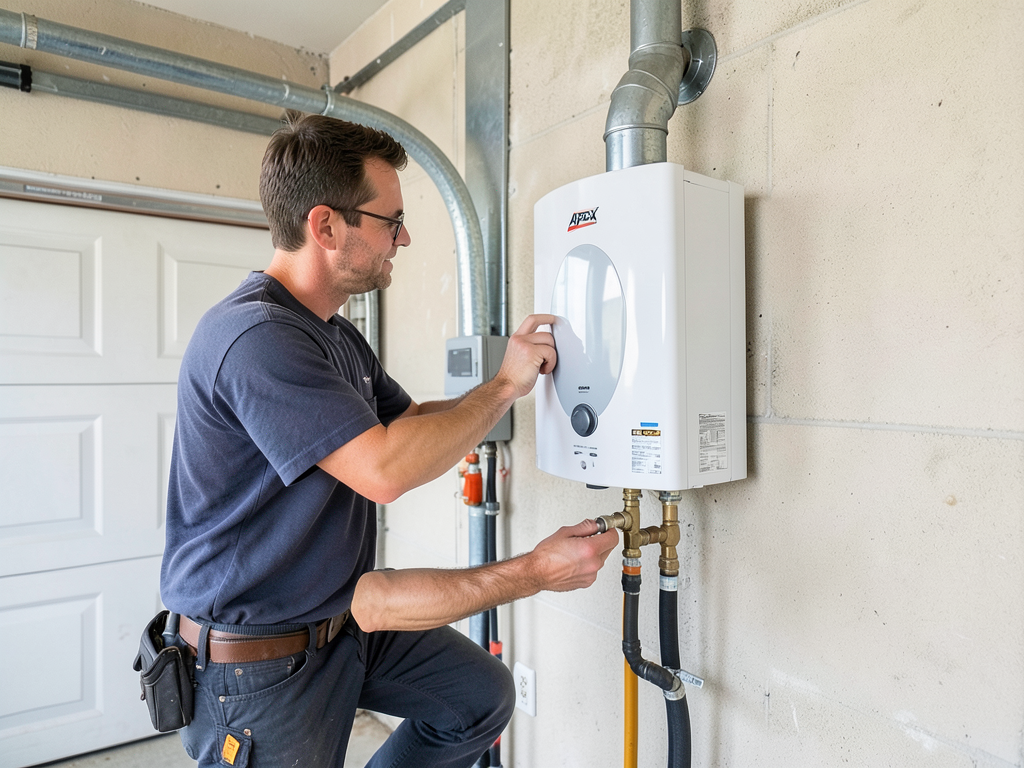
Diagram showing proper pipe sizing and fixture placement for a secondary suite bathroom with ADA-compliant clearances
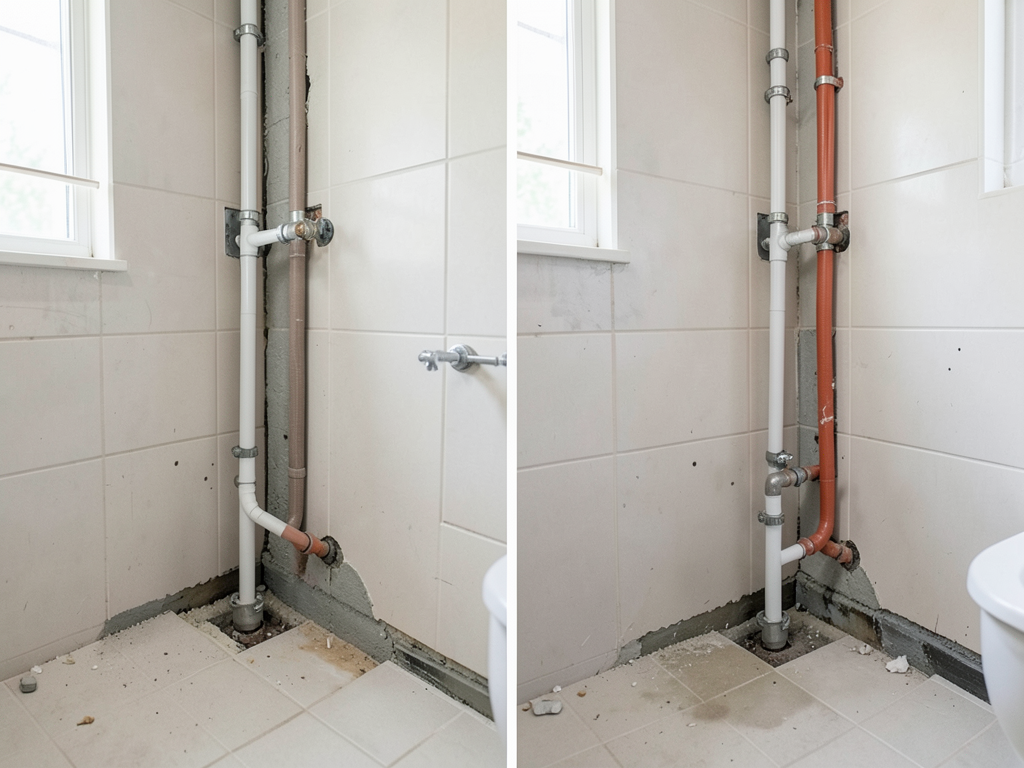
Photo of a professional plumber installing a tankless water heater with proper venting and gas line connections
Before and after comparison of a secondary suite kitchen plumbing rough-in with modern PEX piping
Ready to Start Your Secondary Suite Project?
Building a secondary suite is a significant investment in your home and family’s future. The plumbing decisions you make today will impact comfort, safety, and utility costs for decades to come. Don’t leave these critical choices to chance or inexperienced contractors.
At Ironwood Plumbing, we’ve helped dozens of Apex families create beautiful, code-compliant secondary suites that meet their unique needs. Our team understands Wake County’s specific requirements and can guide you through every step of the process, from initial design to final inspection.
Call (984) 294-6422 today to schedule your free secondary suite plumbing consultation. We’ll assess your current system, discuss your options, and provide a detailed quote with no obligation. Your family deserves a secondary suite that works as beautifully as it looks.
Don’t wait until construction is underway to discover plumbing problems. Pick up the phone and call (984) 294-6422 before the next storm hits or the next family member moves in. Your peace of mind is worth it.
You may also find this helpful. Adding a Wet Bar to Your Preston Home Office (What You Need to Know About the Drain Line).
{
“@context”: “https://schema.org”,
“@type”: “BlogPosting”,
“headline”: “Essential Plumbing Considerations for Building a Secondary Suite in Your Apex Home”,
“description”: “Plan your Apex in-law suite with confidence. Learn local plumbing codes, tankless water heater sizing, and ADA fixture requirements for multi-generational living.”,
“wordCount”: 1665,
“datePublished”: “2026-05-24T15:31:00.000Z”,
“dateModified”: “2026-05-24T15:31:00.000Z”,
“inLanguage”: “en-US”,
“mainEntityOfPage”: {
“@type”: “WebPage”,
“@id”: “https://ironwoodplumbingraleigh.com”
},
“publisher”: {
“@type”: “LocalBusiness”,
“name”: “Ironwood Plumbing Raleigh”,
“url”: “https://ironwoodplumbingraleigh.com”
},
“author”: {
“@type”: “Organization”,
“name”: “Ironwood Plumbing Raleigh”,
“url”: “https://ironwoodplumbingraleigh.com”
},
“image”: {
“@type”: “ImageObject”,
“url”: “https://ironwoodplumbingraleigh.com/wp-content/uploads/2026/03/essential-plumbing-considerations-for-building-a-s-1.png”
}
}
{
“@context”: “https://schema.org”,
“@type”: “Plumber”,
“name”: “Ironwood Plumbing Raleigh”,
“url”: “https://ironwoodplumbingraleigh.com”,
“address”: {
“@type”: “PostalAddress”,
“addressLocality”: “Raleigh”
},
“areaServed”: {
“@type”: “City”,
“name”: “Raleigh”
}
}
{
“@context”: “https://schema.org”,
“@type”: “FAQPage”,
“mainEntity”: [
{
“@type”: “Question”,
“name”: “Do I need a separate water meter for my secondary suite?”,
“acceptedAnswer”: {
“@type”: “Answer”,
“text”: “Yes, Wake County requires separate water meters for any dwelling with more than one kitchen or independent living unit. This ensures proper billing and meets backflow prevention requirements.”
}
},
{
“@type”: “Question”,
“name”: “Can I use PEX piping for my secondary suite?”,
“acceptedAnswer”: {
“@type”: “Answer”,
“text”: “Absolutely. PEX is code-approved in North Carolina and offers excellent freeze resistance, flexibility for tight spaces, and lower installation costs compared to copper. Safe Gas Line Installation and Repairs for Residents in Rolesville.”
}
},
{
“@type”: “Question”,
“name”: “How long does it take to install plumbing for a secondary suite?”,
“acceptedAnswer”: {
“@type”: “Answer”,
“text”: “Professional installation typically takes 3-5 days for the rough-in phase and 2-3 days for fixture installation, plus inspection time. Total timeline from start to finish is usually 2-3 weeks.”
}
},
{
“@type”: “Question”,
“name”: “Will my homeowner’s insurance cover plumbing issues in a secondary suite?”,
“acceptedAnswer”: {
“@type”: “Answer”,
“text”: “Most policies cover plumbing in secondary suites, but you should inform your insurer about the addition. Some companies require separate coverage or adjustments to your policy.”
}
},
{
“@type”: “Question”,
“name”: “Ready to Start Your Secondary Suite Project?”,
“acceptedAnswer”: {
“@type”: “Answer”,
“text”: “Building a secondary suite is a significant investment in your home and family’s future. The plumbing decisions you make today will impact comfort, safety, and utility costs for decades to come. Don’t leave these critical choices to chance or inexperienced contractors.”
}
}
]
}
{
“@context”: “https://schema.org”,
“@type”: “BreadcrumbList”,
“itemListElement”: [
{
“@type”: “ListItem”,
“position”: 1,
“name”: “Home”,
“item”: “https://ironwoodplumbingraleigh.com”
},
{
“@type”: “ListItem”,
“position”: 2,
“name”: “Blog”,
“item”: “https://ironwoodplumbingraleigh.com/blog”
},
{
“@type”: “ListItem”,
“position”: 3,
“name”: “Essential Plumbing Considerations for Building a Secondary Suite in Your Apex Home”
}
]
}
{
“@context”: “https://schema.org”,
“@type”: “Service”,
“serviceType”: “Plumbing”,
“provider”: {
“@type”: “LocalBusiness”,
“name”: “Ironwood Plumbing Raleigh”,
“url”: “https://ironwoodplumbingraleigh.com”
},
“areaServed”: {
“@type”: “City”,
“name”: “Raleigh”
},
“description”: “Plan your Apex in-law suite with confidence. Learn local plumbing codes, tankless water heater sizing, and ADA fixture requirements for multi-generational living.”
}