The Best Way to Hide Exposed Plumbing in Your Finished Basement in Southwest Raleigh
Exposed pipes in your finished basement can ruin the aesthetic you worked hard to create. Whether you’re dealing with copper water lines PVC drains or PEX tubing hiding them properly requires understanding both design principles and Raleigh’s specific building requirements. The right approach protects your investment while ensuring easy access for future maintenance. Professional Drain Cleaning Services in Cary to Stop Stubborn Backups.
Why Are You Covering Your Pipes Understanding the Purpose
Before choosing a concealment method determine your primary goal. Are you seeking a clean finished look for entertaining space? Do you need to protect pipes from Raleigh’s humidity and occasional winter freezes? Or are you trying to reduce the noise from water rushing through drain lines? Your answer shapes the entire project.. Read more about Why Your Fuquay-Varina Pipes Sweat So Much in the Summer (And How to Stop the Dripping).
Many Southwest Raleigh homeowners discover that their basement pipes sweat during humid summer months creating water spots on finished ceilings below. This condensation occurs when warm moist air contacts cold water pipes. Without proper insulation you’ll face ongoing maintenance issues regardless of how well you hide the pipes visually.. Read more about Finding the Best Placement for Your Main Water Shut-Off Valve During a Whole Home Remodel.
Popular Methods for Hiding Basement Ceiling and Wall Pipes
Several approaches exist for concealing exposed plumbing each with distinct advantages for different situations. The best method depends on your basement layout local building codes and whether you plan to finish the entire space or just specific areas.. Read more about Essential Plumbing Considerations for Building a Secondary Suite in Your Apex Home.
Building a Drywall Soffit or Bulkhead
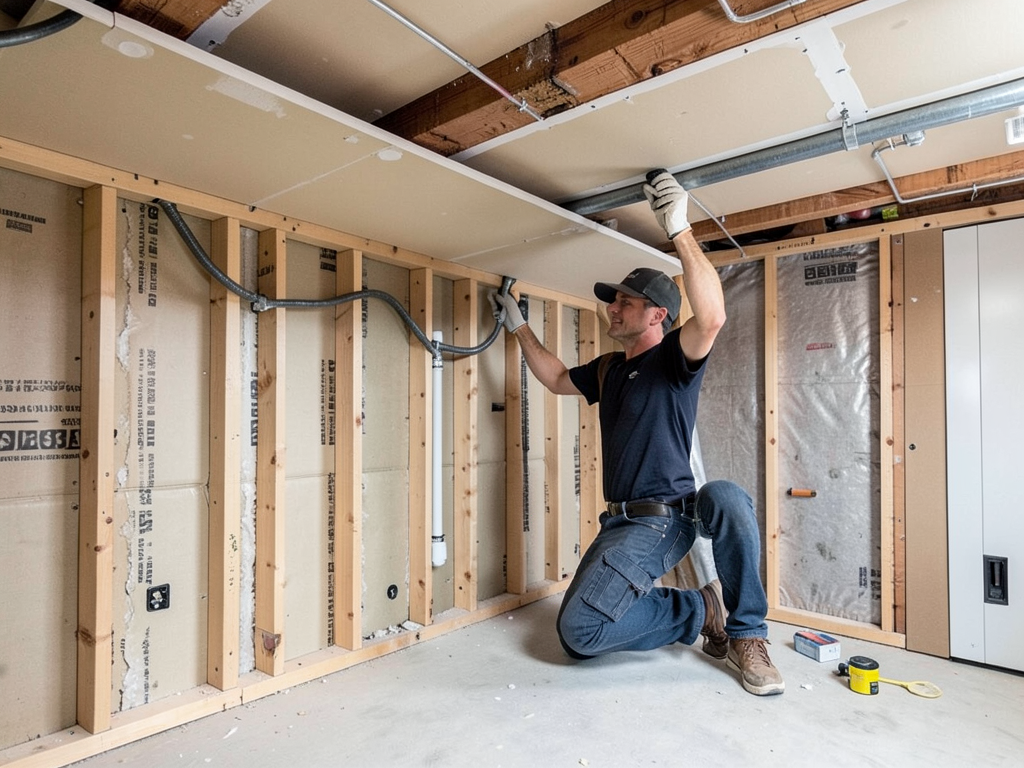
A soffit creates a framed enclosure around pipes typically built from 2×4 lumber and covered with drywall. This method works excellently for running pipes along basement ceilings where you need a flat surface below. The framed structure attaches to floor joists above creating a hollow cavity that completely hides plumbing while maintaining structural integrity.
Professional installation ensures proper support for the drywall and adequate clearance for pipes. Building codes require specific spacing around different pipe types – typically 1-2 inches minimum clearance from framing members. This spacing prevents condensation damage and allows for thermal expansion. A standard 10-foot soffit requires approximately 20 linear feet of 2×4 lumber one sheet of 1/2-inch drywall and appropriate fasteners. Safe Gas Line Installation and Repairs for Residents in Rolesville.
Decorative Pipe Wraps and Insulation
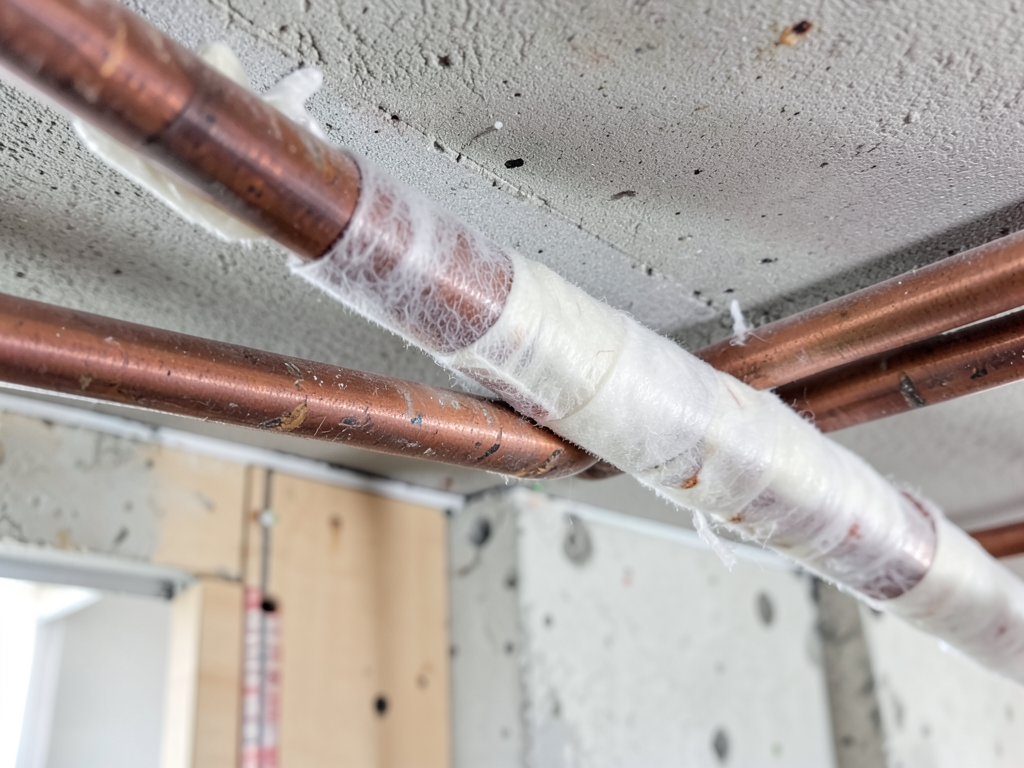
For exposed pipes you cannot or do not want to box in decorative wraps offer an aesthetic solution. Foam insulation tubes come in various colors and can be painted to match your décor. These wraps serve dual purposes – improving appearance while providing thermal protection against Raleigh’s humidity and preventing pipe sweating.
Self-sealing foam insulation works well for straight runs while fiberglass wraps handle irregular shapes better. The insulation also reduces noise from water flow a common complaint in finished basements. For Southwest Raleigh’s climate use insulation with an R-value of at least 3.0 for condensation control.
Industrial Style Painting
Instead of hiding pipes completely some homeowners embrace an industrial aesthetic by painting exposed plumbing. This approach works particularly well in modern or loft-style basements. Use rust-resistant primer followed by durable enamel paint designed for metal surfaces. This method costs significantly less than building enclosures but requires careful surface preparation. EPA WaterSense Program.
Painting works best when pipes are in good condition without excessive corrosion or damage. For copper pipes use a specialized copper primer to prevent oxidation through the paint. This approach maintains easy access to all plumbing components while creating a cohesive design statement.
Essential Safety Maintaining Access to Shut-Off Valves
Building codes mandate clear access to shut-off valves cleanouts and other critical plumbing components. Never permanently seal these items behind walls or ceilings. Install access panels at strategic locations – typically 12×12 inches for shut-off valves and 18×18 inches for cleanouts. These panels should match your wall or ceiling finish for a seamless appearance.
Water meter boxes require specific clearance as well. The City of Raleigh Public Utilities Department requires at least 3 feet of clearance in front of water meters for reading and maintenance access. This requirement applies even in finished basements where meters are located indoors.
Raleigh-Specific Considerations Insulation and Local Building Codes
Southwest Raleigh’s climate creates unique challenges for basement plumbing. Summer humidity regularly exceeds 70% causing condensation on cold water pipes. Winter temperatures occasionally drop below freezing threatening exposed pipes in unheated basement areas. Local building codes address these concerns through specific insulation requirements.
The North Carolina Plumbing Code Section 305.5 requires insulation on all cold water pipes in unconditioned spaces where ambient temperatures might cause condensation. For Southwest Raleigh’s climate zone this typically means R-3 minimum insulation on cold water supply lines. Hot water pipes in unconditioned basements require R-4 minimum insulation to prevent heat loss. North Carolina Plumbing Code.
Local soil conditions in Southwest Raleigh characterized by clay-heavy composition can cause foundation movement that stresses plumbing connections. This makes proper pipe support and flexible connections essential when concealing basement plumbing. Use nail plates to protect pipes where they pass through studs or joists within 1.5 inches of the edge.
When to Call a Professional Plumber vs DIY
Simple cosmetic improvements like painting pipes or installing foam wraps work well as DIY projects. However building soffits modifying existing plumbing runs or working near gas lines requires professional expertise. A licensed plumber ensures compliance with local codes and prevents costly mistakes. Who to Call for 24-7 Plumber Services in Wake Forest.
Professional installation becomes essential when you need to relocate pipes for better concealment. Moving water supply lines or drain pipes involves cutting into walls rerouting through floor joists and ensuring proper slope for drainage. These tasks require specialized tools and knowledge of building codes that most homeowners lack.
Consider professional help if your basement has complex plumbing configurations multiple floor levels or if you’re finishing a large area. The cost of professional installation typically ranges from $15-30 per linear foot for soffit construction depending on complexity and local labor rates in the Raleigh area. Apartment Complex Plumbing.
Acoustical Dampening for Noisy Drainage Pipes
Water rushing through drain pipes creates noticeable noise especially in finished basements used as living spaces. Sound-dampening techniques include wrapping pipes with acoustic insulation before enclosing them in soffits. Specialized sound-deadening wraps reduce noise transmission by up to 50% compared to standard insulation.
For maximum noise reduction combine multiple techniques. Use rubber isolation hangers to suspend drain pipes instead of rigid mounting. Add mass-loaded vinyl barriers inside soffits. Consider cast iron drain pipes instead of PVC when replacing old plumbing – cast iron naturally absorbs sound better than plastic alternatives.
Materials Drywall vs Wood vs Decorative Wraps
Material selection impacts both appearance and functionality. Drywall offers the most traditional finished look and accepts paint easily. However it requires careful moisture management in basement environments. Use moisture-resistant drywall (green board) in areas prone to humidity.
Wood paneling provides a warmer aesthetic and better moisture resistance than drywall. Cedar or treated lumber resists mold growth common in Raleigh’s humid climate. Decorative wraps made from fabric or vinyl offer the easiest installation but provide the least protection for pipes.
Consider your basement’s intended use when selecting materials. Entertainment spaces benefit from the clean lines of drywall soffits. Home theaters might prefer the acoustic properties of fabric-wrapped insulation. Storage areas can use the most economical options since appearance matters less.
Cost Analysis for Basement Pipe Concealment in Raleigh
DIY approaches cost significantly less but require more time and skill. Basic foam insulation wraps cost $1-3 per linear foot. Decorative fabric covers run $5-10 per linear foot. Building your own soffit requires approximately $8-12 per linear foot in materials plus your time investment.
Professional installation costs more but includes expertise and code compliance. A licensed plumber charges $15-30 per linear foot for soffit construction while decorative concealment services range from $10-25 per linear foot. These prices reflect 2026 rates in the Raleigh-Durham market where labor costs have increased approximately 8% over the past two years.
Factor in additional costs for access panels ($25-50 each) specialized insulation ($2-5 per linear foot) and potential plumbing modifications ($75-150 per hour for plumber labor). A typical 200-square-foot basement with moderate pipe exposure might require $1500-3000 for professional concealment.
Maintaining Your Concealed Plumbing System
Once you’ve hidden your basement pipes establish a maintenance routine to prevent future problems. Check access panels quarterly for signs of leaks or condensation. Test shut-off valves annually to ensure they operate smoothly. Monitor your water bill for unexplained increases that might indicate hidden leaks. Signs You Need Sewer Repair.
Raleigh’s water quality characterized by moderate hardness can cause mineral buildup in pipes over time. This buildup reduces water flow and increases pressure on concealed plumbing. Consider annual inspections by a professional plumber to identify potential issues before they cause damage.
Document the location of all shut-off valves and cleanouts even after concealment. Take photos before closing up walls or ceilings. This documentation proves invaluable during emergencies or when selling your home.
Local Success Stories Southwest Raleigh Basement Transformations
Homeowners in the Brier Creek and Amberly Village areas have successfully concealed basement plumbing while maintaining functionality. One Brier Creek family converted their basement into a home theater using drywall soffits painted to match the ceiling for a seamless appearance. The project included acoustic insulation that reduced pipe noise by 60%.
Amberly Village residents often choose industrial-style pipe painting for their contemporary homes. This approach complements modern design elements while keeping costs manageable. Local contractors report that 70% of basement finishing projects in Southwest Raleigh include some form of pipe concealment.
Near Lake Wheeler Road homeowners dealing with older homes have discovered that proper pipe insulation prevents the condensation issues common in 1970s-era construction. These improvements often pay for themselves through reduced maintenance costs and improved energy efficiency.
Frequently Asked Questions
Can I cover my basement pipes without professional help?
Simple cosmetic improvements like painting or installing foam wraps work well as DIY projects. However building soffits modifying plumbing runs or working near gas lines requires professional expertise to ensure code compliance and prevent costly mistakes.
How much does it cost to hide basement pipes in Raleigh?
DIY approaches cost $1-12 per linear foot for materials while professional installation ranges from $15-30 per linear foot in 2026. A typical 200-square-foot basement might require $1500-3000 for professional concealment depending on complexity and materials chosen.
Do I need permits to cover basement plumbing in Raleigh?
Building permits are required when modifying plumbing systems building structural soffits or making changes that affect egress or ventilation. Cosmetic improvements like painting pipes typically don’t require permits but always check with the City of Raleigh Planning Department for specific requirements.
How do I maintain access to shut-off valves after covering pipes?
Install access panels at strategic locations – typically 12×12 inches for shut-off valves and 18×18 inches for cleanouts. These panels should match your wall or ceiling finish and provide easy access for maintenance. Never permanently seal critical plumbing components.
Will covering my pipes affect my home’s resale value?
Properly concealed plumbing typically increases home value by creating more usable finished space and improving aesthetics. However ensure all work meets local building codes and maintains easy access for future maintenance. Poorly executed concealment can actually decrease value.
Ready to Transform Your Basement?
Don’t let exposed pipes ruin your basement finishing project. Whether you need professional installation of soffits help selecting the right insulation for Raleigh’s climate or guidance on code-compliant access panels we’re here to help. Call (984) 294-6422 today to schedule your consultation and take the first step toward the finished basement you’ve always wanted.
Pick up the phone and call (984) 294-6422 before the next storm hits. Our team understands Raleigh’s unique plumbing challenges and can help you create a beautiful functional space that meets all local requirements.
{
“@context”: “https://schema.org”,
“@type”: “BlogPosting”,
“headline”: “The Best Way to Hide Exposed Plumbing in Your Finished Basement in Southwest Raleigh”,
“description”: “Professional methods to hide exposed basement plumbing in Southwest Raleigh while meeting local codes and preventing condensation issues.”,
“wordCount”: 1955,
“datePublished”: “2026-05-28T10:31:00.000Z”,
“dateModified”: “2026-05-28T10:31:00.000Z”,
“inLanguage”: “en-US”,
“mainEntityOfPage”: {
“@type”: “WebPage”,
“@id”: “https://ironwoodplumbingraleigh.com”
},
“publisher”: {
“@type”: “LocalBusiness”,
“name”: “Ironwood Plumbing Raleigh”,
“url”: “https://ironwoodplumbingraleigh.com”
},
“author”: {
“@type”: “Organization”,
“name”: “Ironwood Plumbing Raleigh”,
“url”: “https://ironwoodplumbingraleigh.com”
},
“image”: {
“@type”: “ImageObject”,
“url”: “https://ironwoodplumbingraleigh.com/wp-content/uploads/2026/03/the-best-way-to-hide-exposed-plumbing-in-your-fini-1.png”
}
}
{
“@context”: “https://schema.org”,
“@type”: “Plumber”,
“name”: “Ironwood Plumbing Raleigh”,
“url”: “https://ironwoodplumbingraleigh.com”,
“address”: {
“@type”: “PostalAddress”,
“addressLocality”: “Raleigh”
},
“areaServed”: {
“@type”: “City”,
“name”: “Raleigh”
}
}
{
“@context”: “https://schema.org”,
“@type”: “FAQPage”,
“mainEntity”: [
{
“@type”: “Question”,
“name”: “Can I cover my basement pipes without professional help?”,
“acceptedAnswer”: {
“@type”: “Answer”,
“text”: “Simple cosmetic improvements like painting or installing foam wraps work well as DIY projects. However building soffits modifying plumbing runs or working near gas lines requires professional expertise to ensure code compliance and prevent costly mistakes.”
}
},
{
“@type”: “Question”,
“name”: “How much does it cost to hide basement pipes in Raleigh?”,
“acceptedAnswer”: {
“@type”: “Answer”,
“text”: “DIY approaches cost $1-12 per linear foot for materials while professional installation ranges from $15-30 per linear foot in 2026. A typical 200-square-foot basement might require $1500-3000 for professional concealment depending on complexity and materials chosen.”
}
},
{
“@type”: “Question”,
“name”: “Do I need permits to cover basement plumbing in Raleigh?”,
“acceptedAnswer”: {
“@type”: “Answer”,
“text”: “Building permits are required when modifying plumbing systems building structural soffits or making changes that affect egress or ventilation. Cosmetic improvements like painting pipes typically don’t require permits but always check with the City of Raleigh Planning Department for specific requirements.”
}
},
{
“@type”: “Question”,
“name”: “How do I maintain access to shut-off valves after covering pipes?”,
“acceptedAnswer”: {
“@type”: “Answer”,
“text”: “Install access panels at strategic locations – typically 12×12 inches for shut-off valves and 18×18 inches for cleanouts. These panels should match your wall or ceiling finish and provide easy access for maintenance. Never permanently seal critical plumbing components.”
}
},
{
“@type”: “Question”,
“name”: “Will covering my pipes affect my home’s resale value?”,
“acceptedAnswer”: {
“@type”: “Answer”,
“text”: “Properly concealed plumbing typically increases home value by creating more usable finished space and improving aesthetics. However ensure all work meets local building codes and maintains easy access for future maintenance. Poorly executed concealment can actually decrease value.”
}
},
{
“@type”: “Question”,
“name”: “Ready to Transform Your Basement?”,
“acceptedAnswer”: {
“@type”: “Answer”,
“text”: “Don’t let exposed pipes ruin your basement finishing project. Whether you need professional installation of soffits help selecting the right insulation for Raleigh’s climate or guidance on code-compliant access panels we’re here to help. Call (984) 294-6422 today to schedule your consultation and take the first step toward the finished basement you’ve always wanted.”
}
}
]
}
{
“@context”: “https://schema.org”,
“@type”: “BreadcrumbList”,
“itemListElement”: [
{
“@type”: “ListItem”,
“position”: 1,
“name”: “Home”,
“item”: “https://ironwoodplumbingraleigh.com”
},
{
“@type”: “ListItem”,
“position”: 2,
“name”: “Blog”,
“item”: “https://ironwoodplumbingraleigh.com/blog”
},
{
“@type”: “ListItem”,
“position”: 3,
“name”: “The Best Way to Hide Exposed Plumbing in Your Finished Basement in Southwest Raleigh”
}
]
}
{
“@context”: “https://schema.org”,
“@type”: “Service”,
“serviceType”: “Plumbing”,
“provider”: {
“@type”: “LocalBusiness”,
“name”: “Ironwood Plumbing Raleigh”,
“url”: “https://ironwoodplumbingraleigh.com”
},
“areaServed”: {
“@type”: “City”,
“name”: “Raleigh”
},
“description”: “Professional methods to hide exposed basement plumbing in Southwest Raleigh while meeting local codes and preventing condensation issues.”
}